
In an increasingly digital world, where content proliferates across screens and pages, the role of a typesetter, though often unseen, remains foundational to how information is consumed and understood. Far from being a relic of the past, the modern typesetter embodies a critical nexus of technology, design, and precision, ensuring that text is not merely legible but aesthetically engaging and optimally presented. At its core, a typesetter is an artisan of text, responsible for the arrangement, formatting, and overall visual presentation of written content for publication, whether in print or digital form. This encompasses everything from selecting appropriate fonts and spacing to ensuring consistency and adherence to complex layout specifications.

The Historical Roots of Typesetting: A Technological Journey
The concept of arranging text for mass consumption dates back centuries, evolving through a series of groundbreaking technological innovations. Understanding this lineage provides crucial context for the sophisticated digital tools and processes employed today.
Manual Composition: From Gutenberg to Hot Metal
The advent of movable type in the 15th century, credited to Johannes Gutenberg, marked the first major technological leap in typesetting. Early typesetters, or compositors, manually selected individual metal characters from a type case, arranging them into lines and then into pages within a “composing stick” and “galley.” This was an intricate, laborious process demanding meticulous attention to detail and significant technical skill. Each character, punctuation mark, and space had to be precisely positioned.
The industrial revolution brought further mechanization. The invention of the Linotype machine in the late 19th century by Ottmar Mergenthaler revolutionized the printing industry. Linotype and Monotype machines cast entire lines of type or individual characters (hot metal typesetting) from molten lead alloy, drastically speeding up the composition process and reducing labor. Typesetters operating these complex machines required a deep understanding of mechanical processes, metallurgy, and the nuances of type forms. This era solidified typesetting as a highly skilled trade, deeply intertwined with mechanical engineering and precision manufacturing.
The Mechanization of Type: Phototypesetting and Beyond
The mid-20th century witnessed another significant technological shift with the introduction of phototypesetting (also known as cold type). This method eliminated hot metal by projecting character images onto photographic paper or film, which was then used to create printing plates. Phototypesetting machines, such as those from Linotron or Compugraphic, were faster, cleaner, and allowed for greater flexibility in type manipulation, including scaling and slanting. This transition marked a crucial step towards digitizing type, moving away from physical metal forms to optical representations, laying the groundwork for the digital revolution that was to follow.
Typesetting in the Digital Age: Software and Skills
The late 20th century and early 21st century have seen typesetting completely transform, driven by personal computers and sophisticated software. The modern typesetter operates within a digital ecosystem, leveraging powerful applications to achieve results that were once unimaginable.
Desktop Publishing (DTP) Revolution
The advent of desktop publishing (DTP) in the 1980s, spearheaded by Apple Macintosh computers, Adobe PostScript, and applications like Aldus PageMaker (later Adobe PageMaker), democratized typesetting. What once required dedicated, expensive machinery and specialized training could now be accomplished on a desktop computer. This revolution shifted the focus from mechanical processes to software mastery and digital design principles. Typesetters transitioned from manipulating physical type to manipulating pixels and vectors on a screen.
Essential Software and Tools
Today’s typesetter is primarily a software operator, proficient in a suite of industry-standard applications. The most prominent among these are:
- Adobe InDesign: The undisputed industry leader for page layout and composition, offering unparalleled control over typography, graphics, and interactive documents. Its robust features allow for precise kerning, leading, tracking, paragraph styles, and master pages, crucial for complex layouts.
- QuarkXPress: While less dominant than InDesign, QuarkXPress remains a powerful tool, particularly in certain sectors of publishing, known for its stability and precision.
- Microsoft Word/Publisher: For simpler documents or less demanding layouts, these tools can sometimes suffice, though they lack the granular control and professional features of dedicated DTP software.
- LaTeX: A document preparation system widely used in academia and scientific publishing. LaTeX allows users to focus on content while it handles the typesetting and layout automatically based on predefined styles. It’s a powerful tool for complex mathematical equations and structured documents, requiring a different kind of technical expertise centered around markup languages.
- Font Management Software: Tools like Adobe Fonts, Extensis Suitcase Fusion, or FontBase are vital for managing vast font libraries, ensuring consistency, and avoiding font conflicts.
Key Responsibilities and Skill Sets

The modern typesetter’s responsibilities extend far beyond simple text entry. They include:
- Typographic Expertise: A deep understanding of typefaces, font families, kerning (spacing between specific letter pairs), leading (line spacing), tracking (overall character spacing), and hierarchy.
- Layout and Grid Systems: Proficiency in designing and implementing grid systems to ensure visual balance, consistency, and readability across pages.
- Pre-press Knowledge: Understanding file formats (PDF/X), color spaces (CMYK vs. RGB), bleed, trim, and other technical requirements for print production.
- Digital Publishing: Adapting layouts for various digital platforms, including e-books (EPUB, MOBI), interactive PDFs, and web content.
- Quality Assurance: Meticulous proofreading and visual inspection to catch errors in spacing, alignment, hyphenation, widows, and orphans (single lines separated from their paragraphs).
- Technical Problem-Solving: Troubleshooting font issues, broken links, software glitches, and file corruption.
The Technological Evolution of Type
The digital age has not only changed how typesetting is done but also expanded the possibilities of what can be done with type, pushing the boundaries of aesthetics and functionality.
Fonts, Kerning, and Leading: Digital Precision
Digital type allows for unprecedented control. Variable fonts, for instance, offer a single font file that contains a continuous range of design variations (like weight, width, or slant), allowing designers to fine-tune typography with extraordinary precision beyond predefined weights (e.g., light, regular, bold). Algorithms now assist in optimizing kerning pairs and overall tracking, ensuring optically balanced text. The precise measurement and application of leading have become critical for enhancing readability across diverse digital and print mediums. Typesetters leverage these technological advancements to craft unique typographic experiences.
Automation and AI in Layout
While human oversight remains paramount, technology is increasingly augmenting the typesetting process. Scripting languages within DTP software (like JavaScript for InDesign) allow for automation of repetitive tasks, such as applying specific styles, generating indexes, or creating complex tables. Furthermore, nascent AI tools are beginning to assist with preliminary layout suggestions, image placement, and even smart text reflow across different aspect ratios, especially in responsive design contexts. While not replacing the typesetter, these tools enhance efficiency and allow for focus on more creative and complex problems.
Web Typography and Responsive Design
With content consumption shifting heavily towards screens, web typography has become a crucial area. Typesetters now often work with web designers and developers to ensure that the typographic choices translate effectively to the web. This involves understanding web fonts (WOFF, WOFF2), CSS for typography, and the principles of responsive design, where layouts and type adapt seamlessly to different screen sizes and devices. The challenge is to maintain typographic integrity and readability across a myriad of platforms, a task that relies heavily on a blend of design sensibility and technical implementation.
The Enduring Relevance of the Typesetter
Despite technological advancements, the human element in typesetting remains irreplaceable. The typesetter is not just a software operator but a custodian of clarity, aesthetics, and reader experience.
Beyond Basic Layout: Crafting Readability and Impact
The true value of a typesetter lies in their ability to go beyond merely placing text on a page. They understand how typography influences mood, conveys tone, and guides the reader’s eye. A skilled typesetter uses white space, hierarchy, and typographic nuance to create a cohesive and impactful visual narrative. This involves a subtle interplay of aesthetics and ergonomics, ensuring that long-form content remains engaging and complex data is easily digestible.
Quality Control in a Digital Publishing Workflow
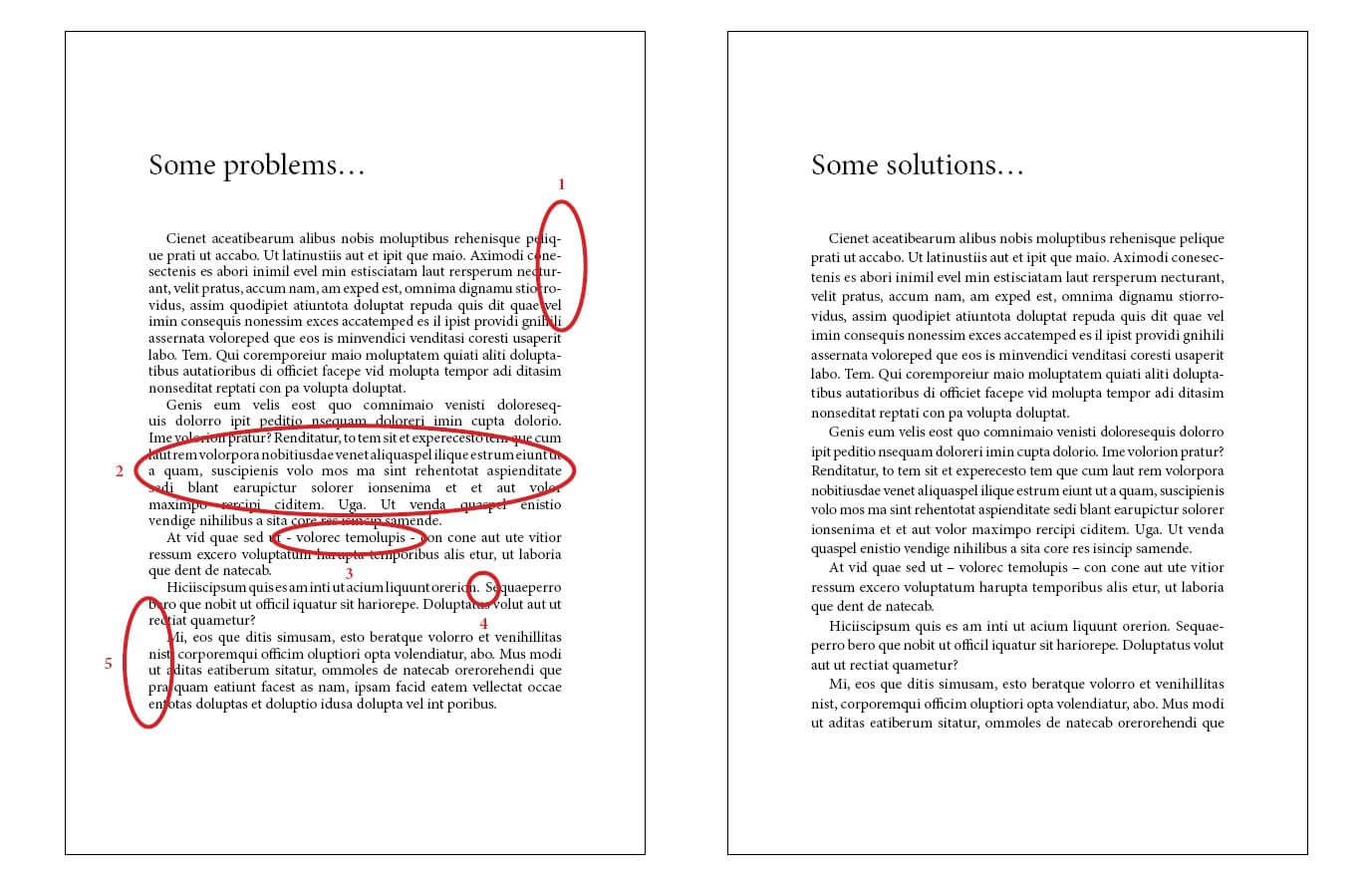
In a world where content is published at an unprecedented pace, the typesetter serves as a critical quality control gatekeeper. They meticulously review layouts for errors that automated systems might miss – orphaned lines, rivers (unintended streams of white space), inconsistent spacing, or incorrect alignment. This human touch ensures that the final output, whether a printed book, a digital magazine, or an interactive document, meets the highest standards of professionalism and readability, reflecting positively on the content creator or brand.
The Future of Type and Content Presentation
As technology continues to evolve, so too will the role of the typesetter. They will increasingly integrate with sophisticated publishing platforms, collaborate with AI-driven design tools, and adapt to emerging content formats like augmented reality (AR) and virtual reality (VR) interfaces. The core mission, however, remains constant: to leverage the latest technological advancements to present textual information in the most effective, elegant, and accessible way possible. The typesetter, therefore, is not a vanishing profession but an evolving one, continually adapting their technological expertise to meet the demands of a dynamic information landscape.
aViewFromTheCave is a participant in the Amazon Services LLC Associates Program, an affiliate advertising program designed to provide a means for sites to earn advertising fees by advertising and linking to Amazon.com. Amazon, the Amazon logo, AmazonSupply, and the AmazonSupply logo are trademarks of Amazon.com, Inc. or its affiliates. As an Amazon Associate we earn affiliate commissions from qualifying purchases.