
The unassuming slop sink, often relegated to the back rooms of commercial establishments and utility closets, plays a surprisingly critical role in the operational efficiency and financial health of countless businesses. Far from being a mere plumbing fixture, its presence—or absence—can significantly impact labor costs, maintenance expenses, and even property value, making it a crucial consideration in business finance and facility management. Understanding what a slop sink is, therefore, extends beyond its functional definition to encompass its strategic financial implications for organizations of all sizes.
The Unsung Hero of Commercial Operations: Why a Slop Sink Matters for Business Finance
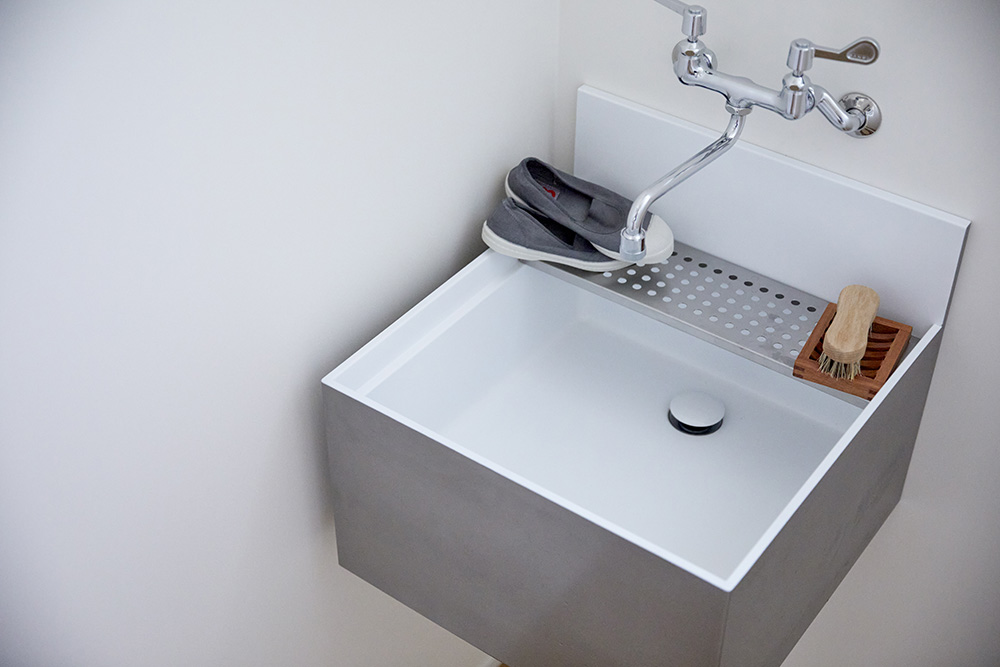
At its core, a slop sink, also known as a utility sink, janitor sink, or mop sink, is a deep, large basin typically installed at floor level or slightly above, designed for the disposal of dirty water, filling mop buckets, cleaning oversized items, and handling other messy tasks that would quickly overwhelm or damage conventional sinks. Made from durable materials like polypropylene, stainless steel, or cast iron, these sinks are built to withstand heavy use and harsh chemicals. However, their true value proposition for a business is not just in their durability but in the efficiencies they foster and the costs they mitigate.
Beyond Basic Plumbing: A Strategic Asset
For many businesses, particularly those in hospitality, healthcare, retail, or industrial sectors, a slop sink is not just a convenience; it’s a strategic asset. By providing a dedicated and robust station for janitorial duties, it protects standard sinks and plumbing from premature wear and tear caused by abrasive cleaning solutions, heavy debris, and the constant filling and emptying of large buckets. This proactive approach to facility maintenance translates directly into reduced repair costs for standard fixtures and a longer lifespan for overall plumbing infrastructure, representing tangible savings on the balance sheet.
Furthermore, the ergonomic design of many slop sinks, often featuring a low basin or even floor-level access, minimizes strain on cleaning staff. This subtle benefit can contribute to a safer working environment, potentially reducing instances of workplace injuries related to lifting heavy buckets, thereby mitigating risks associated with workers’ compensation claims and lost productivity—all quantifiable financial benefits.
Operational Efficiency and Labor Cost Reduction
One of the most significant financial impacts of a well-placed slop sink is its contribution to operational efficiency and, consequently, labor cost reduction. Imagine a hotel, restaurant, or hospital where cleaning staff must repeatedly transport heavy, dirty mop buckets across long distances to a conventional sink, struggle to fill them from a standard faucet, and then risk spillage during disposal. Each step in this inefficient process adds minutes to a task that could be completed much faster with a dedicated slop sink.
By centralizing cleaning tasks at a purpose-built station, businesses can drastically cut down on “non-productive” travel time for cleaning crews. Mops can be rinsed efficiently, buckets filled and emptied without fuss, and cleaning chemicals mixed precisely in a designated area. This optimized workflow means cleaning tasks are completed faster, allowing staff to move on to other duties or reducing the total labor hours required for facility upkeep. Over weeks, months, and years, these small time savings accumulate into substantial financial benefits, directly impacting the bottom line. For businesses with significant janitorial needs, this efficiency translates into thousands of dollars in annual labor cost savings.
Investment Considerations: Evaluating the ROI of a Slop Sink
The decision to install or upgrade a slop sink should be viewed through the lens of a capital investment, similar to any other piece of critical business equipment. While the initial outlay might seem minor compared to larger machinery, its return on investment (ROI) can be substantial and multifaceted, affecting various aspects of business finance.
Initial Outlay vs. Long-Term Savings
The upfront cost of a slop sink varies depending on material, size, and features, ranging from a few hundred dollars for a basic utility model to several thousand for specialized, heavy-duty stainless steel units with integrated features. Installation costs, which include plumbing and potentially minor construction work, must also be factored in.
However, these initial expenses are often quickly recouped through the long-term savings generated. As discussed, reduced labor time, decreased wear and tear on other plumbing fixtures, and the prevention of costly spills or water damage contribute to a positive ROI. For a business operating on thin margins, every saved dollar in operational costs or avoided repair expense directly boosts profitability. Furthermore, complying with health and safety regulations, which can be facilitated by proper waste disposal infrastructure, avoids potential fines and legal costs.
Maintenance, Durability, and Lifecycle Costs
When evaluating a slop sink, its material and construction are paramount financial considerations. A cheaper, less durable material might offer lower upfront costs but could lead to higher maintenance, frequent repairs, or even premature replacement, ultimately increasing the total cost of ownership over its lifecycle.
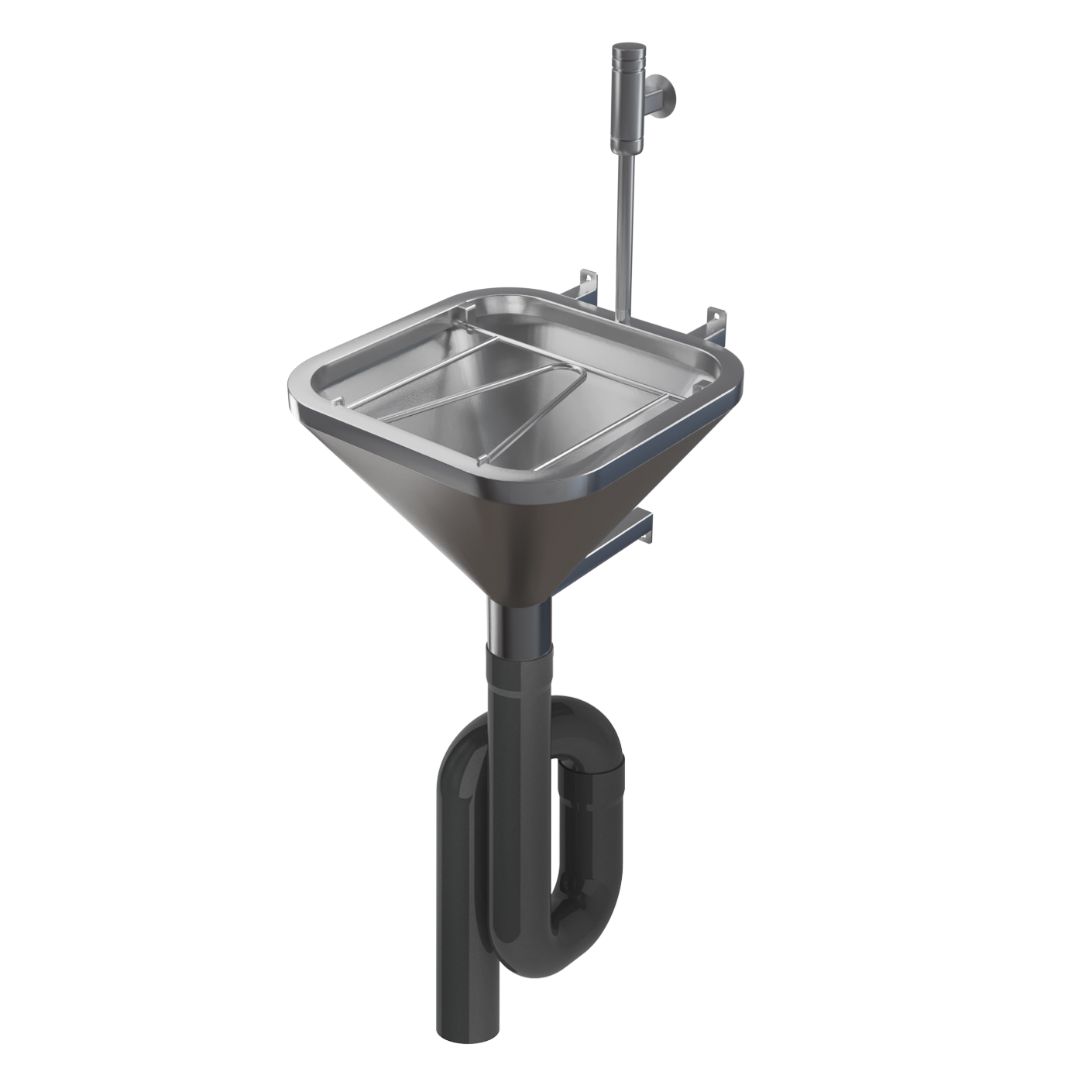
Stainless steel, for instance, offers superior durability, corrosion resistance, and ease of cleaning, making it a preferred choice for environments requiring high hygiene standards (e.g., healthcare, food service). While its initial cost is higher, its extended lifespan and minimal maintenance requirements often make it more cost-effective in the long run. Polypropylene sinks are lighter and less expensive but might not withstand the same level of abuse or chemical exposure as their metallic counterparts. Businesses must assess their specific operational needs and projected usage to select a material that provides the best balance of durability, maintenance ease, and lifecycle cost, ensuring the investment aligns with long-term financial planning.
Impact on Property Value and Tenant Appeal
For property owners, especially those with commercial or multi-unit residential buildings, the presence of a well-maintained slop sink can positively influence property value and tenant appeal. Commercial spaces, particularly those leased to businesses with cleaning or operational needs (e.g., restaurants, clinics, offices requiring regular janitorial services), will view a dedicated slop sink as a valuable amenity. It signals a well-equipped facility and minimizes the likelihood of tenants misusing other plumbing, preventing potential damage that could lead to costly repairs and tenant disputes.
In residential complexes, a common area slop sink for cleaners or even tenants can enhance convenience and prevent the misuse of laundry room or bathroom sinks for dirty tasks, preserving the integrity of individual units. Such thoughtful infrastructure contributes to a property’s overall perceived value and marketability, making it a more attractive and financially viable asset in the long term.
Financial Implications Across Industries
The financial benefits of a slop sink are not confined to a single sector but resonate across various industries, each finding unique ways it contributes to their fiscal health.
Hospitality and Food Service
In restaurants, hotels, and catering facilities, hygiene is non-negotiable, and operational pace is critical. Slop sinks are indispensable for sanitizing kitchens, dining areas, and restrooms. They enable efficient disposal of food waste liquids, mop water contaminated with grease and food particles, and the cleaning of large cooking equipment or floor mats. By streamlining these processes, businesses reduce cleaning times, minimize the risk of cross-contamination (which can lead to costly health code violations or customer illness), and protect more delicate fixtures from harsh cleaning agents, all of which directly safeguard revenue and reputation.
Healthcare and Janitorial Services
Hospitals, clinics, and professional cleaning companies rely heavily on slop sinks for maintaining sterile environments and efficient service delivery. In healthcare, infection control is paramount. Slop sinks provide a safe, contained space for disposing of contaminated liquids and cleaning medical equipment, reducing the spread of pathogens and ensuring compliance with stringent health regulations, thereby avoiding severe financial penalties and reputational damage. For janitorial services, the mobility and speed of their cleaning crews are their competitive edge; slop sinks in client facilities, or even portable slop sink solutions, significantly enhance their productivity and service quality.
Manufacturing and Workshops
Industrial settings, factories, and automotive workshops often deal with a variety of liquids—solvents, oils, coolants, and wastewater—that are unsuitable for standard drains. Heavy-duty slop sinks, often with specialized filtration or pre-treatment systems, are critical for managing these industrial fluids, ensuring proper disposal and compliance with environmental regulations. Avoiding environmental fines and maintaining a clean, safe working environment are significant financial advantages. They also enable the easy cleanup of tools and parts, preventing contamination and extending the life of valuable equipment.
Choosing the Right Slop Sink: A Financial Decision
Selecting the appropriate slop sink is not merely a purchasing decision; it’s a financial strategy. The choice impacts not only the initial capital expenditure but also ongoing operational costs, maintenance requirements, and overall business efficiency.
Material Selection and Durability
As discussed, material choice directly influences durability and lifecycle costs. Stainless steel is often the premium choice for environments demanding high hygiene and heavy use, offering excellent return on investment through longevity and ease of maintenance. Polypropylene is a lighter, more economical option for less demanding applications. Cast iron, while traditional and very durable, can be heavier and potentially more prone to rust if not properly maintained. Evaluating the specific corrosive agents, impact risks, and volume of use will guide a financially sound material selection.
Size and Capacity for Operational Needs
The dimensions and capacity of the slop sink must align with the business’s operational needs. A sink that is too small will lead to spills, inefficiency, and frustration, while an unnecessarily large sink wastes space and might inflate initial costs. Considerations include the typical size of mop buckets, equipment to be cleaned, and the volume of liquid waste to be handled. For instance, a commercial kitchen might need a deeper, wider basin than a small office building’s janitor closet. Accurately assessing these requirements prevents both underspending (leading to inefficiency) and overspending (on unused capacity).
Installation Costs and Plumbing Requirements
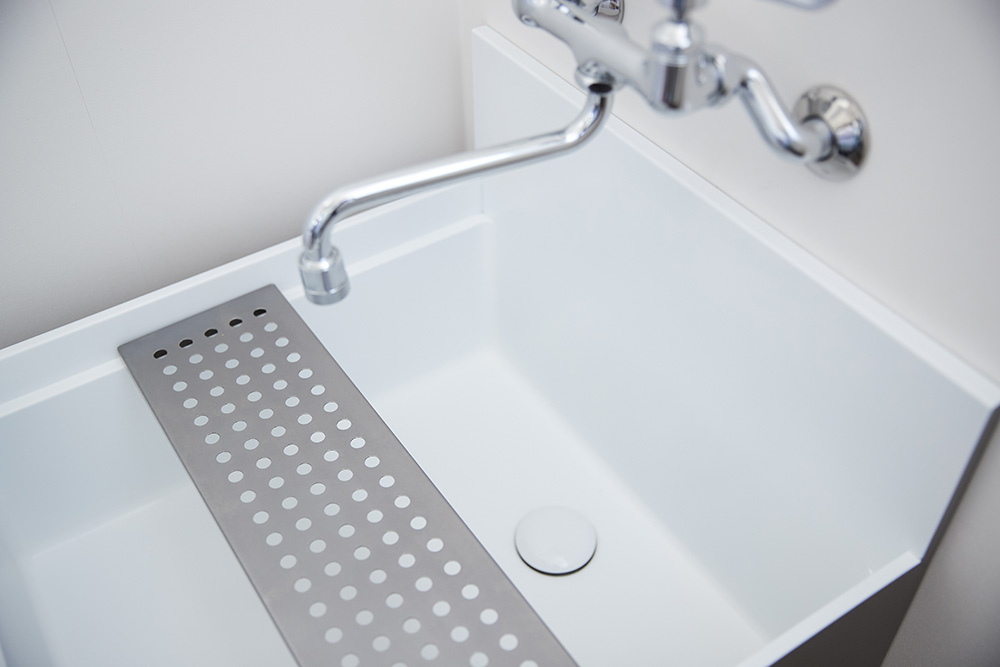
Finally, the financial planning must include installation costs. This encompasses not just the labor for fitting the sink but also any necessary plumbing modifications, water supply connections, and drainage requirements. Some slop sinks might require specific drain sizes or trap configurations. For floor-mounted units, ensuring proper floor slope towards the drain is also crucial to prevent standing water. Businesses must factor these “hidden” costs into their budget to avoid unexpected expenses and ensure the system is installed correctly to prevent future plumbing issues and associated repair costs. A well-planned installation ensures the slop sink operates efficiently from day one, maximizing its financial benefits.
aViewFromTheCave is a participant in the Amazon Services LLC Associates Program, an affiliate advertising program designed to provide a means for sites to earn advertising fees by advertising and linking to Amazon.com. Amazon, the Amazon logo, AmazonSupply, and the AmazonSupply logo are trademarks of Amazon.com, Inc. or its affiliates. As an Amazon Associate we earn affiliate commissions from qualifying purchases.