
In the dynamic landscape of brand strategy and marketing, understanding the forces that influence market behavior, consumer decisions, and brand perception is paramount. Among the most insightful analytical frameworks for dissecting these influences are “push and pull factors.” Originating from fields like migration studies, these concepts have been expertly adapted to provide a profound understanding of why customers engage with certain brands, why markets shift, and why employees are drawn to or repelled by a corporate identity. Essentially, push and pull factors represent the contrasting forces that either compel movement away from a current state or attract movement towards a desired state.
Understanding the Core Concepts in Branding and Marketing
At its heart, the push and pull framework provides a binary lens through which to examine motivations and drivers. When applied to brand, marketing, and corporate identity, these factors reveal the underlying psychological and practical elements that shape relationships between entities and their audiences.
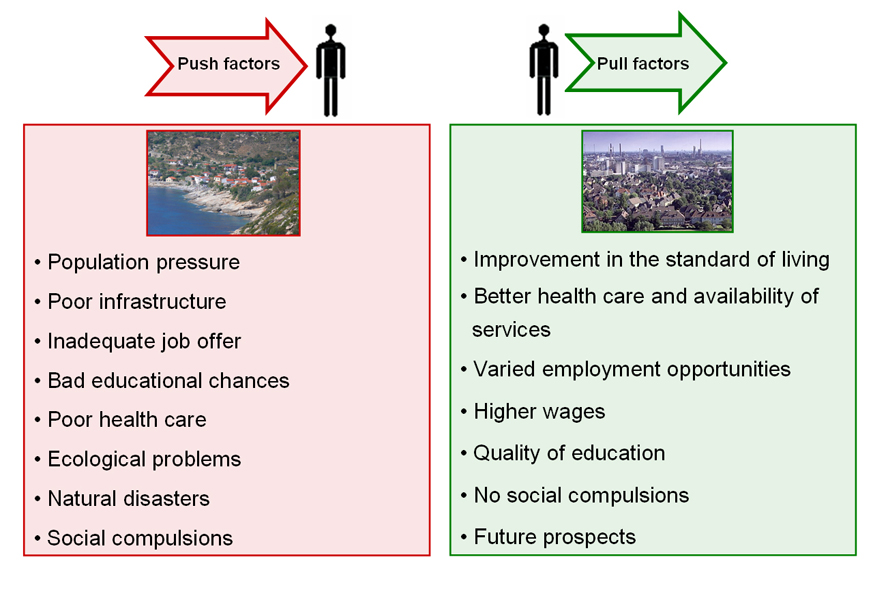
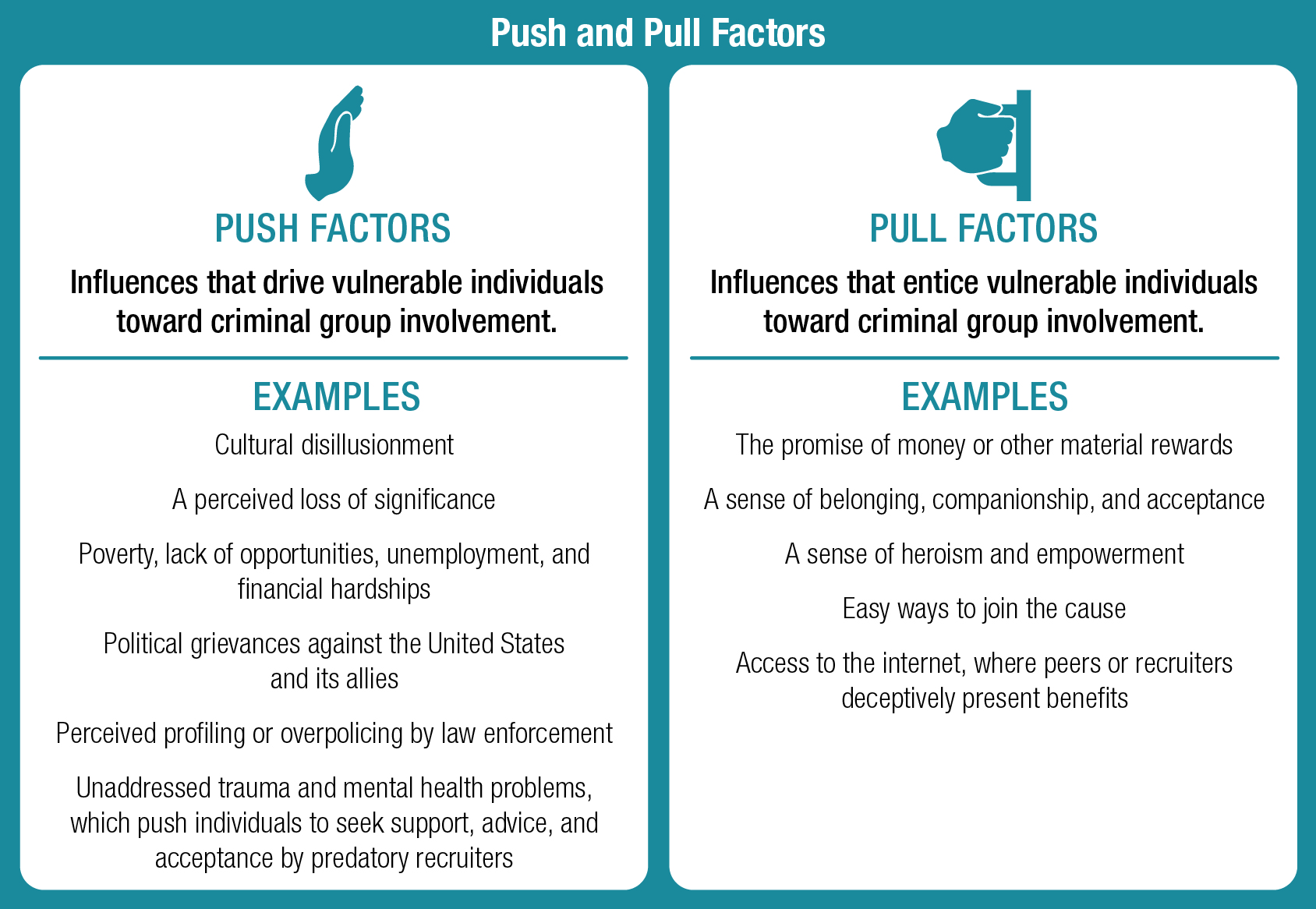
Push Factors in Branding and Marketing
Push factors are elements, circumstances, or strategies that compel an audience (consumers, talent, partners) to move away from a competitor, an existing solution, or even a brand’s current offerings. They are often rooted in dissatisfaction, unmet needs, or perceived negatives. In a branding context, these could be intrinsic to a product or service, or they could stem from external market conditions.
- Competitor Weaknesses or Failures: If a dominant competitor experiences product recalls, ethical scandals, or a decline in service quality, these events act as powerful push factors, driving their customers away. A brand can strategically highlight these deficiencies (without resorting to unethical practices) to position itself as a superior alternative.
- Market Saturation or Obsolete Solutions: When a market becomes overly crowded or existing solutions fail to keep pace with evolving consumer needs or technological advancements, users are pushed to seek new options. For instance, the rise of streaming services pushed consumers away from traditional cable television due to its inflexing bundles and high costs.
- Poor Brand Experience or Reputation: A brand that consistently delivers subpar customer service, unreliable products, or fails to live up to its promises creates strong push factors. Negative word-of-mouth, poor reviews, and a tarnished reputation can actively deter potential customers and even drive away loyal patrons.
- Cost and Inefficiency: If a product or service is perceived as too expensive, inefficient, or complex for the value it provides, consumers will be pushed towards more cost-effective or streamlined alternatives. Think of businesses abandoning outdated software for cloud-based, subscription models that offer greater flexibility and lower upfront costs.
- Ethical or Social Mismatches: In an increasingly conscious market, brands that engage in unethical labor practices, demonstrate environmental irresponsibility, or hold values that conflict with their target audience’s beliefs can push consumers away. Authenticity and alignment with social values are now critical components of brand resilience.
Pull Factors in Branding and Marketing
Conversely, pull factors are attractive elements, benefits, or opportunities that draw an audience towards a specific brand, product, or service. They represent the desirable attributes that entice engagement, foster loyalty, and stimulate acquisition. These factors are typically what a brand aims to cultivate and promote.
- Superior Product Features and Innovation: A brand offering cutting-edge technology, unique functionalities, or significantly improved performance acts as a strong pull. Apple’s consistent innovation in user experience and design, for example, has historically pulled consumers towards its ecosystem.
- Exceptional Brand Value Proposition: This includes not just price, but the overall perceived benefits relative to cost. A brand that offers a compelling blend of quality, service, and emotional connection often pulls customers even if its price point is higher. Luxury brands thrive on this principle, pulling customers with promises of prestige, craftsmanship, and exclusivity.
- Strong Brand Reputation and Trust: A history of reliability, transparency, and positive customer experiences builds immense trust, which is a powerful pull factor. Consumers are drawn to brands they know they can depend on, reducing perceived risk and increasing confidence in their purchase.
- Effective Marketing and Emotional Connection: Campaigns that resonate deeply with consumer aspirations, fears, or identities create powerful emotional pull. Storytelling, community building, and aspirational messaging can forge bonds that go beyond mere transactional relationships. Nike’s emphasis on athletic achievement and empowerment pulls individuals who identify with its “Just Do It” ethos.
- Positive User Experience (UX) and Customer Service: Seamless interactions, intuitive interfaces, and responsive support are significant pull factors. Brands that prioritize the customer journey, from initial discovery to post-purchase support, create positive experiences that encourage repeat business and advocacy.
- Social Proof and Community: The influence of peers, influencers, and a strong user community can be a compelling pull. When a brand is endorsed by trusted sources or boasts a vibrant, engaged community, it acts as social proof, drawing in new members who want to be part of that collective experience.
Applying Push and Pull Factors to Brand Strategy
Integrating push and pull factor analysis into brand strategy moves beyond mere observation to active planning and execution. It allows brands to proactively shape their market position, influence consumer decisions, and build a resilient identity.
Market Entry and Expansion
For brands looking to enter new markets or expand their reach, understanding the existing push and pull factors is critical. A new market might have strong push factors driving consumers away from incumbent solutions (e.g., high prices, poor quality, lack of options), creating an opening for a new entrant. Simultaneously, identifying latent pull factors (e.g., demand for convenience, sustainability, affordability) allows the brand to tailor its offering to explicitly meet those needs and attract new customers. Without this analysis, market entry can be a blind, costly endeavor.
Product Development and Innovation
The push and pull framework is invaluable for guiding product development. What current frustrations (push factors) are consumers experiencing with existing products, including your own? How can a new product or feature alleviate these pain points? Conversely, what emerging desires or unarticulated needs (pull factors) can be addressed through innovation? This approach ensures that product development isn’t just about adding features, but about solving real problems and creating compelling value, thus attracting users with superior solutions. For instance, the rise of plant-based foods is a response to push factors (health concerns, environmental impact of meat) and pull factors (desire for healthier, sustainable alternatives).
Influence on Consumer Behavior and Loyalty
Ultimately, the goal of brand strategy is to influence consumer behavior – to drive purchases, foster loyalty, and turn customers into advocates. Push and pull factors directly inform this process.
Driving Purchase Decisions
Marketing campaigns are most effective when they address both push and pull factors. A campaign might highlight the inadequacies of competitor products (pushing consumers away from them) while simultaneously showcasing the unique benefits and value of its own offering (pulling consumers towards it). This dual approach creates a more potent message, framing the brand as the logical and desirable solution to a consumer’s dilemma. Consider how many energy drink ads leverage the push factor of fatigue and the pull factor of enhanced performance.
Fostering Brand Advocacy
Loyalty is built not just on satisfied needs, but on a strong emotional connection and positive continuous experience. Brands that consistently leverage pull factors, delivering exceptional value, experiences, and aligning with consumer values, cultivate deeply loyal customers. These loyalists become brand advocates, actively recommending the brand and defending its reputation. Conversely, ignoring push factors—like declining product quality or poor customer service—can erode loyalty and turn advocates into detractors, who actively push others away from the brand.
Building a Resilient Brand Identity Through Analysis
A robust brand identity isn’t just about a logo or tagline; it’s about the consistent perception and reputation a brand holds in the market. Analyzing push and pull factors helps in both reinforcing strengths and mitigating weaknesses, leading to a more resilient brand.
Identifying Brand Weaknesses
By understanding what might push customers away from a brand, internal teams can proactively identify and address weaknesses. Is the pricing structure too high compared to value? Is customer service lagging? Are ethical practices questionable? A critical self-assessment through the lens of push factors allows a brand to shore up its vulnerabilities before they become critical liabilities. This introspection is crucial for maintaining market relevance and consumer trust.

Leveraging Brand Strengths
Conversely, a clear understanding of a brand’s unique pull factors enables it to amplify its strengths. What aspects of the brand consistently attract and retain customers? Is it superior quality, unparalleled design, exceptional service, or a strong social mission? By identifying and communicating these core pull factors consistently across all touchpoints, a brand can reinforce its distinctive value proposition, differentiate itself from competitors, and build a stronger, more magnetic identity. This strategic emphasis on what makes a brand attractive ensures that its message resonates powerfully with its target audience.
In conclusion, the push and pull factor framework is an indispensable tool for anyone involved in brand strategy, marketing, or corporate identity. It provides a structured method for understanding the motivations behind market shifts and consumer choices, enabling brands to craft more effective strategies, innovate more purposefully, and build stronger, more enduring relationships with their audience. By mastering the art of identifying and responding to these dynamic forces, brands can navigate complex markets with greater agility and achieve sustainable growth.
aViewFromTheCave is a participant in the Amazon Services LLC Associates Program, an affiliate advertising program designed to provide a means for sites to earn advertising fees by advertising and linking to Amazon.com. Amazon, the Amazon logo, AmazonSupply, and the AmazonSupply logo are trademarks of Amazon.com, Inc. or its affiliates. As an Amazon Associate we earn affiliate commissions from qualifying purchases.