
The term “Japanese Hair Straightening” encapsulates more than just a chemical process; it represents a specialized service that has cultivated its own unique brand identity within the global beauty industry. Understanding “what it is” from a brand perspective involves dissecting its positioning, the marketing strategies employed by salons, and its impact on personal and corporate branding. Far from being a mere procedure, Japanese Hair Straightening operates as a distinct category, drawing clients based on its promise, reputation, and the expertly crafted experience surrounding it.
The Japanese Hair Straightening Phenomenon: A Niche Brand Category
Japanese Hair Straightening, often known by its technical term, thermal reconditioning, has carved out a significant niche. Its very name evokes a specific origin, quality, and desired outcome, functioning much like a proprietary brand in itself. This nomenclature immediately distinguishes it from other straightening methods, signaling a particular approach and expected result.
Defining a Service as a Brand Identifier
The phrase “Japanese Hair Straightening” acts as a powerful brand identifier, instantly communicating a set of attributes: precision, longevity, sleekness, and a high level of expertise. Clients seeking this service aren’t just looking for straight hair; they are often seeking the specific straight hair associated with this method. This specificity allows salons to position themselves as specialists, building a brand around their mastery of this particular technique. The service becomes a beacon for individuals who value a semi-permanent solution to frizz and curl, elevating it beyond a generic salon offering to a specialized treatment with a premium perception. This brand recognition also influences consumer expectations, setting a high bar for results and service quality, which contributes to its premium pricing and exclusive image.
Origins and Authenticity: Building Brand Trust
The “Japanese” in its name isn’t merely geographic; it implies a legacy of innovation and meticulous technique. This origin story lends an air of authenticity and trustworthiness, crucial elements for any successful brand. Consumers often associate Japanese craftsmanship with quality, attention to detail, and advanced technology—perceptions that transfer directly to the hair straightening service. Salons leveraging this service frequently highlight the “authentic” Japanese methods or products they use, further bolstering client confidence and justifying the investment. This emphasis on origin helps to establish a narrative of superiority and reliability, distinguishing it from less specialized or generic treatments and fostering a loyal clientele who believe in the method’s proven track record.
Differentiation in a Crowded Market
In a beauty industry saturated with services, Japanese Hair Straightening offers a clear point of differentiation. For salons, mastering and marketing this specific technique allows them to stand out from competitors who offer more generalized services. It enables them to target a specific demographic of clients who are actively searching for this particular solution. This specialization helps in cultivating a strong, identifiable brand image for the salon, portraying them not just as a beauty provider, but as an expert authority in a complex, transformative treatment. By focusing on a niche, salons can hone their marketing messages, build tailored client relationships, and command a position of leadership in their specific market segment.
Crafting Salon Identity Around a Signature Service
For many high-end salons, offering Japanese Hair Straightening is not just an addition to their service menu; it becomes a cornerstone of their brand identity. The successful integration of this complex service requires a thoughtful approach to branding that encompasses expertise, client experience, and targeted marketing.
The Salon as the Primary Brand
While “Japanese Hair Straightening” is a recognizable service brand, the salon itself must build its own overarching brand that incorporates and elevates this offering. Salons that excel in this area position themselves as the ultimate destination for thermal reconditioning. Their brand messaging, visual identity, and interior design often reflect the precision, sophistication, and transformative power associated with the service. This means investing in specialized training for stylists, using only high-quality products, and ensuring a consistent, exceptional outcome for every client. The salon’s reputation for this service becomes a significant brand asset, driving organic referrals and repeat business from a discerning clientele.
Marketing the “Expert” Brand
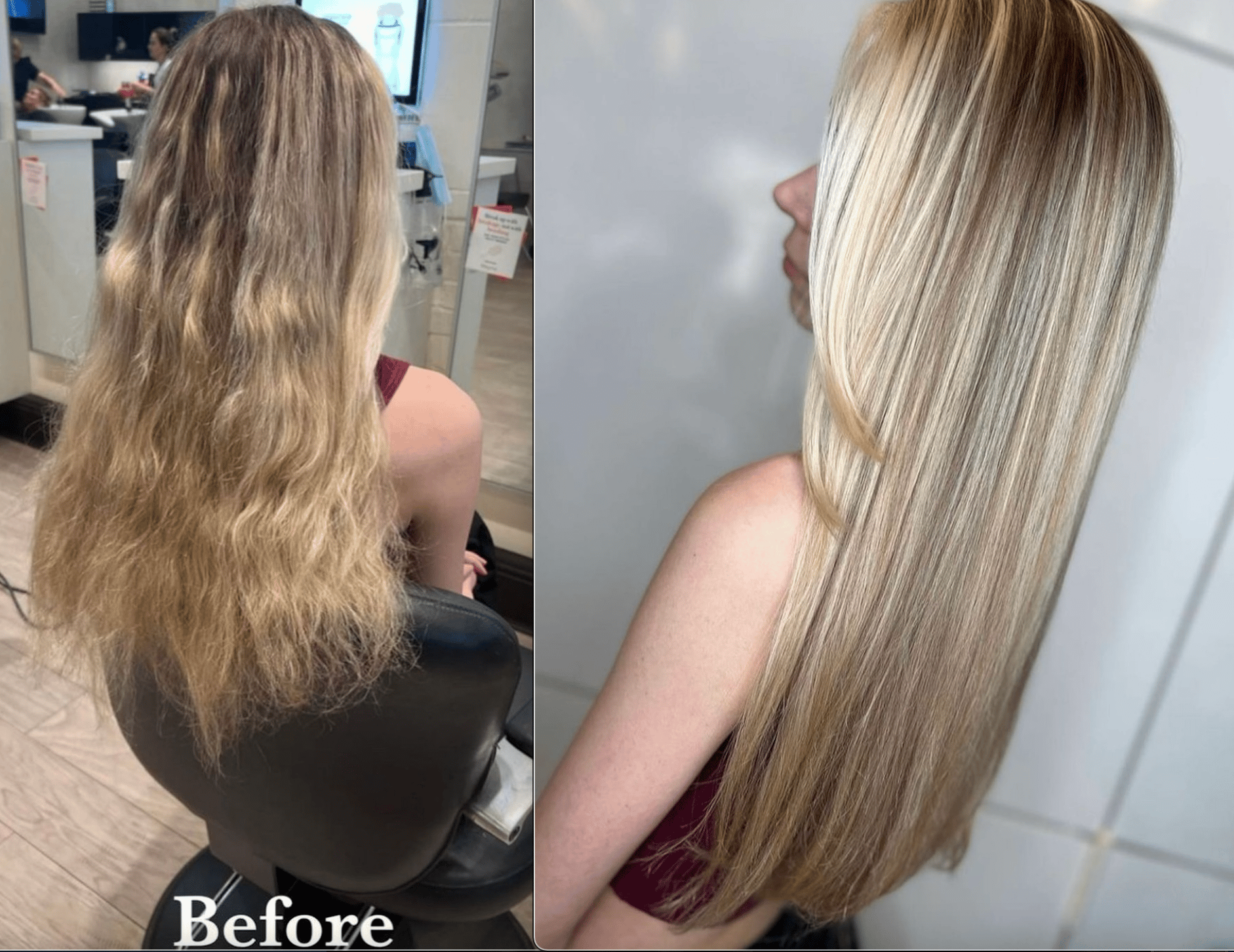
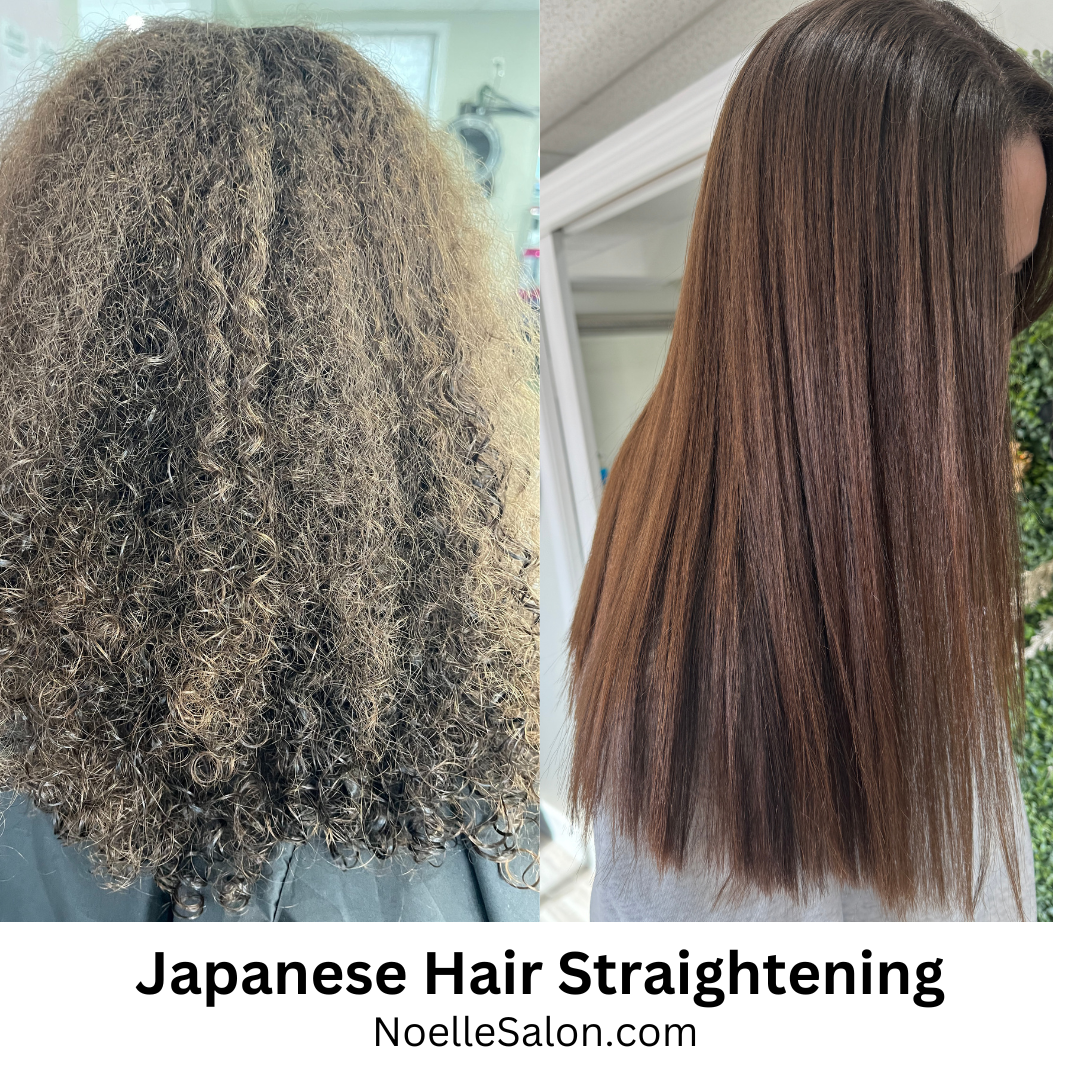
Marketing Japanese Hair Straightening effectively involves showcasing undeniable expertise. This goes beyond simply listing the service; it means presenting stylists as highly trained specialists, often highlighting their certifications, years of experience, and success stories. Before-and-after portfolios, detailed explanations of the process (simplified for the client), and testimonials become vital marketing tools. The language used in promotional materials often emphasizes scientific precision, advanced techniques, and the transformative artistry involved. This strategic communication builds confidence and trust, positioning the salon as the go-to authority for this complex procedure, thereby reinforcing its brand as a leader in specialized hair treatments.
Designing the Client Experience: From Consultation to Aftercare
The brand experience for Japanese Hair Straightening extends far beyond the chemical application. It begins with a thorough, personalized consultation where stylists assess hair type, discuss expectations, and educate the client—building rapport and trust. The salon environment itself is designed for comfort during the lengthy process, often offering amenities that enhance the premium experience. Aftercare advice and product recommendations are crucial for maintaining results and ensuring client satisfaction, reinforcing the salon’s commitment to long-term hair health. Every touchpoint, from booking to follow-up, is an opportunity to solidify the salon’s brand as one that prioritizes meticulous care, exceptional results, and a luxurious client journey.
Personal Branding and the Transformative Power of Hair
For individuals, hair is a fundamental aspect of personal branding. It influences first impressions, conveys personality, and contributes significantly to one’s overall image. Japanese Hair Straightening, by offering a dramatic and lasting transformation, plays a powerful role in how individuals project their desired personal brand.
Hair as an Extension of Personal Brand
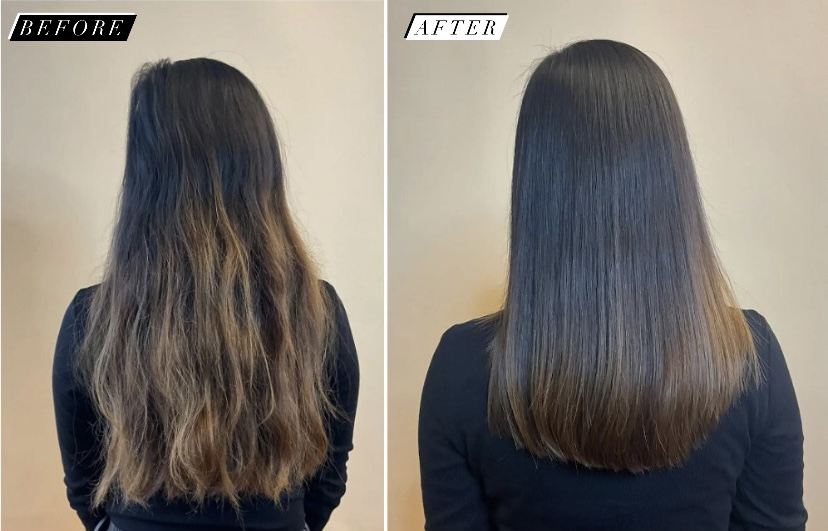
For many, perfectly straight, frizz-free hair is not just a style choice; it’s a statement. It can convey professionalism, sophistication, and a polished appearance that aligns with their personal or professional brand. Individuals seeking Japanese Hair Straightening often do so to achieve a consistent, effortless look that saves time and boosts confidence. The ability to wake up with salon-straight hair every day frees up mental energy and contributes to a feeling of being ‘put-together,’ which is invaluable for those meticulously crafting their personal image. This sustained perfect hair becomes an integral part of their personal brand, influencing how they are perceived in social and professional settings.
The Psychological Impact and Client Loyalty
The psychological impact of a successful Japanese Hair Straightening cannot be overstated. Clients often report a significant boost in self-esteem and confidence, feeling more empowered and ready to face the world. This profound emotional connection fosters deep client loyalty. When a service delivers such a transformative and lasting benefit, clients become fiercely loyal to the salon and stylist who provide it. This loyalty is a testament to the salon’s ability to not only deliver a technical service but also to positively impact a client’s well-being and personal brand, creating relationships built on trust and satisfaction.
Digital Storytelling: Influencers and Testimonials
In the age of social media, personal branding is heavily influenced by digital presence. Clients who undergo Japanese Hair Straightening often become advocates, sharing their before-and-after stories, styling tips, and salon experiences online. Influencers in the beauty space frequently review and recommend the service, acting as powerful testimonials that build social proof and expand the service’s reach. Salons actively encourage and leverage this digital storytelling, reposting client transformations and engaging with online discussions. This organic content serves as authentic marketing, reinforcing the salon’s brand through real-world results and relatable personal branding journeys.
Marketing and Communication Strategies for Japanese Hair Straightening
Effective marketing for Japanese Hair Straightening requires a nuanced approach that addresses the investment, the transformative promise, and the specialized nature of the service. Communication must be clear, educational, and compelling to attract and convert the ideal clientele.
Targeting the Ideal Client: Demographics and Psychographics
The ideal client for Japanese Hair Straightening is typically someone seeking a long-term solution to curly or frizzy hair, valuing convenience, and willing to invest in premium beauty services. Marketing efforts often target individuals aged 25-55, with disposable income, who are beauty-conscious and may have struggled with managing their natural hair texture for years. Psychographically, these clients are often motivated by the desire for a sleek, low-maintenance look that enhances their confidence and professional image. Communication strategies might highlight time-saving benefits, the luxurious feel of smooth hair, or the freedom from daily styling battles, resonating deeply with these specific desires.
Content Marketing: Educating and Enticing
Content marketing plays a critical role in educating potential clients about Japanese Hair Straightening. Blog posts, detailed service pages, FAQs, and video tutorials can explain the process, benefits, longevity, and aftercare requirements. This educational content not only informs but also manages expectations, builds credibility, and establishes the salon as an expert resource. Enticing content often includes stunning before-and-after photos, client testimonials, and features on stylists’ expertise. Webinars or virtual consultations can also be offered, providing personalized information and addressing specific client concerns, thereby nurturing leads through the decision-making process.
Pricing Strategy and Perceived Value
Japanese Hair Straightening is a high-ticket service, and its pricing strategy must reflect its perceived value, the time involved, and the skill required. Pricing communicates exclusivity and quality. Salons often present the cost as an investment in long-term hair management and personal confidence, rather than just a one-off expense. Transparent pricing, often including tiered options based on hair length or thickness, helps clients understand the value proposition. Promotional packages that bundle the service with specialized aftercare products or follow-up treatments can further enhance perceived value and encourage comprehensive client engagement, positioning the service as a complete solution rather than just a single treatment.
Maintaining Brand Integrity and Evolving in a Dynamic Market
For a specialized service like Japanese Hair Straightening to maintain its brand strength, consistent quality, ethical practices, and an eye towards future trends are paramount. The beauty industry is ever-evolving, and even a niche service must adapt to remain relevant and trustworthy.
Quality Control and Reputation Management
The brand integrity of Japanese Hair Straightening hinges entirely on consistent, high-quality results. Any deviation can severely damage a salon’s reputation, especially for a service that involves significant client investment and lasting effects. Salons must implement rigorous quality control measures, continuous stylist training, and use only professional-grade products. Reputation management, both online and offline, is crucial. This involves actively monitoring reviews, promptly addressing client concerns, and consistently delivering exceptional outcomes to foster positive word-of-mouth and maintain a strong brand image. Positive client experiences are the most powerful form of brand advocacy.
Innovation and Adaptation: Staying Relevant
While the core of Japanese Hair Straightening remains consistent, the beauty market is dynamic. Brands must adapt to new product formulations, improved techniques, and evolving client preferences. This might include offering variations of the service (e.g., gentler formulations, new aftercare routines) or integrating it with other complementary treatments. Staying abreast of industry advancements and incorporating them responsibly into service offerings demonstrates a commitment to excellence and innovation, keeping the salon’s brand fresh and appealing to a new generation of clients without diluting the core promise of the service.
Ethical Considerations and Transparency
Ethical considerations are vital for maintaining trust and brand integrity, particularly with chemical hair treatments. This includes transparent communication about the process, potential risks, and realistic expectations. Salons have a responsibility to prioritize client hair health, conducting thorough consultations to ensure suitability for the treatment and advising against it if hair is too damaged. Using high-quality, ethically sourced products and disposing of chemical waste responsibly also contribute to a positive brand image. By operating with integrity and prioritizing client well-being, salons reinforce a brand built on trust, professionalism, and genuine care.
aViewFromTheCave is a participant in the Amazon Services LLC Associates Program, an affiliate advertising program designed to provide a means for sites to earn advertising fees by advertising and linking to Amazon.com. Amazon, the Amazon logo, AmazonSupply, and the AmazonSupply logo are trademarks of Amazon.com, Inc. or its affiliates. As an Amazon Associate we earn affiliate commissions from qualifying purchases.