
In the dynamic landscape of online video, a brand’s success on YouTube hinges on its ability to capture attention amidst an ocean of content. At the heart of this challenge lies the Click-Through Rate (CTR), a crucial metric that quantifies how effectively your video thumbnails and titles entice viewers. For any brand or content creator aiming to build a robust presence, understanding what constitutes a “good” CTR is not just about numbers; it’s about discerning audience appeal, refining brand messaging, and ultimately, driving sustained growth.
The Core of YouTube Performance: Understanding Click-Through Rate
YouTube’s algorithm is designed to connect viewers with content they’re likely to enjoy, and CTR plays a pivotal role in this recommendation engine. For brands, a strong CTR signals to YouTube that your content is relevant and engaging, leading to increased visibility and audience reach.

Defining CTR in the YouTube Ecosystem
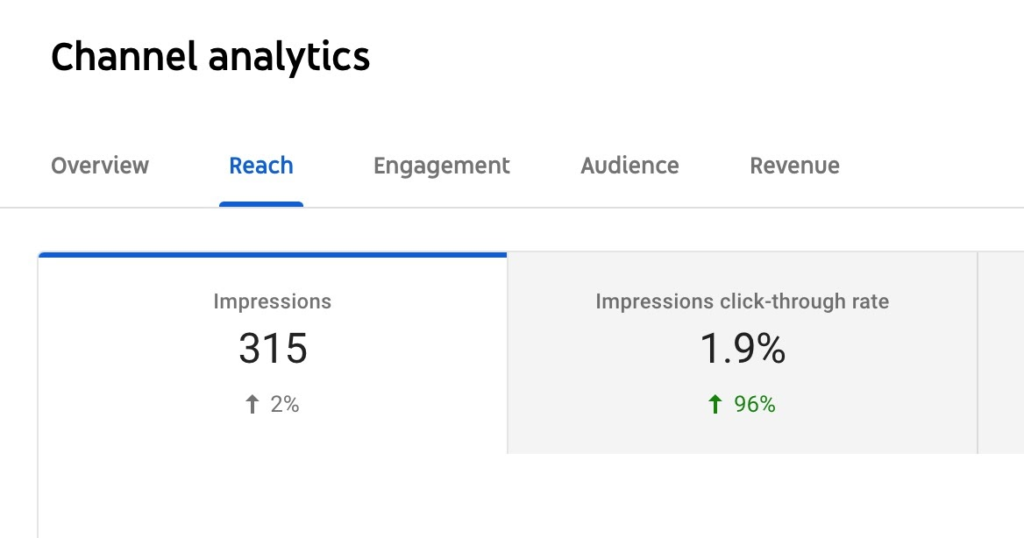
Click-Through Rate, in its simplest form, is the percentage of people who click on your video after seeing its thumbnail and title. It’s calculated by dividing the number of clicks your video receives by the number of times its thumbnail was shown (impressions), then multiplying by 100. For instance, if your video’s thumbnail appears 1,000 times on viewers’ homepages, sidebars, or search results, and it garners 50 clicks, your CTR is 5%.
This metric is distinct from view count alone. While a high view count is desirable, it could be misleading if achieved through a massive number of impressions with a very low CTR. A high CTR, conversely, indicates that your content is effectively converting impressions into engagement, demonstrating the power of your initial brand presentation.
Why CTR is Indispensable for Brand Visibility
For brands, CTR is not merely an analytical data point; it’s a direct reflection of your content’s immediate appeal and a significant influencer of your overall brand visibility. When your video achieves a high CTR, YouTube interprets this as a positive signal that your content resonates with viewers. Consequently, the algorithm is more likely to recommend your video to a wider audience, thereby expanding your brand’s potential reach exponentially.
This algorithmic boost is critical for new brands striving for initial traction, as well as established brands looking to maintain market relevance. A consistently high CTR ensures that your brand’s content isn’t just floating aimlessly in the digital ether but is actively being pushed into the feeds of potential customers and loyal followers alike. It’s the digital equivalent of prime shelf space, earned through compelling presentation.
The Interplay Between CTR, Impressions, and Watch Time
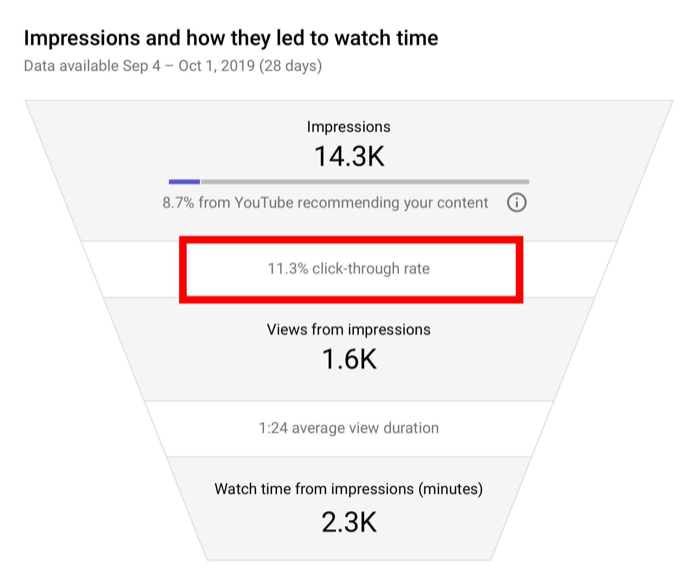
While CTR is a standalone metric, its true significance is best understood in conjunction with impressions and watch time. Impressions are the number of times your video’s thumbnail is displayed to viewers. A high CTR on a small number of impressions might mean your content is highly targeted but lacks broad appeal, or hasn’t had the chance to be shown widely. Conversely, a low CTR on many impressions suggests your content isn’t grabbing attention, despite being presented to a large audience.
Watch time, the cumulative duration viewers spend watching your video, is the ultimate measure of content quality. A high CTR brings viewers in, but sustained watch time keeps them engaged. Together, these metrics paint a holistic picture of your content’s performance: CTR gets the click, and watch time proves the value. For brands, this synergy is crucial; it means not only creating compelling calls to action (thumbnails/titles) but also delivering on the promise within the video itself to cultivate a loyal audience base.
Benchmarking Success: What Numbers Define a “Good” CTR?
Defining a “good” CTR on YouTube is nuanced, as benchmarks can vary significantly based on numerous factors. There isn’t a universal magic number, but understanding the general ranges and influential variables can help brands set realistic expectations and strategic goals.
General Industry Averages and Niche Variations
While YouTube itself suggests that a CTR between 2% and 10% is common, this range is broad. Many creators and marketing experts consider a CTR of 4-5% to be a respectable starting point for content with average discoverability. For videos that appear on the YouTube homepage or in suggested video feeds, a CTR of 7% to 10% is often considered excellent, indicating strong appeal and alignment with viewer interests.
However, these figures are highly sensitive to the specific niche and audience a brand targets. Educational content, tutorials, or highly specialized B2B videos might naturally have lower impression volumes but can still thrive with a CTR of 3-6%, as their audience is more actively searching for specific solutions. Conversely, entertainment, lifestyle, or viral challenge videos often aim for a higher CTR, sometimes exceeding 10-15%, given their broader appeal and competitive landscape. Brands must benchmark against competitors within their specific industry to gain meaningful insights.
The Impact of Video Type and Audience Sophistication
The nature of the video content itself directly influences CTR expectations. Highly branded, polished productions might aim for a higher CTR, leveraging strong visual appeal and professional messaging. News or topical videos often benefit from urgency and trending topics, potentially leading to immediate high CTRs that may decline over time.
Audience sophistication also plays a role. If a brand targets a highly informed or niche audience, their search behavior might be more precise, and their decision to click more deliberate. In such cases, a slightly lower but highly qualified CTR might be more valuable than a high CTR from a less engaged, general audience. Understanding your target demographic’s online behavior and content consumption habits is paramount to setting appropriate CTR goals for your brand.
Differentiating Between New Videos and Evergreen Content
CTR benchmarks also differ significantly between newly released videos and evergreen content. New videos, especially those promoted on the homepage or through notifications to subscribers, often experience an initial surge with higher CTRs (e.g., 8-15% or more in the first 24-48 hours). This is due to existing subscriber loyalty and YouTube’s initial push of fresh content.
As a video ages and shifts from algorithmic pushes to organic search results or related video suggestions, its CTR tends to stabilize. Evergreen content, which remains relevant over long periods, might settle into a consistent CTR of 3-7% over months or even years. For brands, distinguishing between these phases is crucial for accurate performance analysis and strategic planning. A “good” CTR for a brand-new video will likely be higher than for a video that has been live for six months and is primarily attracting viewers through search.
Crafting Compelling Visuals and Messaging for Enhanced CTR
At its core, improving CTR is about effective marketing and branding – making your content irresistible. This begins with mastering the art of the thumbnail and the science of the title, two elements that serve as your brand’s digital storefront.
The Art and Science of Thumbnail Design: A Brand’s First Impression
Your video thumbnail is arguably the most critical component influencing CTR. It’s the visual hook, the instant advertisement that must convey value and intrigue within milliseconds. For brands, effective thumbnail design integrates aesthetic appeal with strategic communication.
- Clarity and Readability: Thumbnails should be clear, uncluttered, and easily decipherable even at small sizes on mobile devices. Key elements or text should be prominent and legible.
- Emotion and Storytelling: A compelling thumbnail often evokes emotion or hints at a narrative. A human face, especially one displaying a strong emotion, tends to perform well. For brands, this means showcasing the human element behind your product or service, or the problem your content solves.
- Brand Consistency: Your brand’s visual identity – logos, color palettes, fonts – should be consistently applied to thumbnails. This reinforces brand recognition and builds trust over time, making your content instantly identifiable to loyal followers.
- A/B Testing: Don’t guess what works; test it. Experiment with different thumbnail designs, colors, text overlays, and imagery. YouTube Analytics allows for basic A/B testing insights, but dedicated tools can offer more robust data on which variants perform best for your brand.
Titles That Hook: Balancing SEO with Intrigue
While the thumbnail captures the eye, the title captures the mind. A strong title works in tandem with the thumbnail to provide context, pique curiosity, and set expectations.
- Keyword Integration: For discoverability, titles must include relevant keywords that your target audience is likely searching for. This is crucial for appearing in YouTube search results and for the algorithm to understand your video’s topic.
- Curiosity Gaps: Craft titles that create a “curiosity gap”—revealing just enough information to spark interest, but not so much that viewers feel they’ve already gotten the answer. Phrases like “The Secret to…”, “Why You’re Wrong About…”, or “Ultimate Guide to…” are common examples.
- Value Proposition: Clearly communicate the benefit or value viewers will gain from watching your video. Is it a solution to a problem, entertainment, education, or inspiration? For brands, this often means highlighting what your product or service helps achieve.
- Conciseness and Impact: YouTube truncates long titles, especially on mobile. Aim for titles that are impactful within the first 60 characters, while still providing enough detail for search engines.
Leveraging Brand Identity to Stand Out in the Feed
Beyond individual elements, the strategic application of your overall brand identity across thumbnails and titles is what truly elevates CTR. A strong brand identity creates a recognizable visual and verbal shorthand for your audience. When viewers scroll through their feed, your consistent branding acts as a familiar beacon, making it easier for them to identify and click on your content, even if the specific topic is new to them. This loyalty-driven click is invaluable and built through consistent, high-quality content that upholds your brand’s promise.
CTR as a Barometer of Brand Engagement and Strategy
CTR is more than a metric of initial engagement; it’s a powerful diagnostic tool that offers deep insights into your brand’s resonance with its audience and the effectiveness of your content strategy.
Interpreting Low vs. High CTR: What Does Your Audience Tell You?
A low CTR (e.g., consistently below 3-4% for well-established channels) on a video that generates many impressions suggests a disconnect. It could mean your thumbnail or title isn’t accurately representing the video’s content, your branding isn’t compelling enough, or your content topic isn’t resonating with the audience it’s being shown to. For brands, this is a signal to re-evaluate your visual messaging, keyword strategy, or even your target audience segmentation.
Conversely, a consistently high CTR indicates strong alignment between your content offering and audience interest. It suggests your brand is effectively communicating value and piquing curiosity. This allows brands to double down on successful formats, topics, and visual styles, reinforcing a winning strategy. Analyzing which types of videos (e.g., tutorials, reviews, vlogs) yield the highest CTR can inform future content decisions and solidify your brand’s niche.
The Relationship Between CTR and Subscriber Growth
While CTR directly impacts individual video performance, its long-term effect on subscriber growth is profound. Videos with high CTR are pushed by the algorithm, leading to more views. When these views translate into high watch time, YouTube identifies them as valuable content. This creates a virtuous cycle: increased visibility leads to more potential subscribers, and more subscribers often lead to an initial boost in CTR for new videos due to built-in audience loyalty.
For brands, subscriber growth isn’t just a vanity metric; it represents a growing base of engaged individuals who are more likely to consume future content, engage with your brand beyond YouTube, and potentially convert into customers. A robust CTR strategy is thus an integral part of a sustainable brand growth strategy on the platform.
Adapting Brand Strategy Based on CTR Insights
The insights derived from CTR data should directly inform and adapt your brand’s broader content strategy. If specific visual elements in your thumbnails consistently lead to higher CTRs, these should be integrated into your brand’s visual guidelines for YouTube. If certain keywords or phrasing in titles consistently outperform others, this should influence your SEO and content planning.
Brands can use CTR data to understand:
- Which types of calls to action are most effective.
- Which visual styles are most appealing to their target demographic.
- Whether their content topics are truly aligning with audience demand.
- How their brand messaging is perceived by potential viewers.
This iterative process of analysis and adaptation ensures your brand remains agile and responsive to audience feedback, continually refining its online presence for maximum impact.
Sustaining High CTR: A Continuous Branding Endeavor
Achieving a good CTR is not a one-time fix but an ongoing commitment to understanding your audience and refining your brand’s presentation. It requires continuous experimentation and a willingness to adapt.
A/B Testing as a Pillar of Brand Optimization
A/B testing (or split testing) is indispensable for optimizing CTR. This involves creating two or more variations of a thumbnail or title for the same video and testing them against different segments of your audience to see which performs better. YouTube’s native analytics can provide some insights, but third-party tools can offer more robust A/B testing capabilities.
For brands, A/B testing should be a systematic part of content creation. Test different color schemes, text placements, emotional expressions, and keyword variations. Over time, this data will build a comprehensive understanding of what resonates most powerfully with your target audience, informing future content decisions and strengthening your brand’s visual and verbal communication strategy.
Evolving Your Visual and Verbal Brand Language
Audience preferences and platform trends evolve. What worked well for CTR a year ago might not be as effective today. Brands must be prepared to evolve their visual and verbal brand language on YouTube to stay fresh, relevant, and engaging. This doesn’t mean abandoning core brand identity but rather finding new, compelling ways to express it.
Regularly review competitor strategies, analyze trending content, and pay attention to broader design and communication shifts online. Are bolder colors performing better? Are direct, declarative titles outperforming enigmatic ones? Incorporate these insights while staying true to your brand’s core values and aesthetic.
The Long-Term Impact of Consistent High CTR on Brand Authority
A brand that consistently achieves a high CTR on YouTube is one that has mastered the art of initial engagement. This consistency not only drives more views and subscribers but also builds significant brand authority and trust. When viewers consistently choose your content from a sea of options, it reinforces your brand’s position as a reliable, valuable, and compelling source of information or entertainment within your niche.
This cumulative effect strengthens your overall brand equity, making it easier to launch new products, expand into new content formats, and forge deeper connections with your audience. Ultimately, a “good” CTR on YouTube isn’t just about the percentage; it’s about the sustained growth, influence, and loyalty it cultivates for your brand over the long haul.
aViewFromTheCave is a participant in the Amazon Services LLC Associates Program, an affiliate advertising program designed to provide a means for sites to earn advertising fees by advertising and linking to Amazon.com. Amazon, the Amazon logo, AmazonSupply, and the AmazonSupply logo are trademarks of Amazon.com, Inc. or its affiliates. As an Amazon Associate we earn affiliate commissions from qualifying purchases.