
The title “Doctor of Divinity” (DD) often conjures images of esteemed religious scholars, venerable theologians, or spiritual leaders with a lifetime of dedication to their faith. While inherently rooted in religious and academic tradition, the contemporary significance of a Doctor of Divinity extends far beyond mere academic achievement. In an increasingly interconnected and perception-driven world, this esteemed title carries substantial weight in personal and institutional branding, shaping credibility, authority, and public image. Understanding the nature and implications of a Doctor of Divinity is crucial for anyone seeking to comprehend its role in reinforcing a brand narrative, whether for an individual or an organization.
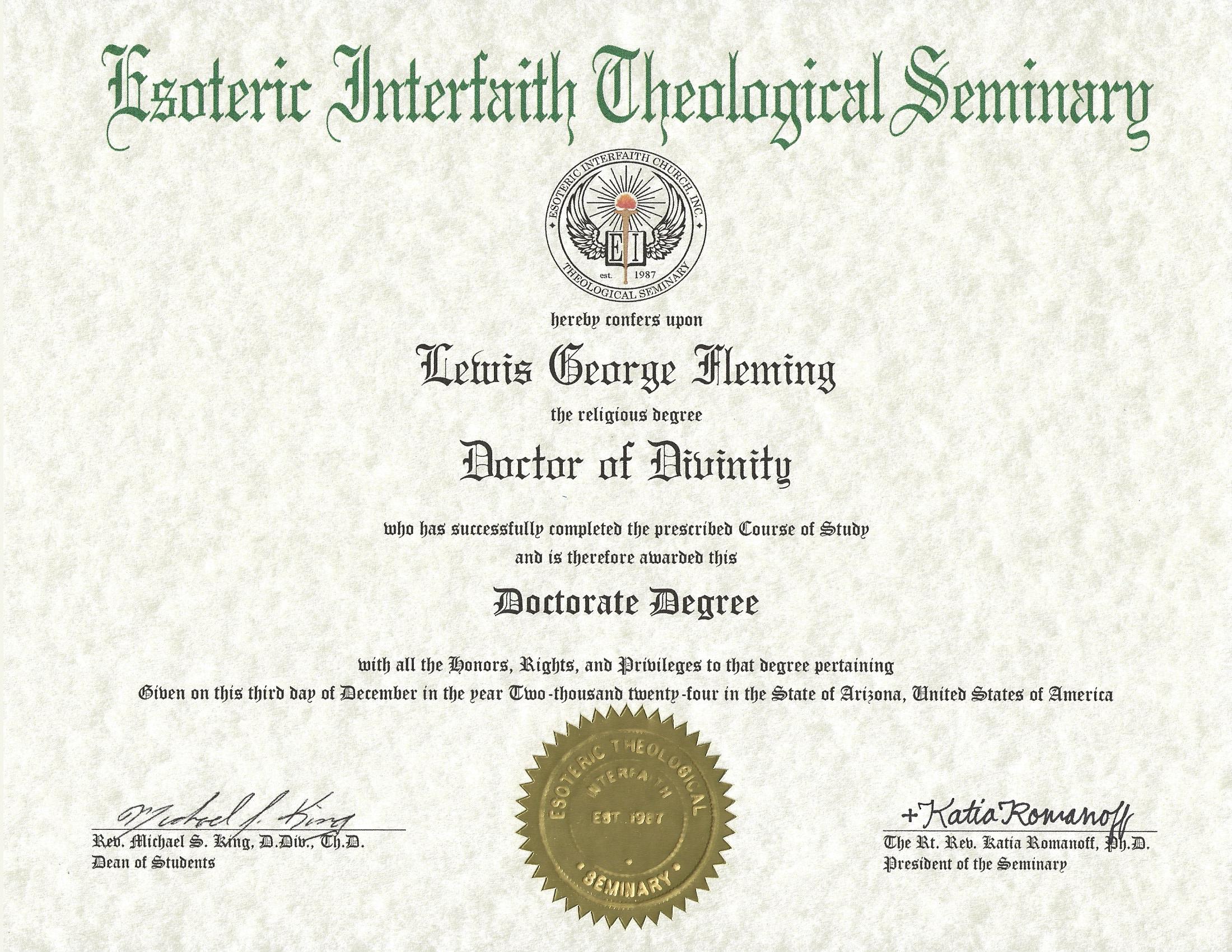
Beyond Academia: The Symbolic Power of a Doctor of Divinity
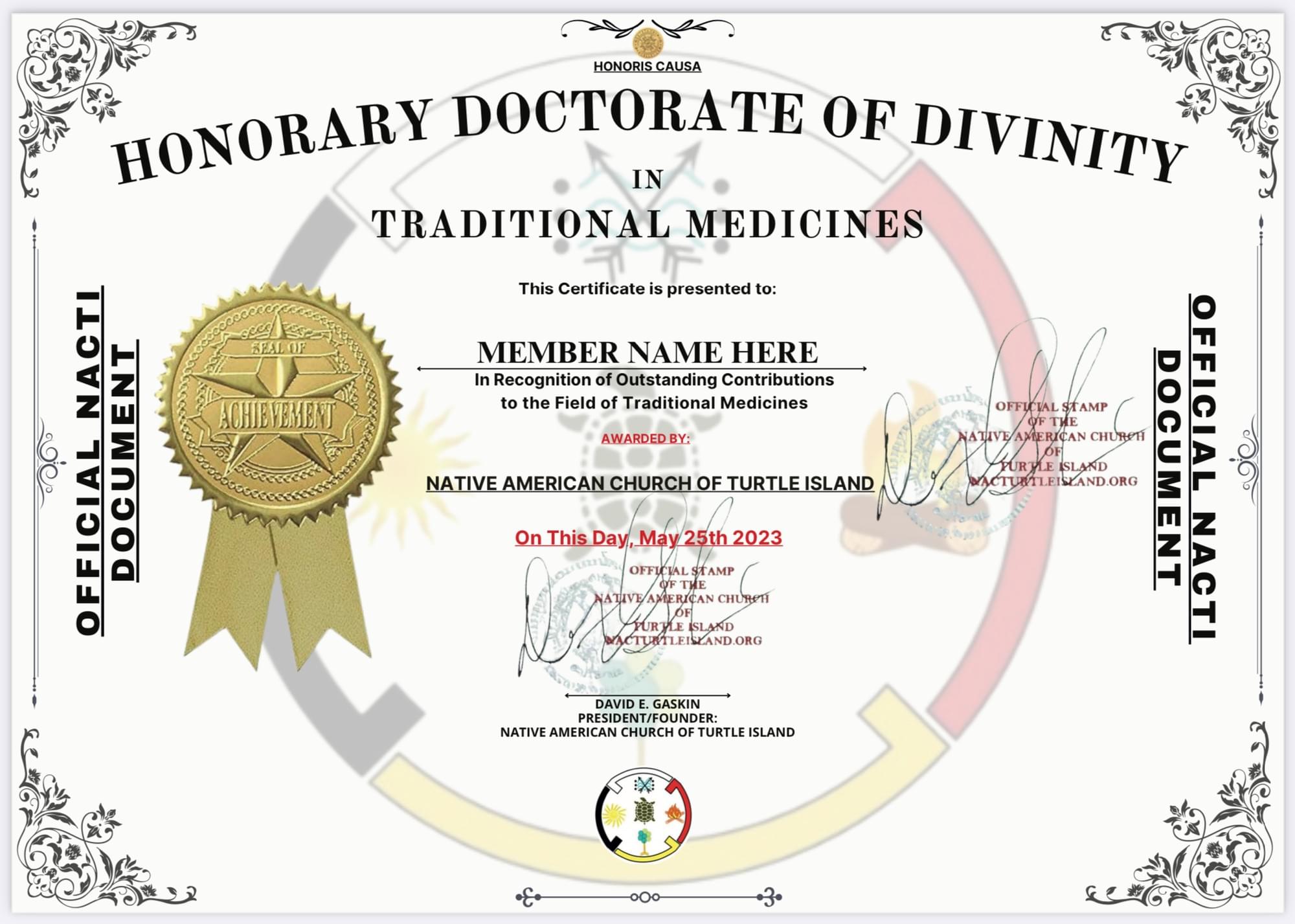
At its core, a Doctor of Divinity is an academic degree awarded by theological seminaries, universities, or religious institutions. Traditionally, it signifies advanced study in theology, religious history, biblical studies, or pastoral leadership, often culminating in significant research or a substantial body of theological work. However, unlike many earned doctoral degrees that require extensive dissertation defense, the Doctor of Divinity is frequently awarded honoris causa – as an honorary degree. In this capacity, it recognizes an individual’s outstanding contributions to theology, exceptional service to their faith community, or profound impact on society through their spiritual leadership and moral influence.
The distinction between an earned DD and an honorary DD is critical for nuanced branding. An earned DD speaks to rigorous academic discipline and intellectual prowess within a specific theological domain. An honorary DD, conversely, highlights exceptional achievement, leadership, and public recognition, effectively serving as a public endorsement of an individual’s character and contribution. Both, however, carry a powerful symbolic weight that transcends the academic transcript, becoming a potent element of one’s personal brand. They signal a profound connection to spiritual wisdom, ethical leadership, and a deep understanding of humanistic values, attributes highly valued in various public and private spheres.
Personal Branding and the DD: Elevating Credibility and Authority
For an individual, the acquisition of a Doctor of Divinity, particularly an honorary one, can be a transformative element of their personal brand strategy. It’s not merely an addition to a resume; it’s an affirmation that can significantly enhance perceived credibility and authority.
Establishing Expertise and Trust
In any field, expertise is a cornerstone of trust. For individuals operating within religious, ethical, or even broader community leadership roles, a Doctor of Divinity acts as a powerful signifier of profound expertise. It communicates a deep intellectual and spiritual foundation, suggesting years of study, reflection, or practical experience in matters of faith, morality, and human behavior. This perceived expertise isn’t just academic; it often translates into an aura of wisdom and trustworthiness. When a leader, speaker, or consultant introduces themselves with “Dr. [Name],” particularly in contexts related to values, ethics, or social good, the title immediately frames them as an authority whose insights are informed by a higher understanding. This significantly shortens the path to establishing trust with an audience, as the title itself pre-validates their standing.
Enhancing Public Profile and Influence
Beyond mere credibility, a DD can dramatically enhance an individual’s public profile and sphere of influence. For those engaged in public speaking, writing, advocacy, or media appearances, the title “Doctor of Divinity” provides an instant boost to their gravitas. It elevates their status from a knowledgeable individual to a recognized thought leader. This elevation can open doors to more prominent speaking engagements, publishing opportunities, and media interviews, where their insights are sought not just for their opinion, but for their authoritative perspective. For spiritual leaders, it consolidates their position within their denomination and broader interfaith communities, positioning them as a voice of experience and wisdom. In effect, the DD becomes a shorthand for a distinguished career, a powerful brand asset that communicates stature and profound influence without requiring extensive backstory.
Institutional Branding: Reflecting Values and Prestige
The impact of a Doctor of Divinity is not solely confined to the individual recipient; it also plays a crucial role in the branding and prestige of the institutions involved – both the awarding body and, by extension, any organization the recipient represents.
Legacy and Recognition for Awarding Institutions
For universities, seminaries, and other religious bodies, awarding a Doctor of Divinity is a significant branding exercise. When institutions bestow this honor upon distinguished individuals, they are not just recognizing excellence; they are also strategically associating their name with that excellence. The reputation of the recipient reflects back onto the awarding body, enhancing its own brand legacy and prestige. If a renowned humanitarian, a globally recognized spiritual leader, or a celebrated ethicist accepts an honorary DD from a particular institution, it signals that the institution itself is aligned with such high standards and values. This act becomes part of the institution’s historical narrative, attracting future students, faculty, and donors who seek association with a respected and influential brand.
Attracting Talent and Support
The strategic use of the Doctor of Divinity in institutional branding also extends to attracting talent and garnering support. A university known for awarding honorary degrees to individuals of significant spiritual or ethical influence implicitly communicates its own values and areas of focus. This can be highly attractive to prospective students who aspire to similar paths or faculty members seeking an environment aligned with their academic and ethical pursuits. Furthermore, for faith-based organizations or non-profits, having a “Dr. of Divinity” on their board or leadership team lends considerable weight to their mission. It demonstrates a commitment to deep-seated values, intellectual rigor, and spiritual guidance, which can be compelling for philanthropists, community partners, and volunteers who seek to align themselves with reputable and authoritative causes. The title acts as a brand endorsement, signifying depth, moral authority, and an established presence within the religious and ethical landscape.
Strategic Implications: Marketing and Perception
In the realm of brand strategy, understanding how a Doctor of Divinity is perceived and effectively marketed is paramount. It’s about leveraging the title to craft a compelling narrative that resonates with target audiences.
Crafting a Narrative
The Doctor of Divinity title provides a powerful anchor for crafting a compelling personal or organizational narrative. For an individual, it allows for a narrative that emphasizes wisdom, spiritual insight, ethical leadership, and a lifetime of dedication. This narrative can be woven into biographies, public introductions, website content, and social media profiles. Instead of simply listing achievements, the DD allows for a story of impact and purpose, positioning the individual as a venerable guide. For an institution, the narrative can focus on its commitment to nurturing spiritual and ethical leaders, its historical significance, and its role in shaping influential figures. This narrative differentiates it from competitors and strengthens its appeal to specific demographics. The title serves as a consistent thread, reinforcing the core brand message across all communication channels.

Navigating Public Perception
However, the strategic use of a Doctor of Divinity also requires careful navigation of public perception. While generally associated with positive attributes, the context and nature of the award (earned vs. honorary) can influence how it is received. Transparency about the type of degree is often crucial to maintain authenticity and avoid any perception of misrepresentation. In some secular contexts, over-emphasizing a religious title might not always align with a brand seeking broader appeal. Conversely, within faith communities or ethically-driven organizations, the title can be an indispensable asset, signifying authentic commitment and profound understanding. A savvy brand strategy recognizes these nuances, tailoring the emphasis and presentation of the DD to resonate most effectively with specific audience segments while maintaining overall brand integrity. Ultimately, the Doctor of Divinity, when strategically understood and leveraged, is a potent tool in the brand-builder’s arsenal, conferring gravitas, authority, and an enduring sense of purpose.
aViewFromTheCave is a participant in the Amazon Services LLC Associates Program, an affiliate advertising program designed to provide a means for sites to earn advertising fees by advertising and linking to Amazon.com. Amazon, the Amazon logo, AmazonSupply, and the AmazonSupply logo are trademarks of Amazon.com, Inc. or its affiliates. As an Amazon Associate we earn affiliate commissions from qualifying purchases.