
The Financial Labyrinth of a Complex Meniscus Tear: Beyond the Diagnosis
When an individual receives a diagnosis of a complex meniscus tear, the immediate concerns often revolve around pain, mobility, and the road to physical recovery. However, beneath the surface of medical terminology lies a significant financial labyrinth that can impact personal and household budgets profoundly. Understanding “what is a complex meniscus tear” from a financial standpoint involves dissecting the multi-layered costs associated with its diagnosis, treatment, and long-term management. These expenses can range from immediate out-of-pocket costs for consultations and imaging to ongoing rehabilitation fees and potential income disruptions. For many, navigating this financial landscape without proper preparation can add a considerable burden to an already stressful situation.
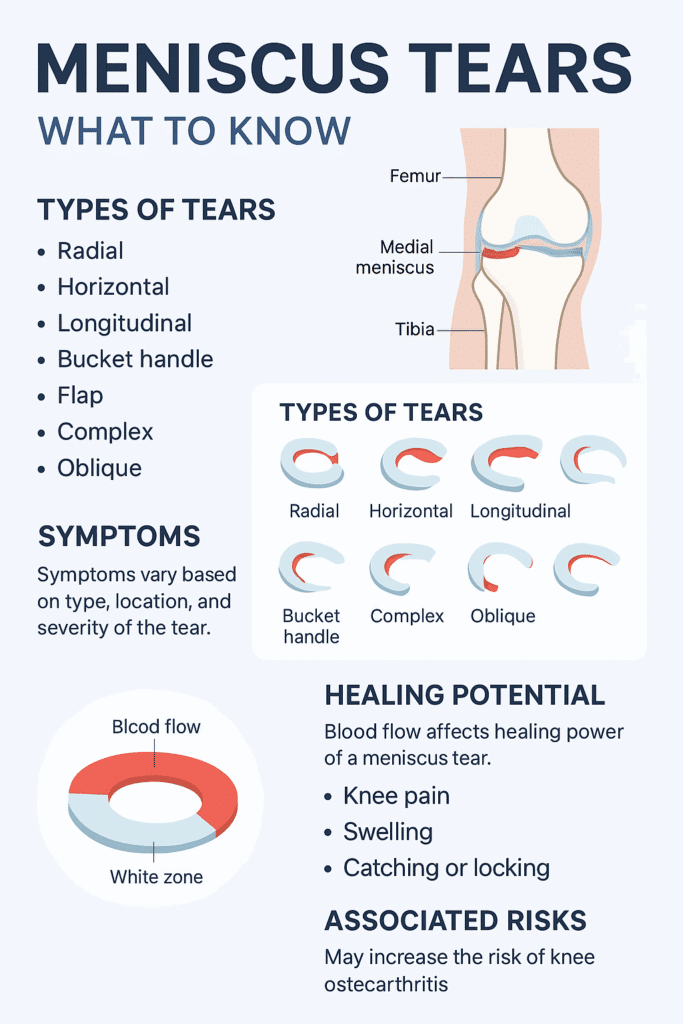
Initial Diagnostic Costs: The First Financial Hurdles
The journey to understanding a complex meniscus tear begins with accurate diagnosis, a process that carries its own set of financial implications. Patients will typically first consult with a primary care physician, followed by an orthopedic specialist. Each visit incurs co-pays or deductibles, depending on insurance plans.
- Imaging Expenses: The most critical diagnostic tool for a meniscus tear is often an MRI (Magnetic Resonance Imaging). MRIs are non-invasive but can be costly, with prices varying widely from a few hundred dollars to several thousand, depending on the facility, geographical location, and insurance coverage. High-deductible health plans might leave patients responsible for a substantial portion of this expense upfront. X-rays, while less effective for soft tissue, may also be part of the initial assessment, adding to the diagnostic bill.
- Specialist Consultations: Seeing an orthopedic surgeon or sports medicine specialist involves additional consultation fees. These specialists provide expert opinions, discuss treatment options, and schedule necessary procedures, each step adding to the cumulative financial burden. Without adequate insurance, these initial assessments can quickly deplete an emergency fund.
Treatment Pathways and Their Price Tags
Once a complex meniscus tear is diagnosed, the treatment plan, whether conservative or surgical, dictates the subsequent financial trajectory. Complex tears often lean towards surgical intervention due to their nature, meaning higher costs are generally anticipated.
- Surgical Intervention Costs: For many complex tears, arthroscopic surgery is the recommended course. The cost of surgery is multifaceted, encompassing:
- Surgeon’s Fees: These are professional fees for the surgeon performing the procedure.
- Anesthesiologist’s Fees: The cost for the anesthesia administered during surgery.
- Facility Fees: Charges from the hospital or outpatient surgical center for the use of their operating room, equipment, and staff.
- Implant/Supply Costs: Depending on the specific procedure (e.g., meniscus repair), there might be costs associated with surgical implants or specialized equipment.
- Post-Operative Medications: Pain relievers, anti-inflammatories, and other necessary drugs to manage post-surgical discomfort and prevent complications.
These combined expenses can easily run into the tens of thousands of dollars, making insurance coverage absolutely critical.
- Conservative Management Expenses: While less likely for truly “complex” tears, if conservative management is attempted, it still involves costs. These include repeated specialist visits, bracing (which can range from simple sleeves to custom-fitted immobilizers costing hundreds), and initial physical therapy sessions before a potential surgical decision.
Rehabilitation: An Ongoing Investment
Post-treatment, especially post-surgery, rehabilitation is a crucial phase, and it represents a significant ongoing financial investment. This stage is vital for restoring strength, flexibility, and function, preventing future complications, and ensuring a successful return to daily activities.
- Physical Therapy Sessions: Patients typically require weeks to months of physical therapy. Each session incurs a co-pay or a percentage of the cost, which accumulates quickly. A typical course might involve 2-3 sessions per week for several months, easily leading to dozens of sessions.
- Specialized Equipment: Patients may need to purchase crutches, knee braces, ice machines, or home exercise equipment. While some items might be covered by insurance, many are out-of-pocket expenses.
- Follow-up Appointments: Regular check-ups with the orthopedic surgeon are necessary to monitor progress. These visits carry their own co-pays and can include additional imaging if concerns arise, restarting aspects of the diagnostic cost cycle.
Navigating the Insurance Maze: Maximizing Coverage and Minimizing Outlays
Effectively managing the financial impact of a complex meniscus tear requires a thorough understanding of one’s health insurance policy. The complexities of deductibles, co-pays, and out-of-pocket maximums can be daunting, but clarity on these terms is essential for minimizing personal financial exposure. Proactive engagement with insurance providers is key to unlocking the full potential of coverage.
Understanding Your Policy: Deductibles, Co-pays, and Out-of-Pocket Maximums
Before any major medical event, it’s prudent to review your health insurance policy’s details. For a complex meniscus tear, understanding these specific terms is paramount:
- Deductible: This is the amount you must pay out of pocket before your insurance company begins to pay for covered medical expenses. For a significant event like a meniscus tear, if your deductible is high (common in many modern plans), you could be responsible for several thousand dollars before your insurance kicks in.
- Co-pay: A fixed amount you pay for a covered health service after you’ve paid your deductible. This applies to doctor visits, specialist consultations, and often physical therapy sessions.
- Co-insurance: Once your deductible is met, co-insurance is the percentage of the cost of a covered health service you’re responsible for. For example, if your plan has an 80/20 co-insurance, your insurance pays 80%, and you pay 20%.
- Out-of-Pocket Maximum (OOPM): This is the most you’ll have to pay for covered health services in a plan year. Once you reach this limit, your health plan pays 100% of the cost of covered benefits. Knowing your OOPM provides a ceiling for your potential financial liability in a single year, which is crucial for major surgeries.
In-Network vs. Out-of-Network: The Cost Divide
The choice of healthcare providers can dramatically affect your costs. Insurance companies negotiate discounted rates with “in-network” providers.
- In-Network Benefits: Using in-network doctors, hospitals, and surgical centers ensures you benefit from these negotiated rates, leading to lower co-pays, co-insurance, and counts towards your in-network deductible and OOPM.
- Out-of-Network Penalties: Opting for out-of-network providers can result in significantly higher costs. Your insurance might cover a smaller percentage, or you might be responsible for the difference between the provider’s charge and what your insurance deems a “reasonable and customary” charge (balance billing). This difference often does not count towards your in-network OOPM, leaving you with potentially unlimited financial exposure. Always verify the network status of all providers involved in your care—surgeon, anesthesiologist, facility, and physical therapists.
Appeals and Advocacy: Challenging Denials
Occasionally, insurance companies may deny coverage for certain aspects of treatment or rehabilitation, citing lack of medical necessity or other reasons.
- Understanding Denial Reasons: It’s important to understand why a claim was denied. Common reasons include missing information, pre-authorization issues, or services deemed experimental.
- The Appeals Process: Most insurance plans have an internal appeals process. Patients have the right to appeal a denial, often with the help of their healthcare provider’s billing department. A well-documented appeal, often including a letter of medical necessity from the treating physician, can overturn initial denials and save considerable money.
- External Review: If internal appeals fail, an external review by an independent organization may be an option, offering another layer of advocacy.
Income Interruption and the Hidden Economic Burden
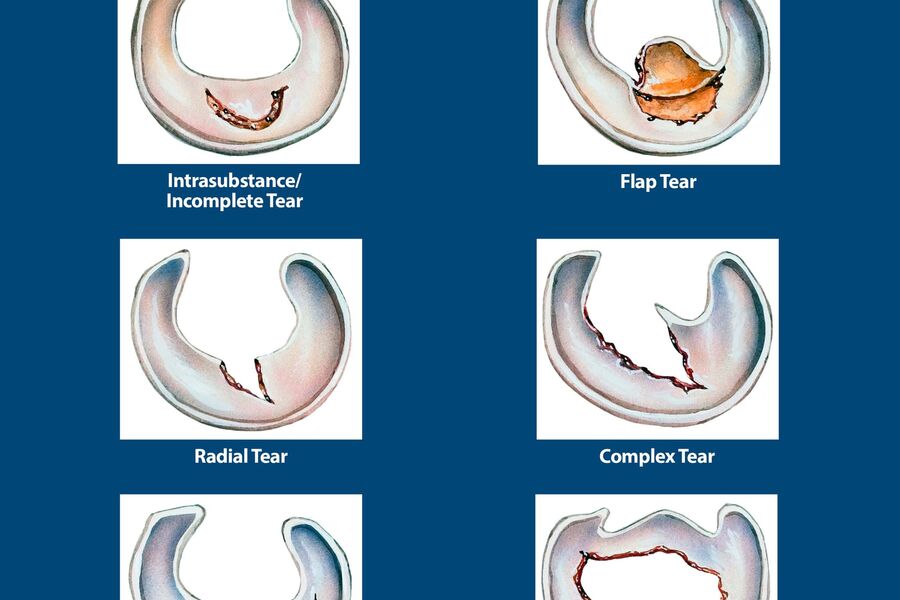
Beyond the direct medical costs, a complex meniscus tear can impose a significant “hidden economic burden” through income interruption and reduced productivity. The physical limitations imposed by the injury and subsequent recovery often necessitate time away from work, impacting an individual’s earning capacity and household stability. Understanding these potential financial setbacks is as important as managing medical bills.
Lost Wages and Productivity: The Ripple Effect
The recovery period for a complex meniscus tear, particularly after surgery, can range from several weeks to several months. This period often requires patients to take time off work, leading to lost income.
- Hourly vs. Salaried Employees: Hourly workers directly lose wages for every hour not worked. Salaried employees might use sick leave or vacation time, which can deplete their reserves and impact future flexibility.
- Small Business Owners/Self-Employed: For entrepreneurs or self-employed individuals, a complex meniscus tear can be particularly devastating. Time away means lost client work, project delays, and potentially a significant dip in business revenue with no employer-provided benefits to fall back on. This can severely impact business cash flow and personal income simultaneously.
- Reduced Productivity: Even upon returning to work, residual pain, limited mobility, or ongoing physical therapy appointments can reduce overall productivity, impacting performance reviews or opportunities for advancement.
Short-Term and Long-Term Disability Insurance: Financial Safety Nets
To mitigate the impact of lost wages, disability insurance can serve as a vital financial safety net.
- Short-Term Disability (STD): Many employers offer STD benefits, or individuals can purchase private policies. STD typically replaces a percentage of your income (e.g., 50-70%) for a limited period, usually up to six months. This is invaluable for the immediate recovery period following surgery for a complex meniscus tear.
- Long-Term Disability (LTD): If recovery is protracted or leads to long-term limitations, LTD insurance can provide income replacement for an extended period, potentially until retirement age. While complex meniscus tears rarely lead to permanent severe disability, the option provides peace of mind for unexpected complications.
- Workers’ Compensation: If the meniscus tear occurred due to a workplace accident or injury, workers’ compensation insurance might cover medical expenses and a portion of lost wages. Understanding eligibility and filing procedures is crucial in such cases.
Re-evaluating Financial Priorities During Recovery
A significant medical event often necessitates a temporary re-evaluation of financial priorities and budgeting.
- Budget Adjustments: Households may need to cut discretionary spending (e.g., dining out, entertainment, non-essential purchases) to cover increased medical expenses and compensate for reduced income.
- Temporary Lifestyle Changes: Daily activities might require paid assistance (e.g., house cleaning, grocery delivery), adding to expenses. Transportation costs might increase if driving is restricted and ride-sharing services are needed for appointments.
- Emergency Fund Utilization: This is precisely what an emergency fund is for. Having 3-6 months of living expenses saved can be the buffer that prevents financial disaster during an unforeseen medical crisis.
Proactive Financial Strategies for Unexpected Health Crises
While it’s impossible to predict when a complex meniscus tear or other serious health event might occur, individuals can adopt proactive financial strategies to cushion the blow. Integrating these practices into personal finance planning ensures greater resilience and peace of mind when facing unexpected medical costs and income disruptions.
Building an Emergency Fund: Your First Line of Defense
An emergency fund is paramount for navigating health crises without incurring debt. This fund should ideally hold three to six months’ worth of essential living expenses in a readily accessible, liquid savings account. For a complex meniscus tear, this fund can cover deductibles, co-pays, unanticipated out-of-pocket costs, and bridge gaps in income during recovery. Without an emergency fund, individuals may be forced to rely on credit cards or deplete retirement savings, leading to long-term financial repercussions.
Health Savings Accounts (HSAs) and Flexible Spending Accounts (FSAs): Tax-Advantaged Savings
These accounts offer powerful tax advantages for saving and paying for healthcare expenses.
- Health Savings Accounts (HSAs): Available to those enrolled in high-deductible health plans (HDHPs), HSAs offer a triple tax advantage: contributions are tax-deductible, earnings grow tax-free, and withdrawals for qualified medical expenses are tax-free. Funds roll over year to year, making them excellent long-term savings vehicles for healthcare costs, including those associated with a complex meniscus tear. They can cover deductibles, co-pays, and even certain medical equipment.
- Flexible Spending Accounts (FSAs): Offered by many employers, FSAs allow you to set aside pre-tax money from your paycheck to pay for qualified medical expenses. While most FSAs have a “use-it-or-lose-it” rule by year-end (though some allow limited rollovers), they can be highly effective for anticipated medical costs within a single year, such as planned surgery or extensive physical therapy sessions for a meniscus tear.
Reviewing and Optimizing Your Health Insurance Annually
Health insurance is not a “set it and forget it” aspect of financial planning. Plans change, and individual needs evolve.
- Annual Open Enrollment: Use the annual open enrollment period to critically assess your current health insurance policy. Evaluate your deductible, co-insurance, out-of-pocket maximum, and provider network.
- Anticipate Needs: If you have an active lifestyle or known pre-existing conditions that might lead to orthopedic issues, consider plans with lower deductibles or more comprehensive specialist coverage, even if they have higher monthly premiums. The potential savings on a major surgery like a complex meniscus tear repair could far outweigh the increased premium.
- Check Provider Networks: Ensure your preferred specialists, hospitals, and physical therapy centers are in-network to avoid unexpected out-of-network charges.
The Value of a Financial Advisor: Expert Guidance for Health Crises
Navigating the financial aftermath of a major health event like a complex meniscus tear can be overwhelming. A qualified financial advisor can provide invaluable assistance:
- Budgeting and Cash Flow Management: Help adjust your budget to accommodate medical expenses and potential income shortfalls.
- Insurance Review: Assist in understanding your current health, disability, and even life insurance policies, making recommendations for optimal coverage.
- Debt Management: Offer strategies for managing medical debt if it arises, exploring options like payment plans or medical bill advocacy.
- Long-Term Planning: Integrate the impact of current medical costs into your broader financial goals, such as retirement planning and investment strategies.
By proactively adopting these financial strategies, individuals can build a robust defense against the significant economic challenges posed by a complex meniscus tear, transforming a potentially devastating event into a manageable one.
aViewFromTheCave is a participant in the Amazon Services LLC Associates Program, an affiliate advertising program designed to provide a means for sites to earn advertising fees by advertising and linking to Amazon.com. Amazon, the Amazon logo, AmazonSupply, and the AmazonSupply logo are trademarks of Amazon.com, Inc. or its affiliates. As an Amazon Associate we earn affiliate commissions from qualifying purchases.