
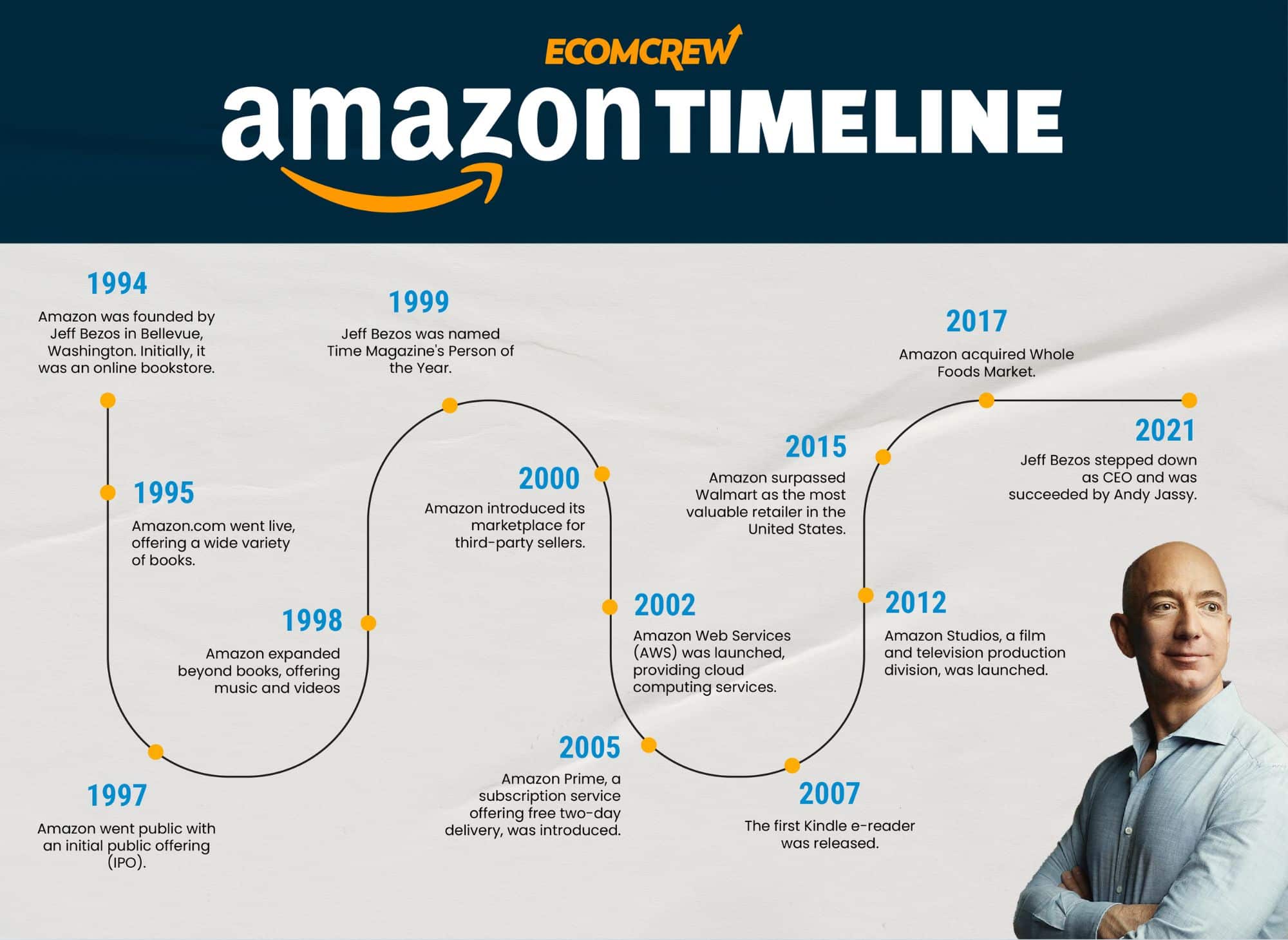
The question “when was Amazon created” typically prompts a simple chronological answer: July 5, 1994. However, for brand strategists and corporate historians, that date marks more than the incorporation of a company; it marks the inception of one of the most sophisticated brand transformations in modern history. What started as a niche online bookstore in a garage in Bellevue, Washington, has evolved into a ubiquitous “everything store” and a global infrastructure powerhouse.
To understand the Amazon brand is to understand the art of strategic pivot, the psychology of consumer trust, and the relentless pursuit of a singular corporate identity.
1. The Genesis of Identity: From Cadabra to the Amazon River
The origin of the Amazon brand is rooted in a fundamental lesson of corporate identity: names carry weight. When Jeff Bezos first incorporated the company, he didn’t call it Amazon. He called it “Cadabra,” as in “abracadabra.”
The Importance of Brand Phonetics
The shift from Cadabra to Amazon happened quickly after a lawyer misheard the name as “cadaver.” This highlights a critical pillar of brand strategy: clarity and resonance. Bezos realized that a brand name must be easy to understand, difficult to misinterpret, and evocative of the company’s vision.
Symbolism and Scale
Bezos chose the name “Amazon” for two strategic reasons. First, the Amazon is the largest river in the world, which aligned with his vision of building the world’s largest bookstore. Second, in the early days of the internet, website listings were often alphabetical. Starting with “A” ensured that the brand would appear at the top of search directories. This early foresight into “discoverability” remains a core component of Amazon’s brand DNA today.
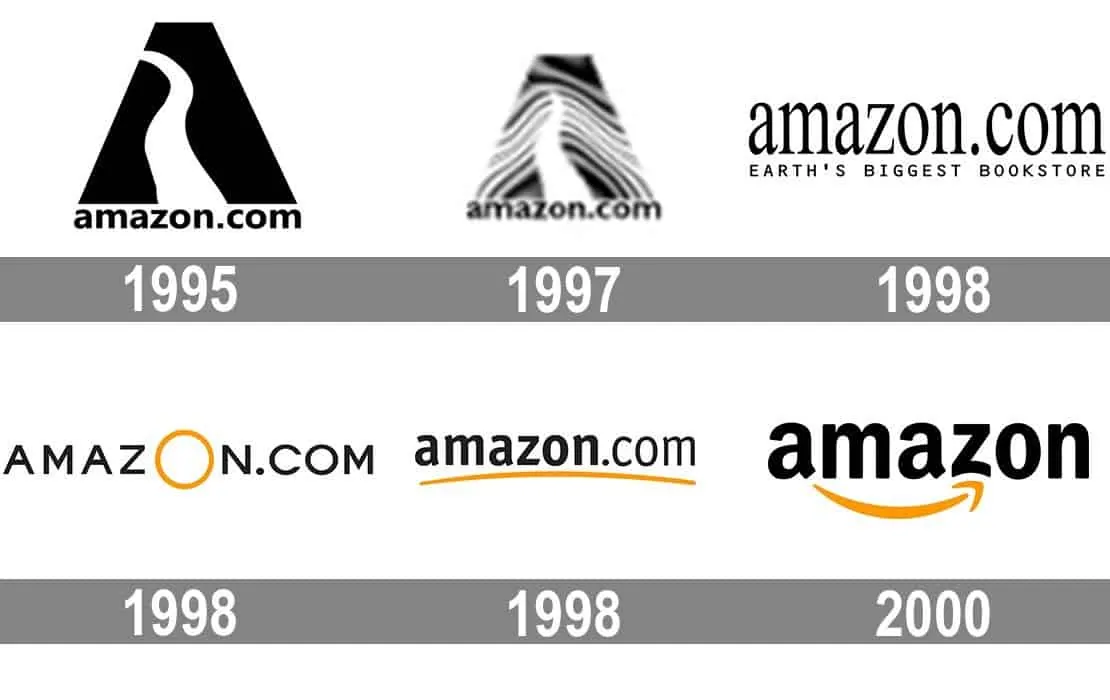
The “Earth’s Biggest Bookstore” Era
From 1994 to roughly 1998, the Amazon brand was synonymous with books. The brand promise was simple: selection and convenience. By focusing on a single vertical, they built the foundational trust required for customers to enter their credit card information into a website—a radical act in the mid-90s.
2. Designing the “Smile”: The Visual Evolution of a Brand
A brand’s visual identity is the shorthand for its promise to the consumer. As Amazon expanded beyond books, its visual markers had to evolve to represent a broader mission.
The A-to-Z Philosophy
The most iconic element of Amazon’s branding is the “smile” logo, introduced in 2000. Designed by Turner Duckworth, the logo features an arrow that doubles as a smile, pointing from the letter “A” to the letter “Z.” This was not a mere aesthetic choice; it was a strategic declaration of the brand’s intent to sell everything to everyone, with a focus on customer satisfaction (the smile).
Consistency Across Touchpoints
The Amazon brand thrives on consistency. Whether it is the brown cardboard box at your doorstep or the “1-Click” button on the mobile app, the brand reinforces its identity through ease of use. The “frustration-free packaging” initiative is a prime example of how brand strategy extends into logistics, ensuring that the physical interaction with the brand is as seamless as the digital one.
The Psychological Impact of the Smile
In branding, the smile is a universal symbol of positivity. By embedding this into the logo, Amazon shifted its perception from a cold, tech-driven utility to a customer-centric service provider. This visual shift was instrumental in helping the company survive the dot-com bubble burst, as it had established a relatable human connection with its user base.
3. The Ecosystem Brand: Sub-Branding and Market Dominance

One of the most complex challenges in brand strategy is maintaining a cohesive identity while diversifying into radically different industries. Amazon has mastered the “House of Brands” versus “Branded House” tension.
Amazon Prime: The Ultimate Loyalty Brand
Launched in 2005, Amazon Prime is perhaps the most successful brand extension in history. It transformed the brand from a retail destination into a lifestyle membership. Prime isn’t just about shipping; it’s a psychological “moat” that keeps consumers within the Amazon ecosystem. By branding it “Prime,” the company signaled a premium, priority experience that redefined consumer expectations for the entire retail industry.
Amazon Web Services (AWS) and B2B Identity
When Amazon created AWS in 2006, it faced a branding hurdle: how could a retail company be taken seriously as a cloud infrastructure provider? The strategy was to lean into the brand’s reputation for operational excellence and scale. AWS was branded as the “engine” that powered the internet, effectively creating a sub-brand that carries its own prestige in the tech world while still benefiting from the parent company’s reliability.
The Role of Devices: Kindle, Echo, and Alexa
The introduction of the Kindle in 2007 and the Echo/Alexa in 2014 allowed the Amazon brand to enter the most intimate spaces of a consumer’s life: their nightstands and their kitchens. These devices aren’t just hardware; they are brand ambassadors. Alexa, in particular, represents a move toward “invisible branding,” where the brand is experienced through voice and AI rather than visual logos.
4. The “Day 1” Philosophy: Cultivating an Internal Brand Culture
A brand is not just what customers see; it is what employees believe. Since the company was created in 1994, Jeff Bezos famously maintained a “Day 1” philosophy.
The 14 Leadership Principles
Amazon’s corporate identity is governed by 14 (now 16) Leadership Principles. These are not just posters on a wall; they are the framework for every decision made within the company. Principles like “Customer Obsession,” “Ownership,” and “Bias for Action” ensure that the brand remains agile and avoids the “Day 2” stagnation that often plagues legacy corporations.
Brand Resilience and Crisis Management
Large-scale brands inevitably face scrutiny. Amazon’s brand strategy in the face of criticism—whether regarding labor practices or market dominance—has been to double down on its “Customer Obsession” pillar. By consistently delivering value, low prices, and high speed, the brand maintains a high “trust equity” with the average consumer, even when its corporate reputation faces institutional challenges.
Sustainability and the “Climate Pledge”
In recent years, the Amazon brand has had to adapt to a more socially conscious consumer base. The creation of “The Climate Pledge” is a strategic move to align the brand with global sustainability goals. This isn’t just PR; it is a necessary evolution of the brand’s identity to remain relevant in a world where corporate responsibility is a key driver of consumer choice.
5. The Future of the Amazon Brand: From Utility to Intuition
As we look at the trajectory of the brand from its 1994 inception to the present, the theme is clear: the movement from being a tool to being an environment.
Predictive Branding
The future of the Amazon brand lies in predictive retail. Through vast data collection and AI, the brand is moving toward an “anticipatory” identity. Imagine a brand that knows you need laundry detergent before you do. This level of integration into daily life is the ultimate goal of Amazon’s brand strategy—to become so essential that the act of “shopping” disappears entirely.
Physical Retail and the Omni-Channel Identity
The acquisition of Whole Foods and the development of Amazon Go stores represent a shift back to the physical world. The brand is now challenged with translating its digital efficiency into tactile, brick-and-mortar experiences. The brand strategy here is “frictionless retail,” where the absence of a checkout line becomes the defining characteristic of the physical Amazon brand.
Conclusion: The Legacy of July 5, 1994
When Amazon was created, it was a bold bet on the future of the internet. Today, it is a case study in how a brand can successfully navigate decades of technological change without losing its core mission. By focusing on customer obsession, relentless innovation, and a clear visual identity, Amazon has built a brand that is both a global powerhouse and a personal utility.
The story of Amazon’s creation is not just a tale of a website launched in a garage; it is the story of a brand that learned how to scale its soul. From “Earth’s Biggest Bookstore” to “Earth’s Most Customer-Centric Company,” the evolution of the Amazon brand serves as the definitive blueprint for any business looking to achieve long-term relevance and cultural dominance. The date July 5, 1994, may mark the beginning, but the brand’s ability to treat every day like “Day 1” is what ensures its future.
aViewFromTheCave is a participant in the Amazon Services LLC Associates Program, an affiliate advertising program designed to provide a means for sites to earn advertising fees by advertising and linking to Amazon.com. Amazon, the Amazon logo, AmazonSupply, and the AmazonSupply logo are trademarks of Amazon.com, Inc. or its affiliates. As an Amazon Associate we earn affiliate commissions from qualifying purchases.