
The footwear industry, at its core, is about delivering comfort, performance, and style to a diverse global population. Yet, for many consumers, the simple act of finding a shoe that fits properly remains a persistent challenge. Within the complex landscape of shoe sizing, terms like “4E wide” often emerge, signifying a critical yet frequently misunderstood dimension of fit. For brands, deconstructing what “4E wide shoes” truly means transcends a mere technical specification; it represents a profound strategic opportunity to address an underserved market, build unparalleled loyalty, and solidify a distinct competitive advantage. Understanding 4E wide shoes, from a brand perspective, delves into product design, marketing communication, and the very essence of customer experience.
Deconstructing the “4E Wide” Standard: A Brand’s Imperative
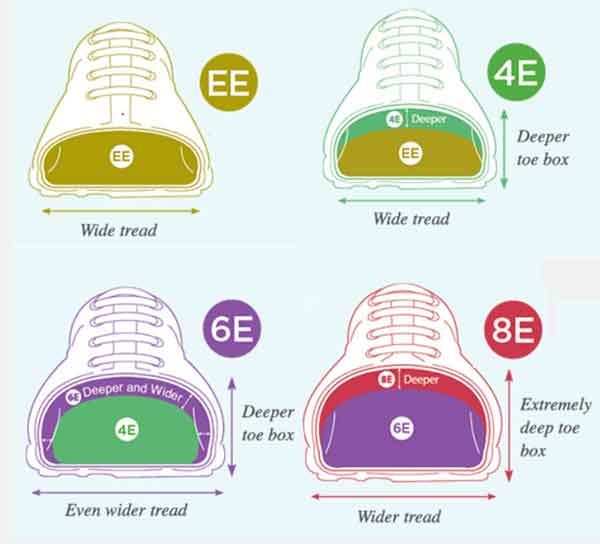
At its heart, “4E” is a measurement of shoe width, part of an alphabetical grading system used primarily in North America. While shoe length (like size 9 or 10) is universally understood, width designations often cause confusion. The standard width for men is typically D, and for women, B. As the alphabet progresses, so does the width: C is wider than B, D is wider than C, and so on. A single “E” denotes a wide fit, “2E” or “EE” is extra wide, “3E” or “EEE” is even wider, and “4E” or “EEEE” signifies a significantly extra-wide fit, often among the widest readily available in the market. This categorization is not arbitrary; it addresses the reality of human foot diversity.
For a brand, recognizing the importance of 4E wide goes beyond simply adding a label to a product line. It acknowledges that a substantial segment of the population possesses feet significantly wider than average. This could be due to genetic predisposition, medical conditions such as edema or diabetes, bunions, or simply the natural widening of feet over time. For these individuals, a standard or even a regular ‘E’ wide shoe can cause discomfort, pain, blisters, nerve impingement, and even long-term foot health issues.
From a brand strategy perspective, understanding 4E is an imperative for several reasons:
- Consumer Well-being: Brands committed to consumer health and comfort recognize that a poorly fitting shoe isn’t just an inconvenience; it can be detrimental. Offering 4E sizes is a direct commitment to improving the wearer’s quality of life.
- Market Opportunity: The struggle to find appropriate wide footwear means there’s a significant, often frustrated, consumer base actively seeking solutions. A brand that consistently delivers on this promise taps into a loyal and appreciative market segment.
- Product Credibility: Brands that accurately cater to specialized fit requirements like 4E build a reputation for expertise and reliability. This signals a deep understanding of footwear mechanics and consumer needs, elevating the brand’s standing across its entire product portfolio.
This level of precision in sizing is not merely a detail; it’s a foundational element of responsible product development and brand promise. It demonstrates a commitment to inclusivity, moving beyond the ‘one size fits most’ mentality to embrace the true diversity of human anatomy.
Strategic Implications for Product Design and Development
Designing shoes for a 4E width presents unique challenges and opportunities that demand specific strategic considerations within a brand’s product development cycle. It’s not simply a matter of making a standard shoe pattern larger; it requires a holistic approach to every component of the footwear.
The starting point for any 4E design is the last – the foot-shaped mold around which a shoe is constructed. Brands committed to true wide widths invest in developing specific lasts tailored to 4E dimensions, ensuring that the entire foot, from the heel to the ball and across the instep, receives adequate room without unnecessary volume elsewhere. This prevents the common pitfall of simply widening the midfoot while neglecting other critical areas, which can lead to an ill-fitting, shapeless shoe.
Material selection is another critical design consideration. For 4E wide shoes, brands must prioritize materials that offer:
- Flexibility and Stretch: Uppers need to accommodate a wider foot without excessive pressure. Materials like certain leathers, engineered meshes, or synthetic blends designed for give and recovery are essential.
- Durability: The wider foot often puts more stress on seams and materials. Robust construction and reinforced stitching are necessary to ensure the shoe withstands daily wear without premature breakdown.
- Breathability: Wider feet can sometimes be prone to increased perspiration due to greater surface contact. Incorporating breathable materials helps maintain a healthy foot environment.
Beyond the upper, the sole construction plays a vital role. A 4E shoe requires a wider base for stability, and the outsole and midsole must be engineered to provide appropriate support and cushioning for a broader foot strike. This might involve different shank placements, sole flaring, or foam densities to support the unique biomechanics of a wider foot.
Finally, aesthetic integration is paramount. The challenge for designers is to create a 4E shoe that is functionally superior without compromising on visual appeal. Consumers, regardless of foot width, desire stylish footwear. Brands must innovate to ensure that wider silhouettes are gracefully incorporated, avoiding a bulky or cumbersome appearance. This could involve clever use of paneling, color blocking, or streamlined profiles that optically minimize the shoe’s overall footprint while delivering necessary interior volume. Brands that master this balance not only solve a fit problem but also offer a desirable product that resonates emotionally with consumers.
Marketing and Communication: Reaching the Right Footprint
Successfully bringing 4E wide shoes to market requires a targeted and transparent marketing and communication strategy. The audience for 4E footwear is often highly specific and has likely experienced significant frustration in their search for suitable options. Brands must cut through the noise with clarity, authenticity, and empathy.
Precision in Messaging: The primary message must clearly state the availability and benefits of 4E sizing. Generic “wide” labels are insufficient; explicitly mentioning “4E” or “EEEE” immediately assures potential customers that their specific needs are being addressed. Marketing materials should highlight the comfort, support, and specialized design elements that cater to wider feet, such as ample toe box room, supportive arches, and accommodating materials.

Targeted Outreach: Understanding the 4E consumer means identifying where they seek information and products. This often includes:
- Specialized Retailers: Partnering with independent footwear stores known for their fitting expertise or medical supply retailers.
- Health & Wellness Platforms: Advertising in publications, websites, or forums focused on foot health, diabetes care, or orthotics.
- Digital Niche Marketing: Utilizing SEO keywords like “extra wide shoes for bunions,” “shoes for swollen feet,” or “4E athletic shoes” to reach users actively searching for these solutions. Social media campaigns can target specific demographics interested in comfort or foot health.
- Community Engagement: Sponsoring events related to foot health, participating in local health fairs, or collaborating with podiatrists and physical therapists can build trust and awareness.
Visual Storytelling: Imagery and video content are crucial. Photos should clearly depict the shoe’s true width and fit on diverse models, ideally showing feet of varying widths. Avoiding misleading visuals that make wide shoes appear narrower than they are is essential for building trust. Demonstrating the flexibility of materials or the spaciousness of the toe box through video can be highly effective.
Building Trust Through Transparency
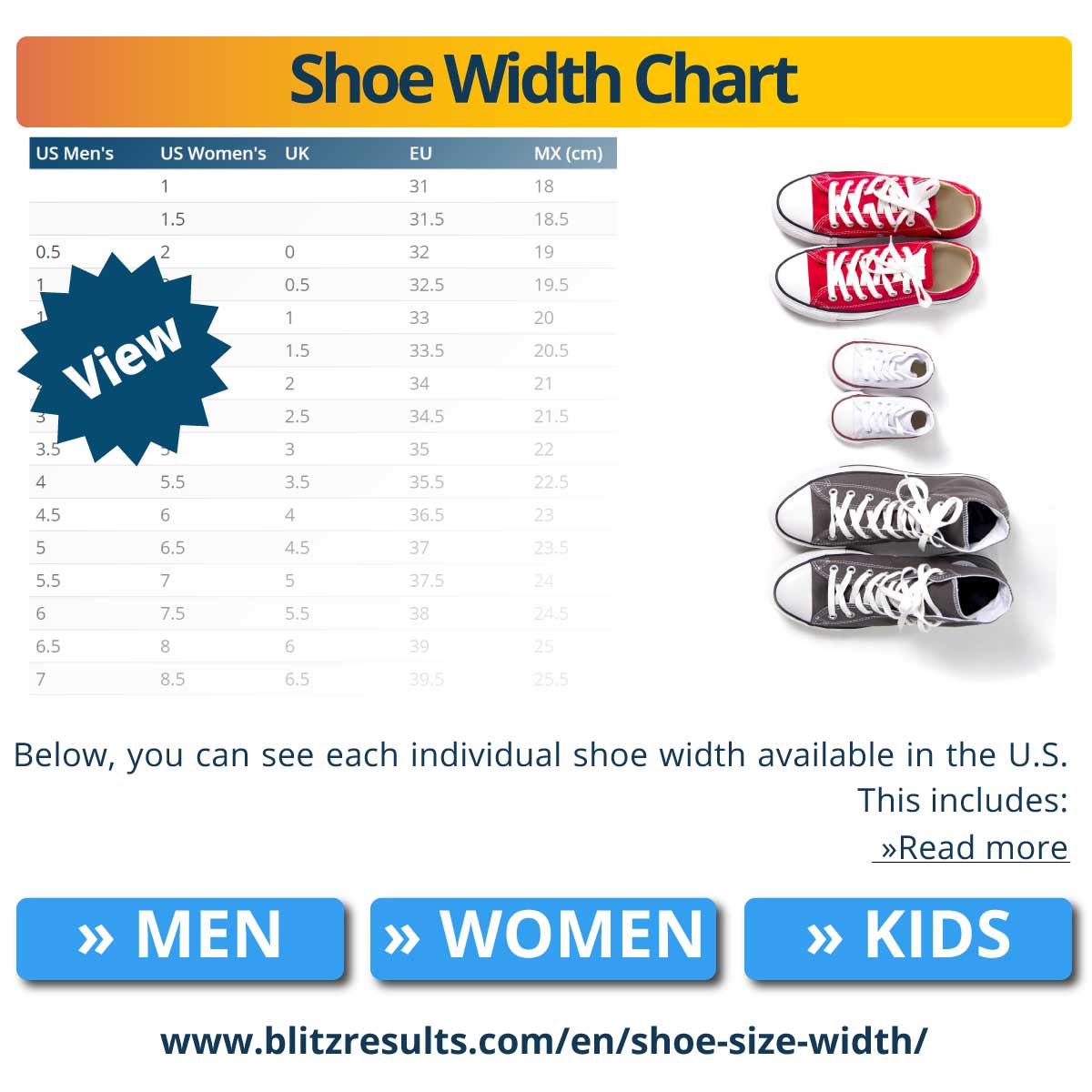
One of the most powerful tools in marketing 4E shoes is transparency. Brands should provide comprehensive sizing guides that include instructions on how customers can measure their own foot width at home. Clear size charts that map foot measurements to specific shoe widths (e.g., in inches or centimeters) empower consumers to make informed decisions and significantly reduce the likelihood of returns. Detailed product descriptions should explicitly mention the last used, material properties, and any specific design features that benefit a wider foot. By offering robust customer support, including virtual fitting consultations or dedicated helplines for sizing queries, brands can further solidify their reputation as a reliable source for specialized footwear. This level of honesty and support fosters deep customer loyalty.
Enhancing Brand Loyalty Through Inclusive Sizing
The decision to offer 4E wide shoes is, for a brand, an investment in inclusivity that pays dividends in customer loyalty. In a market where many feel overlooked, a brand that consistently provides well-fitting, comfortable 4E options becomes more than just a shoe provider; it becomes a trusted partner.
For consumers with 4E width feet, the experience of finding a shoe that fits properly is often a rare and celebrated event. They face a limited selection, frequently sacrificing style for comfort, or enduring painful compromises. When a brand steps in to fill this void with high-quality, thoughtfully designed 4E footwear, it creates an exceptionally strong bond. These customers are not just satisfied; they are relieved and genuinely grateful.
This gratitude translates directly into powerful brand advocacy. Satisfied 4E customers are highly likely to:
- Become Repeat Buyers: Once they find a brand that fits, they are unlikely to switch, reducing customer acquisition costs over time.
- Generate Positive Word-of-Mouth: They become ardent promoters, sharing their positive experiences with friends, family, and online communities who share similar fitting challenges. This organic marketing is invaluable.
- Provide Valuable Feedback: Engaged customers in this niche are often willing to share constructive feedback, helping brands refine their offerings and further cement their leadership in wide-fit footwear.
Beyond commercial benefits, offering 4E wide shoes positions a brand as socially conscious and empathetic. It demonstrates an understanding that footwear is a fundamental need for mobility and comfort, and that everyone, regardless of their foot dimensions, deserves access to quality options. This ethical stance resonates with a broader audience, enhancing the brand’s overall reputation and appeal.
The Underserved Niche Advantage
Serving an underserved niche like the 4E wide market offers a distinct advantage. While mainstream brands might focus on broad appeal, those that specialize in specific fit requirements build an unshakeable connection with their target audience. This niche, though smaller than the overall market, is characterized by high demand, less intense competition (from truly specialized providers), and strong brand stickiness. A brand that becomes synonymous with “the best 4E wide shoes” doesn’t just sell shoes; it sells a solution, relief, and confidence. This deep connection forms the bedrock of enduring brand loyalty, transforming transactions into long-term relationships.
Competitive Advantage and Market Positioning
In a crowded footwear market, establishing a clear competitive advantage is paramount. For brands that strategically embrace the 4E wide category, this can be a powerful differentiator, positioning them as experts and leaders in inclusive fit.
Differentiation through Expertise: By investing in specialized lasts, materials, and design processes for 4E widths, a brand can position itself as a specialist. This expertise allows them to stand out from competitors who either ignore wide widths or offer them as a mere afterthought with inadequate design. This perception of specialization can elevate the entire brand, suggesting a commitment to quality and detail across all product lines.
Premium Pricing Justification: The added research, development, specialized tooling, and quality materials required to produce truly effective 4E wide shoes often incur higher manufacturing costs. Brands can justify premium pricing by clearly communicating the value proposition: superior comfort, enhanced foot health benefits, and the durable, thoughtful design that addresses a specific need. Consumers in this niche are often willing to pay more for a shoe that genuinely fits and provides relief.
Market Leadership in a Niche: Becoming a leader in the 4E wide segment can confer significant market power. As demand for personalized and health-conscious footwear grows, brands that have already established a strong reputation and loyal customer base in specialized sizing will be exceptionally well-positioned. This leadership extends beyond sales; it includes setting industry standards, influencing design trends, and contributing to a more inclusive future for footwear.
The long-term vision for a brand that champions 4E wide shoes is not just about capturing a segment; it’s about building a legacy of innovation, empathy, and uncompromising quality. By consistently delivering solutions for complex fit challenges, brands can secure a unique and defensible position in the market, ensuring relevance and resonance with consumers for years to come. In essence, understanding “what is 4E wide shoes” transforms from a technical query into a strategic blueprint for brand success and sustained growth.
aViewFromTheCave is a participant in the Amazon Services LLC Associates Program, an affiliate advertising program designed to provide a means for sites to earn advertising fees by advertising and linking to Amazon.com. Amazon, the Amazon logo, AmazonSupply, and the AmazonSupply logo are trademarks of Amazon.com, Inc. or its affiliates. As an Amazon Associate we earn affiliate commissions from qualifying purchases.