
A parking ticket might seem like a minor annoyance, a slip of paper that can be easily dismissed. However, the financial repercussions of ignoring an unpaid parking ticket can quickly escalate from a trivial fine into a significant financial burden, impacting your credit, legal standing, and overall financial well-being. Understanding the trajectory of an unpaid ticket is crucial for anyone navigating personal finance and seeking to avoid unnecessary expenses. This isn’t just about a one-time penalty; it’s about a domino effect that can lead to substantial financial strain.
The Immediate Aftermath: Fines and Escalation
The journey of an unpaid parking ticket begins with the initial fine, but rarely ends there. Ignoring this initial obligation triggers a series of financial penalties designed to encourage prompt payment.
Understanding Initial Penalties
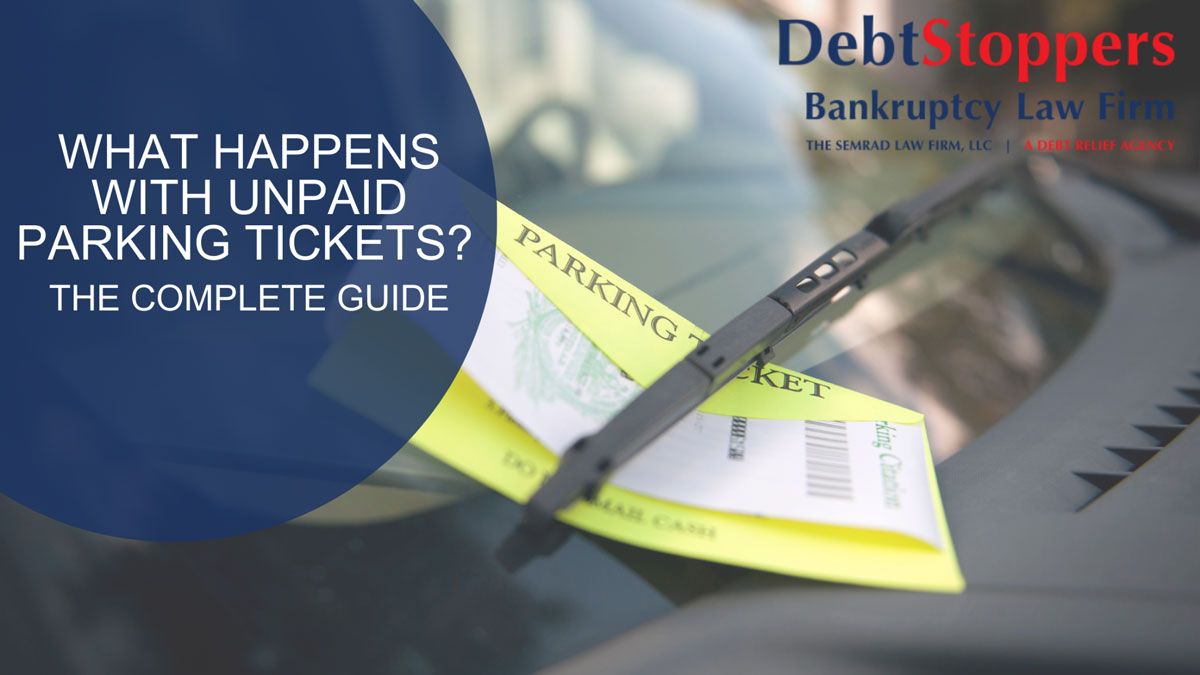
When you receive a parking ticket, it typically specifies an initial fine amount and a deadline for payment. This deadline is critical, as failing to meet it is the first step towards an escalating financial commitment. The fine amount itself varies widely depending on the jurisdiction and the specific violation—from minor infractions like expired meters to more serious ones like parking in a fire lane. Often, there’s a discounted rate if paid within a very short timeframe, offering an immediate financial incentive for compliance. Missing this early window means you’ll pay the full, higher amount.
The Power of Late Fees
Once the initial payment deadline passes, late fees typically kick in. These are not minor additions; they can significantly increase the total amount owed. Many municipalities have structured late fee policies where the original fine doubles, triples, or accrues a fixed percentage daily or weekly. For instance, a $50 ticket could quickly become $100 after a week and $150 after two, not counting any administrative fees. This rapid escalation can turn a manageable sum into a challenging debt, underscoring the financial wisdom of addressing tickets promptly. These fees are a direct financial penalty for delayed action, emphasizing the time value of money when it comes to obligations.
Beyond the Ticket: Expanding Financial Consequences
The financial repercussions of an unpaid parking ticket extend far beyond late fees. Municipalities have various mechanisms to compel payment, each carrying its own set of significant costs and inconveniences.
Impact on Vehicle Registration and Renewal
One of the most common and effective enforcement methods is to link outstanding parking tickets to vehicle registration. Many states and cities will block the renewal of your vehicle’s registration until all outstanding parking tickets associated with that vehicle (or even the registered owner) are paid in full. This creates a severe financial impediment. Driving with an expired registration can lead to further, much higher fines, vehicle impoundment, and even legal action in some areas. The cost of renewing your registration, plus all accumulated ticket debt and late fees, can become a significant lump sum, demonstrating how a small initial oversight can snowball into a major financial headache.
The Dreaded Boot and Tow
If tickets remain unpaid for an extended period, particularly multiple tickets on the same vehicle, authorities may resort to more aggressive measures: applying a boot to your vehicle or towing it. Both actions incur substantial costs that are added to your existing debt. A vehicle boot, which immobilizes your car, usually comes with a hefty removal fee, often several hundred dollars, on top of all outstanding fines. If your vehicle is towed, the financial hit is even greater. You’ll be responsible for the towing fee, daily storage fees at the impound lot, and all the original ticket debt. These combined costs can easily run into thousands of dollars, representing a severe and immediate financial drain that could otherwise be used for savings, investments, or essential expenses. The longer your car remains impounded, the higher the daily storage fees, exacerbating the financial burden.
Court Appearances and Legal Ramifications
While most parking tickets are civil infractions, ignoring them can sometimes lead to legal action. In some jurisdictions, a persistent failure to pay can result in your case being sent to a municipal court. This means potential court fees, legal costs, and potentially even a judge ordering more severe penalties or payment plans. A civil judgment against you could then open the door to wage garnishment or liens on property, further complicating your financial life. While less common for a single, minor parking ticket, the risk increases with multiple, long-unpaid violations, illustrating how financial negligence can spill over into legal battles.
Unpaid Tickets and Your Credit Score
A common misconception is that parking tickets do not affect your credit score. While a parking ticket itself is not reported to credit bureaus, the way unpaid tickets are handled can absolutely have a detrimental impact on your financial standing.

Indirect Effects: Collection Agencies and Defaults
The primary pathway for unpaid parking tickets to affect your credit score is through collection agencies. When a municipality fails to collect payment after repeated attempts, they often sell the debt to a third-party collection agency. Once a debt is sold to collections, the agency can report it to the major credit bureaus (Equifax, Experian, and TransUnion). A collection account on your credit report is a significant negative mark, signaling to lenders that you have failed to fulfill a financial obligation. This can dramatically lower your credit score, making it harder to secure loans, mortgages, or even certain jobs that involve credit checks. The original fine, along with all accumulated late fees, boot fees, and towing charges, becomes the amount the collection agency pursues, often adding their own fees.
When a Judgment Hits Your Report
In cases where legal action is pursued and a court judgment is issued against you for unpaid tickets, this judgment can also appear on your credit report. A civil judgment is an even more severe negative mark than a collection account, as it signifies a court’s official determination that you owe a debt. Such judgments can remain on your credit report for many years (typically seven), significantly impairing your ability to obtain credit at favorable rates, if at all. This illustrates a direct link between ignoring a seemingly minor parking ticket and severe long-term damage to your financial reputation.
The Long-Term Financial Burden and Resolution Strategies
The accumulated costs of an unpaid parking ticket are often far greater than the original fine, making prompt resolution a matter of sound financial strategy.
Accumulating Debt and Compounded Costs
The most significant long-term financial burden is the cumulative debt. An initial $50 ticket can easily turn into a $500 obligation after late fees, administrative charges, potential collection agency fees, and the cost of replacing an expired registration or retrieving a towed vehicle. This compounding debt can tie up funds that could otherwise be used for essential living expenses, savings, or investments. The opportunity cost of paying these avoidable penalties is substantial, diverting valuable resources from productive financial activities. This unnecessary expenditure can disrupt personal budgets and delay financial goals.
Exploring Payment Plans and Appeals
If you find yourself with outstanding parking tickets, the best financial strategy is proactive engagement. Many municipalities offer payment plans for those who owe significant amounts or are experiencing financial hardship. These plans allow you to pay off your debt in manageable installments, preventing further late fees and avoiding escalation to collections or impoundment. While interest may apply, it is generally less punitive than the rapid escalation of late fees.
Additionally, if you believe a ticket was issued in error, appealing it can be a financially prudent move. A successful appeal means the fine is completely waived, saving you money and preventing all subsequent penalties. It’s crucial to understand the appeals process, deadlines, and required documentation. Investing time in an appeal can yield significant financial returns if your claim is valid.
Preventing Future Infractions
The most effective financial strategy is prevention. Being mindful of parking regulations, utilizing parking apps for reminders, and understanding local signage can save you hundreds, if not thousands, of dollars over time. Setting up reminders on your phone for meter expiration or street cleaning days is a small effort with potentially large financial rewards. The cost of convenience in avoiding a ticket (e.g., parking further away in a free spot or paying for a garage) is almost always less than the cost of a ticket and its subsequent penalties.
The Broader Financial Prudence Lesson
The saga of an unpaid parking ticket offers valuable lessons in broader personal finance and the importance of addressing financial obligations promptly.
Budgeting for Unexpected Expenses
While a parking ticket might feel “unexpected,” the reality is that minor fines and penalties are a recurring part of life. Sound personal finance dictates allocating a portion of your budget to an “miscellaneous” or “contingency” fund. This allows you to absorb the initial cost of a ticket without disrupting your primary budget or incurring late fees. Viewing a parking ticket as an unavoidable operational cost of driving, similar to fuel or insurance, can shift your perspective towards proactive financial planning.

The Cost of Inaction
Perhaps the most potent financial lesson from unpaid parking tickets is the cost of inaction. What starts as a small, manageable fine can quickly mushroom into a complex, expensive problem that affects various aspects of your financial life. Ignoring financial obligations, no matter how small they seem, rarely makes them go away; instead, it almost always makes them more expensive. Timely payment, even if inconvenient, is a cornerstone of responsible financial management, protecting your credit score, preserving your assets, and preventing unnecessary financial stress. Understanding and respecting the financial power of seemingly minor infractions is key to maintaining a robust and stable financial future.
aViewFromTheCave is a participant in the Amazon Services LLC Associates Program, an affiliate advertising program designed to provide a means for sites to earn advertising fees by advertising and linking to Amazon.com. Amazon, the Amazon logo, AmazonSupply, and the AmazonSupply logo are trademarks of Amazon.com, Inc. or its affiliates. As an Amazon Associate we earn affiliate commissions from qualifying purchases.