
Laser hair removal represents a significant advancement in cosmetic technology, offering a long-term solution for unwanted hair. While the procedure itself is precise and relatively quick, understanding the physiological and technological aftermath is crucial for optimizing results and ensuring client satisfaction. The immediate and long-term effects are a direct consequence of the sophisticated interaction between advanced laser technology and the body’s biological systems, particularly the hair follicle.
The Immediate Technological Impact on Follicles
The efficacy of laser hair removal hinges on the principle of selective photothermolysis, a technological marvel that allows for targeted energy delivery. Immediately following a session, the treated hair follicles undergo a series of microscopic changes, initiating the hair reduction process.
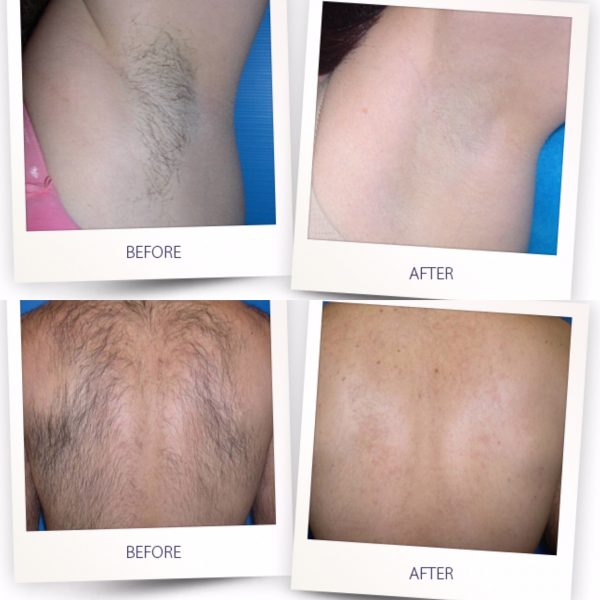
Photothermolysis: The Core Mechanism
At the heart of laser hair removal is the precise application of light energy. Different laser technologies (e.g., Alexandrite, Diode, Nd:YAG) emit specific wavelengths designed to be absorbed predominantly by melanin, the pigment found in hair. This selective absorption is critical; the laser bypasses the surrounding skin tissues, minimizing collateral damage, and targets the hair shaft. Once absorbed, the light energy is converted into heat. This rapid temperature increase within the hair follicle causes thermal damage to the germinating cells responsible for hair growth.
The immediate aftermath sees the hair shaft itself superheated. While some hairs may vaporize instantly or singe at the skin’s surface, the primary objective is the destruction of the follicular structure beneath. This includes the hair bulb, bulge, and dermal papilla – the crucial components that nourish and produce new hair. The precision of modern laser devices, often equipped with advanced cooling systems, allows for this intense, localized heating without significantly impacting the epidermis, thus enhancing safety and patient comfort. The technological calibration of pulse duration and energy fluence is paramount to achieving effective photothermolysis without adverse effects.
Cellular Response and Initial Shedding
In the hours and days following a laser session, the body’s natural cellular processes begin to respond to the technological intervention. The damaged hair follicles are now considered foreign bodies or damaged tissue by the immune system. This triggers an inflammatory response at a microscopic level, part of the body’s natural healing and clearance mechanism.
Within 1 to 3 weeks post-treatment, clients will typically observe what is known as “shedding.” This is not new hair growth, but rather the expulsion of the treated, devitalized hairs from their follicles. These hairs may appear to “grow out” as they are pushed to the surface before detaching and falling away. This shedding phase is a clear indicator that the photothermolysis has been effective in damaging the follicle’s ability to retain the hair shaft. The consistency and timing of this shedding can vary depending on individual hair growth cycles, skin type, and the specific laser technology employed. Modern devices often incorporate sophisticated diagnostic tools to help practitioners predict and explain this process more accurately to clients, setting realistic expectations based on individual biometrics and the selected laser parameters.
Long-Term Efficacy and Technological Considerations
Achieving true long-term hair reduction is a multi-session process, intricately tied to the understanding of hair growth cycles and the appropriate selection and calibration of laser technology. The sustained absence of hair growth after a full course of treatment is the ultimate measure of technological success.
Hair Growth Cycles and Treatment Scheduling
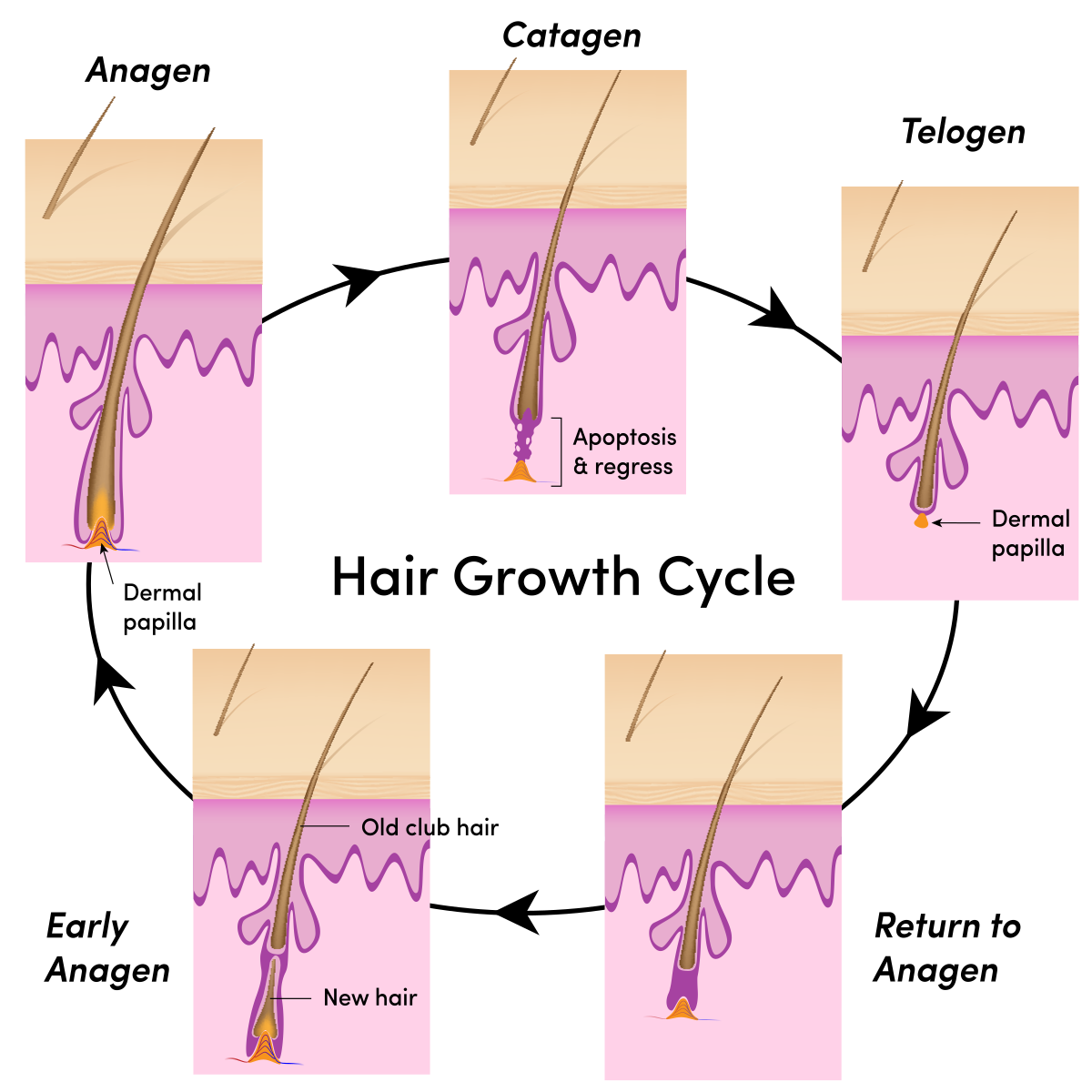
One of the most significant technological challenges in laser hair removal is that not all hair follicles are in the same growth phase simultaneously. Hair growth occurs in three distinct stages:
- Anagen (Growth Phase): Hairs are actively growing, rich in melanin, and firmly attached to the dermal papilla. This is the optimal stage for laser treatment, as the melanin provides an effective target for the laser energy, and the connection to the papilla allows for efficient heat transfer to the entire follicle.
- Catagen (Transition Phase): Hair growth stops, and the follicle shrinks.
- Telogen (Resting Phase): The hair detaches from the papilla and eventually falls out, making way for new anagen hair.
Because laser hair removal is most effective on hairs in the anagen phase, multiple treatment sessions are required, typically spaced 4-8 weeks apart. This spacing is a deliberate technological strategy to target different cohorts of hair as they enter their anagen phase. A series of 6-8 sessions is common to achieve significant, lasting hair reduction across the entire treated area, reflecting the biological rhythm of hair growth that even advanced technology must respect. The scheduling of these sessions is a critical component of the treatment protocol, directly influencing the overall success rate and requiring practitioners to educate clients on the biological rationale behind the technological application.
Device Wavelengths and Skin/Hair Type Optimization
The technological landscape of laser hair removal devices is diverse, with various wavelengths designed to optimize treatment for different skin and hair types. The choice of laser directly impacts the safety and efficacy of the procedure:
- Alexandrite Laser (755 nm): Highly absorbed by melanin, excellent for light skin tones (Fitzpatrick I-III) and fine to medium hair. Its high affinity for melanin requires careful application on darker skin to prevent hyperpigmentation or burns.
- Diode Laser (810 nm): A versatile wavelength, offering good melanin absorption while penetrating deeper than Alexandrite. It’s effective for a wider range of skin types (Fitzpatrick I-IV) and coarser hair. Advanced diode systems often feature adjustable pulse durations and cooling mechanisms to enhance safety on darker skin.
- Nd:YAG Laser (1064 nm): With the longest wavelength, it penetrates deepest and has the lowest melanin absorption. This makes it the safest option for darker skin tones (Fitzpatrick IV-VI) as it minimizes epidermal heating, reducing the risk of pigmentation changes. It’s also effective for deep, coarse hair.
- IPL (Intense Pulsed Light): While not a true laser, IPL devices use broad-spectrum light to target melanin. They are less specific than lasers and often require more sessions, but modern IPL systems feature advanced filters and cooling for greater control and safety across a range of skin types.
The technological sophistication of these devices allows for individualized treatment plans. Practitioners use skin typing scales (e.g., Fitzpatrick scale) and hair characteristics to select the most appropriate laser and adjust parameters like fluence (energy density), pulse duration, and spot size. This bespoke approach, driven by advanced technological capabilities, is paramount to achieving optimal hair reduction while safeguarding skin integrity. Ongoing research into new wavelengths and energy delivery methods continues to refine these technological parameters, promising even more inclusive and effective treatments in the future.
Post-Treatment Care and Technological Adherence
The successful outcome of laser hair removal extends beyond the treatment room, requiring diligent post-treatment care and adherence to guidelines that are fundamentally rooted in the interaction between the treated tissue and external factors. This aftercare is crucial for supporting the healing process and preserving the technological impact.
Protecting Treated Areas from Further Tech-Related Exposure
After laser hair removal, the treated skin is temporarily more sensitive due to the thermal energy absorbed during the procedure. This sensitivity dictates specific care protocols designed to prevent irritation, inflammation, and potential side effects that could undermine the technological intervention.
- Sun Exposure: UV radiation is a significant concern. The laser’s thermal action makes the skin more susceptible to sunburn and hyperpigmentation (darkening) if exposed to direct sunlight. Therefore, stringent sun protection is mandatory. This includes wearing broad-spectrum sunscreen with a high SPF (30 or higher) daily, reapplying every two hours when outdoors, and using protective clothing. This guideline isn’t just about general skincare; it’s about protecting the technologically altered skin barrier and preventing further photo-damage that could disrupt the healing and long-term efficacy.
- Heat Exposure: Avoiding hot baths, saunas, steam rooms, and intense exercise for 24-48 hours post-treatment is crucial. These activities can increase skin temperature, potentially exacerbating the residual heat in the treated follicles and leading to discomfort, swelling, or blistering. The body’s thermal regulation system is already working to dissipate the laser-induced heat; adding external heat sources can overwhelm this process.
- Irritating Products: Harsh skincare products, retinoids, alpha-hydroxy acids (AHAs), and strong chemical exfoliants should be avoided for several days. These products can further irritate the sensitive, treated skin and impede its natural recovery process. Only gentle, hydrating, and soothing products, often recommended by the laser technician, should be used. This protects the skin’s integrity while it recovers from the technological stress.
Adhering to these guidelines is not merely a suggestion but a critical component of the post-procedure protocol, ensuring that the skin heals optimally and the effectiveness of the laser technology is maximized.
Monitoring Results and Follow-Up Treatments
The journey to significant hair reduction is iterative and requires ongoing monitoring and strategic follow-up. After each session, clients should observe the treated area for signs of shedding and a decrease in hair regrowth.
- Tracking Progress: Clients are often advised to keep track of their hair growth between sessions. While shedding occurs within weeks, true reduction in growth becomes apparent over months. If new hair grows back finer, lighter, or sparse, it indicates that the laser technology is effectively disrupting the follicles.
- Scheduled Sessions: Adherence to the recommended treatment schedule (typically every 4-8 weeks) is paramount. This strategic timing ensures that new cohorts of hair follicles are targeted as they enter their vulnerable anagen phase. Missing sessions can lead to suboptimal results and prolong the overall treatment duration, as the technological window of opportunity for effective hair destruction is missed.
- Addressing Stubborn Areas: Some areas or hair types may respond differently to treatment. This could be due to hormonal influences, hair density, or the depth of the follicles. Advanced laser systems allow technicians to adjust parameters (e.g., energy, pulse duration) for these specific challenges. If certain patches of hair persist, a re-evaluation of the treatment plan, possibly involving a different wavelength or increased intensity, may be necessary. This adaptive approach highlights the flexibility and sophistication of modern laser technology.
The collaborative effort between the client and the practitioner, guided by meticulous observation and the precise application of technology, ensures that the long-term goals of permanent hair reduction are met.
Evolving Technologies in Permanent Hair Reduction
The field of laser hair removal is dynamic, with continuous innovation driving improvements in efficacy, safety, and user experience. As technology advances, we can expect more sophisticated devices and personalized treatment approaches.
Advancements in Laser Diode and IPL Systems
Recent years have seen significant refinements in the core technologies of laser hair removal. Diode lasers, already known for their versatility, are now often integrated with advanced cooling mechanisms, such as contact cooling, air cooling, or cryogenic sprays, that operate simultaneously with the laser pulse. This allows for higher energy delivery with increased epidermal protection, making treatments safer and more comfortable, especially for individuals with darker skin tones. Some diode systems now feature larger spot sizes, reducing treatment times for larger areas, and faster repetition rates, leading to more efficient sessions.
IPL systems, while traditionally less precise than lasers, are also evolving. Next-generation IPL devices utilize sophisticated filters and algorithms to deliver more controlled and targeted light pulses. They are becoming more adaptable to varying skin and hair types, offering a broader spectrum of treatment options with enhanced safety profiles. Multi-wavelength or hybrid laser systems, combining the benefits of different wavelengths (e.g., Alexandrite and Nd:YAG in a single device), are also emerging, allowing practitioners to treat a wider range of clients and hair types more effectively within a single platform.
Smart Devices and Personalized Treatment Protocols
The future of laser hair removal is moving towards greater personalization and ‘smart’ technology integration. This includes:
- AI-driven Skin and Hair Analysis: Devices equipped with artificial intelligence (AI) and machine learning capabilities can analyze skin pigmentation, hair density, and hair color more accurately than the human eye. This data can then inform the device to automatically select the optimal laser wavelength, fluence, and pulse duration for each individual, minimizing human error and maximizing safety and efficacy.
- Personalized Treatment Timelines: By tracking individual response rates and hair regrowth patterns using AI, future systems could predict optimal spacing between sessions with greater precision, moving beyond generalized 4-8 week intervals to highly customized schedules.
- Real-time Feedback Systems: Advanced sensors could provide real-time feedback on skin temperature and follicular response during treatment, allowing for immediate adjustments to laser parameters to prevent overheating or ensure sufficient energy delivery.

Future Innovations and Enhanced User Experience
Looking ahead, innovations are likely to focus on further enhancing comfort, speed, and accessibility:
- Pain Reduction Technologies: Research into non-invasive pain management techniques, such as advanced cooling, vibration therapy, or even topical anesthetic delivery systems integrated into the laser device, aims to make treatments virtually pain-free.
- Home-Use Devices with Clinical Efficacy: While home-use laser/IPL devices exist, future iterations are expected to offer closer-to-clinical results with enhanced safety features, potentially reducing the need for frequent clinic visits for maintenance. These devices will likely incorporate more advanced feedback mechanisms to guide users and prevent misuse.
- Sustainable and Eco-Friendly Designs: As environmental consciousness grows, expect to see laser devices developed with more sustainable manufacturing processes, energy-efficient operation, and recyclable components.
Ultimately, the trajectory of laser hair removal technology is towards making the procedure more effective, safer, more comfortable, and highly personalized, cementing its place as a leading solution for permanent hair reduction.
aViewFromTheCave is a participant in the Amazon Services LLC Associates Program, an affiliate advertising program designed to provide a means for sites to earn advertising fees by advertising and linking to Amazon.com. Amazon, the Amazon logo, AmazonSupply, and the AmazonSupply logo are trademarks of Amazon.com, Inc. or its affiliates. As an Amazon Associate we earn affiliate commissions from qualifying purchases.