
The journey of a breakout artist in the digital age offers a compelling case study in personal branding. Sheck Wes, born Khadimoul Rassoul Cheikh Fall, exploded onto the global music scene with an infectious energy and an undeniable viral hit, “Mo Bamba.” His rapid ascent and subsequent navigation of the industry spotlight provide rich insights into the creation, management, and evolution of a personal brand in an intensely competitive environment. Understanding “what happened to Sheck Wes” necessitates a deep dive into the strategic decisions, market reception, and external factors that shaped his brand identity and trajectory.

The Meteoric Rise: Crafting a Disruptive Persona
Sheck Wes’s initial breakthrough was less about traditional marketing campaigns and more about the raw, unfiltered energy of an authentic persona. His brand was built on a foundation of youthful rebellion, Harlem street credibility, and an electrifying, almost chaotic, performance style. This authenticity resonated deeply with a younger demographic seeking artists who felt genuine and unafraid to challenge norms.
Early Brand Foundations and Viral Resonance
Before “Mo Bamba” became a cultural phenomenon, Sheck Wes was already cultivating a distinct image. His early music, social media presence, and association with influential figures like Travis Scott and Kanye West began to lay the groundwork for a brand that was edgy, unpredictable, and exciting. He presented himself as an artist who was genuinely living the experiences he rapped about, fostering a connection with his audience based on shared grit and aspiration. This foundation was crucial; it provided a narrative framework that amplified the impact of his later success. His brand wasn’t just about music; it was about a lifestyle and an attitude.
The “Mo Bamba” Phenomenon: Organic Virality and Brand Recognition
The release of “Mo Bamba” in 2017 was a watershed moment that catapulted Sheck Wes from promising newcomer to household name. The track’s minimalist yet aggressive beat, combined with Wes’s raw vocals and a memorable chorus, created a perfect storm for virality. It transcended traditional music channels, becoming a ubiquitous anthem at sporting events, parties, and across social media platforms. This organic spread was invaluable for brand building, as it introduced Sheck Wes to a massive, diverse audience without the need for heavy promotional spend. The song itself became an extension of his brand – high-energy, infectious, and culturally pervasive. His brand became synonymous with an exhilarating, untamed sound, establishing a strong, albeit perhaps narrow, brand identity around this one massive hit. The challenge, then, became how to diversify and mature this brand beyond a single song.
Navigating the Post-Breakout Landscape: Brand Adaptation and Challenges
The aftermath of a viral hit often presents the most significant branding challenges. The pressure to replicate success, manage public perception, and evolve an identity initially defined by a single moment can be immense. Sheck Wes entered a period where strategic brand adaptation became paramount.
Maintaining Momentum: The Sophomore Effort and Public Perception
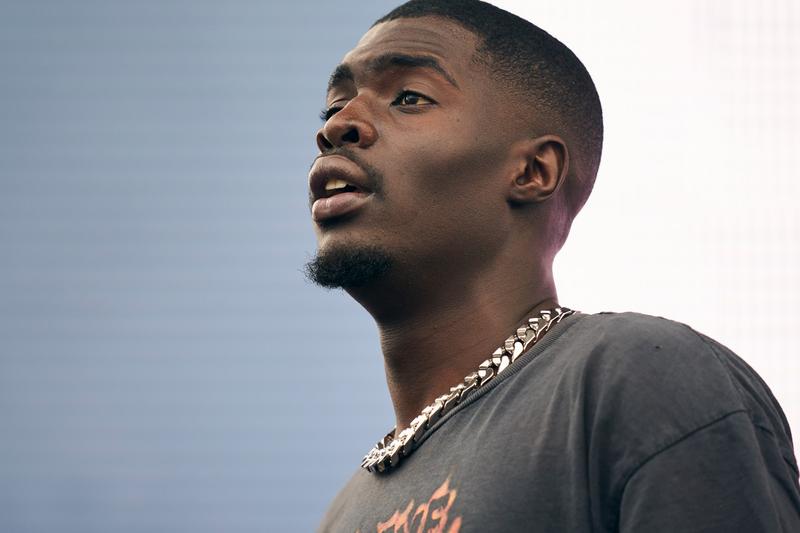
Following “Mo Bamba,” the release of his debut album, “Mudboy,” was a critical juncture for his brand. While “Mudboy” was generally well-received and featured additional popular tracks, it faced the inherent difficulty of living up to the colossal expectations set by his breakthrough single. The album aimed to showcase more depth and range, moving beyond the singular “Mo Bamba” persona, but it struggled to generate the same level of widespread, cultural impact. This period highlighted a common branding dilemma: how to expand a brand’s narrative without diluting the core elements that initially attracted an audience. Public perception, often fixated on the initial, explosive success, can be slow to adapt to an artist’s evolving brand identity. For Sheck Wes, maintaining the initial fervent engagement while demonstrating artistic growth was a delicate balancing act, illustrating the challenges of managing brand expectations in a fast-paced entertainment industry.
Brand Crises and Reputation Management
Like many public figures, Sheck Wes also encountered periods of brand crisis that tested the resilience of his public image. Accusations and controversies, particularly those involving personal conduct, have a profound and immediate impact on a personal brand. In an era of instant information and social media scrutiny, such events can quickly erode trust, alienate fan bases, and damage a carefully constructed public persona. Effective reputation management becomes crucial, involving clear communication, consistent messaging, and, in some cases, strategic periods of reclusion or re-evaluation. For Sheck Wes, these moments required navigating the fine line between defending his personal integrity and acknowledging the impact on his brand equity. Such incidents underscore the fragility of celebrity brands and the constant need for vigilance in managing public perception, even for artists whose brands thrive on an “unfiltered” image. The challenge lies in rehabilitating a brand while remaining authentic to its foundational elements, without appearing disingenuous or overly corporate.
Evolving the Brand: Diversification and Strategic Re-engagement
To sustain a long-term career, artists must evolve their brands beyond their initial musical offerings. This often involves strategic diversification into other ventures and a thoughtful re-engagement with their audience. For Sheck Wes, this meant exploring avenues that aligned with his established persona while also expanding his reach.
Beyond Music: Exploring New Brand Ventures
A smart brand strategy for an artist involves leveraging their core identity into complementary fields. For Sheck Wes, this has included engagement with fashion, sports, and other cultural touchpoints. His distinctive style and athletic background (having played basketball) naturally lent themselves to collaborations and endorsements within these sectors. Associating with sports brands or launching merchandise lines are not merely income streams; they are extensions of the personal brand, allowing the artist to express different facets of their identity and connect with new audiences. These ventures solidify the artist’s status as a cultural influencer rather than just a musician. By strategically aligning with brands that share his rebellious and energetic ethos, Sheck Wes can broaden his brand appeal, moving from being solely a rapper to a broader cultural icon. This diversification mitigates the risk of being pigeonholed and creates multiple touchpoints for audience engagement.
Rebuilding and Realigning: Future Brand Positioning
The path of a personal brand is rarely a straight line. Periods of lower public visibility often present opportunities for strategic realignment. For Sheck Wes, this has meant a more considered approach to his releases and public appearances. Rebuilding a brand isn’t about erasing the past but integrating it into a more mature, refined narrative. This might involve collaborating with different artists to showcase versatility, experimenting with new sounds, or engaging more thoughtfully with social issues. The goal is to demonstrate growth and sustained relevance, proving that the brand is more than a fleeting viral moment. His future brand positioning will likely involve a continuous effort to balance the raw energy that defined his early success with a more polished and multifaceted artistic identity, proving his longevity and adaptability in a constantly shifting industry. This requires a deep understanding of market trends, audience sentiment, and a clear vision for the brand’s long-term legacy.

The Enduring Impact: A Case Study in Personal Brand Volatility
Sheck Wes’s journey underscores the inherent volatility and dynamic nature of personal branding in the modern entertainment landscape. His story is a testament to the power of authentic, raw talent in capturing global attention, but also a stark reminder of the challenges in sustaining, diversifying, and protecting that brand. From the organic wildfire of “Mo Bamba” to the strategic decisions surrounding album releases, public image management, and diversification, his career trajectory offers invaluable lessons for aspiring artists and marketing professionals alike. The question “what happened to Sheck Wes” isn’t a simple query about disappearance, but rather an invitation to analyze the complex lifecycle of a contemporary personal brand – a brand that continues to evolve, adapt, and seek its lasting place in culture, defined by both its triumphs and its trials. His brand continues to be a living entity, shaped by every decision, release, and public interaction, demonstrating that true brand longevity is a marathon, not a sprint, marked by continuous strategic navigation.
aViewFromTheCave is a participant in the Amazon Services LLC Associates Program, an affiliate advertising program designed to provide a means for sites to earn advertising fees by advertising and linking to Amazon.com. Amazon, the Amazon logo, AmazonSupply, and the AmazonSupply logo are trademarks of Amazon.com, Inc. or its affiliates. As an Amazon Associate we earn affiliate commissions from qualifying purchases.