
The narrative of Chris Evans and his iconic portrayal of Captain America is a compelling case study in brand strategy, personal branding evolution, and corporate identity management. Far from “disappearing,” the story of Chris Evans’ Captain America is one of a meticulously managed transition, demonstrating how both an individual and a corporate entity can strategically navigate the peak of success, the challenge of legacy, and the imperative of evolution.
The Symbiotic Brand: Chris Evans and Captain America
For nearly a decade, Chris Evans became synonymous with Captain America. This wasn’t merely an acting role; it was a profound brand association that shaped both Evans’ public persona and the perception of the Marvel character for a generation of fans.

Forging an Iconic Identity
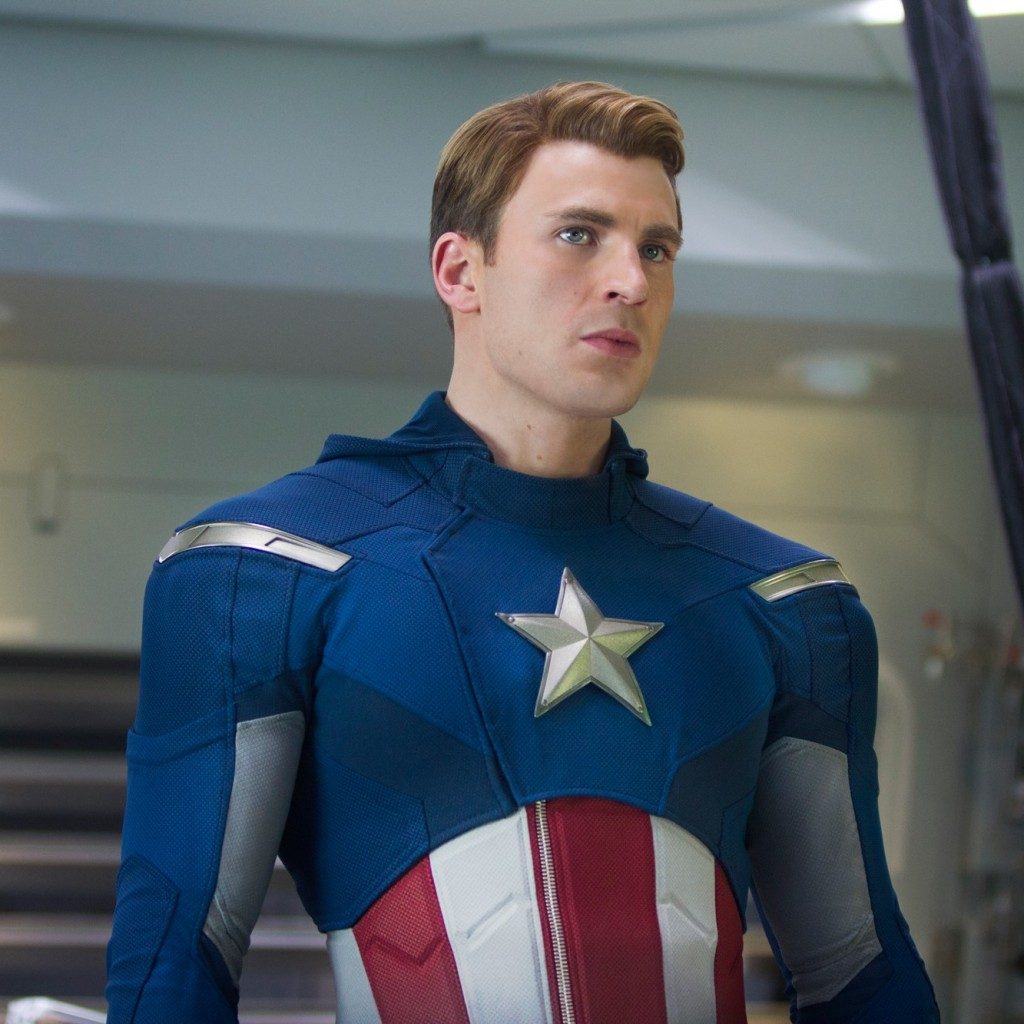
When Evans first donned the star-spangled uniform in Captain America: The First Avenger (2011), he wasn’t just playing a character; he was embodying a deeply ingrained cultural archetype. His commitment to the role, both physically and emotionally, cemented an authentic connection with the audience. This authenticity is a cornerstone of strong branding. Evans brought a nuanced blend of earnestness, integrity, and quiet strength to Steve Rogers, perfectly aligning with the values Captain America represents. This consistent portrayal over numerous films built a powerful personal brand for Evans, one intrinsically linked to heroism, leadership, and unwavering moral compass. Simultaneously, his performance breathed new life into the Captain America brand, making it relevant and beloved for a modern audience, a critical success for Marvel’s overarching corporate identity.
The Power of Character Association
The prolonged and highly visible association with Captain America transformed Evans into a global superstar. His face became a key visual identifier for the Marvel Cinematic Universe (MCU), making him a vital component of Disney’s colossal entertainment brand. For an actor, such a definitive role can be a double-edged sword. While it offers unparalleled visibility and commercial opportunities, it also risks typecasting and brand dilution if not managed carefully. The challenge for Evans, and by extension his personal brand team, was to leverage this immense character association without being entirely consumed by it, ensuring that “Chris Evans” remained a distinct entity capable of future diversification.
Strategic Transition: Evolving Beyond the Shield
The conclusion of Avengers: Endgame (2019) marked a pivotal moment for both Chris Evans’ personal brand and Marvel’s corporate strategy. It wasn’t an abrupt end but a carefully orchestrated narrative closure designed to facilitate a graceful exit for the character and the actor.
The End-Game of a Defined Role
Marvel Studios, as a master of long-form storytelling and brand management, understood the importance of a definitive, satisfying conclusion for its foundational characters. Captain America’s arc in Endgame – choosing a peaceful life in the past – served as an elegant narrative device to retire the character without diminishing his legacy. From a brand perspective, this provided a clean break for Chris Evans. It signaled to the audience and the industry that his chapter as Captain America was definitively closed, opening the door for new brand narratives for the actor. This strategic narrative termination is a sophisticated form of brand management, preserving the integrity of the character while allowing for new iterations or directions for the actor.
Proactive Brand Diversification
Post-Captain America, Chris Evans’ career trajectory illustrates a deliberate effort at brand diversification. Instead of immediately seeking similar tentpole roles, his choices have demonstrated a clear intent to broaden his acting portfolio and challenge audience perceptions. Films like Rian Johnson’s Knives Out (2019), where he played a charmingly villainous scion, and Apple TV+’s Defending Jacob (2020), a dramatic turn as a troubled father, were strategic moves. These roles were chosen specifically to showcase versatility, demonstrating range beyond the virtuous hero. This proactive diversification is key to evolving a personal brand, proving that the individual talent extends beyond a single, albeit iconic, role. It prevents stagnation and reinforces the actor’s artistic integrity, crucial elements for long-term brand sustainability in a competitive industry.
Navigating Fan Expectations and Legacy
A significant challenge in transitioning from such a beloved role is managing fan expectations and respecting the character’s legacy. Evans has consistently handled this with grace and professionalism, acknowledging the profound impact of Captain America while subtly affirming his personal growth and new artistic pursuits. His public statements and interviews often reflect gratitude for the role and the fans, without fueling speculation about a return that could undermine his current branding efforts. This careful navigation demonstrates an understanding of audience loyalty as a valuable asset that must be honored, even as the personal brand moves in new directions.
Rebranding the Man Behind the Mask
The period following his departure from the MCU has seen Chris Evans actively sculpt a new professional identity, shifting public perception from “Captain America” to “Chris Evans, versatile artist.”

Shifting Perceptions: From Hero to Versatile Artist
This rebranding effort isn’t just about selecting different roles; it’s about altering the overarching narrative associated with Chris Evans. His choice to engage in various genres, from dark thrillers to animated features (Lightyear) and romantic comedies, is a direct marketing strategy to project versatility. By consciously stepping into roles that offer a stark contrast to his superhero persona, Evans aims to dismantle the typecast image. This strategic shift is vital for his long-term career viability, allowing him to be considered for a wider array of projects and preventing his personal brand from becoming exclusively niche.
Curating New Brand Narratives
Beyond acting, Evans has explored other avenues that contribute to his evolving personal brand. His foray into directing with Before We Go (2014) showcased an interest in creative control and behind-the-camera talent, hinting at a future beyond just performing. His involvement with various charities and public advocacy, particularly for political engagement, further rounds out his personal brand as a thoughtful and socially conscious individual, not just an entertainer. These activities, while not directly related to film roles, contribute to a holistic and mature brand narrative, presenting a multi-faceted personality to the public and industry stakeholders.
Leveraging Residual Brand Equity
Even as he diversifies, Evans continues to benefit from the immense brand equity built during his Captain America tenure. His name still carries significant weight, ensuring attention for his new projects. This residual equity provides a powerful platform from which to launch new ventures. It means that while he is moving on, the recognition and trust he built with audiences as Captain America carry over, giving his subsequent projects a built-in level of visibility and interest. This is a testament to the enduring power of a well-executed long-term brand association.
Corporate Branding Implications: Marvel’s Evolving Roster
Chris Evans’ transition also offers insights into Marvel’s broader corporate branding strategy, particularly concerning character longevity and the inevitable evolution of its cinematic universe.
The Multi-Generational Hero Strategy
Marvel’s strategy has always been about building a vast, interconnected universe, not just relying on a single hero or actor. The departure of foundational characters like Captain America (and Iron Man) is part of a deliberate multi-generational hero strategy. This approach ensures the brand’s resilience and adaptability, allowing new characters and actors to take up the mantle, thereby refreshing the brand and engaging new demographics. It’s a testament to Marvel’s corporate identity as a dynamic, ever-expanding narrative universe rather than one tied to specific performers.
Maintaining Brand Cohesion Amidst Change
The challenge for Marvel is to maintain brand cohesion and narrative continuity even as core actors and characters depart. The introduction of new Captain America iterations (e.g., Sam Wilson) demonstrates Marvel’s commitment to its intellectual property over individual portrayals. This strategy ensures that the “Captain America” brand continues to thrive, evolving with the times while retaining its core values and appeal. It’s a masterclass in how a corporate brand can manage transitions while preserving its core identity and long-term vision.
The Inevitability of Character Recasting and Legacy Management
Ultimately, the story of Chris Evans and Captain America underscores the inevitability of character recasting and the critical role of legacy management in long-running franchises. Marvel understood that to keep its brand vibrant, characters must evolve, and sometimes, that means new faces. By giving Evans’ Captain America a fitting and final farewell, Marvel not only honored his contribution but also strategically paved the way for future iterations, ensuring the brand’s enduring appeal without diminishing the legacy created by its original stars.
Lessons in Personal and Corporate Brand Evolution
The narrative of Chris Evans and Captain America provides invaluable lessons for brand strategists, marketing professionals, and individuals seeking to manage their own personal brands.
The Importance of a Defined Exit Strategy
For both personal and corporate brands, a well-planned exit strategy from a highly successful phase or association is crucial. It allows for a graceful transition, preserves legacy, and sets the stage for future growth without the taint of unresolved endings or awkward departures. Evans’ and Marvel’s coordinated efforts in Endgame exemplify this perfectly.
Adaptability as a Core Brand Tenet
The ability to adapt and evolve is paramount for any brand seeking longevity. Chris Evans’ conscious diversification of roles post-Captain America demonstrates adaptability in personal branding. Similarly, Marvel’s ongoing expansion of its universe and willingness to pass the torch to new heroes reflects corporate brand adaptability, ensuring relevance in an ever-changing entertainment landscape.
Sustaining Value Beyond the Initial Association
True brand strength lies in its ability to sustain value and appeal beyond its initial, most prominent association. For Chris Evans, this means proving his acting prowess extends beyond Captain America. For Marvel, it means demonstrating that the MCU can thrive and innovate even as its foundational characters complete their arcs. Both have successfully navigated this challenge, illustrating that a robust brand strategy allows for growth, change, and enduring impact far beyond a single defining moment.
aViewFromTheCave is a participant in the Amazon Services LLC Associates Program, an affiliate advertising program designed to provide a means for sites to earn advertising fees by advertising and linking to Amazon.com. Amazon, the Amazon logo, AmazonSupply, and the AmazonSupply logo are trademarks of Amazon.com, Inc. or its affiliates. As an Amazon Associate we earn affiliate commissions from qualifying purchases.