
The retail sector, particularly for big-ticket items like furniture, is in a perpetual state of flux, driven by economic cycles, evolving consumer habits, and technological advancements. In recent years, a confluence of macroeconomic pressures and shifting competitive dynamics has created a challenging environment, leading many established furniture retailers to struggle, downsize, or ultimately, close their doors. Understanding the financial currents behind these closures is crucial for consumers, investors, and industry observers alike.
The Shifting Sands of the Furniture Retail Landscape
The furniture industry, traditionally reliant on large showrooms and in-person sales, has been profoundly impacted by several powerful trends. Post-pandemic, the initial boom in home furnishings driven by remote work and nesting instincts has given way to a more conservative consumer spending pattern. Inflation, rising interest rates, and broader economic uncertainties have significantly dampened consumer confidence, leading households to prioritize essential spending over discretionary purchases like new furniture.
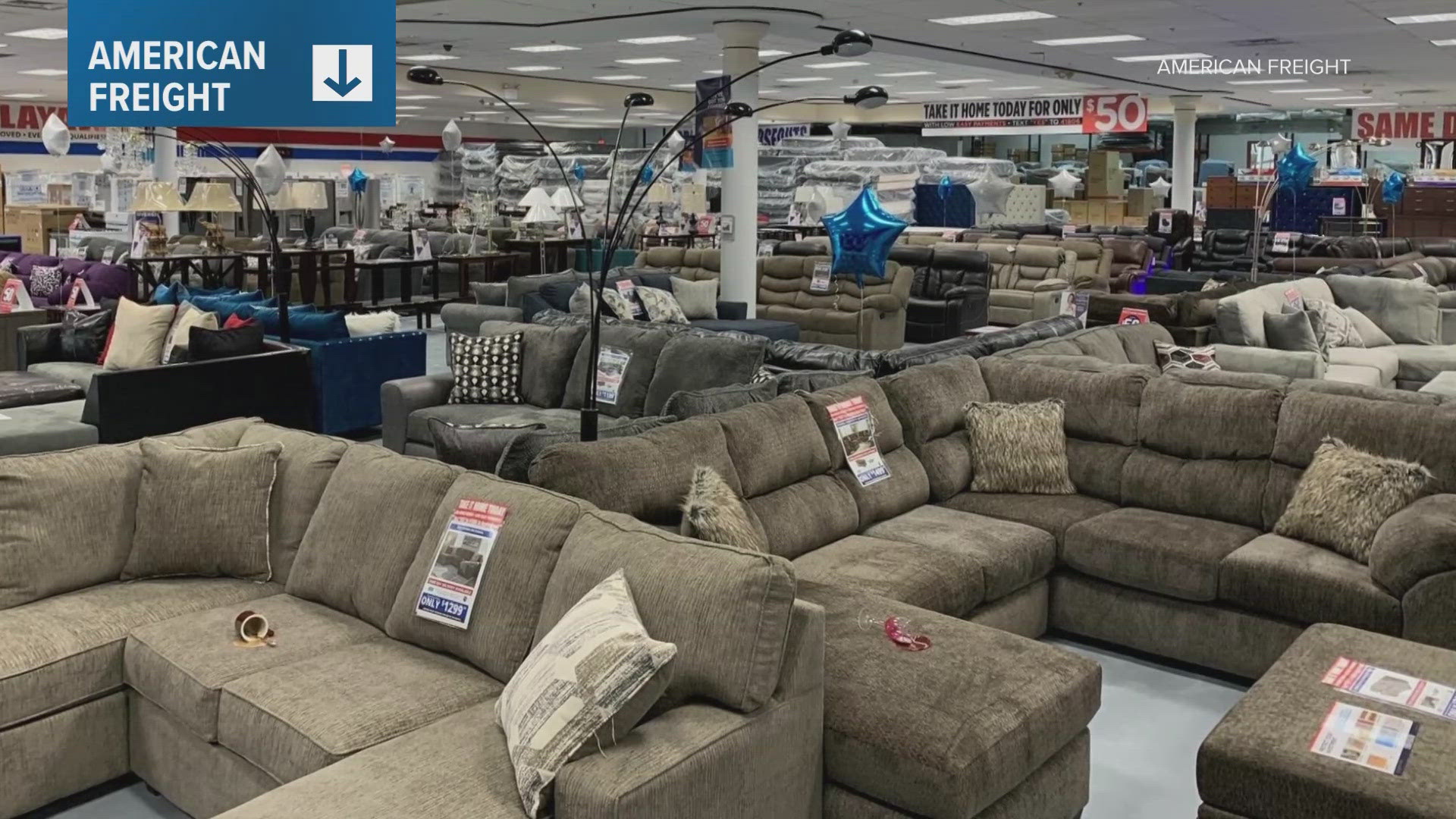
Unlike many smaller retail items, furniture represents a substantial financial commitment, making it highly susceptible to economic downturns. Furthermore, the operational costs associated with furniture retail—massive showroom footprints, extensive inventory holding, and complex logistics for delivery and assembly—are notoriously high. These inherent challenges are amplified when consumer demand wanes, squeezing profit margins and making it difficult for less financially robust businesses to sustain operations. The current environment demands unparalleled financial agility and strategic foresight to navigate.
Key Factors Driving Furniture Retail Failures
The struggles faced by furniture stores are not monolithic; rather, they stem from a combination of macro-economic forces and industry-specific challenges.
Economic Headwinds and Consumer Behavior
A primary driver of retail closures across various sectors, including furniture, is the tightening of household budgets. Sustained inflation erodes purchasing power, forcing consumers to defer large, non-essential purchases. For furniture, this means fewer impulse buys and a longer decision-making process, often culminating in no purchase at all or opting for cheaper alternatives.
Moreover, the significant slowdown in the housing market, characterized by fewer home sales and new construction starts, directly impacts furniture demand. New homeowners are a primary demographic for furniture purchases, and a stagnant housing market translates to a reduced customer base. Coupled with a post-pandemic shift in consumer priorities from home improvement to experiences and travel, the demand side for furniture has faced substantial pressure.
The E-commerce Juggernaut and Digital Disruption
The rise of e-commerce has fundamentally reshaped retail, and the furniture sector is no exception. Online giants like Wayfair, Amazon, and a proliferation of direct-to-consumer (DTC) brands have disrupted traditional models by offering vast selections, competitive pricing, and the convenience of home delivery. These online players often operate with significantly lower overheads, bypassing the need for expensive physical showrooms and large sales teams.
Traditional brick-and-mortar furniture stores have struggled to adapt to this digital paradigm. Many lack the sophisticated supply chain infrastructure, robust online presence, and digital marketing expertise to compete effectively. While an omnichannel strategy—integrating online and offline experiences—is crucial, its implementation requires significant capital investment and a fundamental shift in operational philosophy, which older, debt-laden companies find difficult to achieve.
Supply Chain Volatility and Inventory Management
The global supply chain disruptions witnessed in recent years have particularly vexed the furniture industry. Reliance on international manufacturing, coupled with volatility in shipping costs and raw material prices, has led to unpredictable lead times and inflated operational expenses. Furniture retailers often hold substantial, bulky inventory, which ties up significant capital. Misjudging demand can lead to either costly overstocking (resulting in markdowns and storage fees) or understocking (missing sales opportunities and frustrating customers). Efficient, lean inventory management and diversified sourcing are critical for financial stability, yet many traditional retailers struggle to implement these effectively.
Debt Burden and Operational Inefficiencies
Many established furniture retailers operate with high fixed costs, including expensive commercial real estate leases, large payrolls, and legacy IT systems. When sales decline, these high operational expenses quickly become unsustainable. A substantial debt burden, whether from previous expansions or operational financing, can turn a challenging period into a crisis, especially in a rising interest rate environment. Companies that fail to adapt their business models, streamline operations, or aggressively manage their debt are often the first to succumb to financial pressures. The inability to innovate or invest in necessary digital transformations due to financial constraints further exacerbates their precarious position.
Notable Closures and Industry Consolidation

While naming specific, currently operating companies would be speculative, the pattern of closures often affects certain types of furniture retailers more acutely. Smaller, independent stores, which lack the economies of scale and purchasing power of larger chains, often find themselves outmaneuvered by both national big-box retailers and agile online competitors. They struggle to compete on price, marketing reach, and logistical capabilities.
Mid-market chains, once the backbone of the industry, also face immense pressure. They often lack the luxury brand cachet to justify premium pricing and struggle to differentiate from discounters and online value propositions. These stores typically operate with significant physical footprints and higher overheads, making them vulnerable when sales dip.
The industry is also witnessing a trend towards consolidation, where larger, more financially resilient players acquire struggling competitors or simply benefit from their demise. This leads to a more concentrated market with fewer, but potentially stronger, dominant retailers. Private equity buyouts, intended to revitalize brands, sometimes result in leveraged companies unable to withstand market downturns, ultimately leading to bankruptcy or liquidation.
Financial Implications for Consumers, Investors, and the Market
The ongoing shake-up in the furniture retail sector has wide-ranging financial implications.
For Consumers
Closures can present immediate opportunities for consumers to find significant discounts during liquidation sales. However, the long-term impact includes reduced choice in brick-and-mortar shopping, potentially leading to a greater reliance on online platforms. This shift may also bring concerns about warranty fulfillment, after-sales service, and the ability to physically inspect furniture before purchase. Consumers may find themselves navigating a market with fewer local options but a wider array of online-only brands.
For Investors
The challenges facing furniture retail signal a need for caution when investing in traditional brick-and-mortar retail companies, particularly those with heavy debt loads and limited digital integration. Investors are increasingly favoring companies with robust e-commerce capabilities, efficient supply chains, resilient business models, and strong balance sheets. Opportunities may emerge in ancillary industries, such as logistics, home delivery services, or innovative niche furniture segments that demonstrate strong growth and profitability.
Broader Market Impact
The closure of furniture stores has ripple effects across the economy. Vacant large-format retail spaces impact commercial real estate markets, potentially leading to reduced property values and tax revenues. Job losses in retail and related logistics sectors contribute to unemployment figures and can affect local economies. Ultimately, these closures accelerate the evolution of the retail landscape, pushing remaining players towards more innovative, adaptive, and financially sustainable business models, characterized by smaller footprints, experiential showrooms, and seamless digital integration.
Strategies for Survival and Resilience
For furniture retailers to not just survive but thrive in this challenging environment, financial prudence and strategic innovation are paramount.
Embracing Omnichannel and Digital Innovation
A seamless integration of online and in-store experiences is no longer optional. This includes investing in user-friendly e-commerce platforms, offering augmented reality (AR) tools for visualizing furniture in customers’ homes, and providing personalized recommendations based on browsing history. Click-and-collect options, streamlined delivery, and digital customer service channels are essential for meeting modern consumer expectations and competing with online pure-plays.
Niche Specialization and Value Proposition
Generic offerings are increasingly difficult to sustain. Retailers must identify and cultivate a strong value proposition, whether through niche specialization (e.g., sustainable furniture, custom designs, smart home integration), exceptional customer service, or a unique brand story. Creating an “experiential” showroom that offers more than just products—perhaps design consultations, workshops, or coffee shops—can transform a store into a destination and justify higher prices or draw foot traffic.

Financial Prudence and Adaptive Operations
Lean inventory management, possibly through just-in-time ordering or dropshipping models, can reduce capital tie-up and storage costs. Exploring flexible store formats, such as smaller showrooms or pop-up shops, can lower real estate expenses. Aggressive debt reduction, stringent cost controls, and a focus on operational efficiencies are critical for maintaining financial health. Investing in analytics to understand consumer preferences and predict demand can help optimize inventory and marketing spend, ensuring that financial resources are deployed effectively in a highly competitive and volatile market.
aViewFromTheCave is a participant in the Amazon Services LLC Associates Program, an affiliate advertising program designed to provide a means for sites to earn advertising fees by advertising and linking to Amazon.com. Amazon, the Amazon logo, AmazonSupply, and the AmazonSupply logo are trademarks of Amazon.com, Inc. or its affiliates. As an Amazon Associate we earn affiliate commissions from qualifying purchases.