
Working with metal, whether for prototyping, fabrication, or advanced DIY projects, demands precision and the right tools. Among the most fundamental yet often misunderstood tools are drill bits designed specifically for drilling into various types of metal. Selecting the correct drill bit is paramount for achieving clean holes, extending tool life, and ensuring safety. This guide delves into the material science, types, and application techniques of metal drill bits, providing a comprehensive tutorial for anyone engaged in practical tech and engineering tasks.
Understanding Metalworking Drill Bit Materials
The effectiveness of a drill bit in cutting through metal is largely determined by the material it’s made from and any specialized coatings. Different metals require different levels of hardness and heat resistance from the bit itself. Understanding these materials is the first step in making an informed selection.
High-Speed Steel (HSS)
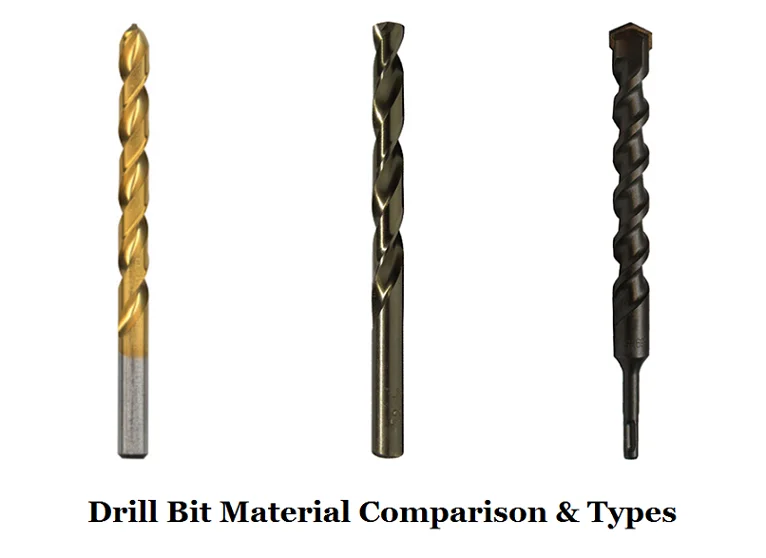
HSS bits are the most common and versatile choice for drilling metal. Made from a hardened steel alloy, they are significantly more heat-resistant and durable than standard carbon steel bits. HSS bits can cut through softer metals like aluminum, copper, brass, and mild steel effectively. Their affordability and general utility make them a staple in many workshops. They come in various finishes, including bright (uncoated), black oxide, and titanium nitride (TiN) coated, each offering enhanced properties.
Cobalt Drill Bits
When working with harder metals such as stainless steel, cast iron, or titanium alloys, cobalt drill bits are the preferred choice. These bits are an alloy of high-speed steel and 5-8% cobalt, typically designated as M35 or M42. The addition of cobalt significantly increases the bit’s hardness and, crucially, its heat resistance, allowing it to maintain its sharpness at higher temperatures generated during drilling tough materials. While more expensive than standard HSS, their superior performance and longevity in challenging applications often justify the cost.
Carbide-Tipped Bits
For the most demanding applications, such as drilling hardened steel, exotic alloys, or extremely abrasive materials, carbide-tipped bits are indispensable. Tungsten carbide is one of the hardest materials known, offering exceptional wear resistance and heat tolerance. Rather than being made entirely of carbide (which would be brittle and prohibitively expensive for most drill bit sizes), these bits feature a carbide insert brazed onto a steel shank. They are typically used in rigid setups like drill presses and require precise speed and feed control to prevent chipping.
Types of Drill Bits for Metal: A Practical Guide
Beyond the base material, specific designs and coatings further enhance a drill bit’s capability for metal drilling. These variations are crucial for optimizing performance in different scenarios.
Black Oxide Coated HSS
Black oxide is a common coating for HSS drill bits. This finish provides a minor increase in heat resistance and adds a layer of corrosion protection, which can be beneficial in humid environments or when storing bits for extended periods. The black oxide also helps to reduce friction between the bit and the workpiece, slightly improving chip flow. They are a good all-around choice for general-purpose metal drilling.
Titanium Nitride (TiN) Coated HSS
Titanium Nitride (TiN) is a ceramic coating applied to HSS bits, giving them a distinctive gold color. This coating significantly increases surface hardness and lubricity, leading to reduced friction, improved chip evacuation, and enhanced wear resistance. TiN-coated bits perform exceptionally well in a wide range of metals, including mild steel, aluminum, and even some harder steels. They retain their sharpness longer than uncoated HSS bits, making them a cost-effective upgrade for frequent use.
Titanium Carbonitride (TiCN) Coated HSS
An advancement over TiN, Titanium Carbonitride (TiCN) coatings offer even greater hardness and wear resistance. These bits are typically darker grey or purplish. They are excellent for drilling harder metals and abrasive materials, providing a longer tool life and superior performance in demanding applications compared to TiN.
Split-Point vs. Standard Point Designs
The tip geometry of a drill bit also plays a critical role in its performance.
- Standard Point (118-degree): This is the most common point style, suitable for softer metals and general-purpose drilling. However, it tends to “walk” or wander on the workpiece surface before biting into the metal, requiring a center punch to start the hole accurately.
- Split Point (135-degree): Split-point drill bits have a self-centering design that eliminates the need for a center punch. The split tip allows the bit to start drilling precisely without walking, making them ideal for drilling harder metals and for handheld drilling where accuracy is critical. They also require less feed pressure to initiate cutting.

Selecting the Right Bit for Your Metal Project
Choosing the appropriate drill bit involves considering the type of metal, the desired hole quality, and the drilling equipment available. A systematic approach ensures optimal results and tool longevity.
Assessing Metal Hardness and Composition
The primary factor in bit selection is the hardness of the metal you intend to drill.
- Soft Metals (Aluminum, Brass, Copper): Standard HSS, black oxide, or TiN-coated HSS bits are usually sufficient.
- Mild Steel, Cast Iron: HSS, black oxide, or TiN-coated HSS bits work well. For heavier use, consider cobalt bits.
- Stainless Steel, Tool Steel, Titanium: Cobalt drill bits are highly recommended. For very hard grades or heavy production, carbide-tipped bits may be necessary.
- Hardened Steel, Exotic Alloys: Carbide-tipped bits are almost always required due to the extreme hardness and abrasive nature of these materials.
Considering Hole Diameter and Depth
For larger diameter holes, consider a step-drilling approach, starting with a smaller pilot hole and progressively increasing the bit size. This reduces the load on the larger bit and can prevent material distortion. For deep holes, especially in hard metals, good chip evacuation is crucial, making split-point cobalt or carbide bits beneficial, alongside frequent chip clearing.
Project-Specific Requirements
- Accuracy: For high-precision applications, split-point bits are superior as they don’t wander. Using a drill press also significantly improves accuracy over handheld drilling.
- Finish Quality: Sharp, correctly chosen bits, combined with proper lubrication and feed rates, yield cleaner holes with less burring.
- Production Volume: For repetitive tasks in a production environment, investing in higher-grade, longer-lasting bits like cobalt or TiCN-coated HSS will reduce downtime for bit changes and resharpening.
Mastering Metal Drilling Techniques for Optimal Results
Even with the perfect drill bit, poor technique can lead to broken bits, damaged workpieces, and inefficient drilling. Adhering to best practices ensures effective and safe metalworking.
Preparation and Marking
Always secure your workpiece firmly to prevent it from spinning or shifting during drilling. Use clamps or a vice. Mark the center of your intended hole accurately. For standard point bits, use a center punch and hammer to create a small indentation. This dimple provides a starting point for the drill bit, preventing it from walking. Split-point bits are self-centering, but a pilot dimple can still aid in precision.
Lubrication and Cooling
Heat is the enemy of drill bits, especially when cutting metal. Friction generates significant heat, which can soften the bit’s cutting edge, leading to dullness and premature failure. Using a cutting fluid or lubricant is crucial for:
- Cooling: Dissipating heat away from the cutting edge and workpiece.
- Lubrication: Reducing friction between the bit and the metal, making cutting easier.
- Chip Evacuation: Helping to flush chips out of the hole, preventing clogging.
For most metals, general-purpose cutting oil works well. For aluminum, kerosene or specific aluminum cutting fluids are often recommended. Avoid dry drilling in most metal applications unless using specialized carbide bits designed for dry cutting.
Proper Drill Speed and Pressure
The correct drill speed (RPM) is critical and depends on the bit’s diameter and the metal’s hardness.
- Larger Bits & Harder Metals: Require slower RPMs.
- Smaller Bits & Softer Metals: Allow for faster RPMs.
Too high a speed can generate excessive heat and dull the bit quickly. Too low a speed can cause the bit to “chatter” or chip. Refer to drill speed charts for specific recommendations, but a general rule is to start slower and increase speed cautiously until an efficient cutting action is observed.
Apply steady, firm pressure to keep the bit cutting. Insufficient pressure causes the bit to rub rather than cut, generating heat and dulling the edges. Excessive pressure, especially with smaller bits, can cause the bit to bind or break. Listen to the sound of the drill and observe the chips; a consistent curl of chips indicates good cutting action.
Clearing Chips
As the drill bit penetrates the metal, it produces chips. These chips must be cleared from the hole to prevent clogging, which can increase friction, heat, and potentially cause the bit to bind or break. Periodically retract the drill bit completely from the hole to allow chips to escape. This is known as “peck drilling.” For deep holes, this might need to be done every few millimeters. Use compressed air or a brush to clear chips from the workpiece surface and the bit flutes, but always wear eye protection.
Safety First
Always wear appropriate personal protective equipment (PPE):
- Safety Glasses: Essential to protect eyes from flying metal chips and debris.
- Gloves: Protect hands from sharp edges, but avoid loose-fitting gloves that could get caught in the rotating bit.
- Hearing Protection: For extended drilling or noisy environments.
Ensure the workpiece is stable and clamped securely. Never hold a workpiece by hand while drilling. Disconnect power before changing bits or making adjustments to the drill press.
By understanding the properties of different metal drill bits and applying correct drilling techniques, you can achieve professional-grade results in your metalworking projects, contributing to the precision and reliability of your prototypes, fabrications, and technical assemblies.
aViewFromTheCave is a participant in the Amazon Services LLC Associates Program, an affiliate advertising program designed to provide a means for sites to earn advertising fees by advertising and linking to Amazon.com. Amazon, the Amazon logo, AmazonSupply, and the AmazonSupply logo are trademarks of Amazon.com, Inc. or its affiliates. As an Amazon Associate we earn affiliate commissions from qualifying purchases.