
In the intricate tapestry of brand strategy, names are far more than mere labels; they are potent vessels of meaning, history, and aspiration. When a name like “Tyr” emerges, it carries with it a weight of ancient resonance, a whisper from a time when gods personified virtues and vices. Understanding what “Tyr” means, both literally and symbolically, is crucial for anyone considering its strategic application in building a compelling brand identity. It’s not just about a sound; it’s about the deep-seated psychological and cultural associations it evokes, shaping perception and fostering connection.
The Etymology of Influence: Unpacking “Tyr”
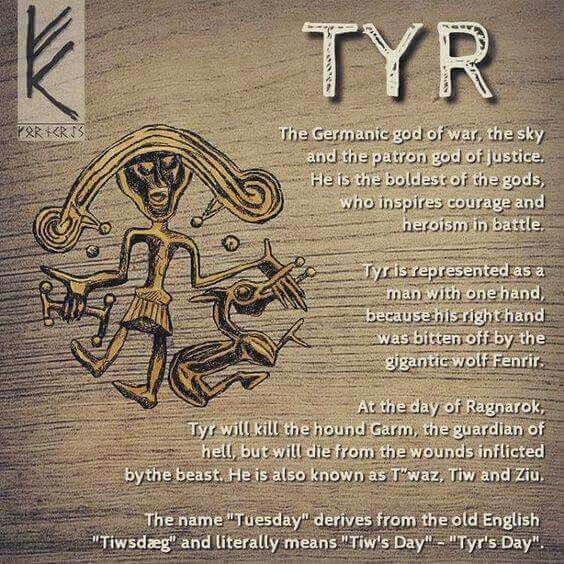
To truly grasp the strategic value of “Tyr” in branding, one must first delve into its origins and core mythology. “Tyr” is a venerable name from Norse mythology, identifying the one-handed god of law, justice, and heroic glory. His story is one of ultimate sacrifice, famously losing his hand to bind the monstrous wolf Fenrir, thus safeguarding the cosmic order. This act cemented his status as a paragon of duty, integrity, and selflessness in the face of chaos.

From Ancient Roots to Modern Resonance
The etymology of “Tyr” traces back to the Proto-Germanic Tīwaz, which in turn derives from the Proto-Indo-European dyeus, a root also found in names like “Zeus” and “Jupiter,” broadly meaning “sky god” or “daylight.” This lineage imbues “Tyr” with an inherent connection to fundamental concepts of order, light, and authority. For a brand, this ancient pedigree instantly elevates its perceived gravitas. It suggests a foundation built on enduring principles, a legacy of strength and unwavering purpose. The god Tyr embodies courage, a willingness to make difficult choices for the greater good, and an unyielding commitment to justice. These are not trivial attributes; they are bedrock values that resonate deeply across cultures and generations.
Beyond the Literal: Symbolic Power in Naming
When chosen for a brand, “Tyr” transcends its mythological origins to become a powerful symbol. It signals a brand that stands for more than just its product or service. It implies a commitment to excellence, integrity, and perhaps even a pioneering spirit. A brand named “Tyr” might inherently communicate reliability and trustworthiness, suggesting that it operates with a strong moral compass. It evokes a sense of protection and steadfastness, qualities highly valued by consumers seeking dependable solutions in an often uncertain market. The sacrifice aspect of Tyr’s myth can even subtly convey a brand’s dedication to its customers, implying a willingness to go above and beyond, to “lose a hand” for their benefit. This symbolic depth allows a brand to forge an immediate, emotional connection with its audience, building a narrative that is both profound and memorable.
Strategic Branding: Leveraging Mythological Archetypes
The deliberate choice of a name like “Tyr” is a masterclass in leveraging mythological archetypes for strategic branding. Archetypes are universal, primordial symbols and images that derive from the collective unconscious, possessing immense power to influence human thought and behavior. By aligning with the Tyr archetype, a brand taps into a rich vein of pre-existing associations, allowing for rapid brand recognition and an immediate understanding of its core values.
Crafting a Narrative: Storytelling through Naming
In an era saturated with information, brands that tell compelling stories cut through the noise. “Tyr” is not just a name; it’s the beginning of a story. It instantly conjures images of ancient strength, unwavering resolve, and a sense of destiny. This allows a brand to craft a narrative around these inherent qualities, distinguishing itself from competitors whose names might be more generic or purely descriptive. For instance, a cybersecurity firm named Tyr could position itself as the vigilant guardian, sacrificing complexity for the user’s peace of mind. A law firm could evoke a sense of unwavering justice. An outdoor gear company might signal durability and the spirit of adventure. The narrative potential is vast, allowing for rich content marketing, emotional advertising, and a brand persona that feels authentic and deeply rooted. This mythological storytelling provides a robust framework upon which all other brand communications can be built, ensuring consistency and depth.
Persona and Perception: What “Tyr” Communicates
The chosen name directly shapes the brand’s persona and how it is perceived by the market. “Tyr” communicates gravitas, seriousness of purpose, and an authoritative presence. It suggests a brand that is resolute, perhaps even unyielding in its commitment to quality or its mission. Consumers might perceive a “Tyr” brand as strong, reliable, and possessing deep expertise. It implies a brand that is a leader, not a follower, capable of confronting challenges head-on. This perception can be incredibly valuable in competitive industries where trust and steadfastness are paramount. For example, in financial services, “Tyr” could convey stability and prudent management; in manufacturing, it could signify robust engineering and durability. The underlying message is clear: this is a brand that can be counted on, a pillar of strength and integrity in its domain.
Target Audience Alignment: Connecting with Values
Understanding what “Tyr” means also helps in identifying and aligning with the right target audience. The attributes associated with Tyr – justice, courage, integrity, sacrifice – appeal strongly to individuals who value these qualities. A “Tyr” brand would likely resonate with an audience seeking reliability, ethical conduct, and strength in the products or services they consume. It might attract customers who appreciate heritage, quality craftsmanship, and brands that stand for something meaningful. This name could particularly appeal to an audience segment that is discerning, seeking robust solutions and a long-term relationship with brands they trust. By selecting a name steeped in such clear values, a brand can effectively communicate its ethos and attract a loyal customer base that shares its core principles, fostering a stronger, more authentic connection than generic branding often allows.
Design and Visual Identity: Reinforcing the “Tyr” Brand
A name as powerful as “Tyr” requires a visual identity that not only complements but also amplifies its inherent meaning. The design elements—logo, color palette, typography—must work in concert to reinforce the core attributes of strength, justice, and integrity associated with the god Tyr. This synergy between name and visuals creates a cohesive and impactful brand experience.
Logo and Imagery: Visualizing Strength and Purpose
The logo for a “Tyr” brand should ideally embody the essence of its namesake. This doesn’t necessarily mean a literal depiction of a one-handed god, but rather a sophisticated abstraction or symbol that evokes its qualities. Designs might incorporate strong, clean lines, geometric precision, or even subtle hints of ancient runic script to suggest heritage and unwavering structure. A stylized sword or a shield could symbolize protection and resolve. Alternatively, minimalist designs can convey authority and clarity without overt aggression. The key is to create an image that feels substantial, purposeful, and timeless, avoiding anything frivolous or overly ornate. The visual should suggest permanence and unshakeable belief in its mission, much like Tyr himself stood for the cosmic order. It should communicate that this brand is a force to be reckoned with, reliable and enduring.
Color Psychology: Enhancing Brand Messaging
The choice of colors is paramount in reinforcing the “Tyr” brand. Colors associated with strength, wisdom, and steadfastness are ideal. Deep blues and grays can convey professionalism, trustworthiness, and stability. Black often signifies power, sophistication, and timelessness. Metallic accents, such as silver or bronze, can evoke a sense of premium quality, heritage, and the martial aspect of Tyr without being overtly warlike. Earthy tones like deep greens or browns could link the brand to groundedness and organic strength. Avoiding overly bright, whimsical, or ephemeral colors ensures the visual identity maintains the gravitas and serious purpose inherent in the “Tyr” name. The color palette should feel balanced, authoritative, and reflective of a brand built on solid, enduring principles.
Tone of Voice: Speaking with Authority and Conviction
Beyond the visual, the “Tyr” brand’s tone of voice must consistently echo its chosen identity. Communication should be clear, direct, and authoritative, yet also ethical and trustworthy. Avoid slang, overly casual language, or anything that might undermine the brand’s perceived strength and integrity. The language should reflect a commitment to truth and transparency, perhaps using strong, declarative statements that inspire confidence. Whether in marketing copy, customer service interactions, or corporate communications, the voice should be consistent with the image of a brand that values justice, duty, and unwavering performance. This doesn’t mean being cold or unapproachable, but rather speaking with the measured confidence and conviction of a leader who is both powerful and just. The brand’s message should feel intentional, well-considered, and resolute, just as Tyr’s actions were driven by unwavering purpose.
Avoiding Pitfalls and Ensuring Authenticity
While a name like “Tyr” offers immense branding advantages, its potent associations also come with the responsibility of living up to the implied promise. Failing to do so can lead to a significant disconnect between brand perception and reality, eroding trust and damaging reputation.
The Double-Edged Sword of Strong Associations
The very strength of “Tyr’s” mythological associations can become a liability if the brand’s actions do not align. A name that suggests integrity and sacrifice, if associated with unethical practices or poor quality, will create a stark and damaging contrast. Consumers are quick to call out perceived hypocrisy. If a brand called “Tyr” were to falter in its commitments or demonstrate a lack of courage in its operations, the fall from grace could be steeper than for a more neutrally named entity. Therefore, the brand must consistently embody the values it invokes: honesty, resilience, dedication, and a clear sense of purpose. This demands rigorous internal alignment and a steadfast commitment to the brand’s core mission at every level of the organization.
Consistency Across Touchpoints
Authenticity for a “Tyr” brand hinges on unwavering consistency across every touchpoint. From product design and customer service to marketing campaigns and corporate social responsibility initiatives, every interaction must reinforce the brand’s narrative of strength, justice, and reliability. Inconsistent messaging or actions can quickly dilute the powerful identity cultivated by the name. For example, if the logo and messaging project an image of robust reliability, but the product itself is prone to failure, the brand’s credibility will suffer. This requires meticulous attention to detail and a holistic brand strategy that ensures every element, both tangible and intangible, speaks with one coherent, powerful voice.
Evolving the Myth: Modern Relevance Without Losing Roots
Finally, while “Tyr” draws power from ancient mythology, a brand must ensure it remains relevant in a contemporary context. The challenge is to leverage the timeless qualities of the archetype without appearing dated or out of touch. This involves a delicate balance of honoring the roots while innovating for the future. A “Tyr” brand can evolve its narrative, perhaps emphasizing a modern interpretation of justice (e.g., social responsibility, fair trade) or courage (e.g., sustainable innovation, ethical leadership). The core values remain, but their expression adapts to current societal needs and expectations. This ensures that the brand continues to resonate with new generations, maintaining its powerful identity while proving its enduring value in an ever-changing world.
aViewFromTheCave is a participant in the Amazon Services LLC Associates Program, an affiliate advertising program designed to provide a means for sites to earn advertising fees by advertising and linking to Amazon.com. Amazon, the Amazon logo, AmazonSupply, and the AmazonSupply logo are trademarks of Amazon.com, Inc. or its affiliates. As an Amazon Associate we earn affiliate commissions from qualifying purchases.