
The seemingly simple concept of a “time release pill” belies a sophisticated realm of pharmaceutical engineering, material science, and computational design. Far from being ordinary medication, these pills represent a crucial technological advancement in drug delivery, fundamentally altering how therapeutic compounds interact with the human body. At its core, a time-release pill is a meticulously engineered gadget designed to control the rate at which an active pharmaceutical ingredient (API) is liberated and absorbed into the bloodstream over an extended period. This controlled release mechanism stands in stark contrast to conventional immediate-release formulations, which dump their entire drug payload almost simultaneously upon ingestion. Understanding time release pills means delving into the innovative technologies that make sustained, predictable drug action possible.
The Engineering Marvel of Controlled Drug Delivery
The development of time-release technology emerged from a critical challenge in pharmacology: maintaining a drug’s therapeutic concentration in the blood for an optimal duration without frequent dosing or peaks and troughs that could lead to side effects or reduced efficacy. Immediate-release drugs, while effective for acute symptoms or when rapid onset is desired, often necessitate multiple doses throughout the day to sustain therapeutic levels. This can lead to compliance issues, inconvenient schedules, and an uneven drug concentration profile, resulting in periods of sub-therapeutic levels or potentially toxic peaks.
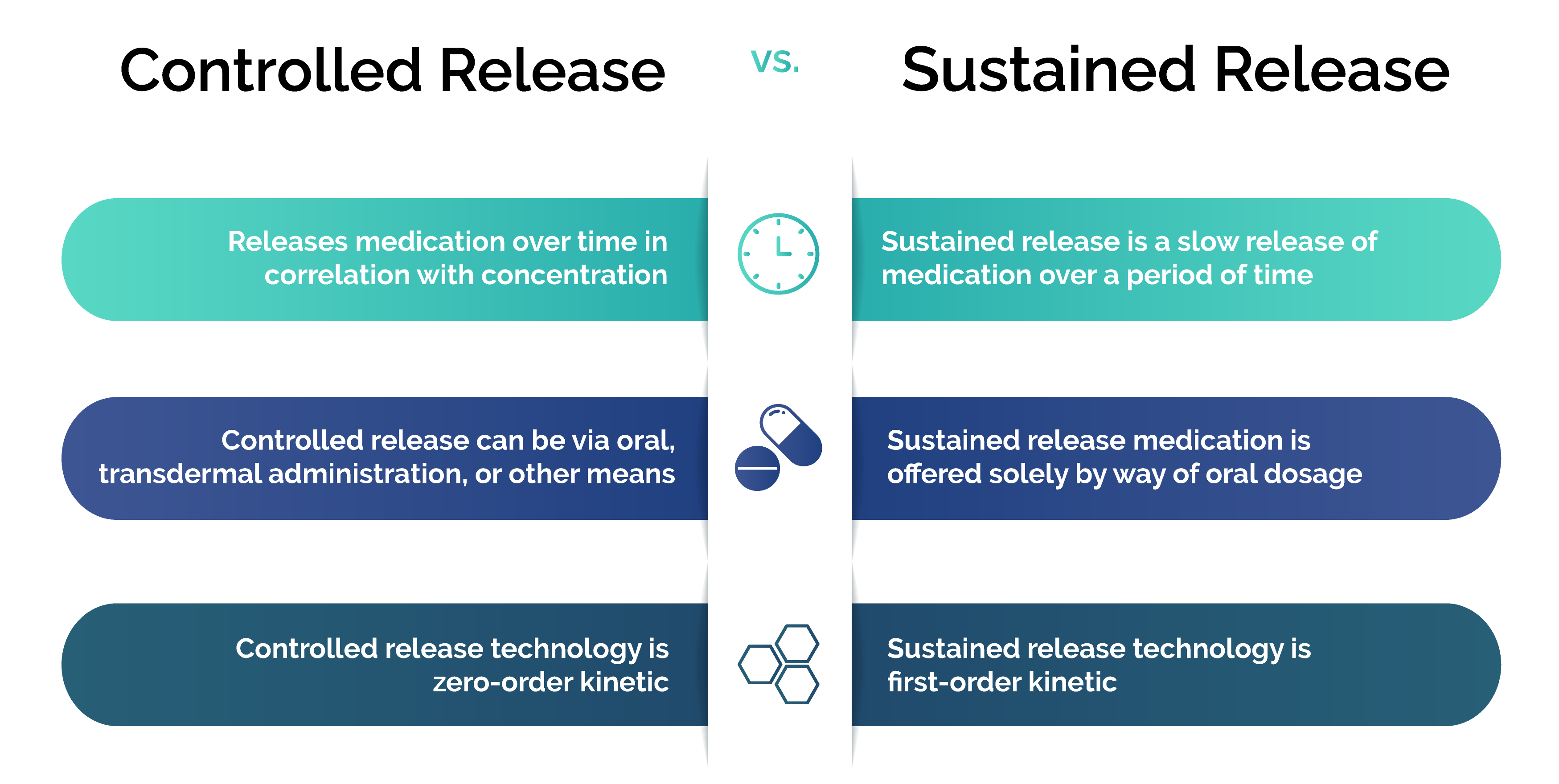
Time-release, or extended-release (ER), sustained-release (SR), prolonged-release (PR), or modified-release (MR) formulations, are a testament to advanced chemical and mechanical engineering applied to drug delivery. These systems are not merely slower-dissolving tablets; they are complex constructs employing various physical and chemical principles to dictate precisely when and how much drug is released. The objective is to achieve a steady-state drug concentration, ensuring continuous therapeutic benefit while minimizing fluctuations that can exacerbate side effects or reduce effectiveness. This precision drug delivery represents a significant leap in pharmaceutical technology, akin to upgrading from a simple switch to a finely tuned, programmable controller in other tech domains.
Mechanisms and Materials: The Core Technology
The ingenuity behind time-release pills lies in their diverse technological approaches to control drug diffusion, dissolution, and absorption. Each mechanism leverages specific materials and structural designs to achieve a programmed release profile.
Diffusion-Controlled Systems
Diffusion-controlled systems are among the most common and represent a primary technological pillar of time-release formulations. These systems rely on the slow movement of the drug through a semi-permeable barrier or a polymer matrix.
- Matrix Systems: Here, the drug is homogeneously dispersed within a non-erodible, insoluble polymer matrix (e.g., cellulose derivatives, polyethylene, poly(methyl methacrylate)). As gastrointestinal fluids penetrate the matrix, the drug slowly dissolves and diffuses out of the polymer network. The rate of release is governed by the drug’s solubility, the pore size within the matrix, and the tortuosity of the diffusion path. These systems are akin to a sophisticated sponge that gradually lets go of its contents.
- Reservoir Systems (Membrane-Controlled): In these designs, the drug is contained within a core reservoir, which is then coated with a rate-controlling, semi-permeable polymer membrane. The membrane allows gastrointestinal fluids to diffuse inward, dissolve the drug, and then allows the dissolved drug to diffuse outward. The thickness, permeability, and surface area of the coating are precisely controlled during manufacturing to dictate the release rate. This is analogous to a tiny, precisely engineered filter or membrane separating the drug from its environment, releasing it at a measured pace. Multi-layered coatings can even create complex release profiles, such as an initial burst followed by sustained release.
Dissolution-Controlled Systems
These systems depend on the gradual dissolution of the drug itself or a barrier surrounding it.
- Encapsulation Systems: The drug particles are individually coated with a slowly dissolving or erodible material. The thickness and composition of these coatings determine the rate at which the drug becomes exposed and available for dissolution. This can involve multiple layers, sometimes even creating beads with different coating thicknesses to achieve a staggered release over time. Think of it as individually shrink-wrapping each tiny drug particle with a material designed to degrade at a specific rate.
- Matrix Erosion Systems: Similar to matrix diffusion, but here the polymer matrix itself erodes or dissolves over time, gradually exposing and releasing the embedded drug. Biodegradable polymers are often used, which slowly break down in the body. This is a “self-destructing” delivery system, where the container itself contributes to the release mechanism.
Osmotic Systems
Osmotic drug delivery systems are among the most technologically advanced, often resembling miniature, implantable pumps. They utilize osmotic pressure to create a precisely controlled drug release.

- Elementary Osmotic Pump (EOP): A core containing the drug and an osmotic agent is encased within a semi-permeable membrane with a laser-drilled orifice. When the tablet is ingested, water from the gastrointestinal tract is drawn into the core through the membrane due to osmotic pressure. This inward flow of water creates pressure inside the tablet, forcing the dissolved drug solution out through the small orifice at a constant rate, independent of the pH of the gut. This is a highly sophisticated, constant-rate delivery device, showcasing exquisite micro-engineering.
Ion-Exchange Resins
In these systems, the drug forms a complex with an ion-exchange resin. The drug is then released when ions present in the gastrointestinal fluids (e.g., sodium, chloride) exchange with the drug molecules on the resin. This process is pH-dependent and can be designed for specific release profiles within different parts of the GI tract. This leverages specific chemical interactions as the trigger for release, a form of smart material response.
Advantages and Applications: Why This Tech Matters
The technological sophistication of time-release pills translates into significant practical benefits, impacting patient care, drug efficacy, and the overall landscape of pharmacotherapy.
Enhanced Patient Adherence
One of the most immediate and profound benefits is the simplification of dosing regimens. Instead of taking a pill multiple times a day, a patient might only need to take one once or twice. This drastically improves patient compliance, as forgotten doses are minimized, and the burden of medication management is reduced. From a user experience perspective, this makes medication less intrusive and easier to integrate into daily life, which is critical for chronic conditions requiring long-term treatment. This parallels the intuitive design principles seen in consumer tech, where ease of use drives adoption.
Optimized Therapeutic Outcomes
By maintaining steady drug concentrations, time-release pills can enhance therapeutic efficacy and minimize adverse effects. Preventing “peak-and-trough” drug levels means fewer instances of drug-induced toxicity (due to high peaks) and fewer periods where the drug concentration falls below the minimum effective level (due to low troughs). This consistent therapeutic window leads to better disease management and a more predictable patient response. For drugs with narrow therapeutic windows, where the difference between efficacy and toxicity is small, this precision delivery is invaluable.
Drug Specificity and Life Cycle Management
Time-release technology can be tailored to the specific pharmacokinetic and pharmacodynamic properties of individual drugs. For drugs with short half-lives, it can extend their duration of action. For drugs that are irritating to the gastric mucosa, coatings can delay release until the pill reaches the intestine. This adaptability makes time-release a versatile platform technology. Furthermore, for pharmaceutical companies, developing time-release versions of existing drugs can extend patent protection and market exclusivity, representing strategic intellectual property management in a highly competitive industry. It breathes new life into established compounds, a form of technological innovation through re-engineering.

The Future of Smart Pills and Advanced Delivery Systems
The trajectory of time-release technology is pointing towards even greater sophistication, blurring the lines between traditional pharmaceuticals and advanced medical devices. The future envisions “smart pills” that can interact more intelligently with the body and external digital systems.
One significant trend is the integration of digital health components. Pills equipped with tiny ingestible sensors can confirm adherence by sending a signal to a wearable device or smartphone application when they dissolve in the stomach. This not only verifies that a dose was taken but can also log the exact time, providing valuable data for patients, caregivers, and healthcare providers. This confluence of pharmaceuticals and IoT (Internet of Things) devices represents a new frontier in personalized medicine and remote monitoring.
Further innovations include nanotechnology-based drug delivery systems, where drugs are encapsulated in nanoparticles or nanocarriers that can be programmed for targeted delivery to specific cells or tissues, reducing systemic side effects and improving efficacy. There is also research into externally controllable release systems, where a drug’s release can be triggered or modulated by external stimuli such as magnetic fields, ultrasound, or light, offering unprecedented control over drug action in real-time.
As our understanding of biological systems deepens and material science continues to advance, time-release pills will evolve from their current sophisticated forms into truly adaptive and interactive therapeutic agents. They are not just drugs; they are micro-engineered systems, intelligent delivery platforms, and a cornerstone of modern technological medicine, continuously pushing the boundaries of how we treat and manage health.
aViewFromTheCave is a participant in the Amazon Services LLC Associates Program, an affiliate advertising program designed to provide a means for sites to earn advertising fees by advertising and linking to Amazon.com. Amazon, the Amazon logo, AmazonSupply, and the AmazonSupply logo are trademarks of Amazon.com, Inc. or its affiliates. As an Amazon Associate we earn affiliate commissions from qualifying purchases.