
The Pokémon Trading Card Game (TCG) stands as a monumental pillar in the realm of collectible products, its longevity and global appeal testament to astute brand management and an intrinsically engaging product design. Central to its enduring success and the meticulous strategy behind its brand identity are the unassuming symbols printed on each card’s bottom-right corner. Among these, the star holds a particularly significant position, acting as a crucial signifier within the Pokémon brand ecosystem, communicating rarity, driving collector engagement, and shaping the product’s perceived value. Far from being a mere decorative element, the star is a strategic branding device that underpins the game’s collectible nature and contributes profoundly to the brand’s financial health and cultural impact.

The Star as a Keystone of Pokémon TCG’s Brand Identity
At its core, the star symbol on a Pokémon card is a direct brand communication mechanism. It instantly conveys a critical piece of information about the card’s availability, scarcity, and thus, its inherent collectibility. This design choice is not accidental; it’s a deliberate strategy to build a tiered product experience, encouraging repeat purchases and fostering a deep sense of engagement within its vast consumer base.
Visual Semiotics: Communicating Rarity Through Design
In brand design, symbols are powerful tools for communicating complex ideas swiftly and universally. The Pokémon TCG leverages visual semiotics to perfection. A circle signifies commonality, a diamond indicates uncommon status, and the star proudly denotes rarity. This simple, universally understood iconography transcends language barriers, immediately informing players and collectors across the globe about a card’s placement within the set’s distribution hierarchy. This clarity is paramount for a global brand, ensuring consistent understanding and interaction with the product regardless of the consumer’s geographic location or linguistic background. The star, therefore, becomes a shorthand for excitement, a visual cue that signals a desirable acquisition and reinforces the brand’s promise of discovery and reward.
Establishing Collectibility: A Core Brand Pillar
The very essence of a collectible card game lies in its ability to inspire collection. The Pokémon brand strategically utilizes rarity symbols to structure this experience. By delineating cards into distinct rarity tiers, the brand manufactures an inherent challenge and reward system. The star-marked cards become the sought-after prizes, the “chase” cards that fuel the thrill of opening booster packs. This structured rarity is a fundamental pillar of the Pokémon TCG’s brand strategy, ensuring that the act of collecting is not merely about accumulating items but about pursuing specific, harder-to-find treasures. This strategy not only sustains interest but also creates a dynamic secondary market, which further elevates the brand’s prestige and market presence by assigning tangible value to its rare offerings.
Decoding the Rarity Symbols: An Overview
Understanding the star requires contextualizing it within the broader system of rarity symbols employed by the Pokémon TCG. Each symbol plays a distinct role in the brand’s product architecture, contributing to a holistic collecting experience.
The Common Circle: Accessibility and Foundation
The circle symbol represents common cards. These are the foundational elements of any Pokémon TCG set, comprising the majority of cards one will encounter. From a brand perspective, common cards ensure accessibility. They make it easy for new players to acquire a playable deck and immerse themselves in the game without significant investment. Their abundance means that even casual collectors can quickly build a substantial collection, fostering a sense of progress and encouraging continued engagement with the brand. While not highly valuable, common cards are vital for teaching gameplay mechanics and introducing characters, serving as the accessible entry point to the brand.
The Uncommon Diamond: Stepping Up Engagement
The diamond symbol denotes uncommon cards. These cards are less frequently found than common cards but are not considered rare. From a brand strategy standpoint, uncommon cards introduce a subtle layer of depth and progression. They offer more unique abilities or feature less common Pokémon, providing players with more strategic options and collectors with slightly more intriguing additions to their binders. The diamond encourages players to delve a bit deeper into the game’s mechanics and explore a wider array of Pokémon, gently nudging them towards greater involvement with the brand’s expansive universe.
The Rare Star: The Apex of Standard Rarity
The star is the symbol for rare cards, representing the pinnacle of standard rarity within a set. These cards are significantly harder to find than common or uncommon cards, appearing only a few times per booster box. For the brand, rare cards are the primary drivers of excitement and sustained interest. They often feature powerful Pokémon, unique art, or fan-favorite characters, making them highly desirable. The pursuit of star-marked cards is a core psychological driver for collectors, imbuing the brand experience with a thrilling “hunt” aspect. The rarity assigned by the star directly correlates with a perception of enhanced value and exclusivity, reinforcing the brand’s premium appeal within the collectible market.
Beyond the Basic Star: Special Rarity Markings and Brand Expansion
The Pokémon TCG brand has innovated beyond the basic circle, diamond, and star to introduce an array of special rarity symbols and variations, further segmenting its product offerings and enhancing collectibility. These include:
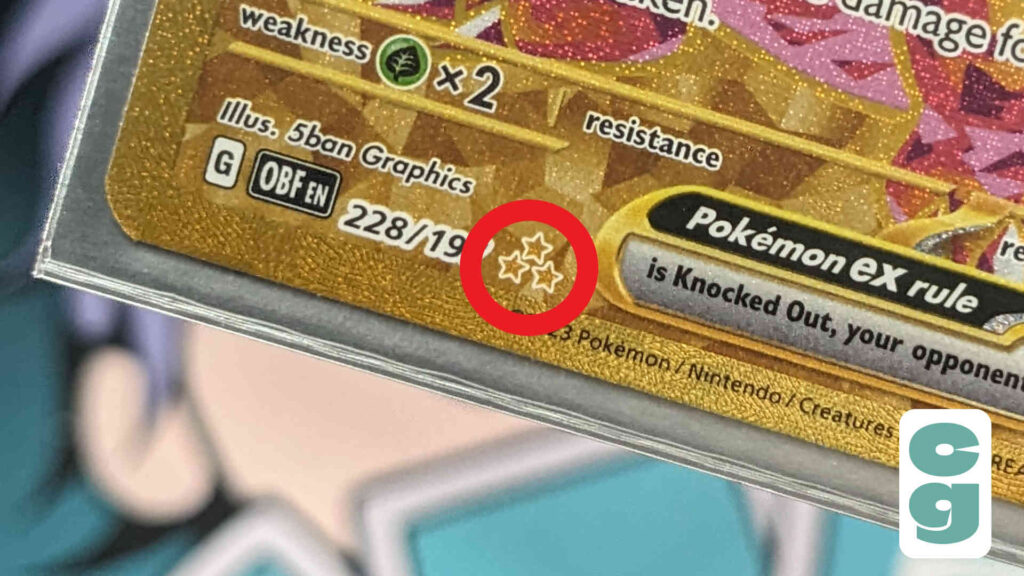
- Holo Rare Stars: A standard star with a holographic pattern on the illustration, offering an aesthetic upgrade that signifies an even more desirable find. This adds another layer of “specialness” to the rare category.
- Reverse Holo Stars: Where the entire card, except the illustration, is holographic. This variation encourages collecting multiple versions of the same card, boosting product sales.
- Promo Stars: Unique star-like symbols or a simple black star with the word “PROMO” to denote cards released outside of standard booster packs, often tied to events, movies, or special promotions. These are crucial for building brand loyalty and celebrating key milestones.
- Secret Rare Stars: Distinguished by a card number that exceeds the stated set size (e.g., 121/120), these are extremely rare and highly coveted. The subtle branding choice of an “over-number” system creates an element of mystery and surprise, amplifying the thrill of discovery and reinforcing the perception of ultimate rarity and value.
- Shining Stars and Gold Stars: Historically, these represent specific, ultra-rare card types with distinct artistic treatments. Their unique branding within the star category signals exceptional scarcity and often commands the highest secondary market values, cementing their status as iconic collector items and elevating the brand’s prestige.
These expanded rarity indicators showcase the brand’s sophisticated approach to product differentiation, allowing for continuous innovation within the collectible framework while maintaining core brand recognition.
Brand Strategy and Consumer Psychology: The Power of Rarity
The strategic use of the star symbol is deeply rooted in consumer psychology, leveraging human tendencies towards collecting, status, and perceived value. The brand effectively harnesses these psychological triggers to cultivate a loyal and engaged audience.
Driving Desire and Engagement: The Hunt for the Star
The allure of the rare star card taps into the innate human desire for discovery and achievement. Each booster pack opened is a mini-lottery, and the potential of finding a star-marked card provides a powerful incentive for continuous engagement. This “hunt” creates an exciting, suspenseful experience that differentiates the Pokémon TCG from other forms of entertainment. The brand effectively markets not just the cards themselves, but the thrilling experience of acquiring them, making the pursuit of the star an integral part of its value proposition. This leads to higher rates of repeat purchases and sustained customer loyalty.
Fostering Community and Trade: Shared Brand Experiences
Rarity, signified by the star, also plays a pivotal role in community building. Discussions about pulls, trades for specific rare cards, and shared excitement over finding a highly sought-after star card are common within the Pokémon TCG community. This social aspect strengthens the brand’s ecosystem, creating a sense of belonging among players and collectors. The star acts as a currency of social interaction, facilitating exchanges and conversations that deepen the bond between individuals and the brand itself. This organic community engagement is invaluable for long-term brand health.
The Secondary Market: Reinforcing Brand Value and Longevity
Perhaps one of the most significant impacts of the star’s meaning is its influence on the secondary market. Rare, star-marked cards often command substantial prices from collectors and investors. This vibrant secondary market is not merely an external phenomenon; it is a crucial component of the Pokémon brand’s overall strategy. The high monetary value of rare cards reinforces the perception of the brand’s products as valuable assets, not just ephemeral playthings. This tangible value enhances the brand’s prestige, attracts new audiences (including investors), and provides a robust framework that assures collectors their acquisitions might appreciate over time. The star, therefore, indirectly contributes to the brand’s economic stability and longevity by legitimizing its products as long-term investments.
Evolution of Rarity Symbols in Brand Design
The Pokémon TCG has been active for over two decades, and while the core rarity symbols (circle, diamond, star) have remained remarkably consistent, their application and accompanying design elements have evolved.
Consistency Amidst Expansion: Maintaining Brand Recognition
The enduring presence of the star as the primary rarity indicator demonstrates the brand’s commitment to consistent visual language. This consistency is vital for maintaining brand recognition across numerous sets, languages, and generations of players. Despite countless new Pokémon and gameplay mechanics, the fundamental understanding of what a star means on a card has remained unchanged, providing a stable anchor for collectors and players as the brand continues to expand and innovate. This stability fosters trust and familiarity, key components of a strong, lasting brand.
Adapting to New Product Lines: Special Editions and Promos
As the Pokémon brand has diversified into various product lines – from booster packs and theme decks to collector’s tins and special boxes – the rarity symbols have adapted. Promotional cards, often marked with unique star variants or specific “PROMO” text, serve to create distinct value propositions and encourage participation in brand events. The strategic use of these unique rarity markers for special editions allows the brand to segment its market, catering to different collector demographics and creating excitement around limited-time offerings. This flexibility within a consistent framework highlights the brand’s agility and responsiveness to market trends without diluting its core identity.

The Star’s Enduring Legacy in the Pokémon Brand Ecosystem
Ultimately, the star on a Pokémon card is far more than a simple symbol; it is a meticulously crafted element of a powerful global brand’s strategy. It communicates rarity, drives consumer desire, fosters community, and underpins a thriving secondary market that contributes significantly to the brand’s value and longevity. Its consistent presence across decades of releases speaks to its effectiveness as a brand communication tool, solidifying its place as an enduring legacy within the expansive and beloved Pokémon universe. The pursuit of that elusive star card remains a core, thrilling experience for millions, a testament to its pivotal role in the ongoing success story of the Pokémon TCG brand.
aViewFromTheCave is a participant in the Amazon Services LLC Associates Program, an affiliate advertising program designed to provide a means for sites to earn advertising fees by advertising and linking to Amazon.com. Amazon, the Amazon logo, AmazonSupply, and the AmazonSupply logo are trademarks of Amazon.com, Inc. or its affiliates. As an Amazon Associate we earn affiliate commissions from qualifying purchases.