
The scarab, an ancient Egyptian emblem, holds a mystique that transcends millennia. Far from being merely an antique curiosity, its rich symbolic meaning offers invaluable insights for contemporary brand strategy, corporate identity, and compelling marketing narratives. Understanding what the scarab truly represents is not just an exercise in history; it’s a deep dive into archetypal meanings that can inform how brands build trust, communicate values, and resonate on a profound level with their audience. For businesses seeking to craft an identity that is both enduring and impactful, the scarab serves as a potent case study in the power of symbolic communication.
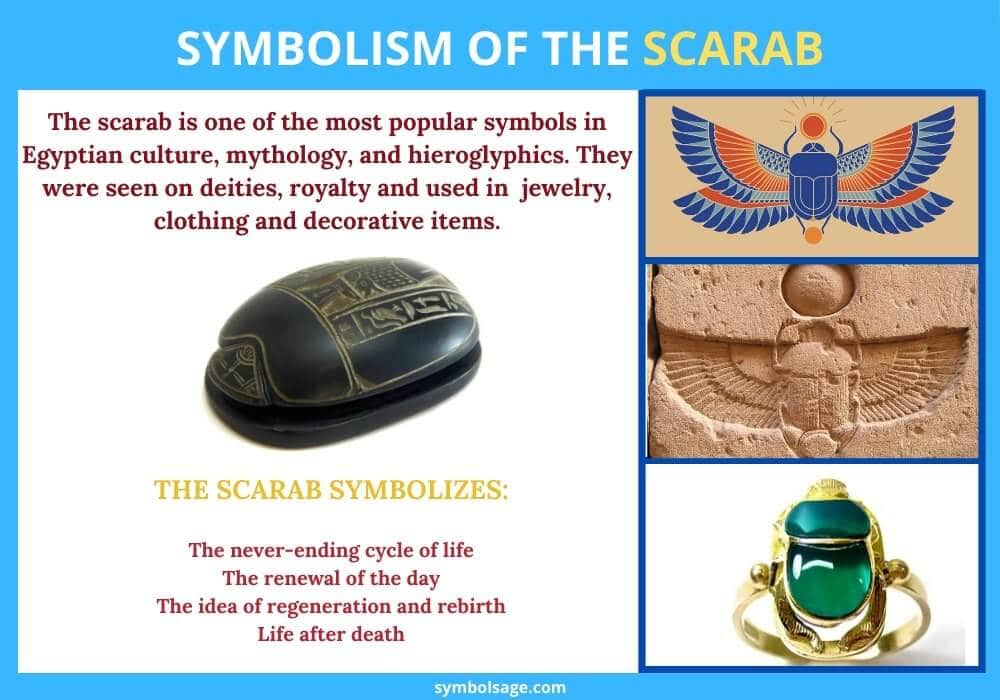
The Scarab’s Enduring Legacy as a Symbol of Meaning
At its core, branding is about imbuing a name, design, or symbol with meaning that distinguishes one offering from another. The scarab beetle, specifically Scarabaeus sacer, was revered in ancient Egypt for its unique behaviors, which were interpreted as divine acts. This reverence transformed a simple insect into one of the most powerful and pervasive symbols of an entire civilization, a testament to how deep meaning can be embedded into an identifiable form.
Ancient Origins and Core Symbolism
The scarab’s primary association stems from its habit of rolling a ball of dung across the ground, an act the Egyptians observed and interpreted as a parallel to the sun god Ra rolling the sun across the sky each day. This observation led to several profound meanings:
- Rebirth and Regeneration: Just as the sun “dies” each evening and is “reborn” each morning, the scarab’s journey mirrored this cosmic cycle. Furthermore, scarab larvae emerging from the dung ball were seen as spontaneous creation, embodying the concept of self-generation and renewed life. For a brand, this symbolizes innovation, continuous improvement, and the ability to reinvent and stay relevant.
- Protection and Amuletic Power: Scarabs were widely used as amulets, believed to offer protection to the living and the dead. This protective quality suggests reliability, security, and a guardian spirit—attributes highly desirable for financial institutions, cybersecurity firms, or health-related brands.
- Creation and Transformation: Khepri, the manifestation of the rising sun god, was often depicted with a scarab beetle head, signifying creation, growth, and the transformative power of dawn. A brand embracing this symbolism might highlight its role in transforming industries, fostering growth, or creating new solutions.
Universality of Symbolic Communication
The longevity and widespread appeal of symbols like the scarab underscore a fundamental truth in brand strategy: humans are hardwired to respond to symbols. Long before written language, symbols conveyed complex ideas, emotions, and affiliations. A well-chosen brand symbol or motif, even if not directly a scarab, taps into this innate human capacity for understanding nuanced meaning beyond literal translation. It allows a brand to communicate its essence without words, fostering immediate recognition and emotional connection. The scarab’s journey from a humble beetle to a powerful emblem illustrates the profound impact a symbol can have when its meaning aligns with deeply held beliefs and aspirations.
Decoding the Scarab for Modern Brand Identity
Translating ancient symbolism into modern brand strategy requires a nuanced understanding of the desired emotional resonance and strategic objectives. The scarab’s multifaceted meanings provide a rich palette for brands aiming for distinct positioning.
Rebirth and Renewal: A Powerful Brand Narrative
For brands in sectors characterized by rapid change, innovation, or a commitment to sustainability, the scarab’s association with rebirth and regeneration is highly pertinent. Consider a tech startup that aims to disrupt an industry, a fashion brand focusing on sustainable materials and cyclical fashion, or a personal development platform.
- Narrative Application: Such brands can weave stories around transformation, new beginnings, resilience in the face of challenges, and continuous evolution. Their visual identity might incorporate elements that suggest motion, unfolding, or a phoenix-like rise.
- Marketing Angle: Campaigns could focus on “redefining,” “reimagining,” or “renewing” experiences, products, or services. This resonates with consumers seeking freshness, progress, and a forward-looking perspective.
Protection and Prosperity: Building Trust and Value
The scarab as an amulet of protection and a harbinger of good fortune offers compelling attributes for brands where trust, security, and long-term value are paramount. This is particularly relevant for financial services, insurance companies, data security firms, or even luxury brands that promise enduring quality and a safe investment.
- Narrative Application: Brands can build a persona of a reliable guardian, a secure foundation, or a prudent guide. Their messaging would emphasize safety, stability, foresight, and the preservation of assets or well-being.
- Marketing Angle: Visuals might evoke strength, solidity, and a sense of guardianship. Testimonials and case studies could highlight how the brand safeguards its clients’ interests, fostering a sense of peace of mind and long-term prosperity.
Creation and Transformation: Innovating Brand Presence

Khepri, the scarab-headed god of the rising sun, personified the creative force that brought the world into being each morning. This aspect of the scarab’s meaning is ideal for brands that position themselves as creators, innovators, or catalysts for change. Think of design agencies, software developers, educational institutions, or manufacturers of cutting-edge products.
- Narrative Application: These brands can tell stories of bringing new ideas to life, pioneering solutions, or enabling their customers to create and achieve more. Their brand promise centers on empowerment through innovation.
- Marketing Angle: The focus would be on demonstrating how their products or services transform challenges into opportunities, evolve capabilities, or inspire creative breakthroughs. The brand becomes synonymous with ingenuity and progress.
Integrating Deep Symbolism into Corporate Design and Messaging
The power of a symbol lies in its ability to condense complex ideas into an easily digestible form. For corporate identity, this means meticulously aligning visual elements and verbal messaging with the chosen symbolic meaning.
Visual Identity: More Than Just an Emblem
A scarab-like approach to visual identity goes beyond simply depicting the beetle. It involves understanding the essence of its meaning and translating that into design principles.
- Color Palettes: Colors associated with the sun (gold, orange), earth (browns, greens), or the cosmos (deep blues, purples) can subtly evoke aspects of the scarab’s symbolism.
- Shape and Form: Circular motifs, continuous lines suggesting movement, or segmented patterns that hint at the scarab’s carapace can be incorporated into logos, typography, and iconography. The overall aesthetic should reflect the chosen meaning—be it resilient, transformative, or protective.
- Materiality and Texture: For physical products or retail spaces, textures that evoke ancient stone, polished metals, or organic forms can reinforce the brand’s connection to enduring quality or natural cycles.
Brand Storytelling: Leveraging Myth and Metaphor
Effective brand storytelling leverages archetypes and metaphors to create deeper connections. Instead of explicitly stating “we offer protection,” a brand can weave a narrative that shows its protective qualities through stories of resilience, stewardship, or overcoming adversity.
- Metaphorical Language: Using language that subtly references cycles, genesis, safeguarding, or evolution can enrich brand messaging without being overly literal. For example, a financial advisor might speak of “cultivating growth” or “securing your future’s foundation.”
- Customer Journey as Transformation: Frame the customer’s interaction with the brand as a journey of transformation—from a problem state to a solution, from potential to realization, much like the scarab’s own symbolic journey.
Brand Archetypes: The Scarab as an Archetypal Force
Carl Jung’s concept of archetypes offers a framework for understanding universal patterns of human experience. The scarab can embody several archetypes relevant to branding:
- The Creator: Focused on innovation, originality, and bringing new things into existence.
- The Sage: Committed to truth, wisdom, and guiding others to understanding.
- The Caregiver: Driven by protection, nurturing, and providing security.
- The Innocent: Desiring simplicity, goodness, and renewal.
- The Magician: Aiming for transformation, making dreams come true, and turning something ordinary into extraordinary.
By aligning the brand with a scarab-inspired archetype, businesses can create a more consistent, compelling, and deeply resonant brand personality that speaks directly to the subconscious desires of their target audience.
Case Studies and Contemporary Applications
While few modern brands explicitly use a scarab in their logo, the principles derived from its meaning are widely applied. Consider brands that successfully convey rebirth, protection, or creation through their chosen symbols and narratives.
Crafting a Timeless Brand Persona
A brand aiming for timelessness, much like the enduring scarab, focuses on universal values rather than fleeting trends. They might adopt a logo that uses classic proportions, strong geometric shapes, or elements that suggest continuous motion or growth. Their messaging would emphasize legacy, durability, and a vision that extends beyond the immediate. A financial planning firm, for instance, might use imagery of ancient, strong trees or serene, flowing rivers to evoke growth and security, mirroring the scarab’s promise of prosperity and protection.

Avoiding Misinterpretation: Cultural Nuance in Symbol Use
Crucially, when drawing inspiration from ancient symbols, brands must conduct thorough cultural sensitivity research. While the scarab is generally positive, misinterpreting or misapplying a symbol can lead to negative associations or perceived appropriation. Understanding the full spectrum of a symbol’s meaning across different cultures and contexts is vital. For global brands, this means ensuring that the chosen symbolic language translates effectively and positively in all target markets, reinforcing trust rather than causing confusion or offense. The scarab, with its predominantly positive and ancient associations, offers a relatively safe yet deeply powerful wellspring of symbolic meaning for brand strategists to explore.
In conclusion, the question “what does the scarab mean?” opens a gateway to understanding the profound impact of symbolism on human perception. For brand builders, it’s a lesson in crafting identities that are not just recognizable, but deeply meaningful, resonating with archetypal aspirations for protection, transformation, and enduring value. By thoughtfully integrating such rich symbolism, brands can forge connections that transcend mere transactions, building legacies as enduring as the scarab itself.
aViewFromTheCave is a participant in the Amazon Services LLC Associates Program, an affiliate advertising program designed to provide a means for sites to earn advertising fees by advertising and linking to Amazon.com. Amazon, the Amazon logo, AmazonSupply, and the AmazonSupply logo are trademarks of Amazon.com, Inc. or its affiliates. As an Amazon Associate we earn affiliate commissions from qualifying purchases.