
The pine tree, an evergreen stalwart of forests across the globe, holds a rich tapestry of symbolism that has been woven into cultures, folklore, and art for millennia. Far from being merely an arboreal species, the pine embodies a powerful set of values and characteristics that can be profoundly resonant for brands seeking to communicate specific attributes to their audience. Understanding what the pine tree represents is not just an exercise in cultural interpretation; it is a strategic insight into how deep-seated archetypes can be leveraged to forge a compelling and authentic brand identity.

The Enduring Symbolism of the Pine Tree
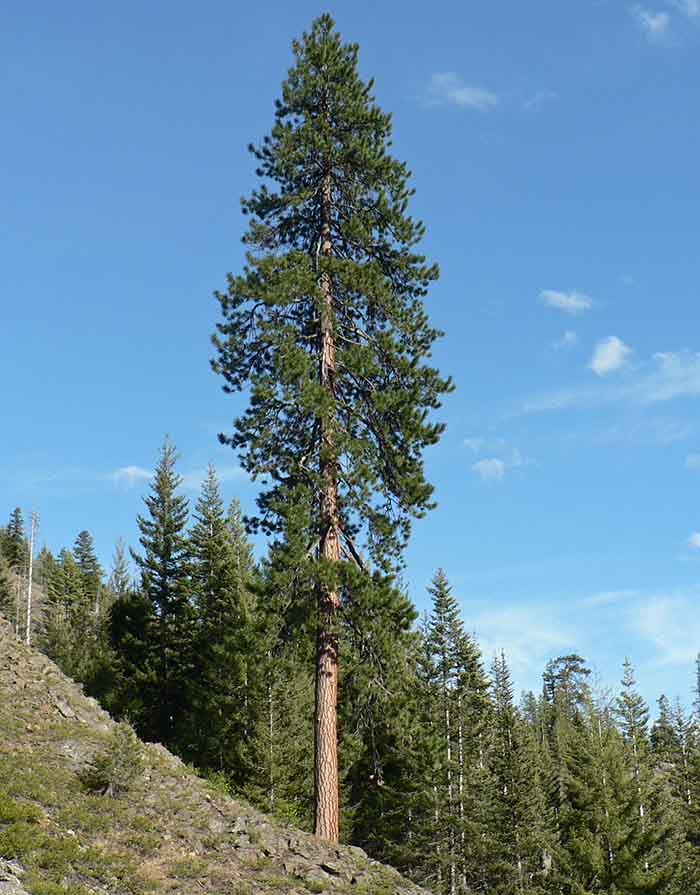
The symbolic power of the pine tree stems from its distinct physical properties and its ability to thrive in challenging environments. Unlike deciduous trees that shed their leaves with the seasons, the pine remains green throughout the year, a characteristic that forms the cornerstone of much of its meaning. This evergreen quality, coupled with its resilience and often majestic stature, has cemented its place in the collective consciousness as a potent symbol.
Resilience and Longevity
One of the most prominent representations of the pine tree is its unparalleled resilience and longevity. Pines are known to grow in diverse and often harsh climates, from rocky mountainsides to sandy coasts, enduring freezing winters and dry spells with steadfast determination. This inherent toughness makes the pine an ideal symbol for brands that wish to convey durability, reliability, and an enduring presence. A company that aligns itself with the pine’s resilience suggests a product or service built to last, capable of weathering economic shifts or market challenges, and offering consistent value over time. For industries requiring trust and stability, such as financial services, manufacturing, or infrastructure, embracing this aspect of the pine’s symbolism can be incredibly powerful.
Growth and Renewal
Despite its appearance of unchanging endurance, the pine tree is a testament to continuous growth and renewal. Its cones release seeds, perpetuating new life, and its branches reach skyward, slowly but steadily expanding its reach. This aspect signifies progress, development, and the cyclical nature of life. Brands focused on sustainability, innovation, or personal development can tap into this symbolism to articulate their commitment to forward momentum and positive change. A brand promoting educational tools, health and wellness products, or environmental initiatives could effectively communicate its mission by subtly referencing the pine’s evergreen growth, suggesting a journey of continuous improvement and vitality.
Connection to Nature and Wilderness
The pine tree is an iconic inhabitant of wild landscapes, evoking images of pristine forests, fresh air, and untouched wilderness. It represents a deep connection to nature, authenticity, and untamed beauty. For brands in the outdoor recreation industry, eco-tourism, organic products, or natural remedies, this association is invaluable. It helps establish a brand as genuine, wholesome, and in harmony with the natural world. Leveraging the pine’s natural imagery can transport consumers to a place of tranquility and purity, aligning the brand with values of sustainability, health, and a return to simpler, more authentic experiences. This connection can foster a sense of trust and credibility, especially in markets where consumers are increasingly prioritizing ethical and environmentally conscious choices.
Steadfastness and Hope
In many cultures, the pine tree, particularly during winter months when other trees are bare, has been seen as a symbol of steadfastness and hope. Its perpetual green foliage stands as a beacon of life and promise amidst dormancy. This makes it a compelling emblem for brands that aim to inspire confidence, offer a sense of security, or provide guidance. A non-profit organization, a community-focused business, or a brand offering supportive services might adopt this symbolism to convey reliability and an unwavering commitment to their cause or clientele. It reassures customers that even in uncertain times, the brand remains a constant, dependable presence.
Leveraging Pine Symbolism in Brand Identity
Understanding the multifaceted symbolism of the pine tree is the first step; the next is strategically integrating these meanings into a brand’s identity. This goes beyond merely placing a tree image in a logo; it involves a holistic approach that permeates visual design, messaging, and overall brand narrative.
Crafting a Visually Resonant Logo
The most immediate application of pine symbolism is often in logo design. A stylized pine tree or a distinct pine branch can instantly evoke the desired attributes. However, subtlety is key. Designers can abstract the form, use specific color palettes (greens, browns, earthy tones), or incorporate textures that hint at the pine’s rugged elegance. The choice between a realistic depiction and an abstract form depends on the brand’s overall aesthetic and target audience. For a luxury eco-brand, a refined, minimalist pine silhouette might communicate sophistication and natural purity. For a rugged outdoor gear brand, a more textured, robust depiction could convey strength and adventure. The goal is to create a visual mark that is not only aesthetically pleasing but also pregnant with the intended symbolic meaning.
Storytelling Through Evergreen Values
Beyond the visual, the pine tree’s symbolism offers a rich foundation for brand storytelling. A brand can weave narratives around its own journey of resilience, its commitment to sustainable growth, or its deep roots in a particular tradition or community. For example, a furniture company might tell the story of sourcing durable, sustainably harvested wood, much like the enduring pine forests. A technology firm could speak to its evergreen innovation and its steadfast commitment to adapting and renewing its offerings. These stories, when authentically told, resonate deeply with consumers who seek brands that stand for something meaningful and enduring. The narrative should echo the pine’s qualities, establishing a consistent brand voice that reflects these values.
Marketing Authenticity and Durability
In marketing campaigns, pine symbolism can be used to underscore a brand’s authenticity and the durability of its products or services. Imagery of serene pine forests, metaphors comparing product longevity to the life of a pine, or taglines that hint at “evergreen solutions” can be highly effective. This approach is particularly powerful for products designed for longevity, services that provide long-term benefits, or brands that emphasize natural ingredients and sustainable practices. Marketing efforts can focus on the purity, strength, and timelessness associated with the pine, distinguishing the brand in a crowded marketplace where fleeting trends often dominate. By aligning with the pine, a brand positions itself as a beacon of steadfast quality and genuine value.
Case Studies: Brands Embracing Pine Imagery (and their symbolic alignment)
While direct adoption of a pine tree in a logo is evident in many businesses, the subtle incorporation of its symbolic values is even more widespread, influencing brand ethos even without an explicit visual.
Outdoors & Adventure Brands
Perhaps the most obvious category, outdoor and adventure brands frequently draw upon pine symbolism. Companies selling hiking gear, camping equipment, or offering wilderness experiences often use pine imagery or related motifs to instantly communicate their connection to nature, resilience, and the rugged spirit of exploration. Their branding often emphasizes durability, the ability to withstand harsh conditions (like a pine tree), and an authentic, unadulterated experience of the natural world. Think of brands whose logos feature mountain ranges dotted with conifers, or whose product names evoke forest landscapes. They are implicitly promising equipment that will endure the wild, much like the pine itself.
Sustainable & Eco-Conscious Businesses
For brands deeply committed to environmental stewardship, the pine tree serves as a powerful emblem of sustainability, renewal, and ecological balance. These businesses, which might range from organic food producers to renewable energy companies or eco-friendly fashion lines, often adopt visual cues or messaging that reflect the pine’s evergreen nature and its role in maintaining healthy ecosystems. Their branding emphasizes long-term responsibility, the constant cycle of growth and renewal, and a harmonious relationship with the planet. They convey that their products are “naturally” good, and their practices “evergreen” in their commitment to future generations.
Wellness & Longevity Brands
Brands in the health, wellness, and longevity sectors can also powerfully align with pine symbolism. The tree’s association with vitality, endurance, and continuous renewal makes it an apt metaphor for products and services aimed at promoting long-term health and well-being. A health supplement company might use the pine to suggest natural energy and resilience, while a wellness retreat might emphasize renewal and a deep connection to nature for mental and physical rejuvenation. The message here is one of sustained health, robust vitality, and an enduring sense of inner strength, mirroring the pine’s unyielding life force.
Integrating Pine Symbolism Beyond Visuals
Effective brand integration goes beyond visual elements. The symbolic meaning of the pine tree can be woven into the very fabric of a brand’s communication and operational philosophy.
Tone of Voice and Messaging
A brand’s tone of voice and messaging can subtly yet powerfully reflect pine symbolism. If the brand aims to convey reliability and steadfastness, its communications might be direct, confident, and reassuring. If it emphasizes natural authenticity, its language might be wholesome, clear, and unpretentious. Content marketing can tell stories of endurance, growth, and connection to nature, reinforcing the brand’s core values. This consistent narrative creates a cohesive brand experience that resonates with the emotional and intellectual associations customers have with the pine.
Product Naming and Packaging
The naming of products or services can also draw inspiration from the pine’s symbolism. Names incorporating terms like “Evergreen,” “Pinnacle,” “Forest,” or “Resilient” can instantly evoke the desired attributes. Packaging design can use natural textures, green hues, or minimalist aesthetics that hint at the pine’s simplicity and environmental connection. For instance, a skincare product might be named “Pinea Revive” to suggest natural renewal, packaged in recycled materials with a simple, elegant design that speaks to purity and sustainability.
Corporate Social Responsibility Initiatives
Finally, a brand embracing pine symbolism can extend its commitment through Corporate Social Responsibility (CSR) initiatives. Supporting reforestation projects, promoting sustainable forestry, or advocating for environmental conservation directly aligns with the pine’s symbolic meaning of ecological harmony and renewal. Such initiatives provide tangible proof of a brand’s values, building trust and demonstrating authentic commitment rather than mere rhetoric. This deep integration ensures that the brand doesn’t just look like it embodies pine values, but actively lives them out, strengthening its identity and fostering a loyal customer base that shares those enduring values.
aViewFromTheCave is a participant in the Amazon Services LLC Associates Program, an affiliate advertising program designed to provide a means for sites to earn advertising fees by advertising and linking to Amazon.com. Amazon, the Amazon logo, AmazonSupply, and the AmazonSupply logo are trademarks of Amazon.com, Inc. or its affiliates. As an Amazon Associate we earn affiliate commissions from qualifying purchases.