
The prefix “pan,” when attached to “American,” creates a powerful identifier that transcends simple geography, establishing a sophisticated brand concept centered on continental unity and encompassing identity. Far from a mere descriptor, “pan” signals an aspirational strategy of inclusivity and expansive reach, profoundly shaping how entities, movements, and even entire regions are perceived and positioned in the global consciousness. Understanding this etymological root is crucial for dissecting the strategic branding implications of “Pan American” as a corporate identity, a marketing message, and a design philosophy.
The Etymological Foundation of “Pan”: Unity in Diversity
The origin of “pan” serves as the bedrock for its strategic application in branding. Derived from the ancient Greek word pâs (πᾶς), meaning “all,” “every,” or “of everything,” this prefix inherently carries connotations of comprehensiveness and universality. When combined with “American,” it immediately broadens the scope from a specific nation or sub-region to encompass the entire American continent—North, Central, and South America. This isn’t just a geographical aggregation; it’s a conceptual unification that has been leveraged to define diverse initiatives and organizations, all underpinned by a single, expansive brand identity.
Tracing the Greek Roots
The power of “pan” lies in its ability to immediately communicate scale. Historically, Greek-derived prefixes have been adopted into English to convey precise meanings, and “pan” is among the most potent in this regard. Think of “pandemic” (all people affected), “panorama” (all views), or “pantheon” (all gods). In each instance, “pan” denotes an exhaustive scope, leaving no part excluded. For a brand, this is an immediate signal of ambition and broad appeal. It communicates a vision that extends beyond national borders, aiming for a singular identity that resonates across a vast and diverse geographic and cultural landscape. This inherent meaning primes audiences to perceive any “Pan-American” entity as having a comprehensive, unifying mission.
Beyond Simple Geography: A Unifying Prefix
While “American” itself refers to the continents named after Amerigo Vespucci, the addition of “pan” elevates the term from a neutral geographical marker to a statement of intent. It implies a deliberate effort to connect, integrate, or represent all components of the Americas. This isn’t about being in America; it’s about being of all Americas. This distinction is critical for branding. It suggests a philosophy of integration rather than mere presence, fostering a perception of a cohesive whole. For a brand, adopting “Pan-American” becomes a declaration of its commitment to serving, representing, or connecting the diverse populations and cultures spanning Alaska to Tierra del Fuego. It’s a branding choice that implies unity, shared purpose, and a continent-wide perspective, which can be a powerful differentiator in a fragmented global market.
Pan-Americanism as a Branding Strategy
The application of “Pan-American” extends far beyond its literal meaning, evolving into a sophisticated branding strategy employed by diverse entities to foster a sense of continental identity and collective purpose. This strategic choice influences corporate identity, marketing campaigns, and even the design of services and products, aiming to resonate with a broad, multi-national audience.
Crafting a Regional Identity
For many organizations, adopting the “Pan-American” label is a deliberate act of regional brand building. It’s about creating an identity that transcends individual national loyalties and appeals to a shared continental spirit. This strategy is particularly effective when the goal is to position a brand as a unifying force, a common denominator across varied cultures and economies. By embracing the entire American hemisphere, brands aim to project an image of inclusivity, universality, and a deep understanding of the diverse needs and aspirations of populations across the continents. This regional identity can serve as a powerful differentiator, setting a brand apart from competitors that focus on narrower national or sub-regional markets. It speaks to a larger vision, a commitment to a broader community.
Marketing the Continental Vision
Marketing a “Pan-American” vision requires a nuanced approach that balances universal appeal with an acknowledgment of local specificities. The messaging must consistently reinforce the idea of a shared experience or benefit across the entire hemisphere. This often involves developing marketing campaigns that use imagery, narratives, and sometimes even multilingual content designed to resonate from Canada to Chile. The brand’s promise is one of connectivity, shared progress, or collective enjoyment. For instance, a brand might highlight its infrastructure that spans the continents or its services that adapt seamlessly to different regional contexts. The strategic use of “Pan-American” in marketing communications aims to cultivate a broad customer base by fostering a sense of belonging to a larger continental family, making the brand feel relevant and accessible regardless of national origin within the Americas.
Examples: Airlines, Games, and Highways
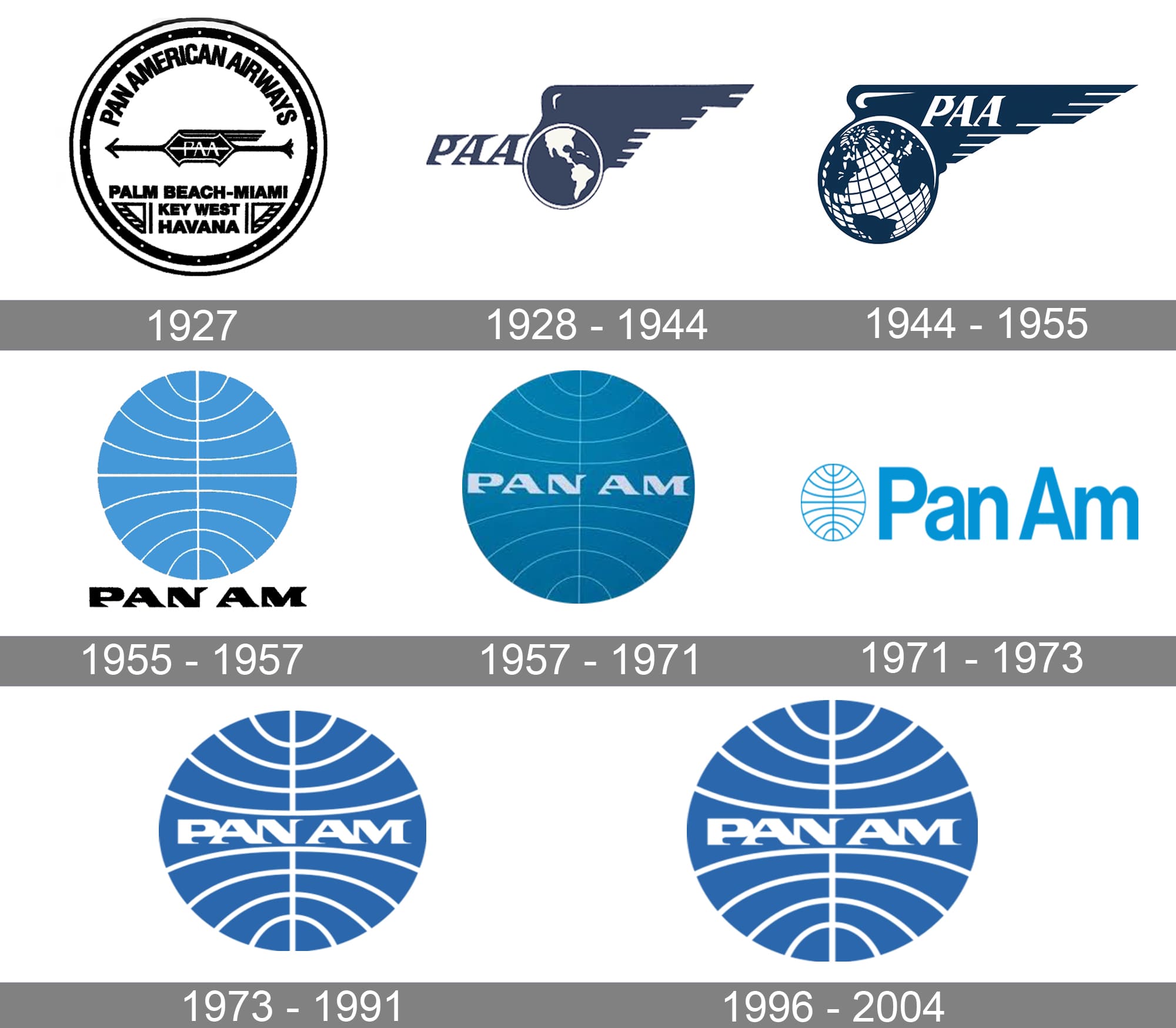
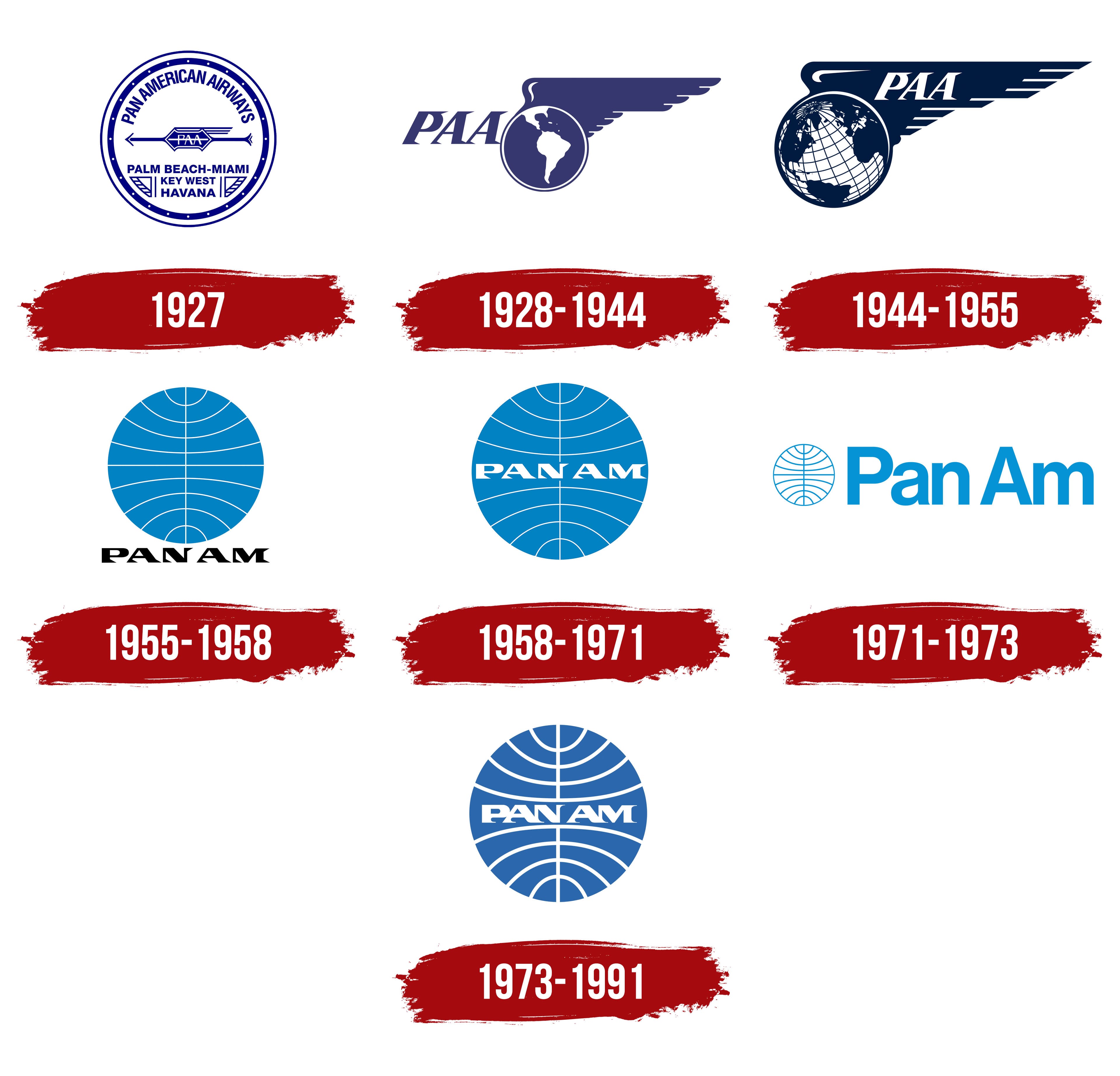
Illustrative examples underscore the strategic utility of “Pan-American” branding. Pan American World Airways, famously known as Pan Am, utilized the name to brand itself as the airline of the Americas, and eventually, the world. Its corporate identity, from logo to service, was designed to convey global reach and a pioneering spirit in connecting diverse peoples. The name itself became synonymous with international travel and sophisticated service, fostering immense brand loyalty.
Similarly, the Pan American Games brand themselves as the premier multi-sport event for athletes from all nations of the Americas. Here, “Pan American” signifies unity through sport, a shared stage for continental athletic excellence. The visual identity, ceremonies, and marketing all reinforce this idea of a collective American identity, fostering goodwill and sportsmanship across borders.
Even infrastructure projects like the Pan-American Highway employ this branding. The name itself communicates an audacious vision of a continuous road network linking the Americas, symbolizing connectivity, trade, and cultural exchange. While not a corporate brand in the traditional sense, the “Pan-American” designation grants the highway a powerful identity as a unifying continental backbone, shaping public perception and political will for its development and maintenance. In each instance, “Pan-American” is not just a label; it’s a strategic branding decision that defines scope, promise, and public perception.
The Strategic Implications of “Pan” in Brand Naming
Choosing “Pan” as a prefix in a brand name, especially in the context of “American,” carries significant strategic implications that directly impact market positioning, brand perception, and the overall narrative an organization wishes to convey. It is a decision that shapes how a brand is received across diverse markets and cultures.

Connotations of Scale and Inclusivity
The most immediate strategic implication of “Pan-American” is its inherent connotation of immense scale and comprehensive inclusivity. For a brand, this means instantly positioning itself as a major player with a wide reach, not limited by national boundaries. It suggests that the brand’s services, products, or ideology are designed to cater to, or represent, the entire spectrum of the American continents. This perception of scale can be highly advantageous in attracting investment, talent, and a broad customer base, signaling stability, ambition, and extensive operational capabilities. Furthermore, the inclusivity implied by “pan” can foster a sense of belonging among diverse consumer groups, positioning the brand as one that understands and values the varied experiences within the broader American identity. This broad appeal can be a powerful tool for market penetration and establishing widespread recognition.
Building Trust Across Borders
A “Pan-American” brand name can strategically build trust by projecting an image of impartiality and universality across borders. In a region marked by diverse political landscapes and economic conditions, a brand that transcends nationalistic sentiments can be perceived as a reliable and unifying force. This can be particularly beneficial for organizations operating in sectors that require cross-border collaboration, such as financial services, logistics, or international development. By emphasizing its pan-continental scope, a brand effectively communicates that it is not tied to the interests of any single nation but rather serves the collective good or broader market of the Americas. This position of neutrality and expansive commitment can significantly enhance brand credibility and foster long-term relationships with stakeholders across the hemisphere.
Challenges of a Broad Identity
While “Pan-American” branding offers numerous advantages, it also presents significant challenges. The very breadth implied by “pan” can lead to a dilution of specific cultural relevance. What resonates in Mexico City may not resonate in Montreal or Buenos Aires. Brands must navigate the delicate balance between a universal message and the need for localized adaptation. This necessitates considerable investment in market research, culturally sensitive marketing, and potentially decentralized operational models to address regional nuances. A “one-size-fits-all” approach under a “Pan-American” banner risks alienating specific markets or appearing inauthentic. Therefore, while the name suggests unity, the brand strategy must acknowledge and deftly manage the inherent diversity, ensuring that the promise of inclusivity translates into genuinely relevant experiences for all segments of its vast audience.
Designing for a Pan-American Audience: Visuals and Messaging
The visual identity and messaging strategy for a “Pan-American” brand are critical elements that must effectively communicate its expansive and inclusive nature while navigating the rich tapestry of cultures across the Americas. Design decisions must embody the “pan” ethos, creating a unified yet adaptable brand experience.
Universal Appeal vs. Local Nuance
Designing for a “Pan-American” audience demands a strategic blend of universal appeal and sensitivity to local nuances. The core visual identity – logo, color palette, typography – should be robust and flexible enough to maintain consistency across the continents while allowing for subtle localization. A brand seeking a Pan-American identity might opt for abstract symbols or natural motifs that are universally understood or appreciated, rather than those tied to a specific national flag or cultural symbol. For example, imagery of the sun, earth, or abstract connections can resonate broadly. However, this universal foundation must be complemented by an understanding that marketing materials, advertisements, and even product packaging might require adaptation for specific sub-regions, taking into account local languages, dialects, cultural references, and prevailing aesthetic preferences. The challenge is to create a visual system that feels cohesive as a “Pan-American” brand yet avoids appearing generic or culturally tone-deaf in any specific market.
Leveraging Cultural Touchstones
Effective “Pan-American” design leverages shared cultural touchstones that unite the continents, rather than highlighting differences. This could involve themes of nature, progress, community, or exploration that hold significance across diverse populations. For instance, the Andes mountains, Amazon rainforest, or even migratory bird patterns could inspire visual elements that evoke a sense of shared heritage and interconnectedness. Music, art forms, and historical narratives that span the continents can also be powerful sources of inspiration for design and messaging. The key is to identify elements that evoke a sense of collective identity without imposing a dominant culture’s perspective. The design strategy should aim to create a visual language that feels indigenous to the entire American hemisphere, fostering a sense of shared ownership and pride in the brand. This requires deep cultural intelligence and collaborative design processes involving diverse regional perspectives.
The Role of Language and Communication
Language is perhaps the most significant challenge and opportunity in “Pan-American” branding. The Americas are home to a multitude of languages, with Spanish, English, Portuguese, and various indigenous languages being prominent. A truly “Pan-American” brand must address this linguistic diversity in its communication strategy. This typically involves robust multilingual content strategies, ensuring that key messages are not just translated, but transcreated—adapted culturally and linguistically to maintain their impact and relevance in each target market. Beyond direct translation, the brand’s tone of voice must be carefully calibrated to resonate appropriately across different cultural contexts, balancing formality with approachability, humor with respect. In design, this means ensuring that text within visual assets is easily adaptable and that the overall visual hierarchy supports clarity across languages. The commitment to effective multilingual communication reinforces the brand’s inclusive “pan” identity, demonstrating genuine respect and accessibility for its diverse audience.
Legacy and Evolution: The Enduring Power of “Pan”
The “Pan-American” concept, rooted in the prefix “pan,” has proven to be an enduring and adaptable branding strategy. Its power lies in its ability to symbolize expansive reach and unifying purpose, concepts that continue to evolve in significance amidst an increasingly interconnected yet fragmented global landscape.
Adapting to Modern Globalism
In an era of hyper-globalization, the “Pan-American” brand identity must continually adapt. While the original intent of “pan” was often about continental unity, modern globalism presents brands with the challenge of simultaneously being globally competitive and locally relevant. For a “Pan-American” brand, this means leveraging its continental scope as a unique selling proposition, demonstrating robust internal connectivity and a deep understanding of the diverse American markets. Yet, it also implies a need to position itself within a broader global context, often through partnerships, digital reach, and an awareness of global trends. The brand must evolve to convey that its continental focus is not isolationist but rather a strong, unified base from which it engages with the wider world. This adaptation ensures that the legacy of “pan”—its promise of comprehensive scale—remains relevant in defining a brand’s competitive edge and enduring appeal.
The Future of Cross-Continental Branding
The future of cross-continental branding, including the “Pan-American” model, lies in its capacity for dynamic localization and genuine cultural engagement. Simply asserting a broad “pan” identity is no longer sufficient; brands must actively demonstrate their commitment to the entire hemisphere through tangible actions, responsible corporate citizenship, and authentic connections with diverse communities. This involves not only sophisticated marketing and design but also supply chain integration, talent development, and community initiatives that reflect the rich tapestry of the Americas. As digital platforms further erode geographical barriers, the “Pan-American” brand that succeeds will be one that skillfully weaves together a consistent, unifying narrative with highly personalized and culturally attuned experiences, proving that its “pan” identity is not just a name, but a living, evolving commitment to every part of the American continent.
aViewFromTheCave is a participant in the Amazon Services LLC Associates Program, an affiliate advertising program designed to provide a means for sites to earn advertising fees by advertising and linking to Amazon.com. Amazon, the Amazon logo, AmazonSupply, and the AmazonSupply logo are trademarks of Amazon.com, Inc. or its affiliates. As an Amazon Associate we earn affiliate commissions from qualifying purchases.