
The nautical star, a distinct five-pointed star with alternating light and dark shades, holds a potent and enduring symbolism that extends far beyond its maritime origins. In the realm of branding, design, and corporate identity, understanding the deep-seated meaning behind such a widely recognized symbol is paramount. It’s not merely an aesthetic choice but a strategic one, capable of imbuing a brand with layers of historical context, aspirational values, and emotional resonance. For brands seeking to convey direction, reliability, or a sense of enduring purpose, the nautical star, or motifs inspired by its core tenets, offers a rich tapestry of meaning to draw from.

The Historical Compass: Roots in Guidance and Direction
At its very core, the nautical star is inextricably linked to the sea and the perilous journeys undertaken by sailors. Its primary purpose was to represent the North Star, Polaris, a fixed point in the night sky that served as an unwavering guide for navigation. This historical context provides the bedrock for its symbolic power, making it a powerful emblem for any entity aiming to represent steadfastness and direction.
A Beacon for Sailors
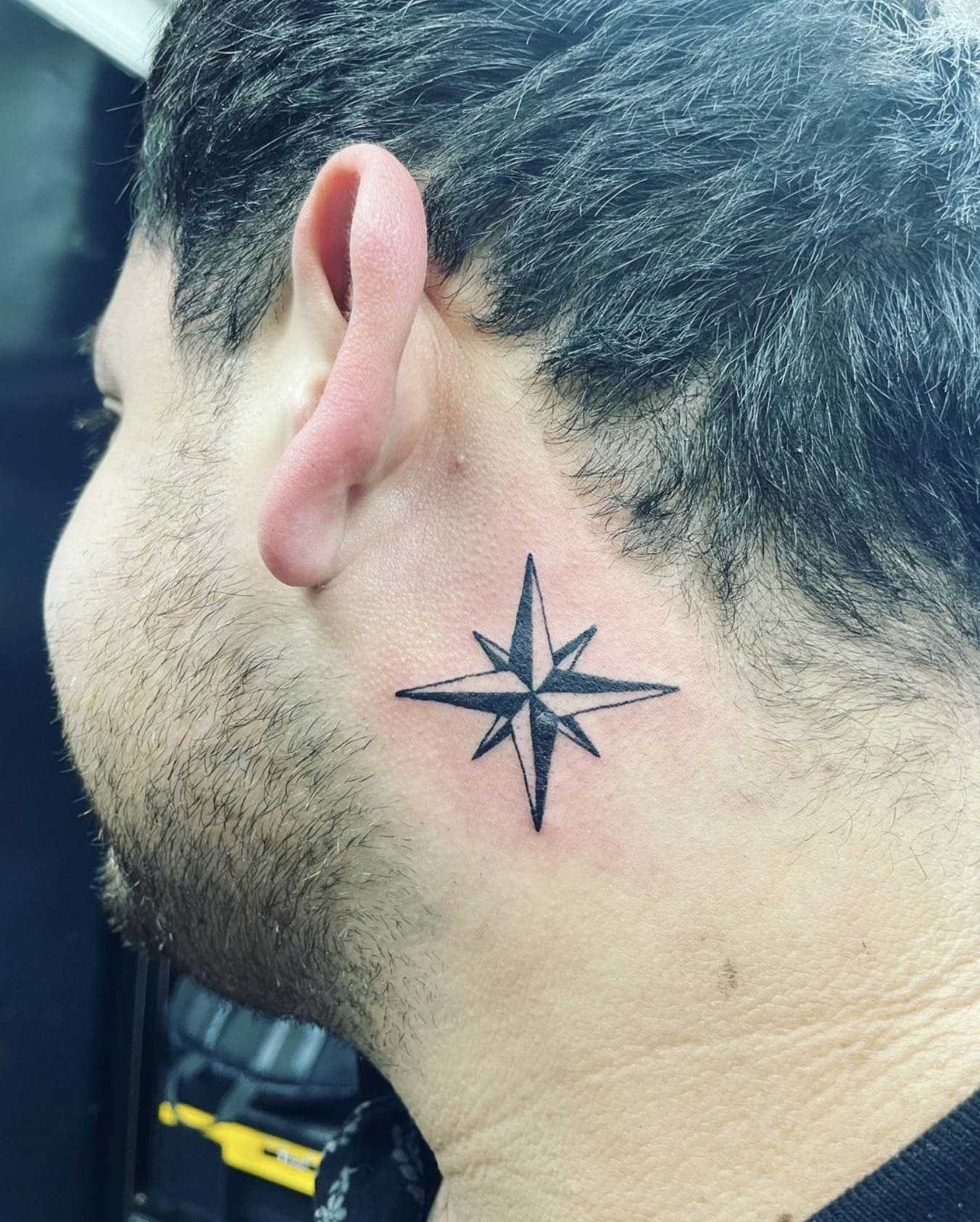
Historically, the nautical star became a universal symbol of guidance and protection for mariners. Navigating vast, unpredictable oceans required a reliable compass, and the stars provided the ultimate celestial guide. Sailors would often get tattoos of the nautical star as a talisman, believing it would ensure their safe return home and protect them from the dangers of the open sea. This association with safe passage, hope, and protection from the unknown makes it a compelling symbol for brands that position themselves as reliable partners, protectors, or navigators in complex markets. Consider a financial institution aiming to guide clients through economic uncertainties or a cybersecurity firm promising to protect digital assets—the inherent meaning of the nautical star aligns perfectly with such brand narratives.
Universal Quest for Direction
While rooted in maritime tradition, the themes of guidance, protection, and safe passage resonate universally. Humans across cultures and throughout history have sought direction, whether literally or metaphorically. In a business context, this translates into a brand’s ability to provide clarity, lead innovation, or offer unwavering support. A brand leveraging the nautical star’s symbolism taps into this universal human desire for security and purpose. It suggests a brand that understands the journey, anticipates challenges, and is equipped to lead its audience toward their desired destination. This makes it particularly relevant for professional services, coaching, travel, or any sector where a brand promises to chart a clear path forward for its clients.
Decoding the Symbolism for Brand Identity
Beyond its historical origins, the visual characteristics of the nautical star itself contribute to its rich symbolic vocabulary. Its distinct five points and the alternating shading create a sense of depth, precision, and a multi-faceted nature that can be strategically employed in brand identity.
Precision and Purpose
The five points of the star inherently suggest precision and focus. Each point can be interpreted as a distinct direction, yet all converge at a central point, implying a clear, unified purpose. For a brand, this can symbolize a company with a well-defined mission, a clear strategic vision, and an unwavering commitment to its core objectives. It speaks to intentionality and a methodical approach, attributes highly valued by consumers seeking reliable and trustworthy brands. Brands that emphasize cutting-edge accuracy, strategic planning, or a focused approach to problem-solving can subtly communicate these values through the use of a star motif reminiscent of the nautical star.
Protection and Stability
The alternating light and dark quadrants within each point of the star create a three-dimensional effect, suggesting depth and solidity. This visual characteristic contributes to the star’s meaning of stability and protection. It implies a symbol that is grounded, resilient, and capable of withstanding external forces. In brand identity, this translates to reliability, security, and a steadfast presence in the market. Brands dealing with sensitive data, long-term investments, or essential services can utilize this aspect of the star’s meaning to build trust and convey a sense of unshakeable commitment to their clients’ well-being. It reassures customers that they are in safe hands, fostering loyalty and confidence.
Journey and Transformation
The star’s association with navigation and charting a course naturally extends to themes of journey, growth, and transformation. Life is a series of journeys, and the nautical star can symbolize overcoming challenges, finding one’s path, and arriving at a desired destination. For personal brands or corporate entities focused on empowerment, education, or personal development, this symbolism is incredibly potent. It communicates a brand that not only guides but also inspires progress and helps individuals or businesses navigate their own unique trajectories. This makes it a powerful emblem for coaches, educational platforms, wellness brands, or services that facilitate significant life or business changes.

Application in Modern Branding and Personal Expression
The influence of the nautical star extends across various applications, from corporate logos to individual statements, showcasing its versatility and enduring appeal as a symbolic tool.
Corporate Emblems and Visual Storytelling
While few contemporary brands explicitly adopt the exact nautical star in their primary logo, its core elements – the five-pointed star, the concept of direction, and the suggestion of guidance – are pervasive in corporate identity. Many companies, especially in sectors like automotive (Mercedes-Benz, Subaru), finance (various credit unions), and travel, incorporate star motifs to convey attributes such as quality, leadership, reliability, or a global presence. These stars implicitly borrow from the archetypal meanings associated with the nautical star, telling a visual story of aspiration, excellence, and a guiding presence. A brand might choose a stylized star to evoke a sense of ambition and stellar performance, aligning with the nautical star’s inherent association with high standards and clear objectives. The design choice is not arbitrary; it’s a deliberate narrative device.
Personal Branding and Tattoo Culture
Perhaps one of the most visible modern interpretations of the nautical star is its prominence in tattoo culture, serving as a powerful form of personal branding. Individuals choose the nautical star tattoo to signify their personal journey, their guiding principles, a turning point in their lives, or a commitment to a particular direction. It represents a personal compass, a constant reminder of one’s inner North Star. For individuals building their personal brand, whether as entrepreneurs, artists, or public figures, understanding this deeply personal connection to the symbol offers insight into how symbols resonate on an individual level. It underscores the importance of authenticity and alignment between a brand’s visual identity and its core values, as individuals often wear their values on their sleeves—or their skin.
Designing with Intent: Avoiding Misinterpretation
Integrating any powerful symbol like the nautical star into a brand’s visual language requires careful consideration and a deep understanding of its context. While its primary association is positive (guidance, protection), misinterpretation can occur if the symbol’s full historical and cultural nuances are not respected. For instance, while generally positive, some might associate stars more with military symbols or specific subcultures. Therefore, designers and brand strategists must ensure that the chosen iteration of the symbol, its surrounding visual elements, and the brand’s overall messaging are in perfect alignment. The goal is to leverage the symbol’s inherent positive meanings to reinforce brand values, not to create confusion or unintended associations. This demands thorough research and a strategic approach to design that anticipates audience perception.
Strategic Integration: Leveraging Symbology in Marketing
Understanding the meaning of the nautical star isn’t just about design; it’s about strategic marketing. Leveraging such deeply embedded symbols can significantly enhance a brand’s communication efforts and foster stronger connections with its audience.
Evoking Emotional Connections
Symbols like the nautical star tap into universal human desires for safety, direction, and purpose. When a brand consciously or subconsciously invokes these themes through its visual identity, it can bypass purely rational decision-making and forge deeper emotional connections with its audience. Consumers don’t just buy products or services; they buy into stories, values, and promises. The nautical star’s narrative of guidance and protection speaks to an innate need for security and a clear path forward, allowing a brand to position itself as a trusted ally on the customer’s journey. This emotional resonance is a powerful differentiator in competitive markets.
Consistency Across Channels
For any brand utilizing symbolic elements, maintaining consistency across all touchpoints is crucial. Whether it’s the logo on a product, the imagery on a website, the graphics in social media campaigns, or the tone of voice in marketing copy, the underlying meaning derived from the nautical star must be uniformly communicated. If a brand uses a star motif to symbolize guidance, its content strategy should reflect educational leadership, its customer service should offer clear support, and its product development should aim for intuitive navigation. This holistic approach ensures that the symbolic meaning is reinforced at every interaction, strengthening brand recall and trust.
Crafting a Unique Narrative
Finally, the nautical star provides a rich starting point for crafting a compelling and unique brand narrative. Instead of merely presenting features and benefits, a brand can weave a story around its role as a guide, a protector, or an enabler of discovery. For example, a travel company might position itself as helping customers “chart their own course” through unique experiences, using a star motif to subtly reinforce this adventurous yet guided narrative. By understanding “what the nautical star means,” brands gain access to a powerful lexicon of themes—resilience, exploration, safety, and ambition—that can be articulated through evocative storytelling, differentiating them and carving out a distinct identity in the marketplace.
aViewFromTheCave is a participant in the Amazon Services LLC Associates Program, an affiliate advertising program designed to provide a means for sites to earn advertising fees by advertising and linking to Amazon.com. Amazon, the Amazon logo, AmazonSupply, and the AmazonSupply logo are trademarks of Amazon.com, Inc. or its affiliates. As an Amazon Associate we earn affiliate commissions from qualifying purchases.