
The Mockingjay, an accidental hybrid bird from a dystopian literary universe, has transcended its fictional origins to become one of the most potent and recognizable symbols of rebellion, hope, and the power of an underdog rising against oppression. In the realm of brand strategy and corporate identity, the Mockingjay serves as a compelling case study for how a symbol, infused with narrative and intrinsic values, can evolve into a powerful brand capable of mobilizing diverse audiences and challenging entrenched powers. Its representation is not merely aesthetic; it is a masterclass in symbolic branding, identity formation, and strategic messaging.
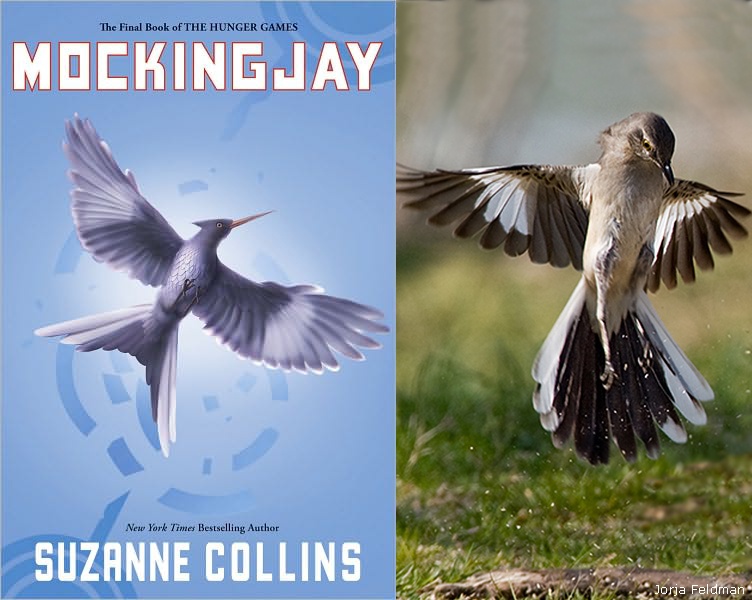
The Genesis of a Rebel Icon: From Fictional Narrative to Universal Symbol
Every powerful brand has an origin story, and the Mockingjay’s is steeped in irony and unexpected resilience. It began not as a meticulously designed emblem, but as a biological “mistake” engineered by an oppressive regime, the Capitol. This accidental genesis lends it an inherent authenticity and a narrative depth that few manufactured brands can achieve.
Accidental Origins and Inherent Contradictions
The Mockingjay is a genetic anomaly, the unexpected offspring of the Capitol’s genetically engineered jabberjays (spy birds) and natural mockingbirds. The Capitol intended the jabberjays to be surveillance tools, recording conversations and relaying them back. When the districts discovered their purpose, they fed the birds lies, rendering them useless. Left to die, these jabberjays mated with female mockingbirds, creating the Mockingjay. This bird, therefore, represents the failure of control, the unintended consequences of oppression, and life finding a way even when suppressed.
For a brand, this “accidental” origin is profoundly powerful. It wasn’t designed by committee; it emerged organically from circumstances, embodying a natural defiance. This inherent contradiction—a symbol of freedom born from the very tools of subjugation—makes the Mockingjay’s brand identity deeply compelling and resilient. It signifies that even the most carefully constructed systems of control can produce the seeds of their own undoing. This resonates with audiences who appreciate authenticity and a narrative arc that champions resilience against overwhelming odds.
The Power of Narrative in Brand Building
The Mockingjay’s journey from a simple pin to the face of a revolution is a testament to the power of narrative in brand building. A brand is more than a logo; it’s the story it tells, the values it embodies, and the emotional connection it forges. The Mockingjay’s brand equity was meticulously built through the experiences and sacrifices of Katniss Everdeen, the reluctant hero who became its living embodiment.
Katniss’s personal struggles, her acts of defiance in the Hunger Games, and her eventual acceptance of her role as the Mockingjay provided the emotional framework that gave the symbol meaning. The narrative infused the Mockingjay with core values like courage, self-sacrifice, hope, and an unwavering commitment to justice. This deep narrative foundation ensured that the symbol wasn’t just recognized but understood and felt, allowing it to resonate on a profound emotional level with an oppressed populace yearning for change. For brand strategists, this highlights that authentic stories, deeply woven into a brand’s identity, are crucial for creating lasting impact and loyalty.
Branding the Revolution: The Mockingjay as a Strategic Emblem
Once established through narrative, the Mockingjay transitioned from a personal emblem to a strategic brand asset for the rebellion. Its power lay in its ability to condense complex ideals into a singular, memorable image that could be easily disseminated and understood across diverse demographics.
Core Values and Emotional Resonance
The Mockingjay’s “brand values” are unequivocally clear: it represents hope in the face of despair, resistance against tyranny, and the unity of the oppressed. It embodies the voice of the voiceless, capable of echoing cries of defiance across vast distances. Its ability to mimic and transmit sounds makes it a natural metaphor for spreading messages of rebellion.
This emotional resonance is critical for any successful brand. The Mockingjay didn’t just inform; it inspired. It tapped into universal human desires for freedom, dignity, and justice. When people saw the Mockingjay, they didn’t just see a bird; they saw a future, a possibility, and a collective strength. This powerful emotional connection is what allowed it to become a rallying cry, transforming passive discontent into active resistance. Marketers strive for this level of emotional engagement, where a brand becomes synonymous with deeply held aspirations.
Unifying a Diverse Audience
One of the Mockingjay’s most significant achievements as a brand was its ability to unite disparate districts, each with their own unique cultures, industries, and grievances, under a single banner. While their specific sufferings differed, the Mockingjay provided a common symbol for their shared enemy—the Capitol—and their shared aspiration for freedom.

The symbol was broad enough to allow for various interpretations of “freedom” while being specific enough to offer a clear rallying point. It transcended regional differences, acting as a universal language for rebellion. This demonstrates the power of a well-crafted brand identity to create a sense of collective identity and purpose, transforming a collection of individuals into a unified movement. For brands aiming for mass appeal, understanding this balance between universal resonance and specific identity is paramount.
Counter-Branding Against Oppression
The Capitol itself maintained a sophisticated, albeit fear-based, brand identity, represented by its opulent aesthetics, the Panem seal, and the ubiquitous presence of its “peacekeepers.” The Mockingjay directly counter-branded this established authority. It wasn’t merely an alternative; it was an antithesis.
The Mockingjay leveraged the Capitol’s failure to control its own narrative, turning its tools (like the jabberjays and even the Hunger Games themselves) against it. The rebellion strategically deployed the Mockingjay’s image and Katniss’s actions as a living symbol to erode the Capitol’s authority and legitimacy. This subversive branding strategy involved recontextualizing symbols and narratives to delegitimize the incumbent power, showcasing how challenger brands can effectively dismantle the dominance of established players by presenting a compelling, value-driven counter-narrative.
Beyond Fiction: Lessons for Brand Strategists
The Mockingjay’s journey offers invaluable lessons for brand strategists in any industry, demonstrating the foundational principles of creating a powerful, enduring, and impactful brand.
Authenticity and Relatability
The Mockingjay’s brand wasn’t fabricated in a boardroom; it emerged organically from a deeply relatable struggle for survival and dignity. It was embodied by an authentic, reluctant hero, Katniss Everdeen, whose vulnerability and strength made the symbol accessible and human. In an age where consumers prioritize transparency and genuine connections, brands that emerge from authentic needs and tell relatable stories resonate far more deeply than those that appear solely as products of slick marketing. Authenticity builds trust and fosters a genuine connection with the audience.
The Evolution of a Brand’s Meaning
A brand’s meaning is rarely static; it evolves with its context and audience interaction. The Mockingjay evolved from a simple commemorative pin to a symbol of individual defiance, and eventually to the undisputed emblem of a full-scale revolution. Successful brands understand this dynamic evolution, allowing their audience to invest their own meanings and aspirations into the symbol, while still retaining a consistent core identity. This controlled evolution can significantly strengthen brand engagement and relevance over time, adapting to changing circumstances without losing its essence.
Mobilizing through Symbolic Identity
The Mockingjay didn’t just represent abstract ideals; it actively mobilized people. It provided a tangible, visual representation of a shared purpose, a clear enemy, and a hopeful future. Effective brands don’t just sell products or services; they inspire action, build communities, and foster a sense of belonging. A strong symbolic identity can be a powerful driver of collective action, transforming individual consumers into advocates and active participants in a brand’s narrative. It gave people a reason to believe and, critically, a reason to act.
The Enduring Legacy of the Mockingjay Brand
The Mockingjay’s representation extends far beyond the pages of a book or the frames of a film, cementing its status as an iconic symbol. Its enduring legacy offers further insights into what makes a brand truly timeless and impactful.
Adaptability and Cultural Impact
The Mockingjay has transcended its original fictional context to be adopted in real-world protests and movements, symbolizing defiance against oppression globally. This demonstrates the profound adaptability and universal appeal of a well-crafted symbol that taps into fundamental human desires for freedom, justice, and self-determination. A truly successful brand possesses this ability to jump cultural boundaries and remain relevant, its core message resonating with diverse audiences facing different challenges. Its power lies in its ability to be reinterpreted while retaining its foundational meaning.

Maintaining Brand Integrity through Action
Crucially, the Mockingjay’s power was not solely in its image or its narrative potential but in the consistent actions taken under its banner. Katniss’s unwavering resolve, the sacrifices of the rebels, and the ultimate success of the movement constantly reinforced and validated the brand’s promise of liberation. For any brand, consistent action that aligns with its stated values is paramount for maintaining integrity, building trust, and fostering long-term loyalty. Inconsistency between brand message and actual behavior can quickly erode equity and lead to audience disillusionment. The Mockingjay’s brand integrity was maintained because its actions never betrayed its core message of resistance and hope.
aViewFromTheCave is a participant in the Amazon Services LLC Associates Program, an affiliate advertising program designed to provide a means for sites to earn advertising fees by advertising and linking to Amazon.com. Amazon, the Amazon logo, AmazonSupply, and the AmazonSupply logo are trademarks of Amazon.com, Inc. or its affiliates. As an Amazon Associate we earn affiliate commissions from qualifying purchases.