
In the vast landscape of human communication, certain symbols transcend their immediate context, embedding themselves deep within the collective consciousness across centuries and cultures. The “Lamb of God” is one such archetype, a symbol pregnant with meaning and recognized globally. While primarily understood within a theological framework, its enduring power offers a fascinating case study for brand strategists and marketers. When examined through the lens of brand identity, messaging, and cultural penetration, the Lamb of God reveals profound insights into how a potent symbol establishes, maintains, and transmits a complex set of ideas with unparalleled longevity and impact.
The Genesis of an Enduring Brand Mark: Identity Forged in Antiquity
Every powerful brand begins with a core identity, often rooted in historical context and a foundational narrative. For the “Lamb of God,” this identity was meticulously crafted over millennia, drawing upon ancient traditions and pivotal events to establish a clear, compelling, and deeply resonant message.
Origins in Ancient Symbolism and Narrative
The symbol of the lamb carries immense weight even before its specific theological application. In ancient agricultural societies, lambs represented innocence, purity, vulnerability, and dependence. Critically, they were also central to sacrificial practices across various cultures, acting as offerings to atone for transgressions or secure blessings. This pre-existing, widely understood symbolic language provided a rich canvas for developing a new, distinct brand identity. The choice of the lamb as a central figure was not arbitrary; it leveraged deeply embedded cultural associations, making the subsequent message instantly relatable and impactful. It speaks to the power of using familiar touchstones to introduce novel concepts, a lesson modern brands frequently employ by aligning with existing cultural values or trends.
Establishing Core Brand Identity: Sacrifice and Redemption
The “Lamb of God” solidified its brand identity through a singular, transformative narrative: one of ultimate sacrifice leading to redemption. This core message, articulated within specific religious texts and traditions, posits the Lamb as a voluntary, sinless offering whose sacrifice cleanses and redeems humanity. This narrative established a unique value proposition: a definitive solution to a universal human problem (sin, separation, mortality). The identity became intrinsically linked to themes of purity, innocence, suffering, and ultimately, salvation. This clarity of purpose and message is a hallmark of successful branding; it provides a distinct reason for the symbol’s existence and its profound relevance to its audience. The “brand promise” of hope and renewal, delivered through sacrifice, became the bedrock upon which its global recognition was built.
Crafting a Universal Message: Dissemination and Recognition
For any brand to achieve widespread recognition and influence, its message must be consistently disseminated across various platforms and rendered memorable through potent visual and narrative elements. The Lamb of God demonstrates an unparalleled masterclass in this process.
Multi-Platform “Marketing”: Scripture, Art, and Ritual
The propagation of the Lamb of God’s symbolism has been a multi-channel endeavor long before the advent of digital marketing. Its primary “marketing collateral” began with sacred texts, which meticulously detailed its narrative, purpose, and significance. These foundational documents served as the initial brand guidelines, ensuring consistency in messaging.
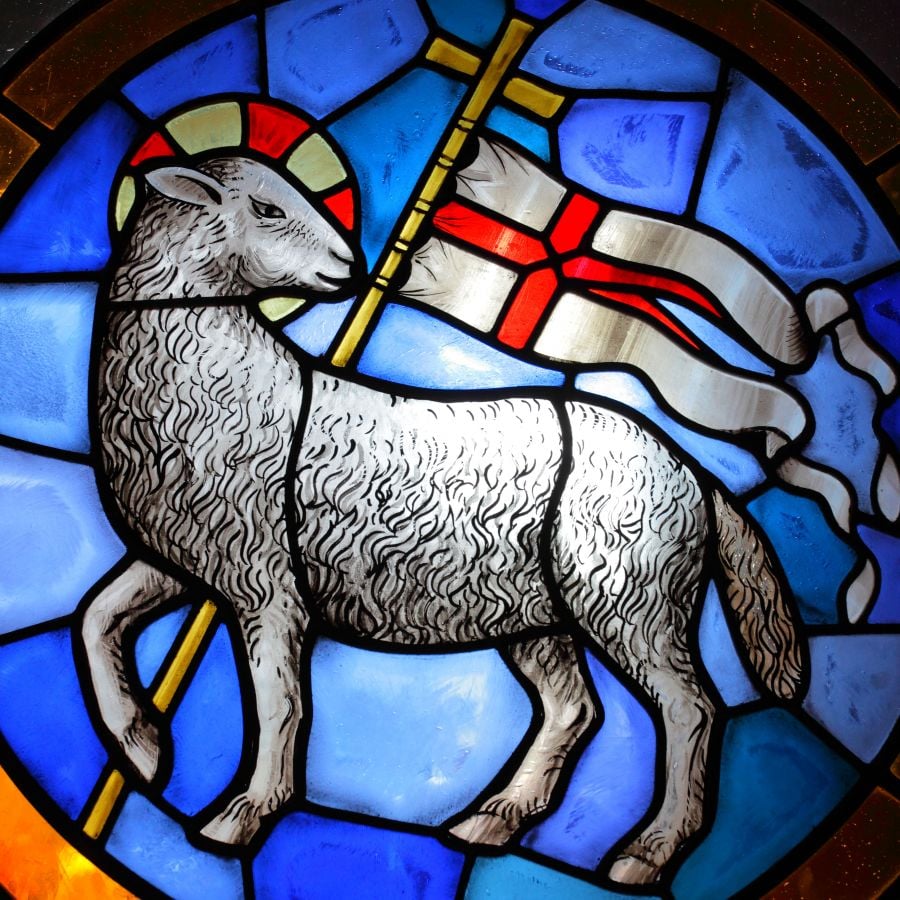
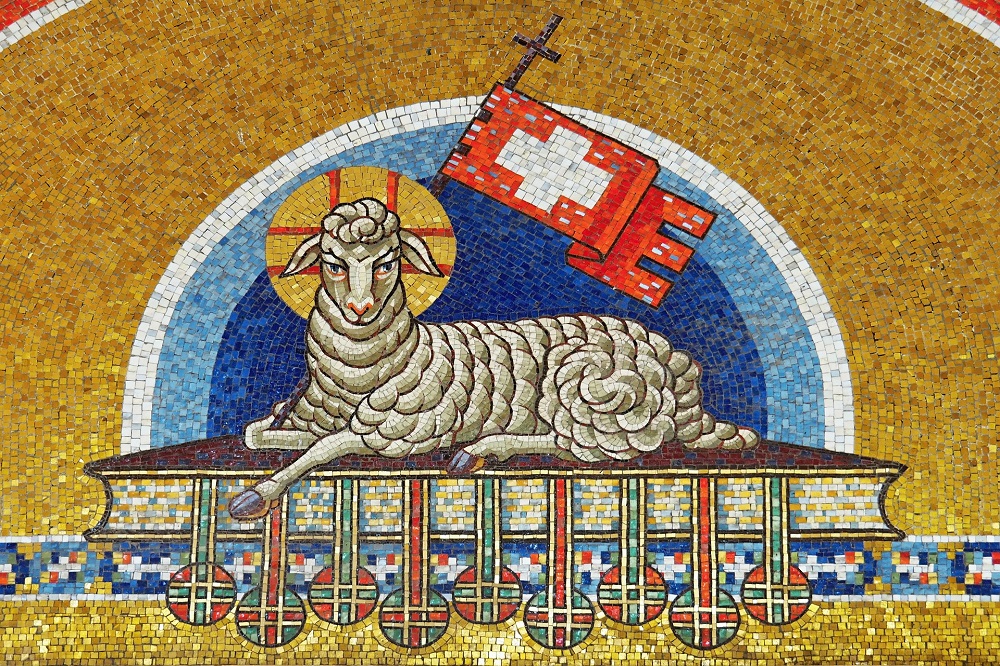
Beyond text, visual art became a powerful medium for “advertising” this symbolic brand. From early catacomb paintings and intricate mosaics to Renaissance masterpieces and contemporary stained glass, artists have depicted the Lamb in countless forms: often with a halo, sometimes carrying a banner of victory, or standing upon an altar. These visual representations provided easily digestible and memorable “advertisements” for the core message, transcending literacy barriers and communicating directly to the soul.
Furthermore, liturgical rituals and sacred music acted as experiential “brand activations.” The repeated invocation of the “Lamb of God” in prayers, hymns, and ceremonies reinforced its identity, creating a deep, visceral connection with its audience. This holistic, multi-sensory approach to communication ensured that the symbol’s meaning was not merely understood intellectually but experienced emotionally and collectively. Modern brands often strive for this level of omnipresence and experiential engagement, seeking to touch consumers through sight, sound, and participation.
The Power of Visual Identity: Iconography and Recall
Like any successful brand, the “Lamb of God” benefits from a strong and consistent visual identity. While interpretations vary, common iconographic elements reinforce its meaning. The lamb often appears pure white, symbolizing purity. It may bear a wound, signifying sacrifice, or hold a banner or cross, representing victory and suffering. Sometimes, it is depicted standing on a book with seven seals, referencing its prophetic role.
These consistent visual cues, even with variations, ensure high recall and immediate recognition across diverse cultural contexts. They communicate complex theological ideas at a glance, much like a well-designed logo instantly conveys a company’s essence or values. The emotional weight carried by these visuals amplifies the brand’s impact, making it not just recognizable, but also deeply resonant. This underscores the crucial role of distinctive, emotionally charged visual assets in establishing and maintaining brand equity.
Brand Equity and Longevity: A Symbol Across Millennia
The ultimate measure of a brand’s success is its longevity and ability to maintain relevance across changing times and demographics. The Lamb of God exhibits unparalleled brand equity, having persevered and influenced for thousands of years.
Enduring Relevance in Diverse Cultures
The Lamb of God’s symbolism has transcended its specific religious origins, influencing art, literature, music, and ethical thought across cultures and continents. Its core themes of sacrifice, innocence, and redemption possess a universal human resonance that allows the symbol to be understood and valued even by those outside its direct theological framework. This adaptability, while retaining its core meaning, is a testament to the strength of its foundational identity and message. It demonstrates how a powerful symbol can be reinterpreted or appreciated in new contexts without losing its essence, much like global brands adapt their marketing while retaining their core values. The archetypal nature of the lamb, coupled with the profound narrative attached to it, ensures its continued presence in the human imagination.
The Ultimate Brand Story: Meaning and Impact
At the heart of the Lamb of God’s enduring brand equity is a compelling and deeply impactful story. This narrative is not merely factual; it is imbued with profound spiritual and ethical implications that speak to fundamental human desires for meaning, forgiveness, and hope. The story of sacrificial love and ultimate victory over adversity resonates profoundly, offering a framework for understanding suffering and finding purpose. This deeply embedded narrative serves as the ultimate brand story, providing an emotional and intellectual foundation that fosters loyalty and deep identification. Its influence extends beyond religious doctrine, shaping moral principles, inspiring countless artistic endeavors, and contributing to the very fabric of Western civilization and beyond. This profound impact underscores that the most successful “brands” are those that tell a powerful story that connects with universal human experiences and aspirations.
Lessons in Symbolic Branding from an Ancient Archetype
Analyzing the “Lamb of God” through a branding lens offers valuable insights for contemporary brand development and strategy. It highlights principles that remain timeless, regardless of the product or service being branded.
Clarity of Message and Purpose
The Lamb of God’s symbolism is underpinned by an unwavering clarity of message: sacrifice for redemption. This singular, powerful purpose is never diluted or confused. For modern brands, this translates to the importance of a clear mission statement and a concise value proposition. Brands that try to be everything to everyone often fail to resonate deeply with anyone. The Lamb of God illustrates that focus and clarity are paramount for establishing a strong, memorable identity.
Consistent Identity Across Touchpoints
Whether depicted in ancient texts, painted on cathedral ceilings, or invoked in sacred ceremonies, the core identity and meaning of the Lamb of God remain consistent. This unwavering consistency across diverse “touchpoints” has been crucial to its enduring recognition. Contemporary brands must similarly ensure their identity—visuals, tone of voice, values—remains cohesive across all marketing channels, customer interactions, and product offerings to build trust and familiarity. Any deviation can dilute the brand’s power and confuse its audience.
Emotional Resonance and Storytelling
Perhaps the most potent lesson is the power of emotional resonance and storytelling. The Lamb of God taps into fundamental human emotions—hope, guilt, love, sacrifice—and delivers a narrative that provides profound meaning. Modern brands, too, can move beyond mere product features to connect with consumers on an emotional level. By crafting compelling narratives that align with their audience’s values, aspirations, or fears, brands can foster deeper connections and build lasting loyalty far beyond transactional relationships. The Lamb of God stands as an eternal testament to the power of a symbol that embodies a universal story, proving that the most enduring brands are those that speak directly to the human heart.
aViewFromTheCave is a participant in the Amazon Services LLC Associates Program, an affiliate advertising program designed to provide a means for sites to earn advertising fees by advertising and linking to Amazon.com. Amazon, the Amazon logo, AmazonSupply, and the AmazonSupply logo are trademarks of Amazon.com, Inc. or its affiliates. As an Amazon Associate we earn affiliate commissions from qualifying purchases.