
On Facebook, “sponsored” is a crucial marker indicating that content you see in your feed, stories, or videos is paid advertising. For brands, understanding this term is not just about identifying ads; it’s about grasping a fundamental pillar of modern digital marketing strategy. It signifies a business’s deliberate investment to amplify its message, reach specific audiences, and achieve measurable marketing objectives beyond the limitations of organic reach. In essence, sponsored content on Facebook is how brands connect with potential customers and cultivate their presence in a crowded digital landscape.
The Core Concept of Facebook Sponsored Content
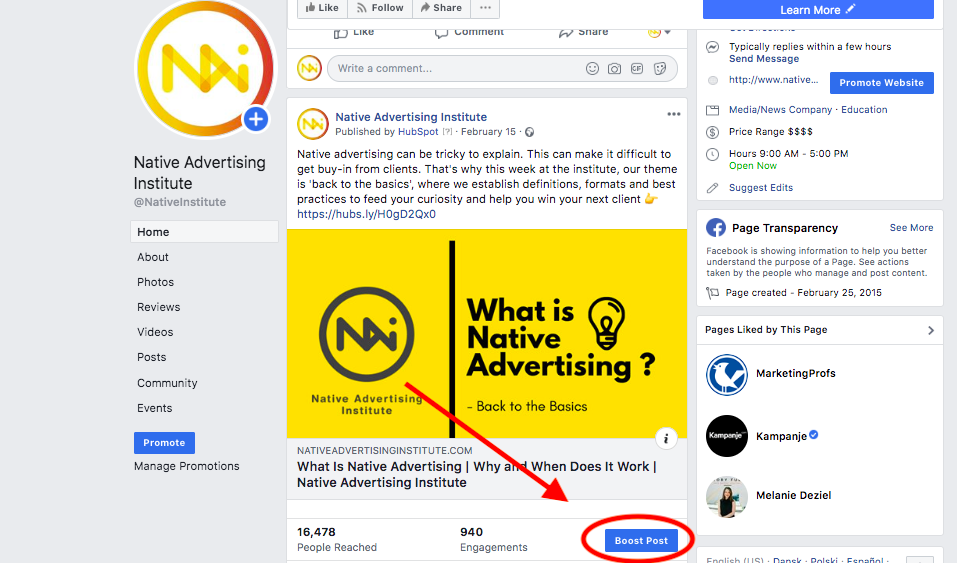
At its heart, “sponsored” on Facebook means content that has been promoted through Facebook’s advertising platform. Unlike organic posts – which are shared directly by a page and rely on algorithms to distribute them to a fraction of followers – sponsored content pays for visibility. This distinction is paramount for any brand aiming to build a substantial online presence and achieve tangible business outcomes. It transforms Facebook from merely a social networking site into a powerful, targeted advertising channel.
Differentiating Organic vs. Paid Reach
For brands, the difference between organic and paid reach on Facebook has become increasingly stark. Organic reach, once a cornerstone of social media marketing, has steadily declined. Facebook’s algorithm prioritizes content from friends and family, and posts from business pages are often shown to a very small percentage of their followers unless they generate significant engagement immediately. This means even a popular brand page with hundreds of thousands of followers might only have its posts seen organically by a few thousand people.
Paid reach, on the other hand, allows brands to bypass these algorithmic constraints. By paying to “sponsor” a post, a brand can ensure their content is delivered to a much wider audience, precisely defined by their marketing goals. This shift has made sponsored content not merely an option but a strategic imperative for most brands seeking consistent visibility and growth on the platform.
The Strategic Imperative for Brands
The strategic imperative for brands to utilize sponsored content stems from several factors: the decline of organic reach, the immense scale of Facebook’s user base, and the sophistication of its advertising tools. Brands can no longer rely solely on posting engaging content and hoping it finds its way to their target audience. Sponsored content provides a predictable and scalable way to:
- Increase Brand Awareness: Expose new audiences to the brand’s name, logo, and value proposition.
- Drive Website Traffic: Direct users to product pages, landing pages, or blog content.
- Generate Leads: Capture contact information from interested prospects.
- Boost Sales and Conversions: Encourage direct purchases or sign-ups.
- Promote Specific Content: Ensure key announcements, new product launches, or valuable insights reach a broader audience.
Without sponsored content, a brand’s presence on Facebook risks becoming largely invisible, confined to its existing, often dwindling, organic audience.
How Facebook’s Advertising System Works
Facebook’s advertising system, often accessed through Meta Business Suite or Ads Manager, is a sophisticated platform designed to help brands achieve their marketing objectives. It operates on principles of targeting, creative diversity, and an auction-based delivery system.
Targeting Capabilities: Reaching the Right Audience
One of the most powerful aspects of Facebook sponsored content for brands is its unparalleled targeting capabilities. Brands can define their desired audience with remarkable precision, moving far beyond broad demographics. This precision ensures that advertising spend is efficient, reaching those most likely to be interested in a brand’s products or services. Key targeting options include:
- Demographic Targeting: Age, gender, location, education, job title, relationship status, parental status, income levels.
- Interest-Based Targeting: Users’ hobbies, interests, pages they like, groups they belong to, based on their activity across Facebook and Instagram. This allows brands to connect with people passionate about related topics.
- Behavioral Targeting: Purchase behaviors, device usage, travel preferences, and more, derived from aggregated data.
- Custom Audiences: Brands can upload customer lists (e.g., email addresses) to target existing customers or exclude them. They can also target people who have interacted with their Facebook page, Instagram profile, website (via Facebook Pixel), or app.
- Lookalike Audiences: This highly effective feature allows brands to create new audiences that “look like” their existing best customers or website visitors, expanding reach to new, relevant prospects.
By leveraging these layers of targeting, brands can craft highly personalized messages that resonate deeply with specific segments, enhancing engagement and conversion rates.
Ad Formats and Creative Best Practices
Facebook offers a diverse range of ad formats, enabling brands to choose the most appropriate medium to convey their message and achieve their goals. Effective ad creatives are paramount for capturing attention and communicating brand value. Common formats include:
- Image Ads: Single image posts, effective for showcasing products or brand aesthetics. Requires high-quality visuals and concise copy.
- Video Ads: Highly engaging, suitable for storytelling, product demonstrations, or brand narratives. Crucial for brands to focus on the first few seconds to hook viewers.
- Carousel Ads: Display up to 10 images or videos in a single ad, each with its own link. Ideal for showcasing multiple products, features, or telling a sequential story.
- Collection Ads: A mobile-specific format that allows users to browse products visually and click to buy. Excellent for e-commerce brands.
- Lead Ads: Designed to collect information (like emails) directly within Facebook, simplifying the lead generation process for users and brands.
- Messenger Ads: Direct users to a Messenger conversation with the brand, facilitating customer service, lead qualification, or sales.
Regardless of the format, creative best practices for brands include clear calls to action (CTAs), strong brand messaging, mobile optimization, and A/B testing different variations to determine what resonates best with the target audience.
The Auction System: Bidding for Visibility
Facebook’s ad delivery operates on an auction system. When a brand creates a sponsored campaign, it enters an auction against other advertisers vying for the attention of the same target audience. The “winner” of the auction isn’t just the highest bidder; Facebook’s system aims to deliver the most value to both the advertiser and the user. The winning ad is determined by a combination of three factors:
- Bid: How much the brand is willing to pay.
- Estimated Action Rates: Facebook’s prediction of how likely a user is to take the desired action (e.g., click, purchase) if shown the ad.
- Ad Quality and Relevance: Based on user feedback (e.g., hiding the ad, reporting it) and estimated engagement rates. Ads that are perceived as high quality and highly relevant to the target audience will often win with lower bids.
This system ensures that brands creating valuable, engaging, and relevant content are rewarded with better visibility and lower costs, encouraging high-quality advertising practices.
Key Benefits for Brands Utilizing Sponsored Content
For brands, the decision to invest in sponsored content on Facebook is driven by a range of strategic benefits that directly impact their growth and market position.
Amplified Reach and Brand Awareness
The most immediate benefit of sponsored content is the ability to drastically amplify a brand’s reach beyond its existing followers. By tapping into Facebook’s two billion-plus users, brands can introduce themselves to entirely new segments of potential customers who might never have encountered them organically. This broad exposure is critical for building brand awareness, making the brand name, logo, and messaging familiar to a wider audience, which is a foundational step in the customer journey.
Driving Targeted Traffic and Conversions
Beyond mere visibility, sponsored content excels at driving specific actions. Brands can optimize campaigns to direct users to their website, product pages, app downloads, or physical store locations. The granular targeting ensures that the traffic generated is not just volume but quality traffic – users who have a high likelihood of converting into leads, subscribers, or paying customers. This direct path from ad view to desired action makes sponsored content a powerful revenue-generating tool.
Data-Driven Insights and Optimization
Facebook Ads Manager provides brands with robust analytics and reporting tools. Marketers can track a multitude of metrics, including impressions, reach, clicks, conversions, cost per click (CPC), cost per acquisition (CPA), and return on ad spend (ROAS). These deep insights enable brands to understand what’s working, what’s not, and why. This data-driven approach allows for continuous campaign optimization, refinement of targeting, testing of different creatives, and allocation of budget more effectively, ultimately improving the brand’s overall marketing efficiency and performance.
Navigating the Challenges and Ethical Considerations
While highly effective, utilizing sponsored content also presents brands with certain challenges and ethical considerations that must be carefully managed to maintain brand integrity and effectiveness.
Ad Fatigue and Content Relevance
One significant challenge is “ad fatigue.” If a brand shows the same ad too frequently to the same audience, users can become annoyed, leading to lower engagement rates, higher costs, and negative brand perception. Brands must constantly refresh their creative assets, rotate ad variations, and carefully monitor frequency metrics. Ensuring content remains highly relevant to the targeted audience is key to overcoming fatigue and maintaining positive user experience.
Transparency and Disclosure
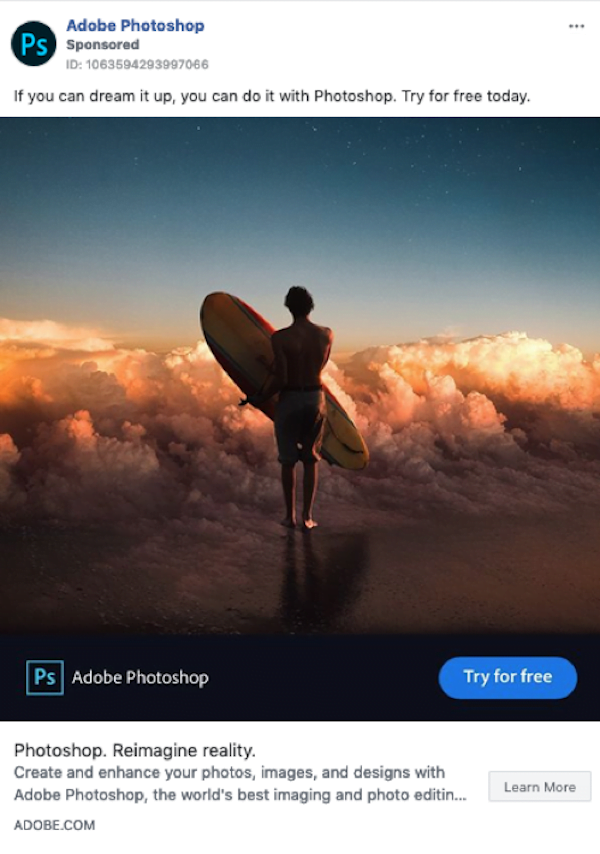
Ethical advertising demands transparency. Facebook clearly labels sponsored content with a “Sponsored” tag to inform users, but brands themselves have a responsibility to be truthful and clear in their messaging. Misleading claims, deceptive imagery, or lack of disclosure (especially in influencer marketing scenarios where a post might be sponsored by a brand) can severely damage a brand’s reputation and lead to distrust among consumers. Brands must adhere to advertising standards and industry best practices to build and maintain credibility.
Integrating Sponsored Content into a Holistic Brand Strategy
For maximum impact, sponsored content should never operate in isolation. It is most effective when integrated thoughtfully into a broader, holistic brand strategy that leverages various marketing channels and tactics.
Synergy with Organic Efforts
Sponsored content and organic social media efforts should complement each other. Organic posts can build community, foster engagement, and provide valuable content that can then be amplified through paid promotion. Conversely, successful sponsored campaigns can drive traffic back to a brand’s organic presence, increasing followers and engagement on non-paid posts. This synergy creates a more robust and resilient brand presence. For instance, a highly successful organic blog post might be given a sponsored boost to reach a wider, targeted audience, driving more traffic and reinforcing the brand’s thought leadership.
Continuous Testing and Adaptation
The digital marketing landscape is dynamic, and what works today might not work tomorrow. Brands must embrace a culture of continuous testing and adaptation for their sponsored campaigns. This involves A/B testing different ad creatives, headlines, calls to action, landing pages, and audience segments. By meticulously analyzing the results and making iterative adjustments, brands can continually optimize their campaigns, discover new opportunities, and stay ahead of competitors. This ongoing learning process is vital for maximizing ROI and ensuring sponsored content remains a powerful engine for brand growth and market penetration.
aViewFromTheCave is a participant in the Amazon Services LLC Associates Program, an affiliate advertising program designed to provide a means for sites to earn advertising fees by advertising and linking to Amazon.com. Amazon, the Amazon logo, AmazonSupply, and the AmazonSupply logo are trademarks of Amazon.com, Inc. or its affiliates. As an Amazon Associate we earn affiliate commissions from qualifying purchases.