
In the dynamic world of professional and collegiate basketball, the term “seeded” carries profound implications that extend far beyond mere statistical ranking. While its primary function is to organize tournament brackets and playoff structures, seeding is a critical component of a league or competition’s overall brand strategy, influencing narratives, shaping perceptions, and driving fan engagement. Understanding what it means to be “seeded” is therefore essential to grasping the strategic branding and marketing efforts underpinning the sport.
The Strategic Role of Seeding in Tournament Branding
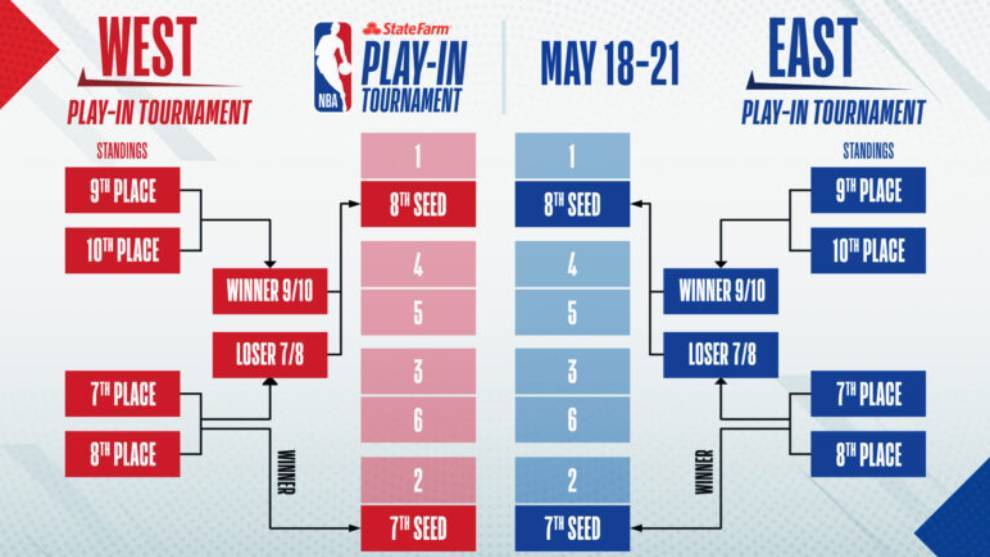
At its core, seeding refers to the ranking of teams or players in a tournament based on their performance throughout a regular season or qualifying rounds. This ranking determines their initial placement in the bracket, dictating potential opponents and their path to a championship. However, from a branding perspective, seeding is much more than an administrative task; it is a foundational element in crafting a compelling, marketable, and financially successful competition.

Defining the “Seed” and Its Purpose for Brand Building
A “seed” is essentially a team’s numerical designation, with lower numbers typically indicating higher ranking and perceived strength (e.g., a “1 seed” is considered stronger than a “16 seed”). The fundamental purpose of seeding is to ensure competitive balance and fairness by ideally pairing stronger teams against weaker ones in early rounds, saving marquee matchups for later stages.
From a brand strategy standpoint, this design is paramount. Imagine a tournament where the two best teams meet in the very first round. While exciting, it would diminish the quality and appeal of subsequent games, potentially leading to lower viewership and less overall buzz for the rest of the event. By strategically placing top teams on opposite sides of a bracket, seeding builds anticipation, allowing the brand of the tournament to grow in intensity as it progresses towards a climactic final. This carefully constructed narrative arc is a cornerstone of effective sports marketing.
Building the Narrative Arc of a Championship
Seeding is the architect of a tournament’s story. It pre-determines the framework for dramatic narratives, setting up potential “clashes of titans” in the semi-finals or championship game. The “Road to the Final Four” or the “NBA Playoffs Journey” are not just phrases; they are brand journeys meticulously planned by the seeding committee.
The initial bracket reveal, especially for events like the NCAA Men’s and Women’s Basketball Tournaments (March Madness), is a major media event in itself. Fans dissect the matchups, debate the fairness of seedings, and begin to fill out their own brackets, investing emotionally in the potential outcomes. This initial engagement is a direct result of the seeded structure, which transforms a mere series of games into a compelling, unfolding drama with heroes, villains, and unexpected twists. The potential for a heavily favored “1 seed” to face an unexpected challenge from a “9 seed” or even a “16 seed” creates suspense, a crucial ingredient for any successful entertainment brand.
Shaping Team and Player Brand Identity
The numerical designation of a seed profoundly impacts how teams and individual players are perceived, influencing their brand identity, fan affinity, and even their career trajectories.
The Brand Equity of a Top Seed
Being a “1 seed” carries significant brand equity. It immediately communicates a message of dominance, consistency, and championship contention. For a team, this translates into increased media attention, higher expectations, and often, greater fan loyalty and merchandise sales. A top seed is seen as a reliable, high-quality product, reinforcing the league or conference’s brand of excellence.
This elevated status isn’t just about on-court performance; it’s about the entire organizational brand. High seeds are often associated with strong coaching, robust player development programs, and a winning culture—all elements that attract top recruits and bolster the team’s long-term brand health. From a marketing perspective, a top-seeded team is easier to promote, serving as a beacon of competitive achievement within the broader sports landscape.
The Underdog Narrative: Cultivating Resilience and Fan Affinity
Conversely, lower-seeded teams that defy expectations become the quintessential “Cinderella stories”—a powerful brand narrative that resonates deeply with audiences. A “13 seed” beating a “4 seed” or an unheralded team making a deep run creates a compelling story of resilience, grit, and unexpected triumph. These narratives are gold for brand building. They capture the imagination of casual fans and reignite interest, proving that anything is possible.
The “Cinderella” phenomenon cultivates a unique kind of fan affinity. Audiences naturally gravitate towards the underdog, celebrating their victories and commiserating with their defeats. This emotional connection fosters deeper engagement and can significantly broaden a team’s fanbase beyond its traditional geographic or demographic boundaries. These unexpected runs become part of the tournament’s lore and the team’s historical brand, often remembered for years.
Personal Branding on the Grand Stage
For individual players, tournament seeding and performance offer an unparalleled stage for personal branding. A star player on a top-seeded team is expected to perform at an elite level, and doing so reinforces their brand as a reliable, clutch performer worthy of endorsements and higher contracts. They embody the brand values of excellence and leadership.
On the other hand, a player who leads a lower-seeded team on an unexpected run can catapult their personal brand into the national spotlight overnight. Their heroics become synonymous with the team’s underdog narrative, showcasing leadership, skill under pressure, and determination. This exposure can significantly enhance their marketability, opening doors for lucrative endorsement deals and increased visibility, even if their team doesn’t win the championship. The tournament stage, shaped by seeding, becomes a proving ground for emerging personal brands.
Seeding as a Core Marketing and Engagement Engine
The structured nature of seeded tournaments is a potent marketing tool, driving engagement, media hype, and critical buzz that sustains interest throughout the competition.
The Bracket: A Visual Brand Icon
The bracket itself is one of the most recognizable and interactive brand icons in sports. For major tournaments like March Madness, filling out a bracket is an annual ritual for millions of fans, from seasoned analysts to casual observers. This simple grid, a direct output of the seeding process, transforms passive viewing into active participation.
The bracket serves as a constant visual reference point for the tournament’s progression, allowing fans to track their picks, root for upsets, and follow their favorite teams’ paths. It’s a genius piece of interactive marketing that fosters engagement, encourages social sharing, and creates a collective experience around the event. Media outlets leverage the bracket extensively, creating branded content, analysis shows, and interactive prediction tools, all stemming from the seeded structure.
Driving Media Hype and Fan Buzz
Seeding fuels endless speculation and debate, which are invaluable for media hype. Sports analysts dissect the “strength of schedule” that led to a particular seed, debate “snubs” from the tournament field, and prognosticate potential upsets based on matchups created by the seeding. This constant narrative generation keeps the tournament at the forefront of sports conversations, drawing in viewers and listeners.
The “water cooler” discussions among fans, the social media buzz, and the intense media coverage are all ignited by the initial seeding. These conversations build anticipation, raise the stakes for each game, and ultimately boost viewership and advertising revenue, reinforcing the overall brand strength of the competition. Without a structured seeding system, much of this organic marketing and engagement would be lost.
Protecting and Enhancing Tournament Brand Value
Ultimately, the sophisticated process of seeding is about protecting and enhancing the overall brand value of the basketball competition. It ensures that the product delivered to fans is consistently high-quality, fair, and exciting.
Safeguarding Marquee Matchups and Brand Value
One of the primary strategic objectives of seeding is to ensure that the most compelling matchups—those featuring the top-ranked and most popular teams—occur in the later rounds. This protects the commercial viability and brand integrity of the tournament. Fans pay premium prices for tickets and broadcasting rights for high-stakes games featuring elite talent. Early exits of top teams due to haphazard scheduling would devalue the latter stages of the competition, diminishing its brand appeal and financial returns.
By carefully placing teams, seeding maximizes the probability of delivering thrilling semi-finals and championship games, which become iconic events in sports history. These memorable contests reinforce the tournament’s brand as the pinnacle of competitive basketball.
The Balancing Act: Tradition vs. Innovation in Seeding
The methodologies for determining seeds are not static; they evolve. Leagues and organizations continually review and refine their seeding criteria, incorporating advanced analytics (like the NCAA’s NET Ranking replacing the RPI) to ensure the system accurately reflects team strength. These adjustments are essentially brand-driven decisions. The brand promise of any major tournament is to feature the “best” teams and offer a “fair” path to the championship. If the seeding system is perceived as flawed or unfair, it erodes trust and diminishes the brand’s credibility.
The constant effort to refine seeding ensures competitive equity while maintaining the dramatic potential for upsets and compelling narratives. It’s a delicate balance between respecting the tradition of competitive structure and innovating to maintain relevance and fairness, all aimed at safeguarding and strengthening the tournament’s enduring brand in the marketplace of sports entertainment. In essence, “seeded” in basketball means the deliberate structuring of competition to build a powerful, engaging, and enduring sports brand.
aViewFromTheCave is a participant in the Amazon Services LLC Associates Program, an affiliate advertising program designed to provide a means for sites to earn advertising fees by advertising and linking to Amazon.com. Amazon, the Amazon logo, AmazonSupply, and the AmazonSupply logo are trademarks of Amazon.com, Inc. or its affiliates. As an Amazon Associate we earn affiliate commissions from qualifying purchases.