
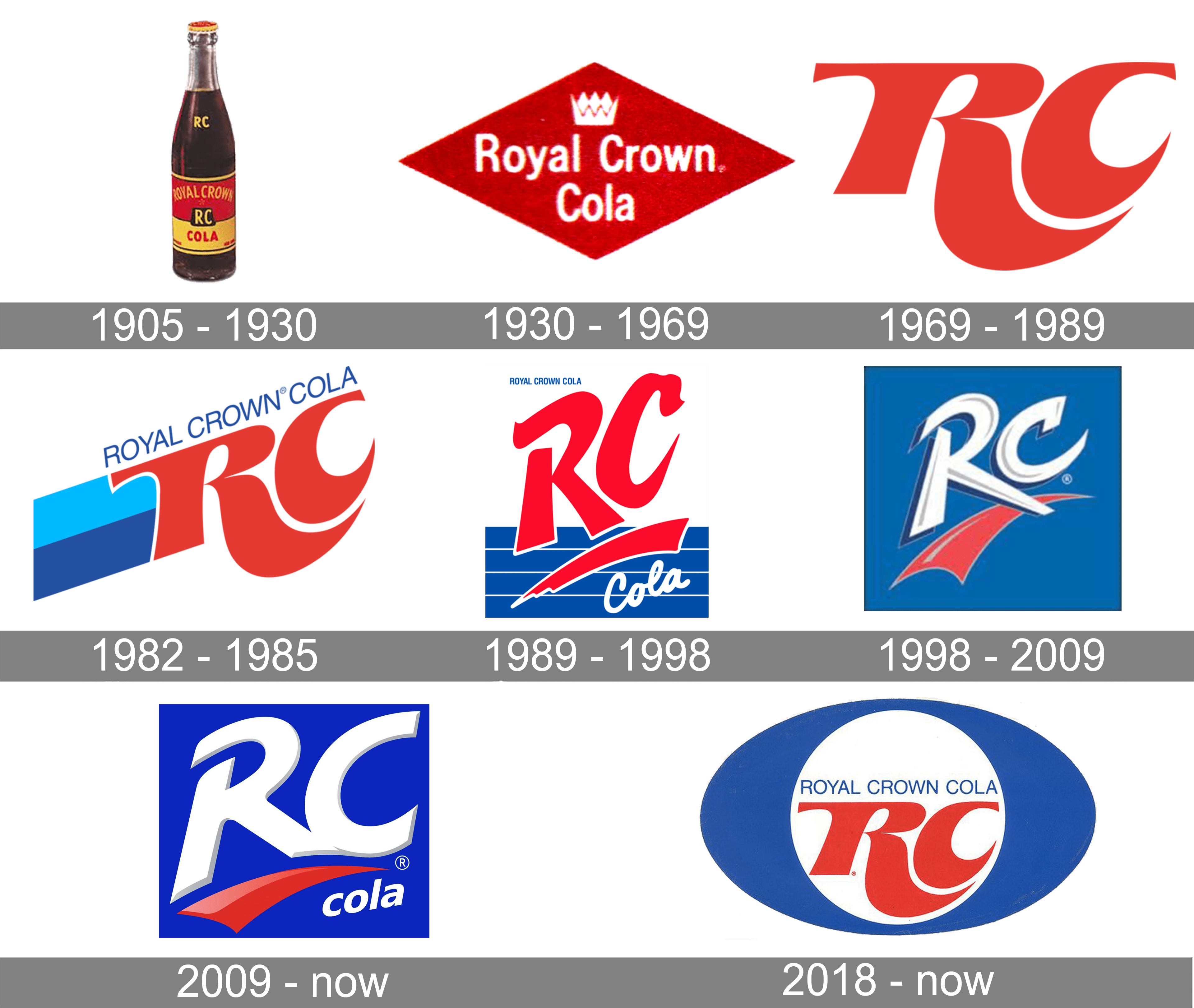
The letters “RC” in RC Cola stand for Royal Crown. This seemingly simple acronym holds a rich history, reflecting strategic branding decisions, innovative marketing, and a tenacious spirit that allowed a beverage company to carve out its niche in a fiercely competitive industry dominated by giants. Understanding the origins of Royal Crown Cola is not merely a historical footnote; it offers a compelling case study in corporate identity, product differentiation, and the enduring power of a well-defined brand.
The Genesis of a Brand: Royal Crown Cola’s Origins
The story of Royal Crown Cola begins in Columbus, Georgia, at the turn of the 20th century. In 1905, Claud A. Hatcher, a young pharmacist, faced a dispute with a local Coca-Cola bottler over pricing for their syrup. Rather than concede, Hatcher, alongside his father, decided to create his own line of soft drinks. This act of defiance was the spark that ignited what would become the Royal Crown brand.
Columbus, Georgia, and the Early Innovation
Hatcher’s first creations were not immediately named “Royal Crown.” Operating out of his family’s wholesale grocery business, Hatcher initially formulated and sold ginger ale and a grape-flavored soda. His entrepreneurial spirit and scientific background as a pharmacist allowed him to experiment with different flavor profiles and formulations. This foundational period was critical, as it established a commitment to product development that would characterize the company’s trajectory. The ability to control their supply chain, from formulation to bottling, gave Hatcher and his father a competitive advantage and the agility to respond to market demands, a vital asset for any emerging brand.
From Chero-Cola to Royal Crown: A Strategic Rebrand
The journey to “Royal Crown” wasn’t direct. Hatcher’s first cola product, introduced in 1905, was called “Chero-Cola.” This name, combining “cherry” and “cola,” aimed to leverage popular flavor profiles while signifying its distinctiveness. For several years, Chero-Cola gained regional traction. However, as the soft drink market matured and competition intensified, Hatcher recognized the need for a stronger, more sophisticated brand identity. The name “Chero-Cola,” while descriptive, lacked the regal connotation and aspirational quality that Hatcher sought to convey.
In 1934, a significant rebranding effort took place. Pharmacist Rufus Kamm, one of the company’s chemists, developed a new and improved cola formula. To mark this innovation and elevate the brand’s image, the company strategically rebranded its flagship cola as “Royal Crown Cola.” The term “Royal Crown” was chosen to evoke a sense of premium quality, elegance, and distinction. It was a conscious move to position the product as superior, something fit for a “royal” palate, thereby differentiating it from the increasingly crowded market of generic “colas.” This rebranding was a masterclass in how a name change can redefine consumer perception and bolster a product’s market positioning. It wasn’t just a new label; it was a promise of a better, more refined beverage experience.
Decoding the “RC”: More Than Just Initials
The decision to eventually shorten “Royal Crown Cola” to “RC Cola” in common parlance and marketing was a natural evolution, but one with significant branding implications. While “RC” simply stands for “Royal Crown,” the abbreviation itself became a powerful brand element.
The Importance of a Memorable Name
In the world of branding, memorability, pronounceability, and distinctiveness are paramount. “Royal Crown Cola” is a strong name, but “RC Cola” offers an added layer of conciseness and ease of recall. For consumers, a shorter, snappier name is often easier to remember, ask for, and build an affinity with. The “RC” became an unofficial yet widely accepted identifier, demonstrating how consumers themselves can contribute to the organic evolution of a brand’s identity through everyday usage. This informal abbreviation eventually became the official shorthand in advertising and packaging, signifying a brand that was both sophisticated (“Royal Crown”) and approachable (“RC”).
Crafting a Brand Narrative Through Naming

The name “Royal Crown” intrinsically contributes to a brand narrative centered on quality, heritage, and a pioneering spirit. It speaks to the brand’s origins rooted in a quest for a better product, challenging established norms. The “Royal Crown” was a badge of honor, representing Hatcher’s commitment to producing a superior beverage despite fierce competition. This narrative has been crucial in maintaining RC Cola’s relevance over decades. Brands that have a compelling story embedded in their names or origins often resonate more deeply with consumers, fostering loyalty and a sense of shared history. RC Cola’s name isn’t just a label; it’s a testament to its journey from a local pharmacy to a global beverage contender.
RC Cola’s Enduring Brand Identity and Market Presence
RC Cola has always been a challenger brand, consistently innovating to stand out against significantly larger competitors. Its brand identity has been shaped not only by its name but also by its strategic product introductions and marketing campaigns.
Differentiating in a Competitive Landscape
From its inception, RC Cola operated in a market dominated by Coca-Cola and, later, PepsiCo. To survive and thrive, RC Cola had to master differentiation. Its strategy often involved being the “first” in key areas. For instance, RC Cola was the first soft drink to be sold in cans nationwide in 1954, an innovation that revolutionized packaging and consumer convenience. It was also among the first to offer diet colas with Diet Rite in 1958, anticipating a major shift in consumer health consciousness. These product innovations, introduced under the Royal Crown umbrella, were critical in reinforcing its brand as forward-thinking and responsive to evolving consumer needs, even if the primary “RC Cola” remained its flagship. This aggressive posture in product development helped cement a brand identity of innovation and accessibility.
Marketing Evolution and Consumer Connection
RC Cola’s marketing efforts have historically focused on value, taste, and a sense of authenticity. While it didn’t always have the gargantuan advertising budgets of its rivals, it leveraged smart, often grassroots, campaigns. Its memorable jingles and celebrity endorsements, while perhaps less frequent, aimed for genuine connection. The brand cultivated an image as the “other” cola, appealing to consumers looking for an alternative, or those who valued a distinct taste profile. This positioning as an underdog, yet a quality choice, became a core part of its brand equity. In some regions, RC Cola became synonymous with pairings like a “MoonPie and an RC,” creating cultural touchstones that deepened its brand connection beyond mere beverage consumption. These local associations built strong, emotional ties with specific consumer segments, demonstrating the power of regional marketing and cultural integration for a global brand.
Global Footprint and Local Adaptations
While originating in the U.S., RC Cola has successfully expanded its presence globally. The strength of its core brand identity—rooted in its original “Royal Crown” quality—allowed it to adapt to diverse international markets. In many countries, RC Cola maintains a strong, loyal following, often perceived as a local favorite or a premium import. Its global strategy often involves strategic partnerships with local bottlers and distributors, allowing for nuanced adaptations in marketing and distribution channels while maintaining the core brand essence. This global reach, powered by its distinct “RC” identity, highlights its resilience and adaptability in various cultural and economic landscapes.
The Legacy of Royal Crown: A Case Study in Brand Resilience
The journey of RC Cola, from Claud Hatcher’s innovative spirit to its global presence today, serves as an enduring lesson in brand resilience. The “Royal Crown” in its name encapsulates this legacy of striving for excellence and challenging the status quo.
Innovation in Packaging and Product
The brand’s history is punctuated by significant “firsts” that demonstrate its commitment to innovation. Beyond canned soft drinks and diet colas, RC Cola was also among the first to offer 16-ounce bottles, again aiming to provide more value to the consumer. These innovations weren’t just about new products or packaging; they were about reinforcing the brand’s image as a consumer-centric entity, willing to push boundaries to deliver better options. Each “first” contributed to the brand’s narrative of progress and leadership within its niche, even when operating in the shadow of market leaders. This history of innovation is a critical component of its corporate identity, appealing to consumers who value forward-thinking brands.

Maintaining Authenticity in a Modern Era
In an age where consumers increasingly value authenticity and heritage, RC Cola’s genuine backstory and unwavering commitment to its distinctive taste profile are significant assets. The “RC” brand doesn’t try to be something it’s not; it embraces its history as a quality alternative, a testament to independent spirit. This authenticity is a powerful element of its brand equity, resonating with a segment of the market that appreciates legacy brands with a clear sense of identity. While the ownership of the brand has changed hands over the decades—it is currently owned by Keurig Dr Pepper—the core “Royal Crown” identity and its distinct flavor profile have been carefully preserved, ensuring its place in the pantheon of iconic global soft drinks. The simple answer to “what does RC in RC Cola stand for?” opens a window into a century of strategic branding, innovation, and an unwavering commitment to a royal standard of taste and quality.
aViewFromTheCave is a participant in the Amazon Services LLC Associates Program, an affiliate advertising program designed to provide a means for sites to earn advertising fees by advertising and linking to Amazon.com. Amazon, the Amazon logo, AmazonSupply, and the AmazonSupply logo are trademarks of Amazon.com, Inc. or its affiliates. As an Amazon Associate we earn affiliate commissions from qualifying purchases.