
The Enduring Brand Identity of a Cultural Icon
“Puff the Magic Dragon,” a seemingly simple children’s song penned by Leonard Lipton and Peter Yarrow, has transcended its origins to become a powerful cultural touchstone. Its persistent presence in popular culture, sparking debate and inspiring diverse interpretations, offers a compelling case study in brand longevity and the dynamic nature of public perception. Far from being a mere melody, “Puff” has cultivated an enduring brand identity, one shaped as much by its creators’ intent as by the collective imagination and evolving societal narratives. Understanding its “meaning” thus becomes an exercise in dissecting its brand lifecycle, from its initial market positioning as a children’s fable to its inadvertent rebranding as a counterculture allegory.
Genesis of a Narrative Brand
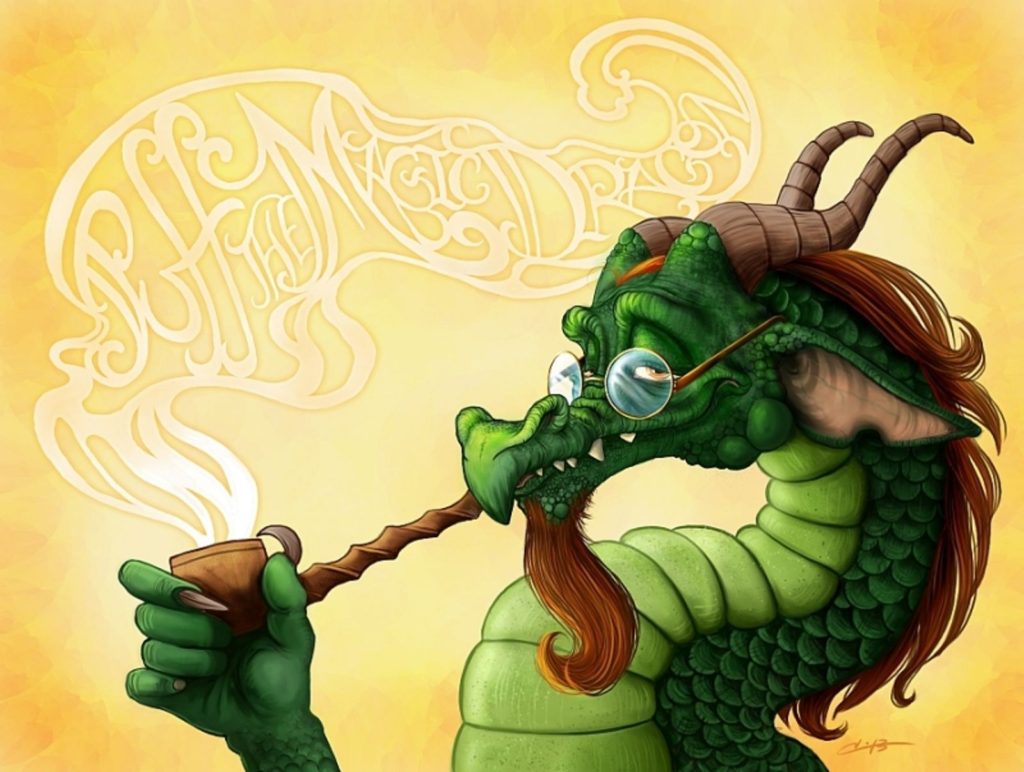
The initial brand positioning of “Puff the Magic Dragon” was unmistakably a heartwarming tale for children. Released by Peter, Paul and Mary in 1963, the song tells the story of an ageless dragon, Puff, and his human playmate, Jackie Paper, who grows up and eventually leaves childhood fantasies behind. This narrative brand was crafted to evoke nostalgia, the bittersweet reality of growing up, and the power of imagination. The lyrical simplicity, coupled with the melodic beauty, established a clear, accessible brand narrative: a poignant reflection on the passage of time and the loss of innocence. This foundational identity, rooted in universal human experiences, provided the fertile ground for its widespread adoption and initial commercial success, distinguishing it as more than just another children’s tune.
Shaping Public Perception: Diverse Interpretations as Brand Pillars
The longevity and profound impact of “Puff the Magic Dragon” stem largely from its inherent ambiguity, a powerful characteristic that allowed its brand identity to evolve and resonate across various demographics. While initially presented as a story of childhood’s end, the song’s brand pillars soon diversified. Its simple narrative structure and evocative imagery proved robust enough to withstand, and even encourage, a multitude of interpretations, each adding a new layer to its public perception and cementing its status as a multi-faceted cultural brand. This capacity for varied interpretation, far from diluting its brand, instead strengthened its resilience and expanded its reach.
Marketing the Message: From Childhood Fable to Counterculture Anthem
The deliberate and accidental marketing of “Puff the Magic Dragon” provides fascinating insights into how a brand’s message can be reinterpreted and repositioned by its audience. What started as a straightforward children’s narrative quickly garnered an unexpected, yet potent, secondary market.
The Innocent Brand Narrative
Initially, the marketing of “Puff” was direct and aligned with its creators’ stated intent: a whimsical, slightly melancholic story about imagination and growing up. It was positioned within the folk revival movement, appealing to families and a broader audience who appreciated its gentle moral and musical craftsmanship. The band Peter, Paul and Mary, themselves a brand synonymous with social consciousness and heartfelt storytelling, amplified this initial positioning. Their wholesome image lent credibility to the song’s innocent narrative, ensuring its wide acceptance and solidifying its primary brand identity as a benign, family-friendly piece of art.
Subcultural Rebranding and Controversy
However, the song’s most significant “rebranding” occurred organically, fueled by the counterculture movement of the 1960s. Within a few years of its release, whispers began circulating that “Puff the Magic Dragon” was, in fact, an ode to drug use, specifically marijuana. “Puff” was interpreted as “take a puff” of cannabis, “magic dragon” as an allusion to hallucinogenic experiences, and “Jackie Paper” as rolling papers. This unauthorized, yet pervasive, subcultural rebranding dramatically altered a significant segment of its public perception.

This controversial interpretation, though vehemently denied by the song’s creators, ironically cemented its status as a cultural phenomenon. The controversy itself acted as a form of viral marketing, bringing the song to the attention of new audiences and deepening its mystique. For some, the new meaning resonated with their countercultural identity, making “Puff” a subversive anthem. For others, the debate underscored the song’s profound impact and the power of narrative ambiguity. This accidental rebranding illustrates how a brand’s meaning can escape the control of its originators and be reshaped by cultural context and audience interpretation, creating a dual brand identity that exists simultaneously.
Brand Longevity: Adapting to Generational Interpretations
The remarkable longevity of “Puff the Magic Dragon” is a testament to its robust brand structure, capable of adapting and retaining relevance across multiple generations. Its ability to serve different narrative purposes for different audiences ensures its continued cultural impact.
The Power of Ambiguity in Brand Resilience
The core strength of the “Puff” brand lies in its inherent ambiguity. Unlike brands with a rigidly defined message, “Puff” offered a malleable framework. This lack of explicit detail allowed listeners to project their own experiences and meanings onto the narrative, fostering a deeper, more personal connection. For parents, it remained a gentle story of childhood. For some adolescents, it became a secret code. This multi-layered appeal ensured that as society evolved, and as new generations encountered the song, its underlying themes of loss, imagination, and friendship remained universally resonant, even if the specific interpretation shifted. This flexible brand identity is a key factor in its enduring resilience.
Legacy and Enduring Brand Value
Today, “Puff the Magic Dragon” maintains its iconic status, its brand value enhanced by decades of discussion and interpretation. It is taught in schools, sung by parents, and debated by scholars. The controversy surrounding its “true” meaning has largely subsided, ceding to a broader understanding that the song’s power comes from its capacity to mean different things to different people. Its legacy is not just a beloved melody, but a case study in how a simple creative work can become a brand that transcends its initial intent, adapting and thriving through the power of collective interpretation and societal dialogue. Its enduring presence underscores the fact that the most impactful brands are often those that allow their audience to participate in the construction of their meaning.
Case Study in Cultural Branding: Lessons from Puff
The journey of “Puff the Magic Dragon” offers valuable lessons for understanding cultural branding, illustrating how narratives, once released into the public sphere, develop an independent life and shape their own identity through interpretation.
Managing Narrative Evolution
The “Puff” phenomenon highlights the challenges and opportunities inherent in managing narrative evolution for any brand. While brand managers strive for consistent messaging, cultural products like songs and stories often experience organic shifts in their perceived meaning. The creators of “Puff” ultimately embraced the various interpretations, understanding that these diverse perspectives contributed to the song’s enduring mystique and broadened its cultural footprint. This suggests that for certain brands, particularly those with strong narrative components, allowing for interpretative flexibility can paradoxically strengthen their long-term appeal and resonance, rather than dilute it.
Sustaining Emotional Connection
Ultimately, the meaning of “Puff the Magic Dragon” in a branding context is its incredible ability to sustain an emotional connection with its audience across generations and contexts. Whether viewed as a nostalgic lament for lost youth, a subtle protest against conformity, or simply a charming children’s tale, the song taps into fundamental human emotions. This deep emotional resonance is the hallmark of a truly successful brand. It’s not just about what the product is, but what it evokes and represents to its audience. The song’s brand identity, therefore, is a dynamic tapestry woven from its original intent, its various cultural interpretations, and the personal connections listeners forge with its timeless narrative. “Puff” demonstrates that a brand’s true power often lies in its capacity to inspire, to provoke thought, and to create a lasting, meaningful dialogue.
aViewFromTheCave is a participant in the Amazon Services LLC Associates Program, an affiliate advertising program designed to provide a means for sites to earn advertising fees by advertising and linking to Amazon.com. Amazon, the Amazon logo, AmazonSupply, and the AmazonSupply logo are trademarks of Amazon.com, Inc. or its affiliates. As an Amazon Associate we earn affiliate commissions from qualifying purchases.