
The Sensory Profile as a Brand Asset
The inherent sensory characteristics of any ingredient, especially one as distinct as pepperoncini, are far more than mere gustatory experiences; they are fundamental components of a brand’s identity, market positioning, and consumer connection. For food brands, the taste profile of key ingredients serves as a ‘signature’ that can define product lines, differentiate offerings, and evoke specific consumer responses, thereby becoming an invaluable brand asset.
A Distinctive Flavor for Market Differentiation
To truly understand pepperoncini’s role in branding, one must first appreciate its unique taste. Pepperoncini peppers, often encountered pickled, possess a mild heat that registers low on the Scoville scale, typically ranging from 100 to 500 units. This makes them significantly milder than a jalapeño but offers a gentle warmth that distinguishes them from a bell pepper. Beyond the subtle warmth, the dominant characteristics are a refreshing sweetness, a pronounced tanginess from the pickling brine, and a slight bitterness in their raw form that mellows considerably when pickled. The texture is usually crisp, offering a satisfying bite. This combination of mild heat, sweet-tangy flavor, and crisp texture carves out a unique niche in the culinary landscape.
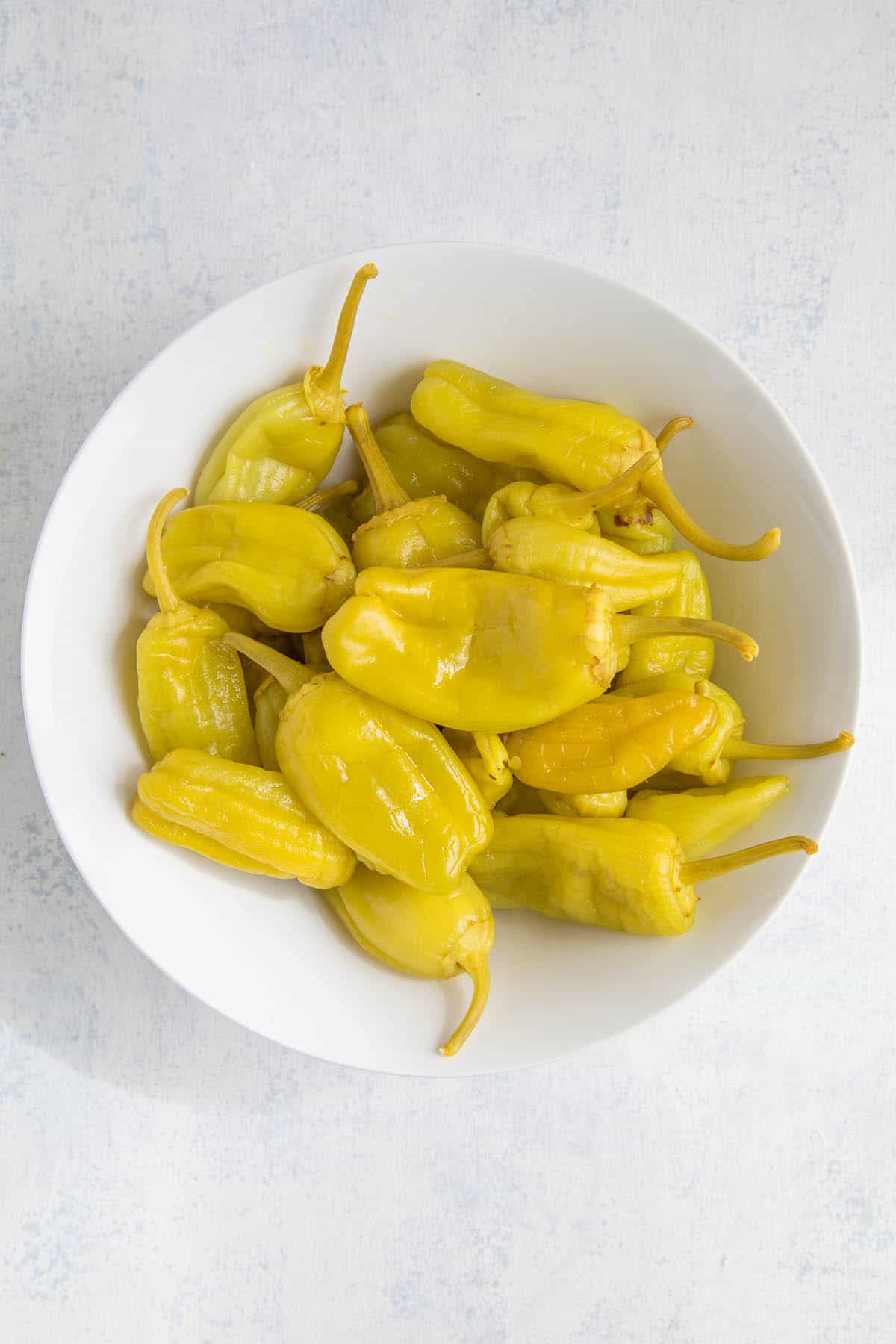
This distinctiveness is paramount for differentiation in increasingly crowded food and beverage markets. Brands constantly seek unique flavors to stand out, and pepperoncini’s specific profile offers a compelling opportunity. For a brand, leveraging pepperoncini isn’t just about adding a pepper; it’s about integrating a flavor experience that speaks to a particular palate. A brand can effectively “own” this flavor profile, making it synonymous with their product or a specific experience. Imagine a sandwich chain whose brand promise includes a “signature zest” directly attributed to its high-quality pepperoncini, or a gourmet antipasto line positioning itself on the “authentic Mediterranean tang” derived from this very pepper. The unique taste becomes a trademark, a recognizable element that reinforces brand recall and fosters a loyal customer base.
Consumer Perception and Expectation Setting
The taste of pepperoncini profoundly influences consumer perception of a brand. Its presence can signal a commitment to authenticity, particularly in Mediterranean or Italian-inspired cuisines, where it is a staple. It can also communicate a brand’s dedication to specific flavor profiles—zesty, tangy, slightly piquant—catering to consumers who appreciate these nuanced notes over aggressive heat. Furthermore, for brands positioning themselves around adventurous or sophisticated palates, pepperoncini can imply a subtle gourmet touch without alienating those sensitive to intense spice.
Brands strategically use such flavor profiles to meticulously set consumer expectations. If a food brand prominently features pepperoncini in its marketing or product description, consumers anticipate a certain taste experience—one that is bright, refreshing, and adds a gentle kick rather than an overpowering burn. Consistency in delivering this expected taste experience is critical for reinforcing brand trust and building long-term loyalty. Any deviation could dilute the brand’s promise. Moreover, the strong association of pepperoncini with certain food types—like submarine sandwiches, salads, pizzas, or charcuterie boards—shapes how consumers categorize a brand and how that brand can effectively position itself within these specific culinary contexts. Understanding and accurately representing the pepperoncini taste profile is therefore not just a culinary task, but a strategic imperative for brand management.
Pepperoncini in Culinary Branding and Product Development
The unique taste profile of pepperoncini transitions from a mere ingredient characteristic to a strategic tool in the realm of culinary branding and product development. Here, its flavor is not just experienced but consciously engineered into a brand’s identity, influencing everything from menu design to product packaging.
Crafting Brand Identity Through Flavor Integration
For food brands, integrating pepperoncini’s taste involves a deliberate decision about its role within the brand’s core identity. Is it a “hero ingredient” around which an entire product line is built? Is it a crucial “supporting flavor” that elevates other components? Or perhaps a “seasonal special” that offers novelty while reinforcing the brand’s commitment to diverse palates? The answers to these questions shape the brand’s narrative. For instance, a specialty pickle brand might make a “sweet and tangy pepperoncini” its flagship product, emphasizing quality sourcing and traditional brining methods as part of its premium brand promise. Conversely, a sandwich shop might feature pepperoncini as a free add-on, subtly reinforcing its brand identity as one offering fresh, customizable, and flavor-forward options.
The specific quality and form of the pepperoncini—whether it’s fresh, pickled, whole, sliced, or even infused into oils—can also become a part of a brand’s promise. A gourmet olive oil brand might infuse pepperoncini to create a “zesty finishing oil,” signaling sophistication and a keen understanding of flavor dynamics. Packaging design and naming conventions play a vital role in communicating this integration. A vibrantly colored jar with a rustic label for a “Hand-Picked Mediterranean Pepperoncini Relish” clearly conveys a different brand message than a sleek, minimalist bottle of “Pepperoncini Infused Vinaigrette.” Both leverage the pepper, but for distinct brand positions and target demographics.
Case Studies: Brands Leveraging Pepperoncini
Numerous brands, both large and niche, have successfully integrated pepperoncini into their brand strategies, demonstrating its versatility and appeal.
Consider fast-casual restaurant chains. Brands like Subway or Jimmy John’s offer pepperoncini as a standard or customizable topping. For these brands, pepperoncini contributes to an image of freshness, customization, and variety. It provides that specific, recognizable “zing” that many customers associate with their sandwiches, acting as a flavor anchor in a diverse menu. Its consistent availability and quality become part of the brand’s promise for a reliable, enjoyable dining experience.
In the realm of gourmet food producers, pepperoncini often elevates products to a premium status. Brands specializing in antipasto platters, artisanal cheese boards, or Mediterranean deli items frequently feature high-quality pickled pepperoncini. Here, the pepperoncini signifies authenticity, unique flavor, and often a nod to traditional culinary methods. The brand narrative revolves around curated experiences, rich heritage, and superior taste, with pepperoncini playing a crucial role in delivering on those promises. The packaging for such brands often emphasizes the ingredient’s origin and preparation, reinforcing the premium perception.
Finally, condiment and sauce brands have found success by developing pepperoncini-flavored products. Imagine a line of “tangy pepperoncini hot sauces” or “sweet pepperoncini relishes.” In these instances, the distinct taste profile of pepperoncini—its mild heat coupled with sweetness and tang—is the primary selling point. These brands target consumers who appreciate flavor complexity and a gentle kick over pure, scorching heat, positioning themselves as offering sophisticated alternatives to traditional spicy condiments. Each of these examples illustrates how a deep understanding of pepperoncini’s taste translates directly into strategic brand positioning and product innovation.
Marketing the Unique Taste: Strategies and Challenges
Marketing the unique taste of an ingredient like pepperoncini requires a nuanced approach. Brands must not only communicate its distinct flavor profile effectively but also strategically navigate potential consumer unfamiliarity or misconceptions to maximize its appeal.
Communicating Flavor Through Brand Messaging
Effective brand messaging is paramount in translating the sensory experience of pepperoncini into compelling consumer narratives. This begins with evocative language. Instead of merely stating “spicy,” brands use descriptors like “mildly piquant,” “zesty tang,” “sweet heat,” or “briny crunch.” Such phrases paint a vivid picture for the consumer, setting appropriate expectations and appealing to specific flavor preferences. For example, a pasta sauce brand might highlight the “Mediterranean zest from sun-kissed pepperoncini” to evoke freshness and authenticity.
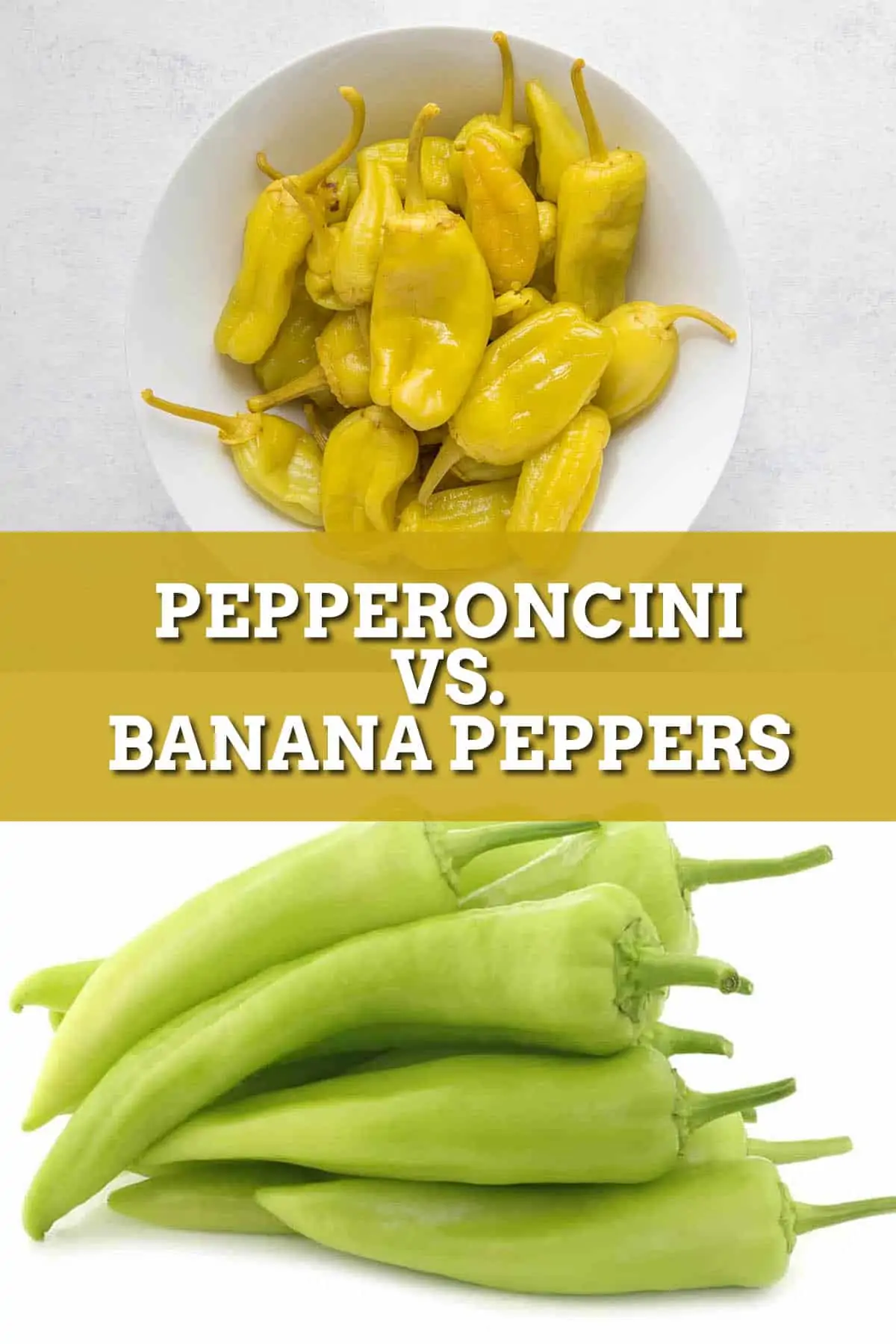
Visual communication also plays a critical role. High-quality photography and videography that showcase whole, sliced, or diced pepperoncini within a dish can trigger visual associations with its taste. The bright green and yellow hues of the pepper can be subtly integrated into a brand’s color palette, reinforcing its identity. Think of a salad dressing brand featuring a vibrant green bottle with pepperoncini imagery, visually communicating a fresh, tangy product.
Storytelling provides another powerful avenue. Brands can link pepperoncini to its historical origins in Greece or Italy, connecting it to traditions, sun-drenched landscapes, and authentic culinary practices. This builds an emotional connection, turning a simple ingredient into a cultural experience that the brand embodies. A brand selling pickled pepperoncini might share the story of its family recipe passed down through generations, emphasizing heritage and craftsmanship.
In the digital age, digital marketing channels amplify these efforts. Social media campaigns can feature user-generated content showcasing pepperoncini in various dishes, fostering a community around its flavor. Collaborations with food bloggers and influencers can create vicarious taste experiences, generating buzz and driving curiosity, directly linking the sensory appeal of pepperoncini to the brand’s offerings.
Overcoming Taste Barriers with Strategic Positioning
Despite its unique appeal, pepperoncini can present certain marketing challenges, primarily consumer unfamiliarity or potential confusion with hotter chili peppers. Strategic positioning is key to overcoming these barriers.
One effective strategy is to position pepperoncini as an “accessible spice” or a “flavor enhancer” rather than solely focusing on its heat. This broadens its appeal beyond those who actively seek spicy foods, inviting consumers who prefer milder, more nuanced flavors. A brand might market its pepperoncini as “the perfect complement for a subtle kick” rather than “intensely spicy,” distinguishing it from jalapeños or serranos.
Pairing pepperoncini with familiar foods is another crucial tactic. By showcasing pepperoncini as an ideal topping for popular dishes like pizza, pasta salads, sandwiches, or even as an accompaniment to cheese boards, brands make it less intimidating and more approachable. This allows consumers to integrate a new flavor into known contexts, making the transition smoother. A marketing campaign might prominently feature images of a classic deli sub with vibrant pepperoncini slices, normalizing its presence.
Finally, experiential marketing through tasting events and samples allows consumers to try the flavor firsthand. This direct sensory engagement is invaluable in dispelling misconceptions and building appreciation. Brands can offer samples of pepperoncini-infused products at food festivals or in-store, allowing the unique sweet-tangy profile to speak for itself and directly connect the positive taste experience to the brand. By proactively addressing potential barriers and employing creative communication, brands can effectively leverage pepperoncini’s distinctive taste to enhance their market presence.
The Future of Flavor Branding: The Pepperoncini Paradigm
As consumer palates become increasingly globalized and sophisticated, the future of brand strategy in the food sector will continue to be heavily influenced by unique flavor profiles like that of pepperoncini. Its ability to offer a distinctive, yet accessible, taste positions it as a significant element in evolving brand portfolios.
Innovation and Adaptation in Brand Portfolios
The culinary landscape is in constant flux, driven by an appetite for novelty and authenticity. As a result, brands will continuously seek out and integrate distinctive ingredients such as pepperoncini to refresh their offerings and maintain market relevance. We can anticipate pepperoncini moving beyond its traditional roles into new product categories and applications, reflecting an ongoing drive for innovation.
One area of significant growth for pepperoncini in branding is within the plant-based food sector. As brands expand their vegan and vegetarian offerings, there’s a critical need for ingredients that provide complex flavors and satisfying textures. Pepperoncini, with its tangy, slightly spicy profile and crisp texture, can be a star component in plant-based sandwiches, bowls, and even meat alternatives, adding depth without relying on animal products. This aligns perfectly with brands that aim to convey health, sustainability, and ethical consumption values. Imagine a plant-based deli slices brand highlighting “zesty pepperoncini infusion” as a key flavor differentiator.
Furthermore, we might see the emergence of cross-category branding where the idea of pepperoncini’s fresh, tangy profile is evoked in unexpected ways. This could range from pepperoncini-flavored gourmet snacks and artisanal beverages to potentially even non-food items, where the essence of its flavor inspires sensory experiences beyond taste, perhaps in home fragrances or personal care products aiming for a “Mediterranean zest.” While more abstract, this demonstrates the power of a flavor profile to transcend its original context and become a broader brand descriptor.
Finally, for brands that stake their reputation on premium quality and specific origin stories, the authenticity in sourcing and processing pepperoncini will remain paramount. Consumers are increasingly discerning, valuing transparency and traceability. Brands that can credibly tell the story of their pepperoncini—from farm to fork, emphasizing sustainable practices or traditional curing methods—will build stronger trust and deeper connections with their audience. This reinforces a brand’s narrative of integrity and superior quality, where the very taste of the pepperoncini serves as a testament to its genuine origins.
Ultimately, understanding and harnessing the unique taste profile of an ingredient like pepperoncini is not merely a culinary exercise; it is a profound strategic endeavor that impacts brand identity, market positioning, and consumer engagement. Its distinctive flavor is a potent, versatile tool in the brand marketer’s arsenal, poised to continue shaping the future of taste and branding.
aViewFromTheCave is a participant in the Amazon Services LLC Associates Program, an affiliate advertising program designed to provide a means for sites to earn advertising fees by advertising and linking to Amazon.com. Amazon, the Amazon logo, AmazonSupply, and the AmazonSupply logo are trademarks of Amazon.com, Inc. or its affiliates. As an Amazon Associate we earn affiliate commissions from qualifying purchases.