
The Critical Status Between Offer and Ownership
Understanding the Transactional Lifecycle
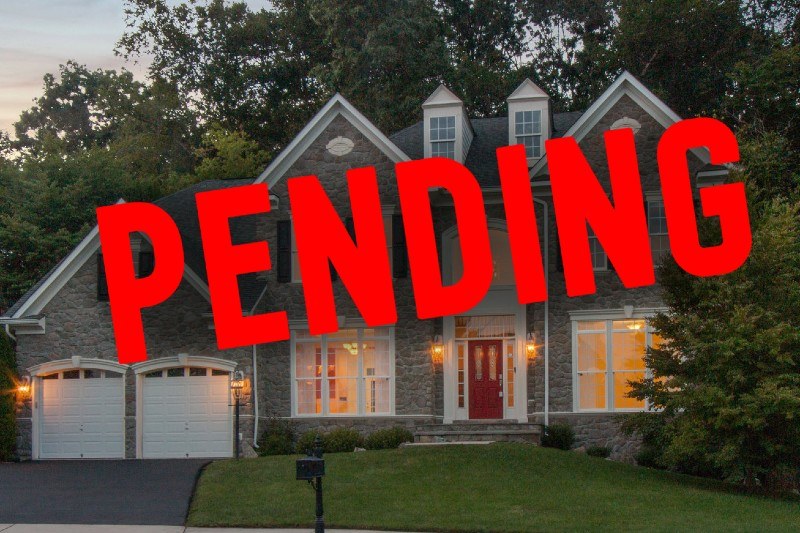
When a property’s status shifts to “pending” in real estate, it marks a pivotal moment in the home buying and selling process. This isn’t just an arbitrary label; it’s a financial designation signifying that a seller has accepted an offer from a buyer, and both parties are actively working towards the finalization of the sale. While the property is technically under contract, the transaction is not yet complete, and critically, the funds have not yet fully exchanged hands. For both buyers and sellers, understanding this period is paramount, as it’s fraught with financial milestones, potential pitfalls, and crucial due diligence. It represents the intensive phase where the provisional agreement transforms into a concrete transfer of assets, demanding careful financial planning and execution.
Beyond Just an Accepted Offer
The journey to “pending” status typically begins with a buyer making an offer, which the seller then accepts. However, an accepted offer merely sets the stage. “Pending” implies that the legal framework of a purchase agreement is now in place, outlining the terms, contingencies, and deadlines that govern the transaction. This agreement is a legally binding financial commitment, subject to various conditions being met. From a financial perspective, it means the buyer has likely put down earnest money, a good-faith deposit held in escrow, demonstrating their serious intent to purchase and commitment of funds. This money can be at risk if the buyer defaults without a valid contingency to exit the contract, making the “pending” phase a period of significant financial commitment and potential exposure. Buyers must understand the conditions under which their earnest money is refundable or forfeitable, making careful review of the purchase agreement vital.
Key Financial Milestones During the Pending Phase
Navigating Financing and Appraisal Contingencies
For most buyers, securing a mortgage is the single largest financial undertaking in real estate. The “pending” period is where financing contingencies come into sharp focus. Buyers must finalize their loan approval, a process that involves extensive financial documentation, credit checks, and income verification by the lender. Any discrepancies or changes in the buyer’s financial situation during this time—such as taking on new debt, making large purchases, or changing employment—can jeopardize loan approval and, consequently, the entire deal. Maintaining financial stability is paramount.
Alongside financing, an appraisal contingency is another critical financial checkpoint. Lenders typically require an independent appraisal of the property to ensure its value supports the loan amount. If the appraisal comes in lower than the agreed-upon purchase price, it creates a significant financial hurdle. The buyer may have to cover the difference out-of-pocket, renegotiate the price with the seller, or, if a contingency allows, walk away from the deal and potentially retrieve their earnest money. This underscores the need for clear communication and swift action to mitigate financial risk and protect the buyer’s investment.
The Role of Inspection and Title Contingencies
While not always directly about the purchase price, property inspections carry substantial financial implications. An inspection contingency allows the buyer to thoroughly assess the property’s condition. Should the inspection uncover significant defects—structural issues, major system failures, or costly repairs—the buyer can typically request the seller to make repairs, offer credits, or reduce the purchase price. Each of these outcomes directly impacts the financial terms of the deal, either by adjusting the buyer’s out-of-pocket expenses post-closing or altering the seller’s net proceeds. Failing to address these issues can lead to unexpected future costs for the buyer, making the inspection a critical financial safeguard.
Simultaneously, a title search is conducted to ensure the seller has clear legal ownership of the property and that there are no outstanding liens, easements, or other encumbrances that could affect the buyer’s future ownership. Title insurance is then purchased to protect both the buyer and the lender from financial losses arising from title defects. This financial protection is crucial, as a “cloud on the title” could render the property unmarketable or expose the buyer to future legal and financial challenges, representing a significant long-term financial risk.
Managing Escrow, Earnest Money, and Closing Costs
Throughout the pending phase, an escrow agent or attorney holds all financial documents and funds, including the buyer’s earnest money deposit. This neutral third party ensures that all conditions of the contract are met before any money changes hands. For the buyer, maintaining financial liquidity is vital, not just for the down payment but also for the myriad of closing costs—loan origination fees, appraisal fees, title insurance, property taxes, homeowner’s insurance premiums, and more. These costs can amount to a significant percentage of the loan value and must be budgeted for well in advance to avoid last-minute financial stress. For sellers, their focus is on providing necessary disclosures, ensuring any agreed-upon repairs are completed, and preparing for the financial calculations of their net proceeds after commissions, taxes, and other closing adjustments.
Financial Implications for Buyers and Sellers During Pending
For Buyers: Securing Your Investment and Mitigating Risk
For buyers, the pending period is a high-stakes financial tightrope walk. Their earnest money is on the line, and any misstep can lead to its forfeiture. Successfully navigating this phase means actively engaging with their lender to expedite loan processing, carefully reviewing inspection reports and appraisal results, and ensuring all contingency deadlines are met. It’s a time to scrutinize every financial detail, from the exact terms of their mortgage to the itemized list of closing costs. Buyers must remain financially disciplined, avoiding large purchases or new lines of credit that could impact their debt-to-income ratio and jeopardize their loan approval. The goal is to ensure that the significant financial commitment of buying a home is secure, well-understood, and protected against unforeseen issues that could erode their investment.
For Sellers: Protecting Your Equity and Maximizing Returns
Sellers, too, face unique financial considerations during the pending period. Their primary objective is to ensure the deal closes smoothly, converting their property equity into liquid funds. While under contract, the property is effectively off the market, meaning the seller may be missing out on other potentially higher offers. Should the deal fall through due to a buyer’s inability to secure financing or an unresolvable contingency, the seller is back to square one, incurring additional time and potentially financial loss from re-listing, marketing costs, and prolonged mortgage payments. They must be prepared for potential renegotiations arising from inspection findings or a low appraisal, which could impact their net proceeds. Managing expectations and being responsive to buyer requests are key to protecting the financial integrity of the sale and maximizing their return on investment.
Types of Pending Statuses and Their Financial Nuances
“Pending – Contingent”: Conditional Financial Progress
Many pending listings will carry a “contingent” modifier (e.g., “pending – contingent on financing,” “pending – contingent on inspection,” “pending – contingent on sale of buyer’s home”). Each contingency represents a specific condition that must be met for the financial transaction to proceed. A “financing contingency” directly relates to the buyer’s ability to secure a loan; if they fail, the deal can be canceled without financial penalty to the buyer’s earnest money. A “sale of buyer’s home” contingency introduces another layer of financial complexity, as the current transaction’s success is tied to the successful sale of another asset. Understanding these specific contingencies is crucial for assessing the true financial stability and likelihood of closure for both parties. For sellers, a heavily contingent offer can be riskier as it provides more avenues for the buyer to withdraw, potentially impacting their timeline and financial planning.
“Pending – Short Sale”: Prolonged Financial Uncertainty
A short sale occurs when a property sells for less than the outstanding mortgage balance, and the lender agrees to accept the reduced payoff. Properties under a “pending – short sale” status face prolonged periods of uncertainty and often significant delays. The financial approval process is much more complex, requiring the seller’s lender(s) to review and approve the terms of the sale, often involving multiple parties and lengthy negotiations. For both buyers and sellers, this status carries heightened financial risk due to the extended timeline, the possibility of the lender rejecting the offer, or the negotiation of additional fees or conditions by the lender. Buyers must be prepared for a longer waiting period and potential out-of-pocket expenses during the protracted approval process, which can strain financial resources.
“Pending – Back-up Offers Accepted”: Strategic Financial Positioning
In competitive markets, a property might be “pending” but still accept “back-up offers.” This means a primary offer is under contract, but the seller is willing to entertain and accept a secondary offer that would automatically become active if the primary deal fails. For sellers, this is a strategic financial move that minimizes potential financial loss and downtime if the initial transaction collapses, providing a safety net for their equity. For buyers making a back-up offer, it provides an opportunity to secure a property they desire, albeit with the understanding that their financial commitment is contingent on another deal falling through. This option offers a degree of financial flexibility and reduced risk for the seller while offering a glimmer of hope to other buyers who missed the initial window.
Ensuring a Smooth Financial Close
Diligent Preparation and Communication
To successfully navigate the pending period and ensure a smooth financial close, meticulous preparation and proactive communication are non-negotiable. Buyers must provide all requested financial documents to their lender promptly, respond to additional information requests, and maintain a stable financial profile. Avoiding new credit inquiries, significant purchases, or job changes is paramount for preserving loan eligibility. Similarly, sellers must address any repair requests or disclosure requirements efficiently. Both parties should maintain open lines of communication with their real estate agents, lenders, and escrow officers to stay informed about progress and proactively resolve any emerging issues that could jeopardize the financial transaction.

The Final Financial Review and Closing
As the closing date approaches, both buyer and seller will receive a Closing Disclosure (CD) or Settlement Statement. This critical document itemizes all financial transactions, including loan details, closing costs, adjustments, and the final amount due from the buyer or net proceeds for the seller. Buyers must meticulously review this document at least three business days before closing to ensure accuracy and understand every financial line item. Any discrepancies should be questioned immediately to prevent costly errors. On closing day, the final transfer of funds occurs, and the property title is officially transferred, marking the culmination of a significant financial journey. Understanding “pending” isn’t just about a status update; it’s about comprehending the intricate financial dance that leads to homeownership or property liquidation.
aViewFromTheCave is a participant in the Amazon Services LLC Associates Program, an affiliate advertising program designed to provide a means for sites to earn advertising fees by advertising and linking to Amazon.com. Amazon, the Amazon logo, AmazonSupply, and the AmazonSupply logo are trademarks of Amazon.com, Inc. or its affiliates. As an Amazon Associate we earn affiliate commissions from qualifying purchases.