
In the dynamic world of brand identity and visual communication, every shape, color, and line is a deliberate choice, imbued with the potential to convey meaning, evoke emotion, and forge connection. Among the fundamental geometric forms, the triangle stands out as a particularly potent and versatile symbol. Far from a mere aesthetic element, the triangle in branding can represent a rich tapestry of concepts, deeply influencing how a brand is perceived and understood by its audience. Its precise meaning is often a carefully constructed narrative, dependent on orientation, context, and the brand’s overarching strategy. Understanding the semiotics of the triangle is crucial for designers, marketers, and strategists aiming to craft resonant and impactful brand identities.
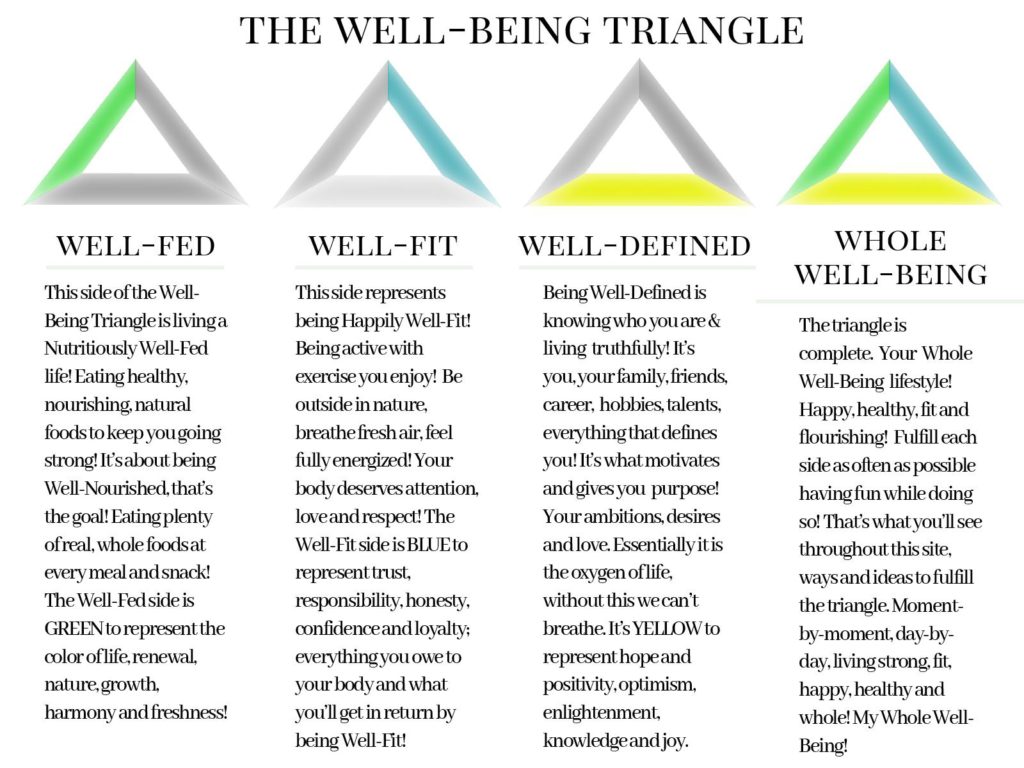
The Enduring Symbolism of the Triangle in Brand Identity
The triangle’s power lies in its simplicity and its fundamental nature. As the simplest polygon, it carries inherent symbolic weight derived from its structure: three sides, three angles, and a singular point. This inherent structure allows it to communicate a diverse range of concepts, making it a cornerstone in visual branding across industries.
Stability and Foundation
When oriented with its base firmly on the ground, the triangle instantly communicates stability, strength, and a solid foundation. This orientation suggests steadfastness, reliability, and an unwavering presence. Brands that wish to project trust, durability, and resilience often leverage this configuration. For instance, financial institutions, construction companies, or heritage brands might adopt an upright triangle to assure stakeholders of their robust and dependable nature. It conveys a sense of permanence and a deep-rooted establishment, suggesting that the brand is built to last and provides a secure base for its clients or customers. This interpretation taps into our primal understanding of stability, where a broad base prevents tipping.
Direction, Movement, and Growth
Conversely, when the triangle points upwards, it symbolizes aspiration, growth, and forward momentum. This upward trajectory can signify progress, innovation, and a constant drive towards improvement. Many tech companies, ambitious startups, or brands focused on future-oriented services utilize this dynamic orientation to communicate their vision for advancement. An upward-pointing triangle can suggest climbing to new heights, reaching goals, or leading the way. Similarly, a triangle pointing to the right often denotes progress and moving forward, aligning with the common left-to-right reading direction in many cultures. This directional symbolism makes it a powerful tool for brands aiming to position themselves as leaders, innovators, or catalysts for change. It evokes a sense of dynamism and an exciting journey rather than static presence.
Balance, Unity, and Connection
The inherent three-sided nature of the triangle naturally lends itself to representing concepts of trinity, unity, and balance. In many cultures, the number three holds significant spiritual or philosophical weight, representing completeness or the coming together of different elements. A triangle can symbolize the interconnectedness of various components within a system or the harmonious relationship between different aspects of a brand’s mission. For example, a brand focusing on collaboration, partnership, or holistic solutions might employ a triangle to represent the synergy of its offerings or its community. Furthermore, triangles arranged in a pattern or interwoven can symbolize networks, relationships, and intricate connections, appealing to brands that emphasize community building or integrated services. Its geometric purity can also suggest precision and equilibrium, reinforcing a brand’s commitment to excellence and fairness.
Psychological Impact and Brand Perception
Beyond its direct symbolic meanings, the triangle wields considerable psychological influence, subtly shaping how consumers perceive a brand’s personality and values. Designers leverage these subconscious associations to craft logos and visual identities that resonate deeply with target audiences.
Communicating Core Values Through Geometry
The sharp angles and definitive lines of a triangle evoke a sense of precision, efficiency, and a structured approach. Brands that pride themselves on clarity, innovation, and cutting-edge solutions often find the triangle an ideal shape to embody these values. Unlike the softness of a circle or the conventionality of a square, the triangle commands attention and suggests decisiveness. It can convey a brand’s forward-thinking nature and its commitment to being at the forefront of its industry. The choice of a triangle, therefore, is not just about aesthetics but about distilling a brand’s core essence into a universally recognizable visual shorthand. This geometric choice can subtly prime the audience to expect a brand that is focused, direct, and perhaps even authoritative.
Cultural Nuances and Interpretations
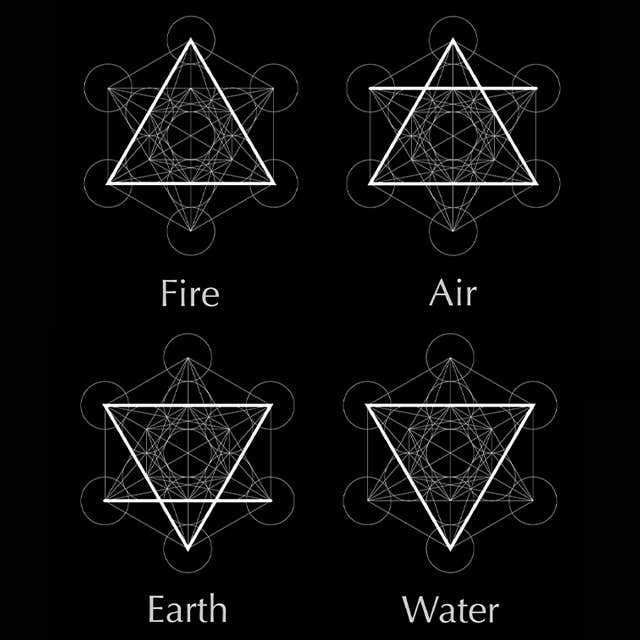
While some meanings are universally understood, the interpretation of triangles can also vary across different cultures and historical contexts. In ancient civilizations, triangles often held sacred meanings, representing deities, cosmic order, or fundamental principles. In modern contexts, these historical echoes can add layers of depth to a brand’s story, particularly for brands aiming for a timeless or culturally rich identity. However, it’s crucial for brands operating internationally to be mindful of potential misinterpretations. For instance, an inverted triangle (pointing downwards) might be associated with femininity or water in some cultures, or it could imply instability or regression in others. A thorough understanding of the target audience’s cultural background is essential to ensure that the chosen triangular motif reinforces the intended brand message rather than creating confusion or negative associations. Global brands often conduct extensive cultural testing to validate their visual choices.
Strategic Application in Logo Design and Visual Marketing
The practical application of triangles in branding extends far beyond mere shape selection; it’s about strategic deployment within the broader visual ecosystem of a brand. From iconic logos to dynamic marketing collateral, triangles serve as powerful brand assets.
Iconic Examples and Their Meanings
Many world-renowned brands have successfully incorporated triangles into their logos, each leveraging its unique symbolism to tell a compelling brand story. For instance, Mitsubishi’s three diamonds (which can be interpreted as three triangles originating from a central point) represent reliability, integrity, and success, values deeply rooted in its corporate philosophy. Adidas’s iconic three-stripe mountain logo uses triangles to symbolize the challenges and triumphs athletes face, inspiring resilience and achievement. Google Drive’s logo, composed of three interlocking triangles, effectively conveys collaboration, integration, and the multifaceted nature of its cloud storage service. These examples demonstrate that the triangle’s power lies not just in its presence but in how it is integrated, colored, and combined with other elements to form a cohesive and meaningful brand mark. The subtlety or prominence of the triangle can also dictate its impact, from a foundational structure to a dynamic focal point.
Beyond the Logo: Triangles in Marketing Collateral
The influence of triangles isn’t confined to the primary logo. They can be integrated throughout a brand’s visual marketing materials to reinforce its identity and messaging. In web design, triangular elements can guide the eye, create dynamic layouts, and add a sense of modernism. In print advertisements, triangular patterns or focal points can convey energy, direction, or a structured approach to information. Infographics often use triangles to represent data hierarchy, progress, or comparative metrics, making complex information digestible and visually engaging. Even in product packaging, triangular forms or patterns can suggest premium quality, innovation, or a unique user experience. The consistent use of triangular motifs across all touchpoints strengthens brand recognition and reinforces the core values initially established by the logo. This repetition builds a visual language that becomes synonymous with the brand.
Crafting a Powerful Brand Narrative with Triangular Elements
For brand strategists and designers, leveraging the triangle means consciously weaving its symbolic power into the fabric of the brand narrative. This involves thoughtful consideration of orientation, context, and consistency.
Versatility for Diverse Brand Personalities
One of the triangle’s greatest strengths is its versatility. It can be sharp and aggressive for a brand focused on disruption and challenge, or it can be soft and rounded at the corners for a more approachable yet still forward-thinking brand. Its lines can be solid and bold to convey authority, or broken and fragmented to suggest innovation and adaptability. This adaptability allows triangles to be tailored to a wide spectrum of brand personalities, from luxury automotive brands emphasizing precision to eco-conscious brands highlighting interconnectedness. The choice of color, texture, and accompanying typography further refines the triangle’s message, enabling it to articulate even nuanced aspects of a brand’s identity without losing its inherent impact.
Future-Proofing with Geometric Simplicity
In an ever-evolving visual landscape, geometric shapes like the triangle offer a timeless quality. Their simplicity ensures that a logo or brand mark remains recognizable and effective even as design trends shift. A well-designed triangular logo possesses an inherent longevity, capable of transcending fleeting fads and maintaining its relevance for decades. This future-proofing aspect is invaluable for brands seeking to build enduring legacies. The minimalist aesthetic often associated with geometric forms also aids in digital adaptability, allowing logos to scale seamlessly across various platforms, from tiny app icons to large billboards, without losing clarity or impact. This ensures consistent brand representation in a multi-channel world, a crucial factor in modern brand management.
Key Considerations for Incorporating Triangles in Your Brand
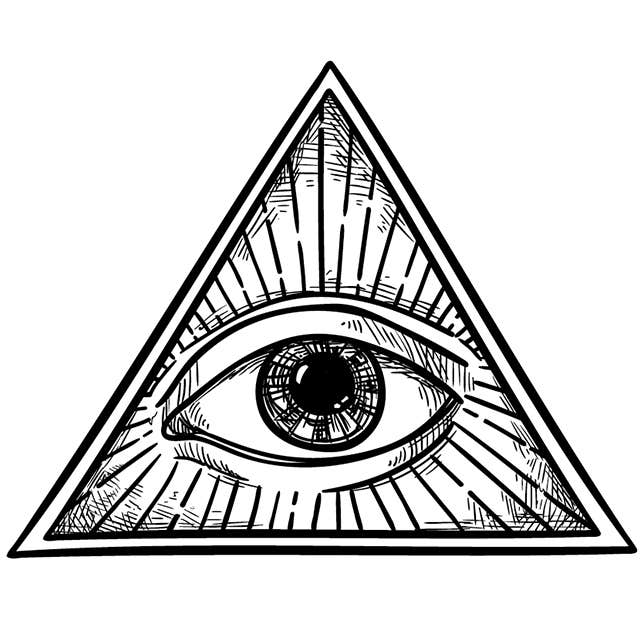
When considering the use of triangles in a brand identity, several strategic questions must be addressed to ensure alignment with brand objectives. First, what specific qualities of the triangle—be it stability, direction, balance, or sharpness—best articulate the brand’s core message? The orientation, whether upright, inverted, or sideways, profoundly impacts this message. Second, how will the triangle interact with other design elements, such as text, colors, and complementary shapes, to form a cohesive visual language? A triangle should rarely stand alone without supporting elements that amplify its intended meaning. Third, how will the chosen triangular motif resonate with the target audience culturally and psychologically? Thorough market research and cultural sensitivity checks are imperative, especially for brands with a global reach. Finally, consistency across all brand touchpoints is paramount. The triangle, once adopted, should become an integral part of the brand’s visual vocabulary, reinforcing its meaning and strengthening its identity wherever it appears.
aViewFromTheCave is a participant in the Amazon Services LLC Associates Program, an affiliate advertising program designed to provide a means for sites to earn advertising fees by advertising and linking to Amazon.com. Amazon, the Amazon logo, AmazonSupply, and the AmazonSupply logo are trademarks of Amazon.com, Inc. or its affiliates. As an Amazon Associate we earn affiliate commissions from qualifying purchases.