
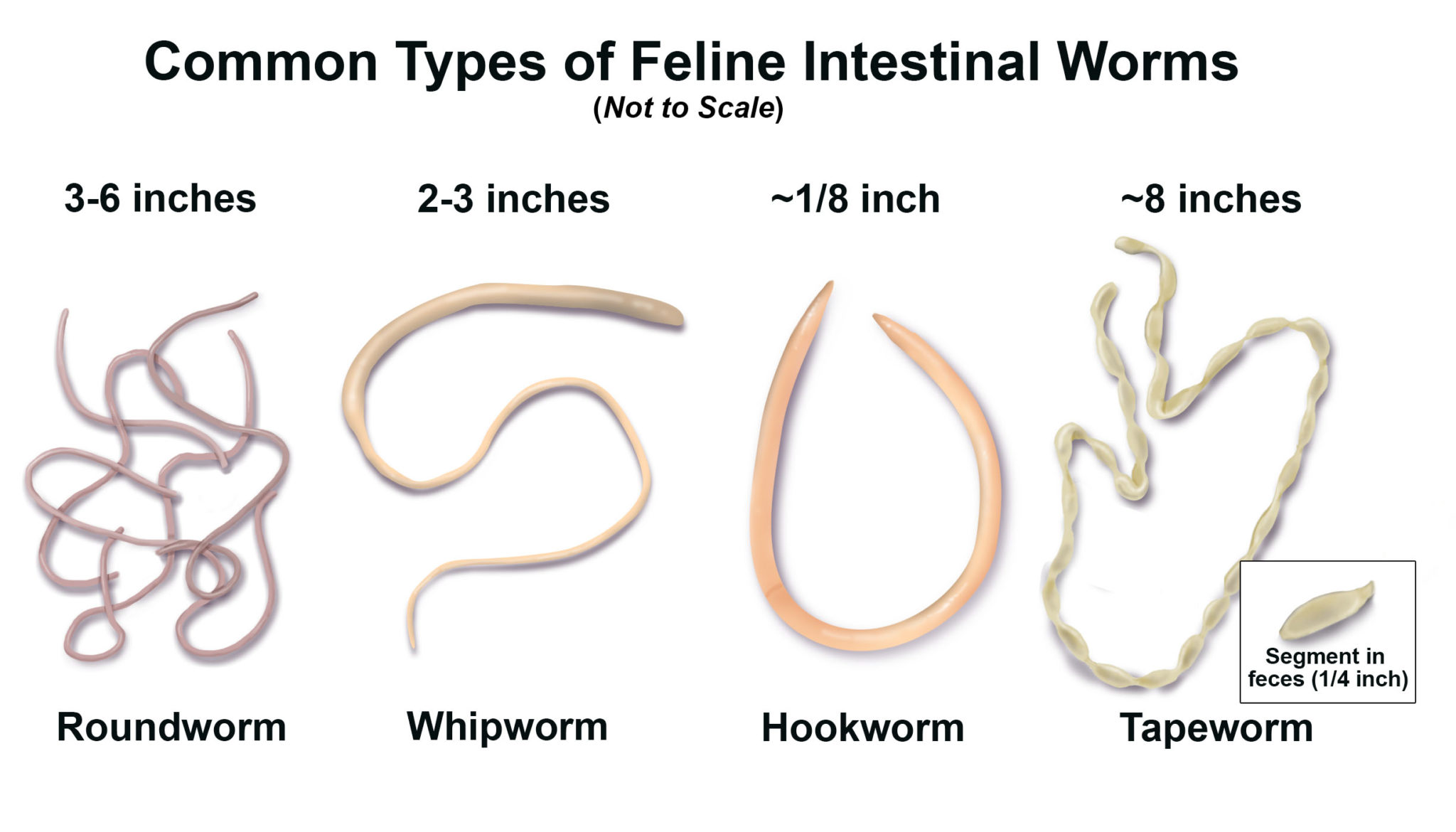
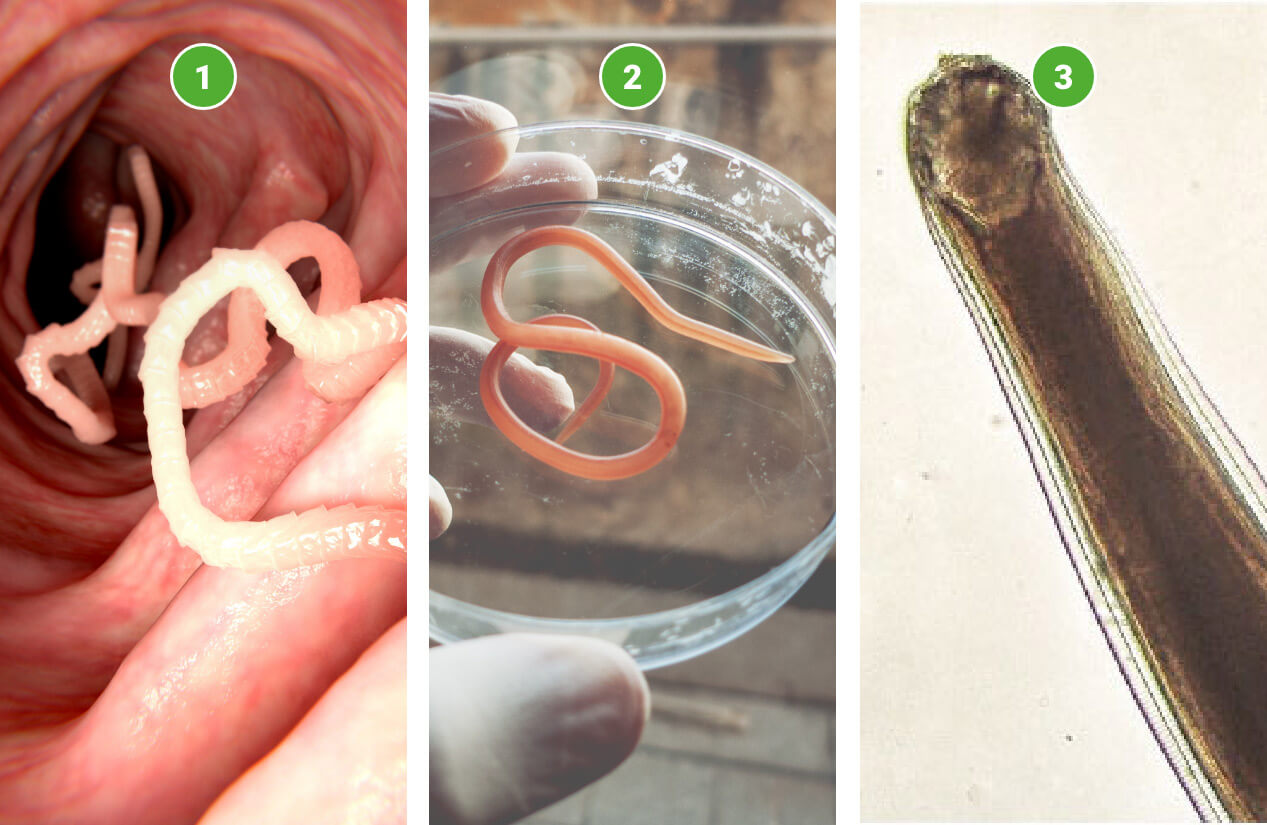
Observing unusual matter in your cat’s vomit or feces can be a jarring experience, often leading to immediate concern. When it comes to roundworms, or Toxocara cati, the visual identifiers can be quite distinct. Typically, these parasites appear as white or light brown, spaghetti-like strands, ranging from two to four inches in length. In cases of heavy infestation, they might be seen wriggling in the litter box or even emerge from the cat’s mouth. While such a sighting is an undeniable signal of internal parasites, it also marks the beginning of a series of financial considerations for responsible pet ownership. Visual identification provides a crucial, albeit startling, prompt to engage with the monetary aspects of feline health management.
The Financial Impact of Feline Parasites
The discovery of roundworms in a cat is rarely just a biological observation; it swiftly transitions into a financial event. From initial veterinary consultations to follow-up treatments, each step in managing a parasitic infection carries a distinct monetary implication that pet owners must be prepared to address. Understanding these costs is paramount for effective financial planning in pet care.
Initial Diagnosis Costs: Beyond Visual Identification
While seeing a worm provides a strong visual clue, it is rarely sufficient for a definitive diagnosis or a precise treatment plan. A visit to the veterinarian is the indispensable first step, and with it come the associated costs. A standard veterinary consultation fee typically ranges from $50 to $150, depending on your location and clinic. During this visit, the vet will likely recommend a fecal flotation test. This diagnostic procedure, which involves microscopic examination of a stool sample to identify parasite eggs, is crucial because mature worms are often not visible, and different types of parasites require different medications. Fecal tests generally cost between $25 and $75.
Relying solely on visual identification without veterinary confirmation carries significant financial risks. Misidentifying the type of worm (e.g., confusing tapeworms with roundworms) can lead to using ineffective over-the-counter treatments, resulting in prolonged suffering for the cat and the eventual need for more extensive, and thus more expensive, veterinary intervention. Delayed treatment can allow the infestation to worsen, potentially causing more severe health issues that require costlier diagnostics like blood work (ranging from $100 to $250 for a basic panel) or even imaging, compounding the initial financial outlay.
Treatment and Medication Expenses
Once a roundworm diagnosis is confirmed, the next financial outlay is for medication. Dewormers are effective but come at a price. The cost of a single dose of deworming medication can vary from $10 to $30, often administered orally as a pill or liquid, or occasionally as a topical spot-on. However, roundworm treatment typically isn’t a one-time event. Due to the parasite’s life cycle, multiple doses over several weeks are often required to eliminate newly hatched worms. This means owners should budget for at least two to three doses, pushing the medication cost to $20-$90 per course.
Beyond the initial medication, follow-up vet visits are often recommended to ensure the treatment was successful. A repeat fecal test, costing another $25-$75, might be necessary a few weeks after the final dose to confirm the absence of eggs. In severe cases, where the cat might be suffering from dehydration due to vomiting or diarrhea, additional supportive care such as subcutaneous fluids ($30-$60) or nutritional supplements might be needed, further increasing the bill. These cumulative costs highlight that addressing an active roundworm infection is not merely the price of a dewormer but a series of expenses that can quickly escalate without proper financial foresight.
Proactive Financial Planning for Pet Health
While treating an active roundworm infection can be a significant financial drain, a proactive approach to feline health can often lead to substantial long-term savings. Investing in preventative measures and establishing robust financial safety nets are key strategies for mitigating the monetary impact of common pet ailments, including parasitic infestations.
Investing in Prevention: A Cost-Benefit Analysis
The adage “an ounce of prevention is worth a pound of cure” rings particularly true in pet health, especially concerning parasites. Regular deworming, often integrated into a broader parasite control regimen that also targets fleas, ticks, and heartworms, is a financially prudent strategy. Monthly broad-spectrum preventatives, which can cost between $15 and $30 per month, might seem like an ongoing expense, but they represent an investment that can circumvent far more expensive treatments down the line.
Consider the cost-benefit: $180-$360 annually for comprehensive prevention versus the potential hundreds of dollars for diagnosing and treating an active, severe roundworm infection with its associated complications. Beyond direct medication, good hygiene practices, such as daily litter box cleaning and ensuring a clean environment, also contribute to prevention by reducing the likelihood of reinfection from microscopic eggs, thereby saving future medication and vet visit costs. For kittens, a series of deworming treatments from a young age is standard and highly cost-effective, preventing severe infestations that can lead to permanent developmental issues or even death, which would represent the ultimate financial and emotional cost.
The Role of Pet Insurance and Emergency Funds
For unexpected veterinary expenses, including those arising from parasitic infections, pet insurance can be an invaluable financial tool. Policies vary widely, with accident-only plans being the most affordable, while comprehensive accident and illness plans (which typically cover parasitic treatments) come at a higher premium. A typical comprehensive policy for a cat can range from $25 to $50 per month, depending on the cat’s age, breed, and your location, as well as the deductible and reimbursement percentage chosen.
While pet insurance helps manage large, unforeseen costs, it’s crucial to understand its limitations, such as waiting periods and exclusions for pre-existing conditions. For these reasons, maintaining a dedicated emergency fund for pet care is another critical financial strategy. This fund, separate from general savings, ensures that you have immediate access to funds for veterinary emergencies or routine care not covered by insurance. Aiming for $500 to $1,000 in a pet emergency fund can provide significant peace of mind and prevent the need for high-interest credit or difficult financial decisions during a health crisis. Regularly contributing a small amount, perhaps $20-$50 monthly, can help build this fund steadily.
Long-Term Financial Implications of Untreated Infections
Neglecting a roundworm infection might seem like a way to save money in the short term, but it almost invariably leads to more severe health issues for the cat and significantly higher financial burdens for the owner in the long run. The financial ramifications extend far beyond the initial cost of deworming.
Escalating Vet Bills and Complication Costs
Untreated roundworm infections can wreak havoc on a cat’s health. In kittens, heavy parasite loads can lead to stunted growth, a dull coat, a pot-bellied appearance, and severe malnutrition because the worms are stealing vital nutrients. Treating these conditions, which can include prolonged hospitalization, intravenous fluids, specialized diets, and more intensive diagnostic tests (e.g., X-rays costing $100-$250 to check for intestinal blockages or ultrasounds at $200-$400), will far exceed the cost of simple deworming. Adult cats might experience chronic vomiting, diarrhea, weight loss, and a compromised immune system, making them susceptible to other, potentially more expensive, illnesses.
The cost of managing complications like severe anemia, secondary bacterial infections in the gut, or intestinal blockages requiring surgical intervention (which can easily run into thousands of dollars) paints a stark picture of the financial dangers of inaction. What starts as a $30 deworming session can quickly snowball into hundreds or even thousands of dollars in emergency veterinary care if left unchecked.

Budgeting for Ongoing Feline Wellness
Effective financial management for pet ownership requires integrating ongoing feline wellness into the household budget. This includes not just emergency preparedness but also allocating funds for routine care that prevents costly complications. Annual veterinary check-ups, typically costing $50-$150, are crucial for early detection of issues, including regular parasite screenings.
Considering the total cost of ownership for a cat involves not only food, litter, and toys but also a consistent allocation for healthcare. Financial tools like pet-specific savings accounts, veterinary credit cards (such as CareCredit), or clinics offering payment plans can help spread the cost of larger medical bills. Understanding that managing a cat’s health is a continuous financial commitment rather than a series of isolated expenses empowers owners to budget proactively, ensuring their feline companions receive the best possible care without undue financial stress. Ultimately, a well-managed budget for pet health translates into a happier, healthier cat and greater financial peace of mind for the owner.
aViewFromTheCave is a participant in the Amazon Services LLC Associates Program, an affiliate advertising program designed to provide a means for sites to earn advertising fees by advertising and linking to Amazon.com. Amazon, the Amazon logo, AmazonSupply, and the AmazonSupply logo are trademarks of Amazon.com, Inc. or its affiliates. As an Amazon Associate we earn affiliate commissions from qualifying purchases.