
The question of “what do people wear in Japan” extends far beyond mere clothing choices; it delves into a sophisticated ecosystem of design principles, cultural nuances, and deliberate personal branding. Japanese fashion, whether traditional or avant-garde, represents a meticulous approach to visual identity, where attire serves as a potent, non-verbal communication tool reflecting societal values, individual aspirations, and collective aesthetics. From the structured silhouettes of business wear to the vibrant expressions of street style, each garment and ensemble contributes to a carefully curated brand image—both for the individual and, in aggregate, for the nation’s distinctive fashion identity.

The Art of Subtlety: Design Principles in Japanese Attire
Japanese design philosophy, deeply ingrained in its fashion, emphasizes harmony, balance, and an understated elegance. This approach translates into clothing that often prioritizes comfort, quality, and a quiet sophistication over overt extravagance. The meticulous attention to detail, evident in everything from fabric selection to garment construction, forms the bedrock of a robust visual brand identity.
Form, Function, and Fabric: The Foundation of Everyday Wear
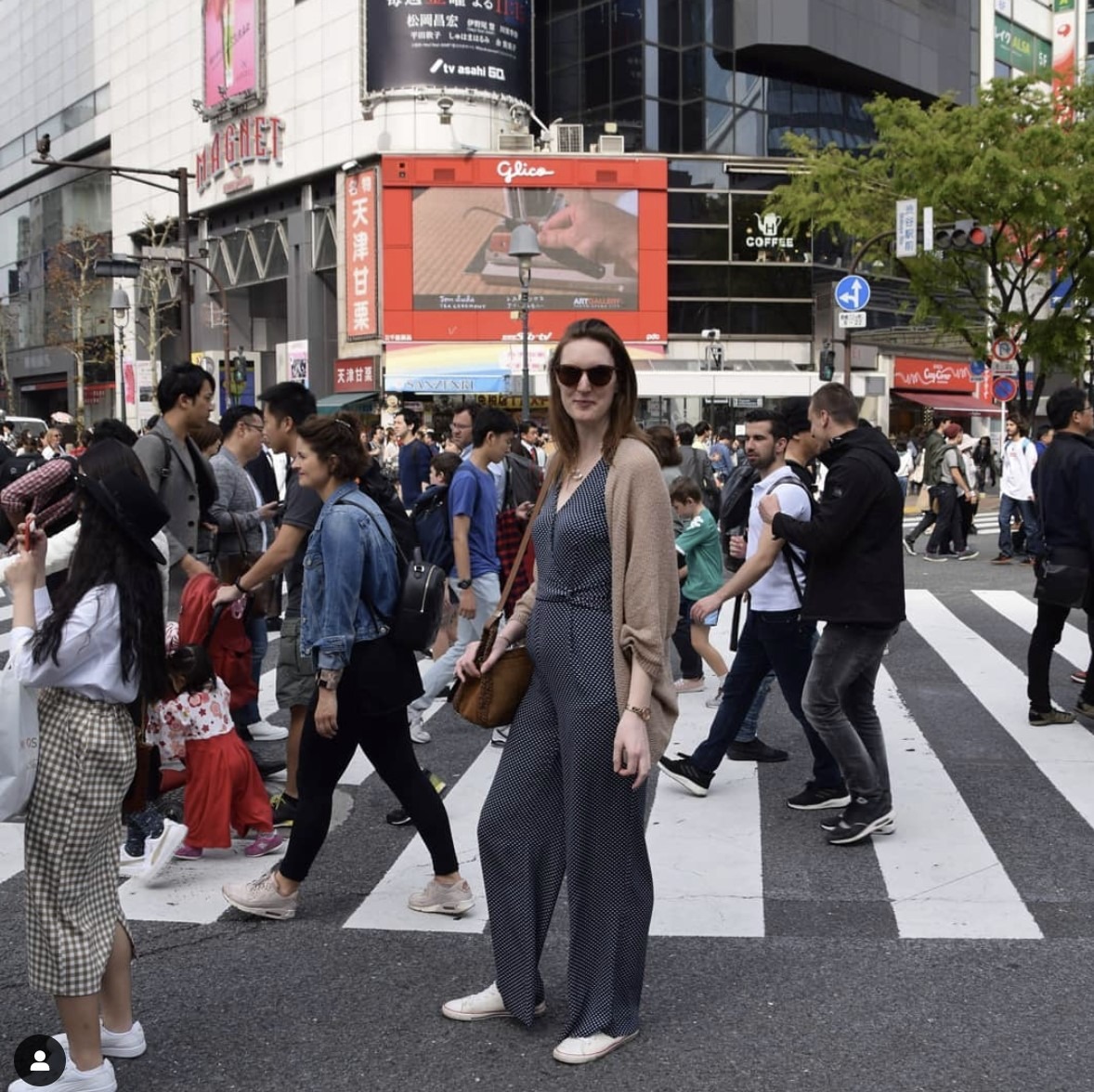
In contemporary Japan, everyday attire typically leans towards practical yet polished aesthetics. Functionality is paramount, especially in bustling urban environments, influencing the design of garments that allow for ease of movement without compromising on style. Silhouettes are often clean, structured, and modest, creating a streamlined appearance. Trousers, skirts, and dresses typically feature well-defined lines and tailored fits.
Fabrics play a crucial role in this design strategy. Natural fibers like cotton, linen, and wool are favored for their comfort, breathability, and durability. However, advanced synthetic blends are also skillfully integrated to offer wrinkle resistance and stretch, catering to the demands of busy urban lives. The quality of fabric is not merely a comfort factor but a significant component of personal branding; well-maintained, high-quality materials communicate professionalism, respect, and attention to detail. This focus on enduring quality contributes to a perception of longevity and thoughtfulness, which are desirable brand attributes. The absence of ostentatious logos on many mainstream garments further reinforces a brand identity built on intrinsic value rather than overt consumerism.
Color Palettes and Minimalism: An Understated Elegance
A distinctive aspect of Japanese design is its sophisticated use of color. While vibrant hues certainly appear, especially in traditional garments and specific subcultures, the prevailing trend for everyday and professional wear favors muted, earthy tones and a prevalence of neutrals. Black, white, grey, navy, and beige form the core palette, creating versatile wardrobes that are easily mixed and matched.
This minimalist color strategy is a deliberate design choice that facilitates a cohesive and polished personal brand. It allows individuals to project an image of understated elegance and seriousness, ensuring their attire complements rather than distracts from their professional or social interactions. The simplicity of color choice also underscores a broader Japanese aesthetic that values quiet beauty and harmony. Accessories, when present, are often subtle and strategically chosen to add a touch of personality without disrupting the overall minimalist brand identity. This intentional restraint in design acts as a powerful brand differentiator, conveying maturity and discernment.
Personal Branding Through Precision: Uniformity and Individuality
The concept of “uniform” is profoundly influential in Japanese society, shaping dress codes across various sectors from education to corporate environments. Far from stifling personal expression, these uniforms often become a framework within which individual branding is subtly yet powerfully articulated.
The Corporate Persona: Business Attire as a Brand Statement
In the Japanese corporate world, business attire is a critical component of professional branding. The “salaryman” suit, for instance, is not merely clothing; it’s a uniform that signifies dedication, conformity, and respect for the corporate collective. Men typically wear dark suits (navy, charcoal, black), crisp white or light blue shirts, and conservative ties. Women’s corporate wear often mirrors this professionalism with tailored suits, blouses, and modest dresses.
The precision in presentation—impeccably ironed shirts, polished shoes, and well-groomed hair—is an intrinsic part of this corporate brand identity. Deviations from these norms are rare and can be perceived as a lack of seriousness or respect. However, within this uniformity, individuals subtly express their personal brand through the quality of their tailoring, the choice of a subtle pattern on a tie, or a meticulously selected accessory. These small details convey an individual’s attention to quality and personal refinement, differentiating them within a highly standardized environment without overtly challenging the collective brand. It’s a masterclass in building a personal brand that aligns with, and subtly elevates, the corporate brand.
School Uniforms: A Collective Identity, A Personal Touch
School uniforms are ubiquitous in Japan, serving as a powerful tool for establishing institutional identity and fostering a sense of belonging among students. These uniforms, often iconic in their design (such as sailor fuku for girls or gakuran for boys), instantly communicate the school’s brand and values. They are designed for durability, ease of movement, and consistent visual representation.
Yet, even within these strict guidelines, students engage in forms of personal branding. This might manifest as customising the uniform with subtle badges, altering skirt lengths (within acceptable limits), or selecting specific hairstyles and accessories that reflect individuality while still adhering to the core uniform’s aesthetic. These acts are micro-expressions of personal brand development, allowing students to navigate the tension between collective identity and self-expression, honing their ability to differentiate themselves subtly within a structured environment. This early exposure to uniform-based personal branding sets a precedent for later professional life.
Cultural Currents: Street Style as a Dynamic Brand Expression
Beyond the structured environments, Japan’s street style, particularly in fashion-forward districts like Harajuku and Shibuya in Tokyo, serves as a dynamic laboratory for personal and subcultural branding. Here, individuals leverage clothing as a primary medium for radical self-expression and identity formation, often challenging conventional norms.
Harajuku and Beyond: Subcultural Branding Through Fashion
Harajuku street style is arguably the most famous example of fashion as a powerful branding tool in Japan. It encompasses a multitude of subcultures—from Gothic Lolita and Decora to Visual Kei and Mori Girl—each with a distinct aesthetic, philosophy, and visual code. These styles are not merely trends; they are comprehensive personal brand statements, meticulously constructed through clothing, hair, makeup, and accessories.
Individuals participating in these subcultures use fashion to signal their belonging to a specific group, articulate their values, and project a unique identity that stands apart from mainstream society. Each subculture functions almost like a niche brand, with its own “design guidelines” and “target audience.” The participants are both the designers and the walking advertisements for these unique brand identities, showcasing a fearless approach to visual communication and personal expression that influences global fashion and marketing trends. It’s a powerful demonstration of how niche aesthetics can build strong, recognizable brands.
Blending Tradition with Modernity: A Unique Design Narrative
Japanese fashion is also characterized by a compelling dialogue between traditional attire, such as kimonos and yukatas, and contemporary global trends. While traditional garments are often reserved for special occasions or specific cultural contexts, their design principles—such as emphasis on silhouette, layering, and textile craftsmanship—profoundly influence modern Japanese fashion.
Designers often reinterpret traditional motifs, fabrics, and construction techniques into contemporary wear, creating a distinct “Japanese aesthetic” that fuses heritage with innovation. This blend offers a unique brand narrative: one that is deeply rooted in history and cultural identity yet forward-looking and globally relevant. This fusion creates a compelling brand story for Japanese fashion as a whole, positioning it as both timeless and cutting-edge. It showcases how heritage design elements can be leveraged to create a modern, distinctive brand identity in a global market.
Beyond Aesthetics: The Philosophy of Japanese Fashion Design
The design of what people wear in Japan is not just about outward appearance; it’s deeply connected to philosophical concepts that enhance the longevity and impact of the personal and collective brand.
Seasonal Sensitivity: Adapting Design to Environment
Japanese fashion design exhibits a profound sensitivity to the changing seasons, a principle rooted in traditional Japanese aesthetics and the respect for nature. Wardrobes are meticulously adapted to reflect the season, not just for comfort but for visual harmony with the environment. Lighter fabrics and brighter colors dominate spring and summer, while heavier textures and muted tones emerge in autumn and winter.
This seasonal adaptation is a subtle yet powerful aspect of personal branding. It communicates an individual’s attentiveness to their surroundings, their cultural awareness, and their thoughtfulness in presentation. It suggests a holistic approach to life and style, where clothing choices are integrated with the natural rhythms of the world. This thoughtful adaptation reinforces a brand image of consideration and attunement, further distinguishing Japanese fashion from more static global trends.

Craftsmanship and Quality: Enduring Brand Value
At the heart of Japanese apparel lies an unwavering commitment to craftsmanship and quality. Whether it’s the intricate stitching of a designer garment or the robust construction of a utilitarian work uniform, the emphasis is on durability, precision, and excellence. This dedication to quality is a hallmark of the Japanese approach to design and manufacturing.
For the individual, wearing well-made clothing contributes significantly to their personal brand, projecting an image of reliability, discernment, and respect for artistry. For the broader Japanese fashion industry, this commitment to craftsmanship creates an enduring brand value, positioning “Made in Japan” as a hallmark of excellence globally. It’s a testament to the belief that true value lies not in fleeting trends but in lasting quality and meticulous execution, solidifying a powerful and respected brand identity both domestically and internationally. This focus on enduring quality rather than transient trends is a key differentiator in a fast-fashion world.
aViewFromTheCave is a participant in the Amazon Services LLC Associates Program, an affiliate advertising program designed to provide a means for sites to earn advertising fees by advertising and linking to Amazon.com. Amazon, the Amazon logo, AmazonSupply, and the AmazonSupply logo are trademarks of Amazon.com, Inc. or its affiliates. As an Amazon Associate we earn affiliate commissions from qualifying purchases.