
The attire of a bartender extends far beyond mere clothing; it is a critical component of brand strategy, a visual cue that communicates an establishment’s identity, and a powerful tool for personal branding. In the dynamic world of hospitality, where first impressions are paramount, what a bartender wears can significantly influence customer perception, enhance the overall atmosphere, and reinforce the desired market position of a venue. This strategic approach to uniform and personal presentation is essential for crafting a memorable and cohesive brand experience.
The Uniform as a Corporate Identity Statement
A bartender’s uniform is often the most direct physical representation of an establishment’s corporate identity. It’s a non-verbal marketing tool that conveys professionalism, theme, and the expected level of service. For many venues, a carefully designed uniform is as crucial to their brand as their logo or menu design.

Defining Venue Vibe Through Attire
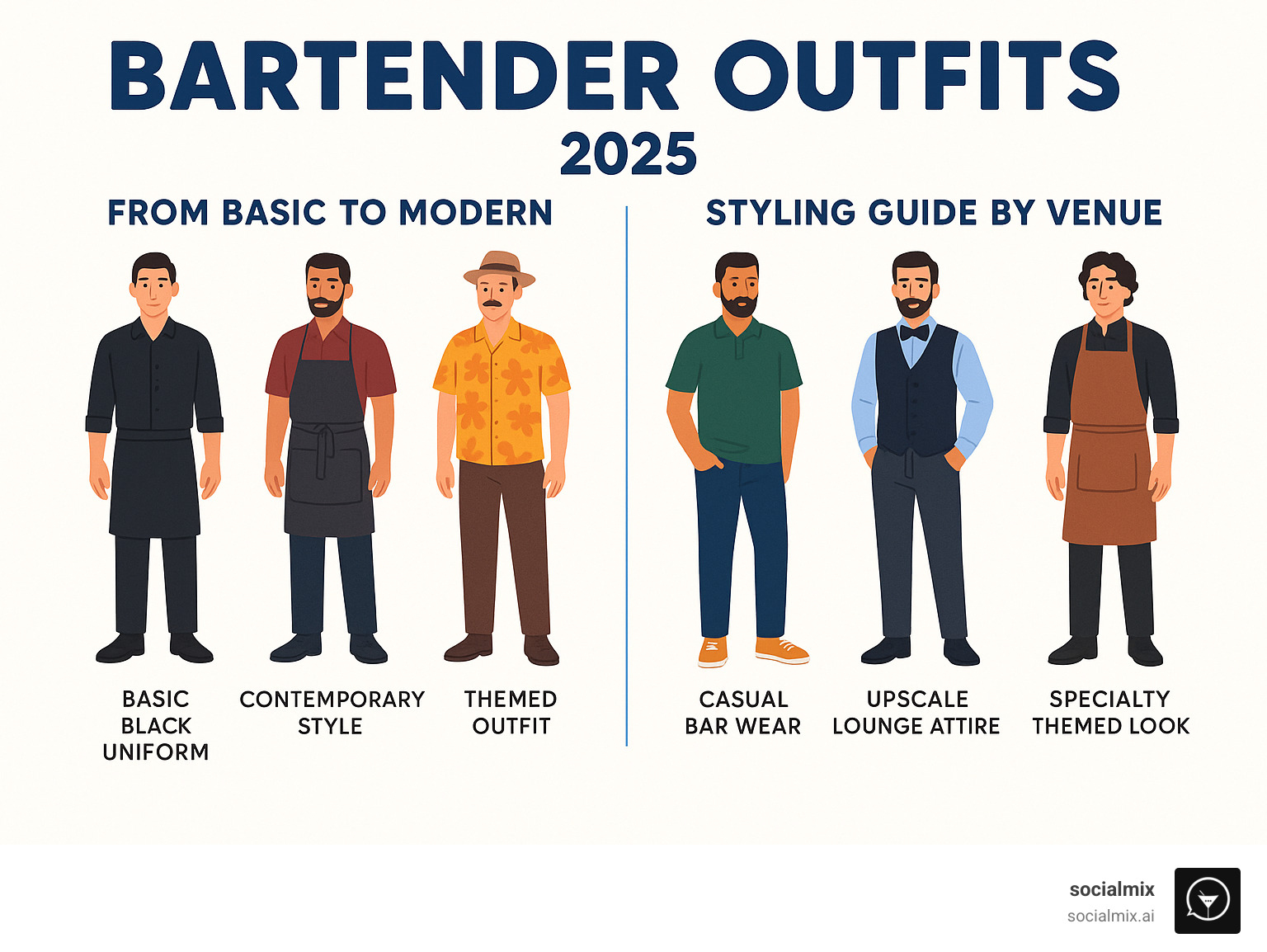
Different types of bars and restaurants employ distinct dress codes to align with their specific brand identity:
- Upscale Cocktail Lounges: Here, the expectation is often one of refined elegance. Bartenders might wear crisp white shirts, tailored vests or waistcoats, bow ties or neckties, and dark, fitted trousers or skirts. The choice of fabrics, such as fine cotton or subtle patterns, communicates a sense of luxury and sophistication, reinforcing the venue’s premium pricing and exclusive ambiance. The overall look is designed to evoke trust and a sense of skilled craftsmanship in cocktail creation.
- Speakeasies and Themed Bars: These establishments often leverage period-specific or highly stylized uniforms to transport guests into a particular era or narrative. Think suspenders, newsboy caps, vintage aprons, and sleeve garters for a 1920s speakeasy, or Hawaiian shirts and leis for a tiki bar. Such attire is integral to the immersive experience, acting as a direct extension of the marketing narrative and enhancing the escapism central to the brand.
- High-Volume Nightclubs: Practicality and a contemporary edge often dictate the dress code here. Bartenders might wear branded t-shirts or polo shirts, dark jeans or trousers, and comfortable, non-slip shoes. The emphasis is on ease of movement, durability, and projecting an energetic, modern vibe that resonates with the club’s target demographic. Branding is usually prominent, often featuring the club’s logo, which helps in staff identification and external promotion.
- Casual Pubs and Neighborhood Bars: These venues typically prioritize approachability and comfort. Bartenders might wear branded t-shirts, flannels, or casual button-downs, often paired with jeans or chinos. The attire reflects a relaxed atmosphere, encouraging patrons to feel at home and fostering a sense of community, aligning with a more laid-back brand personality.
The consistency of these uniforms across all staff members is vital for reinforcing the brand message. A unified look ensures that every employee embodies the venue’s identity, creating a seamless and professional presentation that strengthens customer loyalty and brand recognition.
Personal Branding Behind the Bar
While corporate identity sets the overarching guidelines, a bartender’s personal branding within those parameters is equally important. It allows individuals to express professionalism, skill, and personality, contributing to their own reputation and enhancing the customer experience. Personal branding for a bartender is about cultivating a distinctive professional image that aligns with, and elevates, the establishment’s brand.
Balancing Compliance and Individuality
The challenge for bartenders is to maintain a cohesive look that aligns with the venue’s brand while subtly injecting elements of their personal style. This balance can be achieved through:
- Grooming and Presentation: Impeccable grooming is a cornerstone of personal branding in hospitality. A tidy hairstyle, well-maintained facial hair (if applicable), clean hands, and a fresh appearance project professionalism and attention to detail. These elements reflect positively on both the individual and the establishment, signaling a commitment to high standards.
- Thoughtful Accessorizing: Within a given dress code, smart accessory choices can differentiate a bartender. A unique watch, a subtle lapel pin, a well-chosen tie knot, or even the way an apron is worn can communicate personal flair without clashing with corporate identity. For example, a bartender in a classic uniform might choose a vintage tie clip that subtly hints at their interest in mixology history, enriching their personal brand narrative.
- Attitude and Demeanor: Beyond physical attire, a bartender’s personal brand is heavily influenced by their attitude. Confidence, approachability, efficiency, and a genuine passion for hospitality are invisible but powerful components of their professional persona. These qualities, combined with appropriate dress, create a holistic brand image that customers remember.
A strong personal brand for a bartender not only enhances their perceived value but also builds a loyal clientele who specifically seek out their service. This, in turn, benefits the establishment by fostering repeat business and positive word-of-mouth marketing.
Adapting Attire to Target Audience and Marketing Goals
The strategic selection of bartender attire is deeply intertwined with marketing objectives and the target audience a venue aims to attract. Attire serves as a visual language, communicating directly to potential patrons about what kind of experience to expect.
Visual Communication and Customer Attraction
Consider how different attire choices market a venue:
- Fashion-Forward Lounges: Venues targeting a young, trendy demographic might opt for bartenders in sleek, modern uniforms, perhaps incorporating current fashion trends or edgy designs. This signals that the establishment is contemporary, stylish, and a place to be seen. The attire itself becomes part of the marketing allure.
- Family-Friendly Establishments: In contrast, a casual restaurant with a full bar catering to families might dress its bartenders in approachable, clean, and perhaps slightly playful uniforms – think a cheerful color palette or branded polos. This projects warmth, safety, and an inviting atmosphere suitable for all ages.
- Luxury Hotels and Resorts: Bartenders in high-end hotel bars often wear uniforms that reflect the overarching brand of the hotel – sophisticated, polished, and perhaps subtly luxurious. This reinforces the hotel’s premium positioning and assures guests of a consistently high standard of service and elegance across all touchpoints.
The uniform acts as a consistent visual touchpoint in the customer journey, from initial perception to the service experience. It reinforces the brand promise and ensures that the visual aesthetics align perfectly with the overall marketing strategy.
Beyond the Fabric: Accessories and Grooming as Brand Extensions
The nuances of a bartender’s appearance extend far beyond the primary garments. Accessories and meticulous grooming are not mere afterthoughts; they are integral brand extensions that enhance the perceived quality, professionalism, and attention to detail of both the individual and the establishment.
The Power of Detail in Brand Perception
Every small detail contributes to the overarching brand narrative:
- Aprons: Far from just practical, aprons can be powerful brand elements. A well-fitted, stylish apron—whether canvas, denim, or leather—can add a layer of craftsmanship and authenticity, especially in craft cocktail bars or artisanal establishments. Embroidered logos or custom designs elevate a simple apron into a bespoke branding tool. They signify hands-on expertise and a commitment to the craft.
- Footwear: Practicality aside, clean, polished, and appropriate footwear contributes significantly to a professional image. Scuffed or inappropriate shoes can undermine an otherwise impeccable uniform, suggesting a lack of attention to detail that might extend to service quality. Non-slip, comfortable, and aesthetically fitting shoes are a must.
- Watches and Jewelry: While many establishments prefer minimal jewelry for safety and hygiene, a tasteful watch or subtle ring can add a touch of personal refinement. These items should complement the overall uniform and not detract from it. For a high-end bar, a classic watch can reinforce a sense of timeless elegance.
- Hair and Makeup: Hair should always be clean, neatly styled, and often tied back for hygiene and safety. For those who wear makeup, it should be understated and professional, enhancing natural features without being distracting. These aspects reflect self-respect and respect for the customer.
- Hygiene and Cleanliness: This is perhaps the most critical, yet often overlooked, brand extension. A bartender’s personal hygiene—fresh breath, clean hands, and a crisp, stain-free uniform—is non-negotiable. It speaks volumes about the establishment’s standards and directly impacts customer trust and satisfaction. Any lapse here can severely damage the brand’s reputation for quality and cleanliness.
These details collectively communicate a brand’s commitment to excellence and its understanding that every element contributes to the customer’s overall experience.
Strategic Attire: Enhancing the Customer Experience
Ultimately, the strategic approach to what bartenders wear is about curating and enhancing the customer experience. Every element of their attire, from the overall theme to the smallest detail, plays a role in setting expectations, building rapport, and influencing how patrons perceive the value and quality of their visit.

Building Trust and Perceived Value
A well-thought-out uniform strategy directly impacts the perceived value and trustworthiness of an establishment:
- Professionalism Instills Trust: When bartenders are dressed professionally and appropriately for the venue, it instills confidence in patrons. It suggests that the establishment takes its craft seriously, values its staff, and is committed to delivering a high standard of service. This trust translates into a willingness to spend more and fosters loyalty.
- Atmosphere Reinforcement: Attire contributes significantly to the sensory experience of a venue. The visual impact of a bartender’s uniform, harmonizing with the decor, lighting, and music, creates a holistic atmosphere. Whether it’s the sleek, modern look of a craft cocktail bar or the rustic charm of a gastropub, the uniform is a visual anchor that reinforces the desired ambiance, enhancing enjoyment.
- Brand Storytelling: For many establishments, especially themed bars, the uniform is a crucial element in brand storytelling. It helps to immerse customers in a narrative, making their visit more engaging and memorable. A bartender dressed in a 1920s outfit, for example, becomes a character in the speakeasy’s story, enriching the guest’s perception of authenticity and experience.
- Consistency and Reliability: A consistent uniform policy across all staff members ensures a reliable brand image. Customers come to expect a certain level of presentation, which contributes to the overall predictability and quality of the brand. This consistency is vital for building a strong brand identity and cultivating a loyal customer base.
By understanding that a bartender’s attire is more than just clothing—it’s a potent brand asset—establishments can leverage their staff’s appearance to create compelling customer experiences, strengthen their corporate identity, and ultimately drive greater success in a competitive market.
aViewFromTheCave is a participant in the Amazon Services LLC Associates Program, an affiliate advertising program designed to provide a means for sites to earn advertising fees by advertising and linking to Amazon.com. Amazon, the Amazon logo, AmazonSupply, and the AmazonSupply logo are trademarks of Amazon.com, Inc. or its affiliates. As an Amazon Associate we earn affiliate commissions from qualifying purchases.