
Identifying potential asbestos-containing materials (ACMs) in a property is not merely a matter of historical curiosity; it’s a critical financial imperative that can profoundly impact property value, renovation budgets, legal liabilities, and long-term financial planning. While definitive identification requires professional testing, understanding the common visual characteristics of asbestos floor tiles can provide crucial early indicators, prompting timely and financially prudent action. For homeowners, investors, and business owners, recognizing these visual cues is the first step in managing a significant financial risk.
The Financial Imperative of Asbestos Identification
The presence of asbestos-containing tiles can introduce substantial financial complications, transforming a routine renovation project or property transaction into a costly undertaking. Proactive identification, even if preliminary, allows for strategic financial planning and risk mitigation.
Protecting Property Value and Investment
Undisclosed or unmanaged asbestos can severely depress a property’s market value. Potential buyers, particularly those with an understanding of renovation costs and health risks, will either demand significant price reductions or walk away entirely. For investors, purchasing a property with undetected asbestos can turn a promising asset into a financial drain. The cost of abatement can easily run into thousands, or even tens of thousands, of dollars, directly eroding investment returns and making the property less attractive for resale or rental. Early visual identification, even if not definitive, prompts professional testing, which allows for accurate cost estimation and negotiation, thus protecting the initial investment and ensuring a realistic valuation.
Avoiding Costly Remediation and Legal Liabilities
Ignoring the potential presence of asbestos is a gamble with severe financial consequences. If asbestos-containing tiles are disturbed during a renovation without proper precautions, they can release microscopic fibers into the air. This not only creates a health hazard but also significantly escalates remediation costs. What might have been a simple, contained removal project can become a much larger, more expensive operation requiring extensive air monitoring, decontamination of surrounding areas, and specialized waste disposal.
Furthermore, property owners have a legal obligation to manage asbestos safely, especially in commercial or rental properties. Failure to do so can lead to hefty fines, litigation from tenants or workers exposed to asbestos fibers, and substantial legal fees. Even in residential sales, disclosure laws vary, but failing to disclose known asbestos can result in lawsuits for misrepresentation. Understanding the visual cues of asbestos tiles allows owners to seek expert advice before disturbance, thereby controlling costs and mitigating potential legal pitfalls.
Health Risks and Their Economic Impact
While not directly a financial cost on a balance sheet, the health risks associated with asbestos exposure carry profound economic implications. Asbestos fibers, when inhaled, can lead to serious lung diseases, including asbestosis, lung cancer, and mesothelioma, which often manifest decades after exposure. The human cost is immeasurable, but the economic burden on individuals and healthcare systems is substantial. Medical treatments, lost income due to illness, and potential disability claims represent a significant financial strain. For businesses, worker exposure can lead to worker’s compensation claims, increased insurance premiums, and a damaged reputation, all impacting profitability and sustainability. Recognizing and managing asbestos, therefore, is a financial investment in health and long-term economic stability.
Common Visual Characteristics of Asbestos-Containing Tiles
While visual identification is never foolproof and professional testing is essential for confirmation, certain characteristics can suggest the presence of asbestos in floor tiles, guiding property owners towards prudent financial decisions.
Size and Installation Era Clues
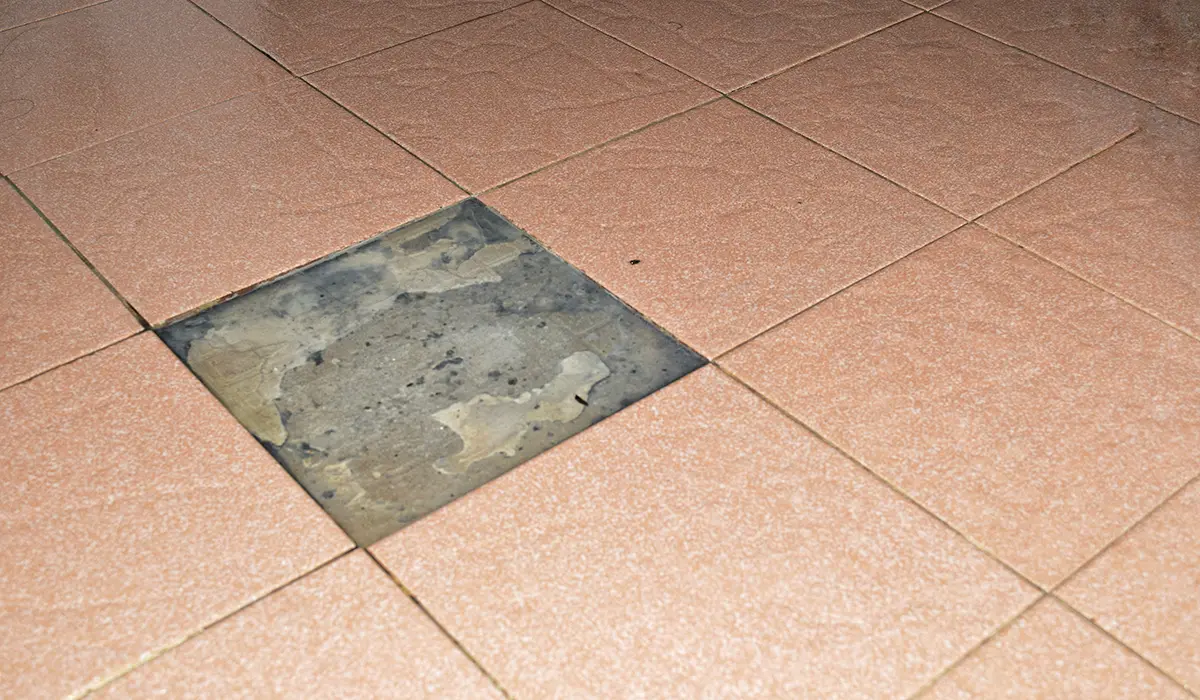
One of the strongest indicators of asbestos-containing floor tiles is their age and size. Asbestos was widely used in flooring materials between the 1920s and the early 1980s, peaking in popularity from the 1950s to the 1970s. If your property was built or significantly renovated during this period and the original flooring is still present, there’s a higher likelihood of asbestos.
- Common Sizes: Asbestos floor tiles were predominantly manufactured in specific sizes, which can be a key visual clue. The most common sizes are 9×9 inch squares and 12×12 inch squares. While 12×12 inch tiles are still common today, their prevalence alongside 9×9 inch tiles in older constructions often points to asbestos. Less common but still possible are 6×6 inch and even some larger rectangular tiles. If you find 9×9 inch tiles, particularly if they appear to be original to a pre-1980s structure, the probability of asbestos content is high, warranting immediate professional assessment and budgeting for potential abatement.
Color, Pattern, and Texture Variations
Asbestos tiles were designed to be durable and aesthetically versatile, available in a wide range of colors and patterns. However, certain styles are more commonly associated with asbestos:
- Darker Colors and Marbled Patterns: Many asbestos tiles, especially the 9×9 inch varieties, came in darker, muted colors such as black, brown, gray, and green. They often featured a characteristic “marbled” or “swirled” pattern, attempting to mimic natural stone. These patterns were effective at hiding dirt and wear, making them popular for high-traffic areas.
- Waxy or Asphaltic Appearance: Some older asbestos floor tiles, particularly those with a higher asphalt content, might have a somewhat waxy, slightly greasy, or even brittle appearance, especially if they have deteriorated. This isn’t always obvious but can be a subtle indicator.
- Vinyl Asbestos Tile (VAT) and Asphalt Asbestos Tile (AAT): These were the two main types. VAT typically has a smoother, more uniform surface, while AAT might feel harder and more brittle, often exhibiting a duller finish. Both were manufactured to be extremely durable, a quality that ironically derived from the asbestos fibers within. The cost implications vary slightly; while both require careful handling, the specific composition might influence removal techniques and associated costs.
Adhesive and Backing Indicators
The adhesive used to lay asbestos tiles can also contain asbestos, adding another layer of financial consideration during removal.
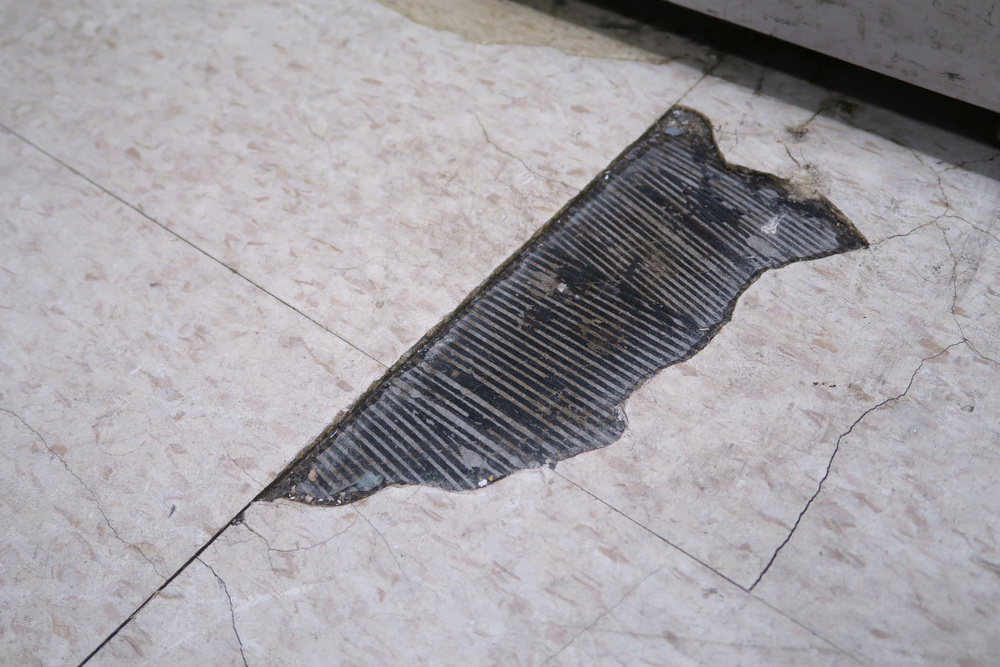
- Black Mastic Adhesive: A common sight underneath older floor tiles suspected of containing asbestos is a thick, black, tar-like adhesive, often referred to as “black mastic.” This adhesive frequently contains asbestos itself. If you find this black mastic when a tile comes loose or is pulled up, it significantly increases the likelihood that both the tile and the adhesive are ACMs. Disturbing this mastic is just as hazardous as disturbing the tiles, amplifying the financial cost and complexity of remediation.
- Fibrous Backing: In some instances, particularly with linoleum or sheet vinyl products from the era, asbestos was incorporated into the backing material rather than the tile itself. This backing might appear fibrous or felt-like. While less common with square tiles, it’s an important consideration for related flooring types.
Condition and Damage Clues
The condition of the tiles provides crucial insights into the immediate financial risk.
- Friable vs. Non-Friable: Intact, undisturbed asbestos tiles are generally considered “non-friable,” meaning the asbestos fibers are encapsulated and not easily released into the air. In this state, the financial risk is primarily latent, associated with future renovation or sale. However, if the tiles are cracked, chipped, broken, crumbling, or extensively worn, they become “friable.” This means the fibers can be released with minimal disturbance, posing an immediate health risk and significantly increasing the financial urgency and cost of remediation.
- Prior Repairs or Overlays: Sometimes, asbestos tiles are covered with newer flooring materials, such as carpet, laminate, or new vinyl. While this encapsulation temporarily reduces exposure risk, it doesn’t eliminate the underlying financial liability. Discovering hidden asbestos tiles during a renovation means budgeting for unexpected costs and potential project delays, highlighting the importance of thorough pre-purchase inspections.
Beyond Visuals: Professional Assessment and Financial Planning
While visual cues can flag potential asbestos, they are not a substitute for professional assessment. Relying solely on appearance for financial planning related to asbestos is a risky strategy.
When to Seek Expert Inspection
Anytime a property owner encounters tiles exhibiting the characteristics described above, especially in a structure built before the early 1980s, a professional asbestos inspection is warranted. This is particularly crucial before any renovation, demolition, or even minor repair work that might disturb the flooring. For property buyers, incorporating an asbestos survey into the due diligence process can prevent significant post-purchase financial shocks. An accredited inspector will take samples for laboratory analysis, providing definitive confirmation of asbestos content and outlining the scope of any necessary remediation, allowing for accurate financial forecasting.
Understanding Testing and Remediation Costs
Asbestos testing typically involves a trained professional collecting samples of suspected materials. The cost of testing is a minor investment compared to the potential costs of unmanaged asbestos. Once asbestos is confirmed, property owners face several options, each with distinct financial implications:
- Encapsulation: If the tiles are in good condition and non-friable, they can sometimes be encapsulated—covered with another flooring material or sealant—rather than removed. This is often the least expensive option, as it avoids the high costs of abatement, but it’s a temporary measure and the asbestos remains present, a factor to disclose in future property transactions.
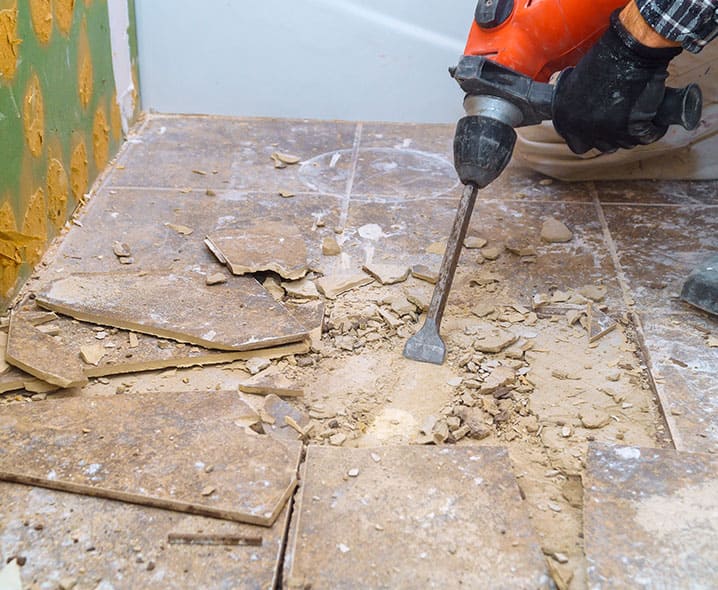
- Abatement (Removal): This is the most thorough and often the most expensive option. It involves specialized teams using controlled procedures, personal protective equipment, and specialized disposal methods to safely remove and dispose of all asbestos-containing materials. Costs are highly variable, depending on the square footage, friability, complexity of removal, and local regulations. Budgeting for abatement requires a clear understanding of these variables and obtaining multiple quotes from licensed professionals.
- Ongoing Monitoring and Management: For large properties or commercial buildings, an ongoing asbestos management plan might be required, involving regular inspections and detailed record-keeping. This represents a recurring operational expense that must be factored into the property’s financial performance.
Insurance Implications and Coverage
The financial burden of asbestos can sometimes be mitigated by insurance, though coverage varies widely. Property insurance policies may cover accidental damage that leads to asbestos disturbance, but they typically exclude pre-existing conditions or gradual deterioration. Environmental liability insurance might be relevant for commercial properties. It’s crucial for property owners to review their insurance policies carefully and consult with their providers to understand what, if any, asbestos-related costs might be covered. This financial due diligence can save significant out-of-pocket expenses.
Financial Strategies for Managing Asbestos-Contaminated Properties
Effectively managing a property with asbestos-containing tiles requires a strategic financial approach, integrating both immediate tactical responses and long-term planning.
Budgeting for Abatement or Encapsulation
Once asbestos is confirmed, the immediate financial task is to budget for its management. If abatement is necessary, obtain at least three quotes from licensed and reputable asbestos removal contractors. Compare not just the price, but also the scope of work, timeline, safety protocols, and disposal methods. Include contingency funds in your budget for unexpected findings, as the extent of asbestos contamination is not always fully apparent until work begins. For encapsulation, budget for the cost of new flooring materials and professional installation, ensuring the new layer provides adequate protection and meets local building codes.
Disclosure Requirements and Property Transactions
In many jurisdictions, property owners are legally required to disclose the presence of known asbestos-containing materials when selling or renting a property. Failure to disclose can lead to significant legal penalties and financial liabilities post-transaction. For sellers, proactively testing and managing asbestos, even if it’s encapsulation, can lead to a smoother sale and prevent last-minute price reductions. For buyers, understanding the financial implications of disclosed asbestos allows for informed negotiation and accurate future budgeting. Investors should consider the “asbestos discount” when valuing potential acquisitions, factoring in future abatement costs.
Long-Term Financial Planning for Maintenance
Even after initial management (whether encapsulation or abatement), long-term financial planning is essential. If asbestos tiles were encapsulated, periodic inspections are necessary to ensure the encapsulating layer remains intact and that the underlying asbestos is undisturbed. Budget for these inspections and potential re-encapsulation or eventual abatement. For properties that have undergone abatement, maintain detailed records of the work performed, including air quality reports, which can be invaluable for future property transactions and demonstrating due diligence. Proactive maintenance and record-keeping reduce future financial uncertainty and enhance the property’s long-term value.
By understanding what asbestos tiles look like and recognizing the profound financial implications associated with their presence, property owners can make informed decisions, protect their investments, mitigate risks, and ensure a more secure financial future for their assets.
aViewFromTheCave is a participant in the Amazon Services LLC Associates Program, an affiliate advertising program designed to provide a means for sites to earn advertising fees by advertising and linking to Amazon.com. Amazon, the Amazon logo, AmazonSupply, and the AmazonSupply logo are trademarks of Amazon.com, Inc. or its affiliates. As an Amazon Associate we earn affiliate commissions from qualifying purchases.