
The Ark of the Covenant stands as one of history’s most enigmatic and potent symbols, its very existence intertwined with the corporate identity and strategic positioning of an entire people. Far more than a mere container, the Ark was a meticulously designed brand icon, its contents meticulously chosen to communicate core values, validate authority, and foster unwavering loyalty. Understanding what it contained is not just a historical inquiry but a fascinating case study in how objects, and their internal elements, can serve as the ultimate branding tools, encapsulating an entire ethos and a unique relationship.

The Ark as a Primal Brand Icon: Crafting Identity Through Sacred Design
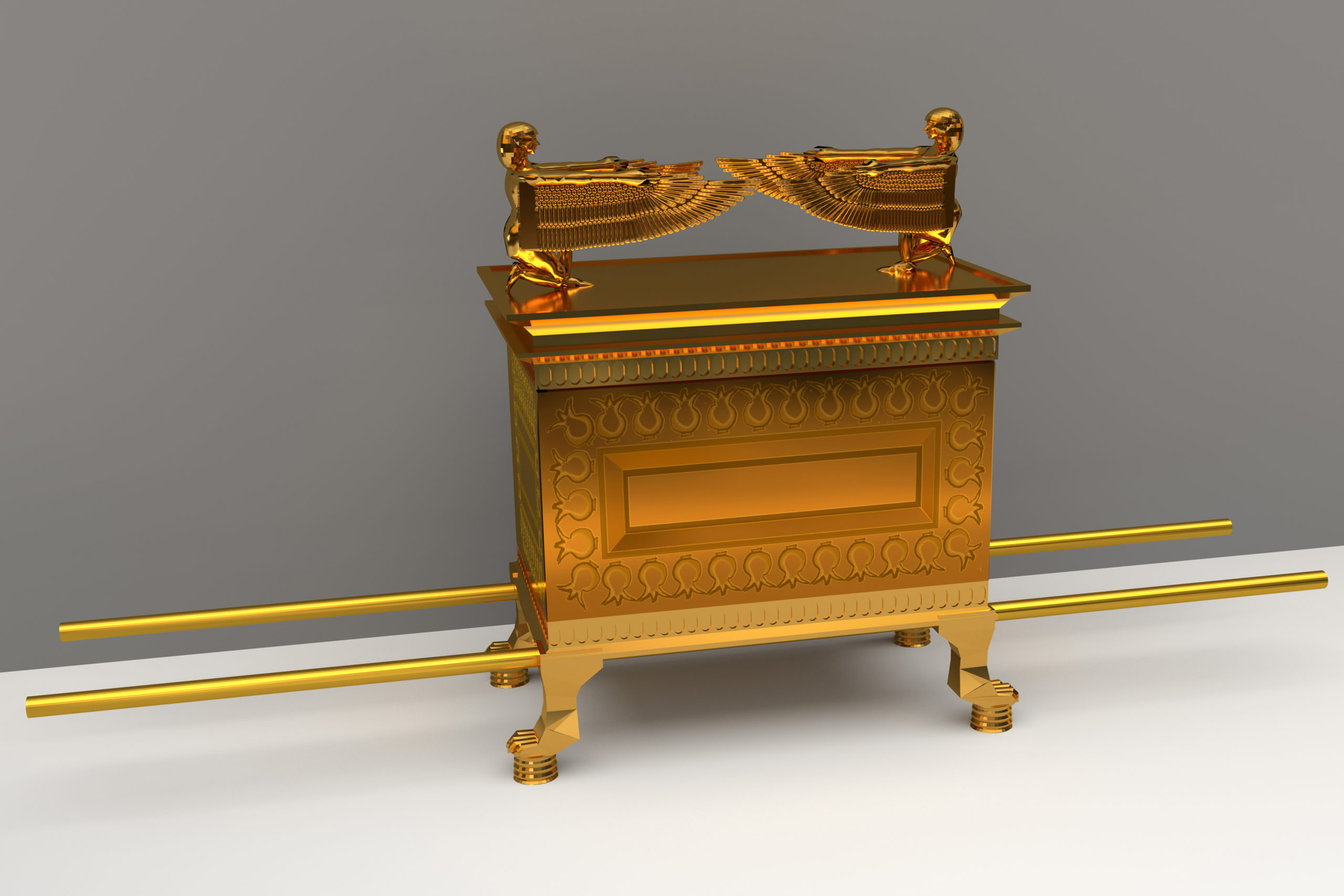
In the realm of ancient nation-building, the Ark of the Covenant served as the ultimate corporate identity marker for the Israelite nation. Its ornate design, crafted from acacia wood overlaid with pure gold, immediately conveyed exclusivity, preciousness, and divine sanction. But it was the carefully selected contents, hidden within its hallowed space, that truly codified the brand’s core messaging and ensured its profound impact on a nascent people. These artifacts weren’t random inclusions; they were foundational elements of a comprehensive brand strategy designed to unite, differentiate, and sustain a unique collective identity.
The Tablets of the Law: Codifying Brand Values and Principles
At the heart of the Ark’s contents lay the two stone tablets inscribed with the Ten Commandments. From a branding perspective, these tablets represented the foundational “brand guidelines” or “core values” of the Israelite covenant. They were not merely rules but the very essence of the brand promise: a direct, undeniable set of principles dictated by the ultimate authority. This direct divine promulgation lent the brand an unparalleled level of authenticity and gravitas.
These commandments articulated a clear value proposition: a life of moral order, justice, and singular devotion to their divine patron. For a nomadic people striving for identity, these tablets provided an unshakeable framework, defining their collective “corporate culture” and setting them apart from surrounding cultures. They were the original mission statement, etched in stone, immutable and non-negotiable, ensuring that every member understood the expectations and benefits of belonging to this unique “brand.” The presence of these tablets within the Ark reinforced the idea that these principles were not merely suggestions but the very soul of their identity, residing at the most sacred core of their national existence. They were the non-verbal communication of ethical parameters, establishing a reputation and standard for all who identified with this divine “brand.”
Aaron’s Staff: Authority, Validation, and the Proof of the Promise
Another critical component within the Ark was Aaron’s staff, which had miraculously budded, blossomed, and produced almonds. This seemingly simple object was, in fact, a powerful piece of brand validation and a concrete demonstration of divine endorsement. In a world where leadership claims were often contested, Aaron’s staff served as irrefutable proof of legitimate authority, differentiating the divinely appointed leadership from all imposters.
The staff’s miraculous transformation was a visual, tangible “case study” in divine approval, solidifying the leadership hierarchy and confirming the authenticity of the priestly brand. It was an experiential marketing moment, witnessed by the community, which then became enshrined within their most sacred symbol. For any emerging brand, establishing credibility and leadership is paramount. Aaron’s staff, resting within the Ark, continuously communicated that the leadership structure was not merely human but divinely sanctioned, fostering trust and obedience within the community. It was a clear statement: “This leadership is chosen, proven, and backed by undeniable power,” thereby strengthening the overall brand perception and reducing internal friction or questioning of the established order.
The Jar of Manna: Sustenance, Providence, and Enduring Brand Loyalty
The third item preserved within the Ark was a golden jar containing a sample of manna, the miraculous bread that sustained the Israelites during their forty-year wilderness journey. This element served as a powerful reminder of divine providence and a strategic tool for fostering enduring brand loyalty. The manna symbolized sustenance, care, and the consistent fulfillment of promises.

In a challenging environment, the memory of manna encapsulated the brand’s commitment to its followers’ well-being. It was a tangible “testimonial” to the brand’s ability to provide, even in the most dire circumstances. For the Israelites, the manna within the Ark was a constant echo of reliability and care, reinforcing the narrative that their divine patron was faithful and would always provide for their needs. This fostered deep emotional connection and strengthened their commitment to the covenant “brand.” It was a strategic branding move to place this reminder of direct benefit and care at the very heart of their sacred identity, ensuring that the memory of divine provision was never forgotten, thereby cultivating a strong, lasting loyalty that transcended immediate challenges. The manna represented the consistent “customer service” of the divine brand, guaranteeing continued support and sustenance.
Strategic Positioning: How Contents Reinforced a Unique Covenant Brand
The carefully curated contents of the Ark of the Covenant were not merely historical relics; they were foundational elements of a sophisticated strategic positioning effort. They articulated a unique value proposition, differentiated the Israelite “brand” from all others, and continuously communicated its core messaging to its primary audience. This multi-faceted approach ensured the brand’s resilience and enduring impact.
Exclusivity and Differentiation: A Brand Apart
The very nature of the Ark and its contents underscored an unparalleled sense of exclusivity and differentiation. No other nation possessed such tangible symbols of direct divine interaction. The tablets, Aaron’s staff, and the manna collectively communicated that this was not merely one god among many, nor one covenant like any other. This was a brand with a unique, direct, and intimate relationship with a singular, powerful deity. This exclusivity was a core tenet of their corporate identity, setting them distinctly apart in the ancient Near East.
The contents provided an internal and external marker of distinction. Internally, it fostered a strong sense of collective identity and shared purpose among the Israelites, reinforcing their status as a “chosen” people – a premium segment, if you will, within the broader human landscape. Externally, it projected an aura of unique power and divine backing, impacting their interactions and reputation with neighboring nations. This strategic positioning, rooted in the Ark’s contents, allowed the Israelite brand to claim an uncontested market niche based on divine favor and an unmatched covenant relationship.
Communication of Core Messaging: The Divine Narrative
Ultimately, the contents of the Ark served as an unparalleled communication strategy, narrating the divine story and reinforcing core brand messages. The tablets spoke of divine law and moral order; Aaron’s staff validated divine authority and chosen leadership; the manna underscored divine provision and steadfast care. Together, they woven a powerful and consistent narrative that defined the essence of the Israelite brand.
This narrative was not communicated through elaborate marketing campaigns but through tangible, sacred objects embodying the brand’s truth. Each item was a mnemonic device, triggering a cascade of shared history, values, and promises. This approach to communication ensured that the brand’s identity was deeply embedded in the collective consciousness, passed down through generations not just as abstract concepts but as truths solidified by sacred artifacts. The Ark itself became a mobile “billboard” of their foundational story, constantly reminding the people of their origins, their obligations, and their divine patron’s unwavering commitment. This consistent, multi-sensory communication strategy ensured that the Israelite brand remained vibrant, relevant, and deeply resonant for centuries.
The Ark’s Legacy: A Case Study in Enduring Brand Impact
Though the physical Ark of the Covenant vanished from historical records, its conceptual legacy, particularly in terms of branding and identity, remains profound. The Ark and its contents provided a foundational template for how a collective identity can be forged and sustained through symbolic artifacts embodying core values, validating leadership, and demonstrating consistent providence. Its disappearance only elevated its mythological status, underscoring the enduring power of a strong brand identity, even in the absence of its physical manifestation.
The lessons gleaned from the Ark’s strategic design and contents are timeless. They illustrate how effective branding transcends mere aesthetics, delving into the very essence of what an entity stands for. By embedding core values (tablets), validating authority (staff), and demonstrating consistent care (manna) within its most sacred icon, the ancient Israelites constructed an identity that has, through its historical and cultural narrative, outlasted empires. The Ark of the Covenant stands as a compelling, albeit ancient, case study in the power of branding to define, unite, and inspire, proving that the deepest connections are often forged through symbols that encapsulate the most profound promises.
aViewFromTheCave is a participant in the Amazon Services LLC Associates Program, an affiliate advertising program designed to provide a means for sites to earn advertising fees by advertising and linking to Amazon.com. Amazon, the Amazon logo, AmazonSupply, and the AmazonSupply logo are trademarks of Amazon.com, Inc. or its affiliates. As an Amazon Associate we earn affiliate commissions from qualifying purchases.