
A grey sofa stands as a quintessential piece in contemporary interior design, embodying versatility, sophistication, and a neutral foundation for a myriad of aesthetic expressions. Far from being a mere furnishing, a grey sofa serves as the strategic canvas upon which a room’s entire brand identity can be artfully constructed. The choice of rug to accompany it is not just a decorative decision; it’s a critical design directive that dictates the mood, energy, and perceived sophistication of the space. This discussion delves into the nuanced interplay of colour, texture, and pattern, transforming the seemingly simple question of “what colour rug with grey sofa” into a deep exploration of branding through interior design.

The Strategic Canvas of a Grey Sofa
The inherent neutrality of a grey sofa is its most powerful asset. It acts as a blank slate, capable of adapting to virtually any design narrative, from minimalist modernity to opulent maximalism. This adaptability is precisely why it’s a favourite among designers and homeowners alike, providing a stable anchor against which more dynamic design elements can play. However, truly leveraging this versatility requires an understanding of how grey interacts with other colours and textures, ultimately defining the “brand” or aesthetic signature of the room.
Grey as a Foundation for Brand Identity in a Space
In design, a space’s “brand identity” refers to the cohesive visual and emotional experience it evokes. A grey sofa, by virtue of its neutrality, offers an unparalleled opportunity to curate this identity. It allows the rug, artwork, and accessories to become the primary storytellers, while the sofa provides a consistent, unwavering backdrop. The selection of a rug colour, therefore, becomes a conscious branding exercise. Are you aiming for a serene, professional ambiance that speaks of calm efficiency? Or perhaps a vibrant, creative energy that inspires innovation? The rug is your major declarative statement.
Understanding Undertones: Warm vs. Cool Grey
Not all greys are created equal. Grey sofas typically possess either warm or cool undertones, a subtle distinction that profoundly impacts rug selection.
- Warm Greys often have hints of brown, beige, or yellow. These greys create a cozier, more inviting atmosphere. When pairing with a warm grey sofa, rugs with warm undertones (creams, beiges, terracotta, deep greens, or even muted golds) will enhance this inviting feel.
- Cool Greys tend to lean towards blue, purple, or green. They evoke a more crisp, modern, and often spacious feel. Rugs with cool undertones (navy, dusty blue, emerald green, slate, or charcoal) will complement cool grey sofas, reinforcing a sophisticated and calm aesthetic.
Ignoring these undertones can lead to a visual discord, where the rug and sofa subtly clash, undermining the overall design intent and professionalism of the space.
Leveraging Colour Theory for Impactful Design
Colour theory is not just for artists; it’s a foundational principle in interior design that guides how different hues interact and influence perception. Applying these principles to your grey sofa and rug pairing ensures a harmonious, intentional, and impactful design.
Complementary Colours: Striking the Perfect Balance
Complementary colours are opposite each other on the colour wheel (e.g., blue and orange, red and green, yellow and purple). When used together, they create high contrast and visual vibrancy. While direct complements can be too intense for a rug, using muted or tertiary versions of complementary colours can create dynamic interest without overwhelming the space. For a grey sofa, which acts as a neutral, you can introduce a complementary colour through the rug to add a focal point.
- Example: A cool grey sofa paired with a rust orange or muted terracotta rug introduces warmth and a sophisticated contrast without being jarring. A warm grey sofa with a deep teal or dusty blue rug creates a calming yet engaging visual dialogue.
Analogous Colours: Harmony and Flow
Analogous colours are next to each other on the colour wheel (e.g., blue, blue-green, green). They create a sense of harmony, serenity, and visual flow, as they share common undertones. This approach is ideal for spaces aiming for a cohesive, understated elegance.
- Example: A grey sofa (which can be seen as a desaturated blue, green, or even purple) can be beautifully paired with rugs in shades of blue, green, or even muted purple. A cool grey sofa with a sage green or seafoam blue rug creates an incredibly serene and organic feel. A warm grey sofa with a mushroom or taupe-toned rug maintains a gentle, earthy flow.
Monochromatic Schemes: Sophistication in Simplicity
A monochromatic scheme uses variations of a single colour, relying on differences in shade, tint, and tone to create depth. For a grey sofa, this means opting for a rug that is also grey, but perhaps a few shades lighter or darker, or with a distinct textural difference.
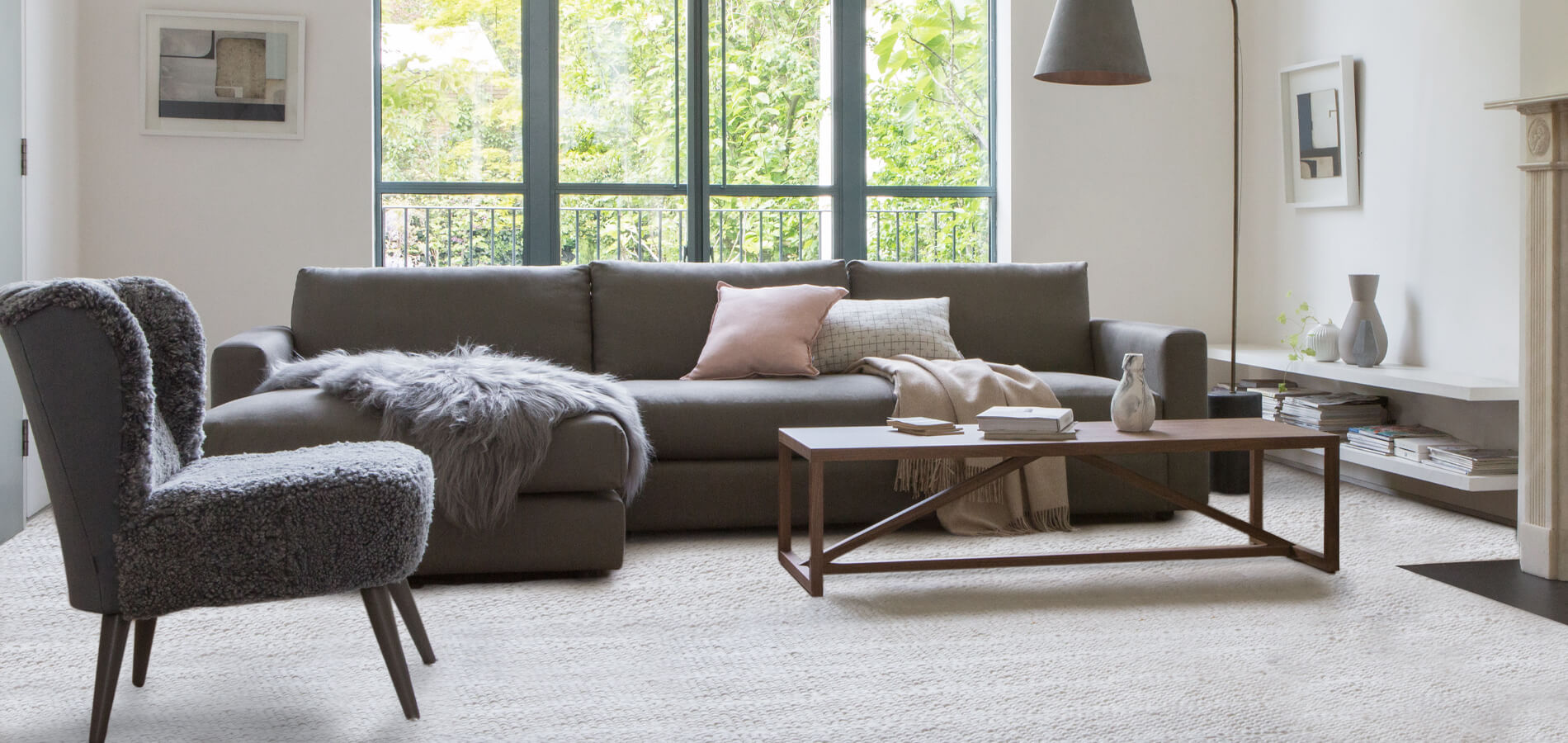
- Example: A light grey sofa paired with a charcoal grey rug, or a dark grey sofa with a silver-grey rug. The key here is to prevent the space from feeling flat. Introduce texture (e.g., a shag rug, a woven jute, or a high-pile wool) or subtle patterns within the grey scale to add visual interest and sophistication. This approach speaks to a minimalist, refined “brand” for your space.
Crafting Moods and Evoking Emotions Through Rug Colour
The psychological impact of colour is immense, and in interior design, it’s a powerful tool for dictating the emotional tenor of a room. The rug colour, in tandem with your grey sofa, plays a pivotal role in establishing this mood, akin to setting the emotional tone of a brand’s message.
Serenity and Calm: Blues, Greens, and Neutrals
For spaces intended for relaxation, focus, or quiet contemplation, colours associated with nature and tranquility are ideal.
- Blues (dusty blue, navy, teal): Evoke feelings of calm, stability, and intelligence. Paired with a grey sofa, a blue rug can transform a living room into a peaceful sanctuary.
- Greens (sage, olive, emerald): Represent growth, harmony, and renewal. A green rug with a grey sofa brings an organic, grounded feel indoors.
- Neutrals (cream, beige, taupe, light grey): Offer understated elegance and openness. They create a light, airy, and expansive feel, perfect for a sophisticated, minimalist brand. These allow other elements to introduce pops of colour or texture.

Energy and Vibrancy: Reds, Oranges, and Yellows
To infuse a room with dynamism, warmth, and a sense of welcome, vibrant hues are highly effective. These are excellent choices for spaces intended for social interaction or creative expression.
- Reds (terracotta, brick, deep crimson): Command attention and symbolize passion and energy. A red rug with a grey sofa provides a bold statement, ideal for a space that projects confidence and warmth.
- Oranges (rust, burnt orange, marigold): Exude warmth, enthusiasm, and creativity. A muted orange rug can add a touch of bohemian chic or rustic charm to a grey sofa setting.
- Yellows (mustard, muted gold, amber): Represent happiness, optimism, and warmth. A yellow rug can brighten a space and create an inviting, cheerful ambiance. It’s a statement of joy and creativity.
Sophistication and Depth: Blacks, Charcoals, and Jewel Tones
For a luxurious, dramatic, and refined aesthetic, darker colours and rich jewel tones are unparalleled. These choices speak to a brand of upscale elegance and bold confidence.
- Blacks and Charcoals: Create instant drama, contrast, and a sense of grounded sophistication. A black or charcoal rug with a grey sofa can make a powerful, modern statement, particularly effective in larger spaces or those with ample natural light.
- Jewel Tones (emerald green, sapphire blue, ruby red, amethyst purple): Offer unparalleled richness and depth. A rug in a deep jewel tone instantly elevates the perceived value and luxury of the space, creating a grand, opulent feel. This approach suggests a brand of discerning taste and refined grandeur.
Beyond Colour: Texture, Pattern, and Material as Design Elements
While colour is paramount, the rug’s texture, pattern, and material are equally vital in defining the room’s aesthetic and contributing to its overall “brand message.” These elements add layers of complexity and tactile appeal, preventing a room from feeling one-dimensional.
Adding Dimension with Texture: Wool, Jute, Silk
Texture introduces a sensory dimension to the design. A smooth, sleek rug can reinforce a modern, minimalist aesthetic, while a plush, shaggy rug enhances comfort and warmth.
- Wool: Offers durability, warmth, and a classic, comforting texture. Available in various pile heights, from flatweave to luxurious shag.
- Jute/Sisal: Brings an organic, earthy texture, perfect for bohemian, coastal, or rustic design themes. Adds a casual, relaxed brand vibe.
- Silk/Viscose: Provides a luxurious sheen and incredibly soft feel, ideal for formal or opulent spaces, projecting a high-end, sophisticated brand.
- Synthetic blends (polyester, polypropylene): Offer durability and stain resistance, making them practical for high-traffic areas without sacrificing style.
The textural contrast between a smooth grey sofa and a highly textured rug (e.g., a chunky knit wool or a woven jute) creates visual interest and depth, making the space feel more curated and thoughtfully designed.
The Power of Pattern: Geometric, Abstract, Traditional
Pattern is another powerful tool to introduce personality and dynamic energy to a room.
- Geometric patterns: (chevrons, Moroccan tiles, stripes) lend a modern, crisp, and often masculine feel. They can inject energy and structure into a space.
- Abstract patterns: (organic shapes, painterly designs) offer a contemporary, artistic, and unique brand statement, adding fluidity and visual intrigue.
- Traditional patterns: (Persian, Oriental, damask) evoke timeless elegance, history, and a sense of curated luxury, ideal for classic or eclectic interiors.
When choosing a patterned rug, consider the scale of the pattern relative to the room size and other patterns present. A large-scale pattern can be grounding in a spacious room, while smaller, intricate patterns can add detail to a cozier setting.
Materiality and Durability: A Brand’s Promise of Quality
The material of the rug also speaks volumes about the quality and intended use of the space. A high-quality wool rug, for instance, conveys a sense of lasting value and comfort, aligning with a brand that prioritizes durability and natural materials. Conversely, a synthetic rug might imply a more practical, low-maintenance approach, appealing to a brand focused on ease and modern living. Consider the traffic level of the room, presence of pets or children, and ease of cleaning when making this crucial decision.
Curating Your Space: Design Best Practices
Ultimately, selecting the perfect rug colour for your grey sofa is about creating a cohesive, functional, and aesthetically pleasing environment that reflects your desired brand identity for the space.
Considering Room Size and Lighting
- Small rooms: Lighter coloured rugs can make a space feel larger and more open, particularly when paired with a light grey sofa.
- Large rooms: Darker or bolder coloured rugs can help define zones and add intimacy, preventing the room from feeling cavernous.
- Natural light: Rooms with abundant natural light can handle darker or more saturated rug colours. Spaces with limited light might benefit from lighter hues to brighten the area.
Integrating Existing Decor and Artwork
The rug should not exist in isolation. Consider the colours and styles of existing artwork, curtains, throw pillows, and other furniture. The rug should act as a bridge, tying these elements together into a cohesive narrative. It’s about creating a holistic design ‘brand’ where every element communicates a unified message.
The “Brand” of Your Home: Consistency and Personality
Every design choice contributes to the overall “brand” of your home – what it says about you, your lifestyle, and your aesthetic values. Whether you aim for minimalist serenity, vibrant creativity, or opulent grandeur, the rug you choose for your grey sofa is a powerful tool in articulating that vision. By carefully considering colour theory, emotional impact, texture, and pattern, you transform a functional item into a cornerstone of your interior design strategy, creating a space that is not only beautiful but also deeply reflective of its intended identity.
aViewFromTheCave is a participant in the Amazon Services LLC Associates Program, an affiliate advertising program designed to provide a means for sites to earn advertising fees by advertising and linking to Amazon.com. Amazon, the Amazon logo, AmazonSupply, and the AmazonSupply logo are trademarks of Amazon.com, Inc. or its affiliates. As an Amazon Associate we earn affiliate commissions from qualifying purchases.