
Grey walls offer an unparalleled foundation in interior design, much like a carefully chosen brand guideline provides a versatile and sophisticated framework for a corporate identity. Its neutrality and understated elegance make it a canvas that can adapt to a myriad of styles and messages. For brands, whether corporate, personal, or even residential spaces designed to project a specific image, understanding how to leverage this neutral backdrop with strategic furniture colour choices is paramount to crafting a cohesive and impactful spatial identity. This isn’t merely about aesthetics; it’s about intentional design that communicates purpose, values, and an overarching brand ethos.
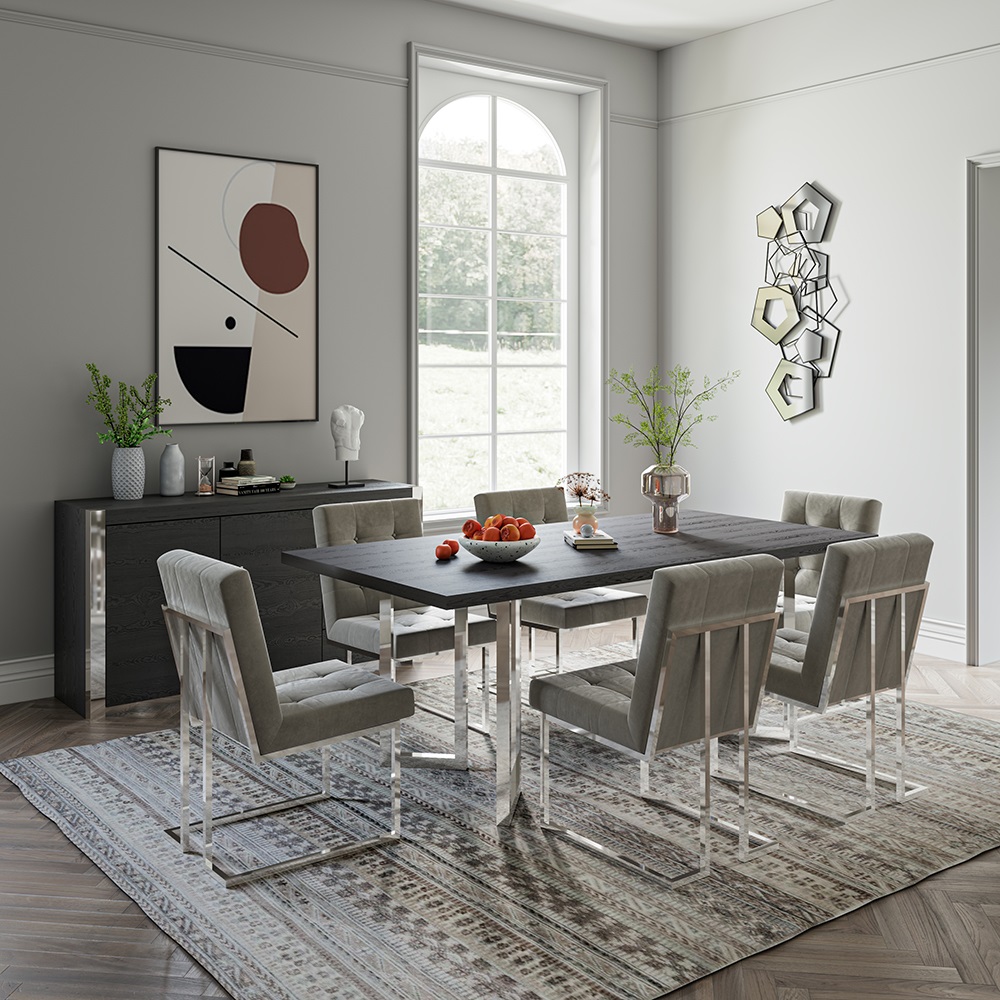
The Strategic Palette: Grey Walls as a Foundational Brand Canvas
In the world of branding, a strong foundation is everything. Grey walls serve this purpose beautifully in a physical space. They are the equivalent of a minimalist logo or a timeless corporate colour palette – something that doesn’t shout for attention but provides a stable, sophisticated, and adaptable base. The inherent versatility of grey allows it to be paired with almost any other colour, acting as a superb anchor that grounds the entire design scheme.
Think of grey as the ultimate supporting actor. It allows the furniture, textiles, and decorative elements to take centre stage, defining the specific “brand” or “mood” of the space. A light, cool grey can evoke an airy, modern, and cerebral atmosphere, ideal for tech startups or consulting firms seeking to project innovation and clarity. A deeper, warmer charcoal grey, on the other hand, can convey gravitas, luxury, and a sense of established authority, perfectly suited for high-end professional services or executive offices.
This strategic neutrality means that the overall brand message of a space can be easily modulated simply by changing the complementary elements. Just as a brand identity might remain consistent while marketing campaigns evolve, a grey-walled space can shift its character with a change of furniture, offering flexibility for rebranding or adapting to new trends without a complete overhaul. The grey walls ensure a continuous thread of sophistication and professionalism, allowing the “brand personality” to shine through the carefully selected furniture.
Crafting Brand Identity Through Furniture Colour Selection
Once the stable foundation of grey walls is established, the real work of defining the spatial brand begins with furniture colour selection. Each colour choice is a strategic decision, contributing to the narrative and perception of the space, much like every element in a brand’s visual identity system.
Bold Statements: Vibrant Hues for Energetic Brands
For brands that aim to project dynamism, innovation, creativity, or youthful energy, incorporating vibrant furniture colours against grey walls is a powerful strategy.
- Sunshine Yellow or Zesty Orange: These colours inject optimism, warmth, and creativity. A yellow accent chair or an orange sofa can signal an open, collaborative environment, ideal for creative agencies, design studios, or personal brands focused on positivity and ingenuity. They suggest accessibility and a forward-thinking approach.
- Electric Blue or Teal: These hues combine the trustworthiness of blue with an added spark of individuality and modernity. A striking blue velvet sofa or teal dining chairs can convey confidence, technological prowess, and a sleek, contemporary edge, perfect for tech companies or modern design firms.
- Emerald Green or Ruby Red: Rich and deep, these colours convey luxury, passion, and ambition. An emerald green armchair can speak to growth and sophistication, while ruby red furniture can suggest boldness and leadership. These choices can elevate a space, making it feel more upscale and assertive, suitable for luxury brands or influential personal brands.
The grey walls provide a calm counterpoint, preventing the vibrant colours from overwhelming the space and instead allowing them to pop with intention and clarity, reinforcing the brand’s energetic yet grounded identity.
Understated Elegance: Neutrals and Naturals for Sophisticated Identities
For brands aiming for timeless elegance, trustworthiness, and a sense of refined luxury, a palette of neutral and natural furniture colours is often the most effective.
- Warm Beiges and Creams: These colours offer softness and an inviting warmth against grey. They evoke comfort, reliability, and a classic aesthetic. Cream linen sofas or beige armchairs create a serene, approachable atmosphere, ideal for hospitality brands, legal firms, or personal brands that prioritize warmth and professionalism.
- Deep Browns and Rich Woods: Furniture in dark wood tones or deep chocolate browns exudes stability, tradition, and a sense of gravitas. These colours against grey communicate heritage, trustworthiness, and enduring quality. Think of executive offices, traditional consulting firms, or high-end residential spaces designed to project established wealth and taste.
- Off-White and Ivory: While lighter than beige, these tones maintain an air of sophistication and purity. They create a clean, minimalist look when paired with grey, suggesting clarity, precision, and an uncluttered approach. This is often favoured by professional services that want to appear streamlined and efficient.
These choices ensure the space feels elevated and considered, aligning with a brand identity built on quality, legacy, and understated power. The grey walls here accentuate the textures and subtle variations within the neutral palette, creating a harmonious and sophisticated ensemble.

Modern Minimalism: Monochromatic and Cool Tones for Contemporary Brands
Brands that pride themselves on sleekness, efficiency, and a forward-looking, minimalist aesthetic will gravitate towards monochromatic or cool-toned furniture.
- Black, Charcoal, and Dark Greys: Employing furniture in varying shades of grey and black against grey walls creates a powerful, sophisticated, and distinctly modern look. This monochromatic scheme emphasizes lines, forms, and textures over colour, conveying precision, seriousness, and a high-tech sensibility. It’s a signature look for architectural firms, tech innovators, or brands that champion cutting-edge design.
- Navy Blue and Deep Greens (Cool Tones): While not strictly monochromatic, deep navy or forest green furniture maintains a cool, collected, and highly professional vibe against grey. These colours are traditionally associated with stability, intelligence, and growth, making them excellent choices for financial institutions, medical practices, or brands that require a serious and trustworthy presence.
This approach creates a cohesive and visually striking environment that speaks volumes about a brand’s commitment to modern principles and an uncluttered, focused approach.
Consistency and Cohesion: The Cornerstones of a Strong Spatial Brand
Just as a comprehensive brand style guide dictates the consistent use of logos, typography, and imagery across all touchpoints, an effective spatial brand demands consistency and cohesion in its interior design. The choice of furniture colour against grey walls is only one piece of the puzzle; how different pieces interact and reinforce the chosen aesthetic is crucial.
Consider the entire furniture collection within a space: the sofa, accent chairs, coffee tables, and shelving. Do they all speak the same design language? If the intention is to project modern minimalism, a plush, traditional sofa will disrupt the message, regardless of its colour. Textures and materials also play a significant role in conveying a brand’s tactile identity. A rough-hewn wooden table speaks to natural authenticity, while polished chrome suggests sleek modernity. When combined with specific furniture colours against grey, these material choices deepen the brand narrative. For instance, a velvet sofa in a rich jewel tone against grey walls communicates luxury and comfort, while a clean-lined leather sofa in a cool neutral projects sophistication and durability.
The aim is to create an environment where every element feels intentional and contributes to the overarching brand identity. This consistency builds trust and reinforces the desired perception for anyone entering the space, whether they are clients, employees, or personal guests.
The Psychology of Colour in Interior Design and Brand Perception
The psychological impact of colour is a well-established principle in both marketing and interior design. When selecting furniture colours for grey walls, understanding these innate responses can significantly amplify a space’s brand message.
- Blue: Universally associated with trust, stability, and calm. Blue furniture against grey can foster an environment of reliability and intellectual depth, ideal for professional settings where confidence is key.
- Green: Evokes nature, growth, and tranquility. Green furniture can signal sustainability, wellness, or a connection to natural elements, making it suitable for eco-conscious brands or spaces designed for relaxation and balance.
- Red: A powerful colour, symbolizing energy, passion, and urgency. Used sparingly as an accent, red furniture can stimulate conversation and add a dynamic focal point, perfect for creative hubs or brands looking to ignite excitement.
- Yellow: Radiates optimism, happiness, and creativity. Yellow furniture can brighten a grey-walled space, making it feel more approachable and stimulating, often favoured by brands seeking to project innovation and joy.
By thoughtfully applying colour psychology to furniture choices, designers can strategically influence the emotional experience of a space, aligning it perfectly with the brand’s desired perception and market positioning.
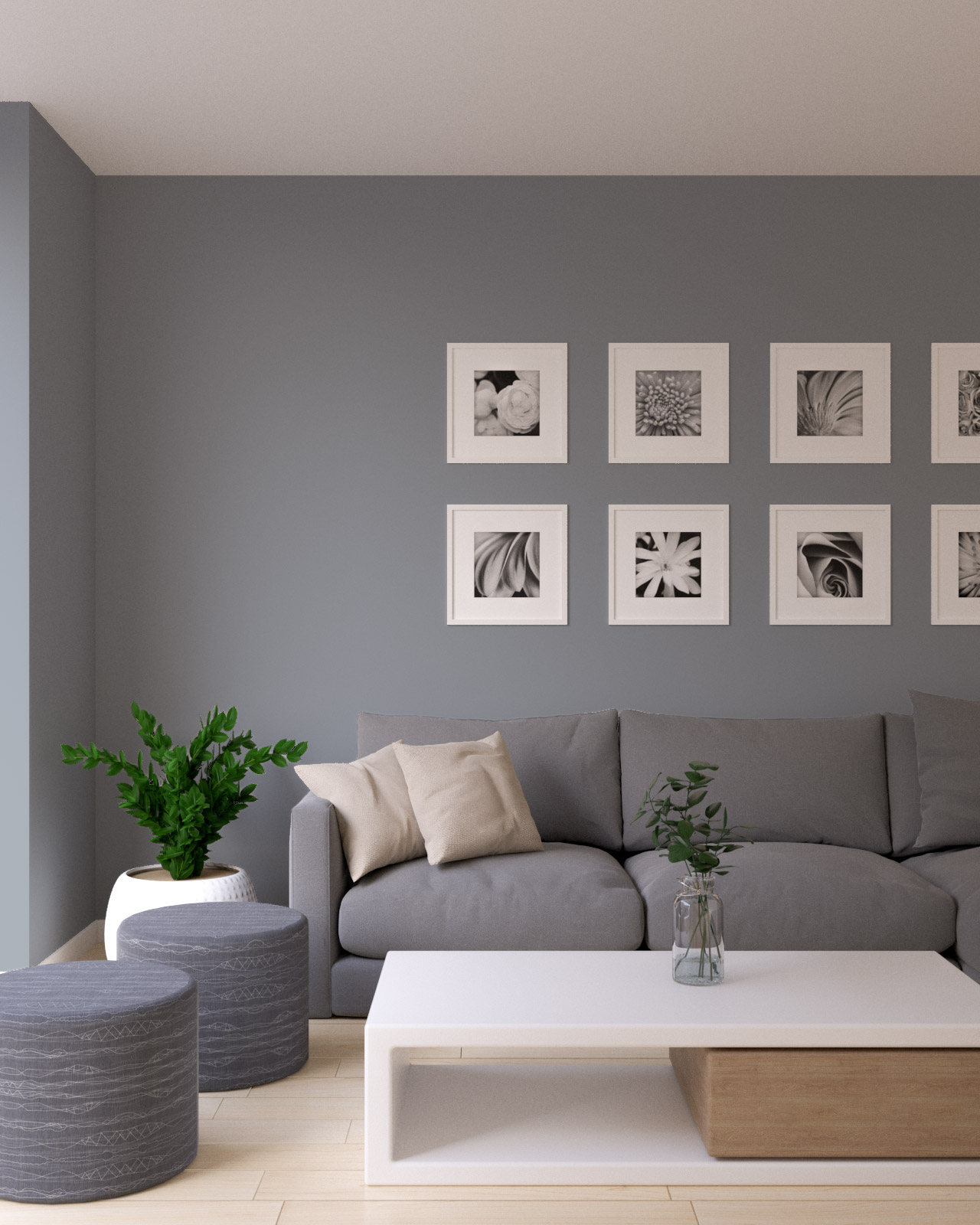
Beyond Aesthetics: Functionality and the Branded Experience
Finally, while aesthetic appeal is central to crafting a spatial brand, functionality and the overall user experience are equally critical. A beautifully designed space with strategically chosen furniture colours will fail if it doesn’t serve its purpose effectively. This mirrors how a strong brand offers not only compelling visuals but also a superior product or service experience.
Consider the intended use of the space: Is it a collaborative workspace, a quiet executive office, a vibrant reception area, or a welcoming residential lounge? Furniture choices, beyond colour, must align with these functions. Ergonomic chairs, versatile modular seating, or inviting lounge pieces each contribute to the overall “brand experience” of the space.
For a corporate brand, a grey-walled office with strategically coloured ergonomic chairs communicates a commitment to employee well-being and productivity. For a personal brand, a comfortable, aesthetically cohesive home office reinforces dedication and professionalism. The strategic interplay of grey walls and furniture colours, combined with thoughtful functionality, creates an immersive and effective branded environment that leaves a lasting impression, embodying the true essence of spatial identity.
aViewFromTheCave is a participant in the Amazon Services LLC Associates Program, an affiliate advertising program designed to provide a means for sites to earn advertising fees by advertising and linking to Amazon.com. Amazon, the Amazon logo, AmazonSupply, and the AmazonSupply logo are trademarks of Amazon.com, Inc. or its affiliates. As an Amazon Associate we earn affiliate commissions from qualifying purchases.