
At first glance, the question “what color is jet fuel?” might seem trivial, a simple query with an equally simple answer. Yet, beneath this seemingly straightforward inquiry lies a complex interplay of chemical engineering, advanced quality control systems, and crucial safety protocols—all underpinned by sophisticated technology. The color of jet fuel, or its lack thereof, is not merely an aesthetic detail but a critical indicator within the vast technological ecosystem of modern aviation, influencing everything from refining processes to cutting-edge engine performance and future fuel innovations.

The Baseline Hue: Hydrocarbons and Refining Processes
Jet fuel, primarily Jet A-1 globally or Jet A in the United States, is a type of aviation turbine fuel (ATF) derived from kerosene. Its fundamental composition is a blend of various hydrocarbons, predominantly alkanes, naphthenes, and aromatics, carefully selected and refined to meet stringent performance specifications for gas turbine engines. The journey from crude oil to a high-performance aviation fuel is a marvel of chemical engineering, designed to ensure purity, stability, and optimal combustion characteristics.
The refining process begins with fractional distillation of crude oil, separating it into different fractions based on boiling points. The kerosene fraction is then subjected to further rigorous treatments, including hydrotreating. This technologically advanced process uses hydrogen at high temperatures and pressures to remove impurities like sulfur, nitrogen, and oxygen compounds. These impurities, if left unchecked, could not only corrode engine components but also contribute to undesirable emissions and compromise fuel stability.
The natural color of highly refined jet fuel, after these extensive purification steps, is typically clear or straw-colored. It can range from completely colorless, like water, to a very pale yellow. This subtle hue is usually attributed to trace compounds that, despite the rigorous refining, remain present and naturally absorb light in the visible spectrum. Importantly, this inherent clarity or faint coloration is a testament to the effectiveness of the refining technologies employed, indicating a fuel that meets the high purity standards demanded by sophisticated jet engine technology. Any significant deviation from this expected clear or pale straw color in raw, undyed jet fuel can be an immediate flag for potential contamination or off-specification product, triggering further technological analysis.
Engineered for Identification and Safety: The Role of Additives
While the natural state of jet fuel leans towards colorless, technological intervention often introduces specific colors, not for aesthetic appeal, but for critical functional reasons, primarily differentiation and safety. The precise formulation and application of these additives are a key aspect of fuel technology, ensuring both performance and operational integrity.
Dyes for Differentiation and Compliance
One of the most vital applications of color in aviation fuels is for rapid visual differentiation. This is not primarily for jet fuel itself but more importantly, for preventing misfuelling incidents between different types of aviation fuels. The most common example is Aviation Gasoline (Avgas), used in piston-engine aircraft, which is typically dyed blue or red. This stark contrast with the undyed or pale straw-colored jet fuel (Jet A-1) is a critical safety measure. Misfuelling a jet aircraft with Avgas, or vice versa, can lead to catastrophic engine failure and severe safety hazards. The development and regulatory control of these dyes represent a specific niche within chemical technology, ensuring they are stable, non-reactive with fuel components, and do not degrade engine materials or performance.
In some military applications, jet fuels like JP-8 might exhibit a very slight reddish tint. This is usually not an intentional dye for color per se, but rather a characteristic imparted by certain performance-enhancing additives, such as corrosion inhibitors, that are specifically formulated for the unique operational demands of military aircraft. These additives are integral to the robust functioning of military aviation technology in extreme environments.
Performance-Enhancing Additives
Beyond dyes, a suite of other technologically advanced additives is incorporated into jet fuel to enhance its performance and protect engine systems. While these rarely impart significant color, their chemical engineering is vital:
- Anti-icing additives: Prevent the formation of ice crystals in fuel lines at high altitudes, critical for maintaining fuel flow to engines.
- Anti-static agents: Reduce the risk of static electricity buildup during fueling, preventing dangerous sparks.
- Corrosion inhibitors: Protect fuel system components from degradation.
- Biocides: Prevent microbial growth in fuel tanks, which can lead to filter clogging and corrosion.
Each of these additives is a product of extensive research and development in chemical technology, designed to integrate seamlessly with the fuel’s chemical matrix without negatively impacting its combustion properties or the sophisticated metallurgy and mechanics of modern jet engines. Their inclusion underscores the precise engineering required to ensure fuel integrity and optimal performance across a wide range of operational conditions.
Beyond the Naked Eye: Advanced Fuel Quality Assurance Technologies
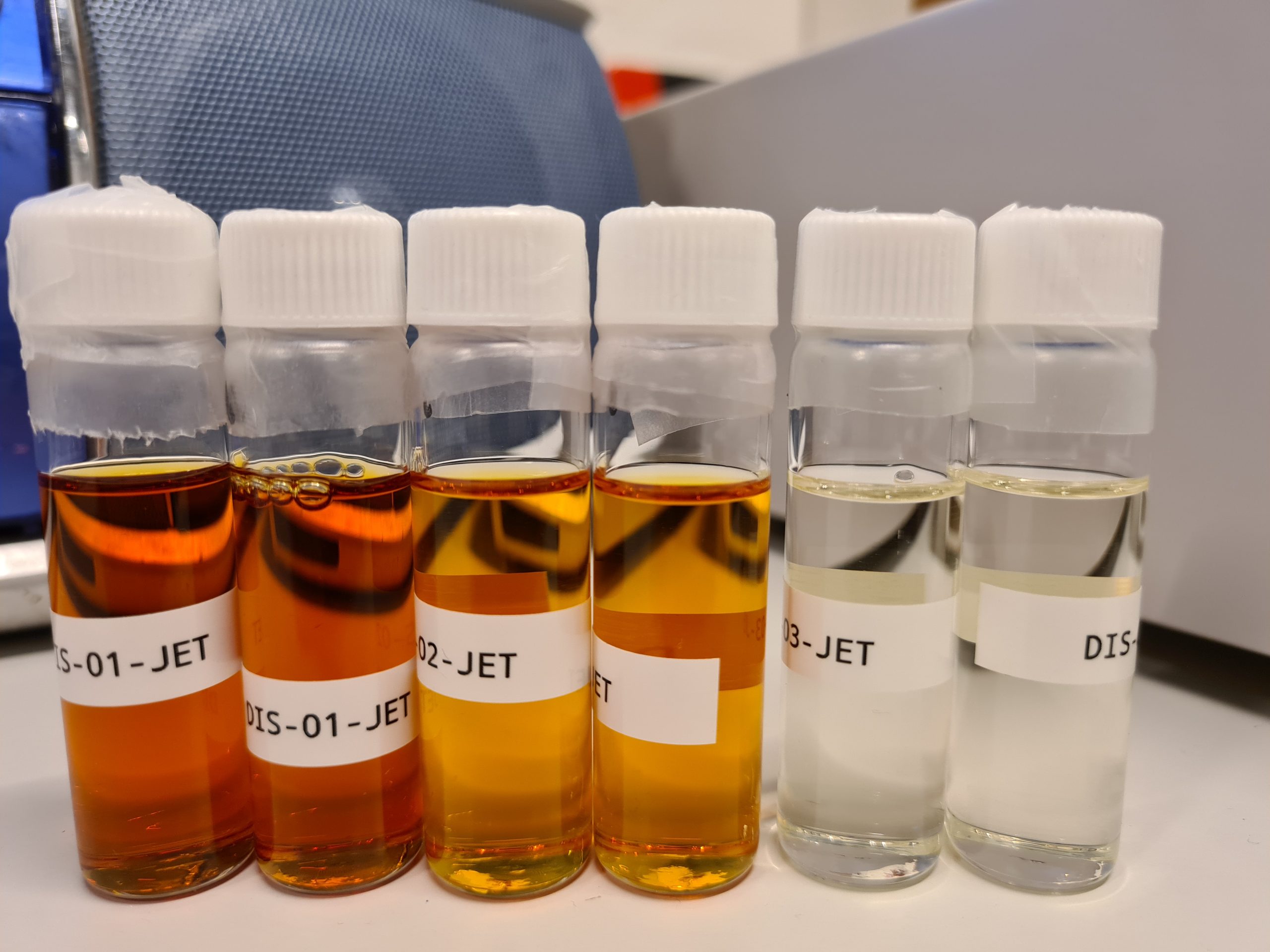
While visual inspection for color and clarity remains a crucial first line of defense, modern aviation’s safety and operational efficiency hinge on far more sophisticated technological methods for fuel quality assurance. The industry invests heavily in advanced analytical tools and sensor networks to detect subtle deviations and ensure every drop of fuel meets rigorous technical specifications.
Automated Optical Systems and Spectrometry
Human perception of color can be subjective, and many critical fuel quality parameters are invisible to the naked eye. This is where advanced technologies come into play. Automated optical systems, often employing sophisticated cameras and light sources, can objectively detect even minute color shifts, haziness, or particulate matter that might indicate contamination—such as water, dirt, or even fuel from a different batch. These systems provide consistent, quantifiable data that can be logged and analyzed.
Furthermore, spectroscopic techniques, such as Fourier-Transform Infrared (FTIR) spectroscopy and Ultraviolet-Visible (UV-Vis) spectroscopy, represent the pinnacle of fuel analysis technology. These instruments analyze how light interacts with the fuel sample across different wavelengths, providing a detailed chemical “fingerprint.” They can identify specific contaminants, quantify additive concentrations, and even detect subtle changes in fuel composition that could impact engine performance or safety. This level of granular chemical analysis is indispensable for confirming fuel integrity, validating refining processes, and ensuring compliance with international standards, effectively acting as an invisible quality control guardian for aviation technology.
Sensor Networks and Real-time Monitoring
The drive for greater efficiency and proactive maintenance has led to the development of sophisticated sensor networks for real-time fuel monitoring. These smart sensors, embedded within fuel storage facilities, pipelines, refueller trucks, and even directly on aircraft, continuously measure a host of critical parameters. These include:
- Density and viscosity: Indicators of fuel composition and flow characteristics.
- Temperature: Crucial for managing fuel expansion/contraction and preventing icing.
- Water content: Even trace amounts can lead to serious issues.
- Particulate matter: Detecting impurities before they can clog filters or damage engines.
- Trace contaminants: Advanced sensors can even detect minute levels of unwanted chemicals.
This vast stream of real-time data is then fed into AI-driven analytics platforms. These platforms utilize machine learning algorithms to process complex data patterns, predict potential issues (e.g., fuel degradation rates, contamination risks), and flag anomalies immediately. Such predictive capabilities allow for proactive intervention, preventing costly engine damage, minimizing operational downtime, and enhancing overall safety protocols. This convergence of sensors, AI, and data analytics embodies the future of fuel management technology, moving beyond reactive testing to predictive quality assurance.
The Technological Evolution of Aviation Fuels
The landscape of aviation fuels is not static; it is constantly evolving, driven by technological innovation and a growing imperative for sustainability. This evolution brings new challenges and opportunities for fuel characterization and quality control.
Sustainable Aviation Fuels (SAFs): A New Frontier
Sustainable Aviation Fuels (SAFs) represent one of the most significant technological advancements in the aerospace sector. Produced from diverse feedstocks—such as used cooking oil, agricultural waste, municipal solid waste, and even captured CO2—and utilizing advanced processing technologies (e.g., Hydroprocessed Esters and Fatty Acids – HEFA, Fischer-Tropsch – FT, Alcohol-to-Jet – ATJ), SAFs are designed to chemically mimic conventional jet fuel. The goal is to reduce aviation’s carbon footprint significantly without requiring extensive modifications to existing aircraft technology or fuel infrastructure.
From a visual perspective, most “drop-in” SAFs are chemically similar enough to conventional jet fuel that their natural color is also clear to pale straw. The technological challenge lies not in their color, but in scaling production economically while consistently achieving the exact chemical and physical properties required by modern jet engines. This involves sophisticated catalytic processes, material science breakthroughs, and advanced blending technologies to ensure seamless integration and performance parity with traditional fuels. The focus of technology here is on the synthesis pathway, the purity of the resulting hydrocarbons, and the ability to integrate diverse feedstocks into a standardized, high-performance fuel.

Fuel Quality in an Era of Digitalization and AI
The future of aviation fuel quality management is inextricably linked to digitalization and artificial intelligence. The simple question of “what color is jet fuel” serves as a historical starting point, but the modern answer is found in gigabytes of data and lines of code. Digital twins of fuel supply chains, blockchain-enabled traceability systems, and AI-powered predictive maintenance platforms are revolutionizing how fuel is tracked, tested, and certified from refinery to wing.
These technologies enable unprecedented levels of transparency, efficiency, and safety. They facilitate proactive risk management by identifying potential contamination sources or quality degradation trends before they manifest as operational issues. Ultimately, the continuous advancements in fuel technology, from the molecular engineering of additives to the deployment of smart sensors and AI, ensure that the clear or straw-colored liquid powering our skies remains the lifeblood of safe, efficient, and increasingly sustainable air travel.
aViewFromTheCave is a participant in the Amazon Services LLC Associates Program, an affiliate advertising program designed to provide a means for sites to earn advertising fees by advertising and linking to Amazon.com. Amazon, the Amazon logo, AmazonSupply, and the AmazonSupply logo are trademarks of Amazon.com, Inc. or its affiliates. As an Amazon Associate we earn affiliate commissions from qualifying purchases.