
Alumina, or aluminum oxide (Al₂O₃), is one of the most versatile and widely utilized ceramic materials in modern technology. Its intrinsic properties—high hardness, excellent thermal stability, chemical inertness, and electrical insulation—make it indispensable across an astonishing array of applications, from aerospace components to consumer electronics. Yet, for a material so fundamental, its visual characteristic, its “color,” often sparks curiosity. The simple answer is often “white,” but the full story is far more nuanced, revealing layers of scientific complexity and engineered utility that extend deep into the realm of high technology.
The Fundamental Nature of Alumina: A Purity of Purpose
At its most fundamental, pure alumina is colorless or white. This seemingly simple fact is a testament to its electron configuration and crystalline structure. In its purest form, aluminum oxide possesses a wide band gap, meaning that electrons require a significant amount of energy to jump to a higher energy level. This wide band gap prevents it from absorbing photons within the visible spectrum, allowing all wavelengths of visible light to pass through or be reflected equally. The result is a material that appears either transparent (like sapphire, which is a single crystal form of alumina) or white (when in a polycrystalline, fine-grained, or powdered form, due to light scattering at grain boundaries).
The Crystalline Structure and Its Optical Implications
The most common crystalline form of alumina is alpha-alumina, which crystallizes in a trigonal (hexagonal) system. In this arrangement, oxygen ions form a hexagonal close-packed lattice, with aluminum ions occupying two-thirds of the octahedral interstitial sites. This highly ordered, compact structure is critical to its mechanical strength and thermal stability. Optically, the regular arrangement of atoms and the lack of free electrons or electronic transitions within the visible light range are what grant pure alumina its optical transparency or brilliant whiteness. Single-crystal alumina, known as synthetic sapphire, exemplifies this transparency, finding extensive use in optical windows, lenses, and substrates where high clarity and robustness are paramount. When alumina is processed into a polycrystalline ceramic, the presence of numerous grain boundaries and microscopic pores scatters light, giving the material its characteristic opaque white appearance. This scattering effect is similar to how a clear block of ice appears white when crushed into snow.
Beyond White: Impurities and Intentional Doping
While pure alumina is white or transparent, variations in its color are not uncommon and are, in many cases, highly significant for its technological applications. These variations typically arise from two primary sources: impurities present during synthesis or processing, and intentional doping with specific transition metal ions to achieve desired optical or electrical properties.
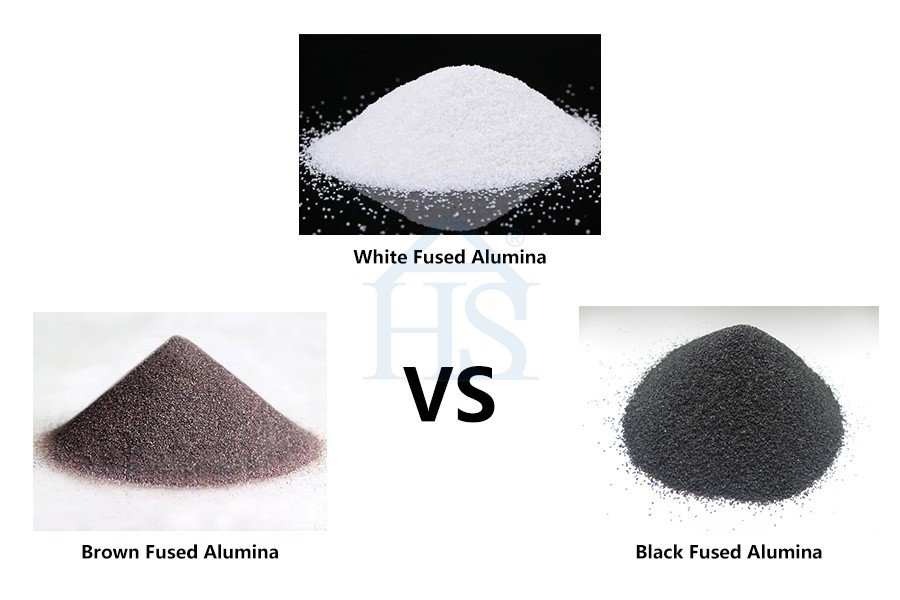
Even trace amounts of certain transition metal ions can impart distinct colors to alumina. For example, iron impurities can lead to yellow or brown tints, while titanium can cause a bluish hue. Chromium is perhaps the most famous dopant, transforming colorless alumina into the vibrant red of ruby. The presence of these foreign ions within the alumina lattice introduces specific electron energy levels that can absorb certain wavelengths of visible light, leading to the perception of color. In natural corundum (mineral alumina), these impurities are responsible for the breathtaking array of colors seen in sapphires (blue, yellow, pink, green) and rubies (red). Understanding and controlling these impurity levels is crucial in applications where optical properties are critical, such as in high-performance optics or laser crystals.
Alumina’s Ubiquitous Role in High-Tech Materials
The apparent “color” of alumina often dictates its suitability for particular high-tech applications, or at least serves as an indicator of its purity and intended function. Whether it’s the transparency of sapphire or the brilliant whiteness of advanced ceramics, alumina’s visual properties are intrinsically linked to its technological utility.
Transparent Alumina: Sapphire in Electronics and Optics
Synthetic sapphire, a single-crystal form of alumina, is a marvel of material science, highly prized for its exceptional optical transparency, extreme hardness, and chemical inertness. Its colorless appearance is a direct result of its purity and crystalline perfection, allowing it to transmit light from the ultraviolet to the infrared spectrum without significant absorption.
In electronics, sapphire serves as a robust substrate for gallium nitride (GaN) LEDs, enabling the production of brilliant blue and white light. Its excellent thermal conductivity helps dissipate heat, improving LED lifespan and efficiency. For high-power RF applications and microelectromechanical systems (MEMS), sapphire offers superior electrical insulation and mechanical stability compared to other materials.
Optically, sapphire windows and lenses are indispensable in demanding environments. From scratch-resistant watch faces and smartphone camera covers to robust aerospace sensor windows and high-pressure viewing ports, sapphire’s ability to withstand harsh conditions while maintaining optical clarity is unparalleled. Its resistance to chemical attack makes it ideal for components in corrosive industrial processes or medical devices that require sterilization. The very absence of color, or rather, its broad-spectrum transparency, is the key technological feature here.
White Alumina: Insulators, Abrasives, and Bioceramics
While transparent sapphire captures the imagination, the more common white polycrystalline alumina holds a vast and diverse portfolio of technological roles. The white appearance typically indicates a high-purity, fine-grained ceramic, where the multitude of grain boundaries scatters light, preventing transparency.

As an electrical insulator, white alumina ceramics are unmatched in many high-temperature and high-voltage applications. Spark plug insulators, furnace linings, and electrical stand-offs all rely on alumina’s excellent dielectric strength and thermal resistance. In these contexts, the color signifies consistent purity and reliable insulating properties.
Its extreme hardness makes alumina a premier abrasive material. White fused alumina is widely used in grinding wheels, sandpaper, and polishing compounds for finishing metals, ceramics, and other hard materials. Here, the white color is merely an indicator of the raw material, with performance defined by particle size and morphology.
In the biomedical field, highly pure, dense white alumina ceramics are used for dental implants, hip joint replacements, and other prosthetic components. Their biocompatibility, wear resistance, and inertness are critical for long-term integration with the human body. The pristine white appearance often correlates with the high purity required for medical-grade materials, assuring minimal leaching and immunological response.
Engineered Hues: Alumina in Advanced Optical Technologies
Beyond simply transparent or white, alumina can be intentionally “colored” through doping to achieve specific functional properties, particularly in advanced optical and laser technologies. Here, color is not a flaw but a meticulously engineered feature.
Ruby and Sapphire Lasers: Color as a Functional Property
The iconic ruby laser, the first functional laser ever demonstrated, owes its existence directly to chromium-doped alumina. The chromium (Cr³⁺) ions substitute for aluminum ions in the alumina lattice, absorbing green and blue light and fluorescing red light, which is then amplified to create the laser beam. The vibrant red color of ruby is thus a direct manifestation of the active medium’s ability to absorb and emit light at specific wavelengths, making it a functional property critical to its operation.
Similarly, “titanium-doped sapphire” (Ti:sapphire) lasers utilize alumina doped with titanium ions (Ti³⁺). This material is tunable, meaning it can emit laser light over a broad range of wavelengths in the near-infrared, making it invaluable for scientific research, medical imaging, and ultrafast optics. The faint pink or purplish hue of Ti:sapphire crystals is a visual clue to the presence of the active Ti³⁺ dopant, directly indicating its potential for laser applications. In both cases, the precise control over the dopant concentration and lattice integration is paramount to achieving the desired spectroscopic properties and, consequently, the “color.”
Phosphor-Doped Alumina: Luminescence and Displays
The intentional doping of alumina isn’t limited to laser applications. When doped with certain rare-earth elements or other activators, alumina can exhibit luminescence, meaning it emits light when excited by other forms of energy (e.g., UV light, X-rays, electron beams). These phosphor-doped aluminas find applications in various display technologies, security features, and radiation dosimetry.
For instance, yttrium aluminum garnet (YAG), a variant of alumina, doped with cerium (Ce:YAG) is a crucial phosphor in white light-emitting diodes (LEDs). The blue light from a GaN LED chip excites the yellow-emitting Ce:YAG phosphor, and the combination of blue and yellow light creates white light. While not pure alumina, the principle of intentional doping to achieve specific colors and light emission characteristics is directly transferable. The specific color of the emitted light (e.g., green, red, yellow) is meticulously engineered by selecting the appropriate dopant and host material, making “color” a direct outcome of technological design.
The Strategic Importance of Color and Purity in Tech Design
In the world of technology, the color of alumina—or lack thereof—is rarely a trivial aesthetic choice. It is often a direct indicator of its purity, its crystalline structure, its intentional doping, and ultimately, its functional capabilities. Designers and engineers meticulously specify alumina based on these characteristics to ensure optimal performance and reliability in diverse applications.
Aesthetic vs. Functional Color Requirements
Sometimes, the aesthetic color of a material is important for consumer products. For instance, in high-end consumer electronics, a pristine white ceramic back might be desired for its sleek, modern look and feel, achieved with high-purity alumina. However, in the vast majority of high-tech applications, color serves a functional purpose or is a by-product of critical functional properties. The transparency of sapphire is desired not for its visual appeal, but for its optical transmission and durability. The red of a ruby laser crystal is integral to its light emission characteristics. The white of a ceramic insulator signals its electrical and thermal performance. This distinction underscores that in tech, color is often a critical parameter rather than merely a decorative one.

Quality Control and Performance Indicators
The color of alumina can also serve as an invaluable indicator in quality control and manufacturing. Deviations from the expected color in transparent or white alumina can signal impurities, processing errors, or non-uniformity in doping. For instance, an unexpected yellow tint in what should be a transparent sapphire window might indicate iron contamination, leading to reduced optical transmission in certain wavelengths. In doped materials, a variation in color intensity could mean an inconsistent dopant concentration, which would directly impact the performance of a laser or a phosphor. Therefore, visual inspection, alongside more sophisticated spectroscopic analysis, plays a role in ensuring that alumina components meet the stringent performance requirements of modern technological systems.
In conclusion, “what color is alumina?” is a question that opens a window into the sophisticated world of material science and engineering. While fundamentally colorless or white, its true “colors” are found in the myriad ways it can be engineered—transparent, vibrant, or purposefully muted—each hue speaking volumes about its purity, composition, and the specific technological role it is designed to fulfill. From the sapphire lens guarding a satellite camera to the microscopic alumina particles within advanced electronics, the control over its optical properties, including color, is a testament to its enduring importance in shaping the future of technology.
aViewFromTheCave is a participant in the Amazon Services LLC Associates Program, an affiliate advertising program designed to provide a means for sites to earn advertising fees by advertising and linking to Amazon.com. Amazon, the Amazon logo, AmazonSupply, and the AmazonSupply logo are trademarks of Amazon.com, Inc. or its affiliates. As an Amazon Associate we earn affiliate commissions from qualifying purchases.