
In the intricate world of personal branding, every visual cue contributes to the narrative you present. Your attire is not merely clothing; it is a strategic communication tool, signaling competence, confidence, and adherence to professional norms. The classic combination of black pants offers a foundational canvas, a sartorial anchor that exudes seriousness and versatility. The critical decision then becomes: which color blazer will effectively complement this base, not just aesthetically, but as a deliberate extension of your personal brand identity? This choice is far more nuanced than simple fashion preference; it’s a calculated move to align your visual presence with your professional objectives, influencing perception and establishing credibility.
The Foundation of Professional Presence: Black Pants as a Strategic Base
Black pants are a cornerstone of many professional wardrobes for compelling reasons. They embody authority, sophistication, and a certain gravitas that few other garments can match. From a branding perspective, black communicates strength, discipline, and timeless elegance, making it an indispensable element for establishing a solid, reliable professional image.
The Power of the Black Pant
The strategic value of black pants lies in their inherent power to ground an outfit. They command respect without demanding attention, providing a stable, serious backdrop against which other elements of your attire can project specific messages. In corporate environments, black is synonymous with formality and seriousness, signaling an individual who is focused, meticulous, and prepared. This perceived solidity is a valuable asset for any professional looking to convey trustworthiness and capability, forming an unspoken promise of stability to clients, colleagues, and stakeholders.
Versatility and Authority
Beyond their symbolic power, black pants offer unparalleled versatility. They are universally flattering and adaptable to a myriad of professional settings, from a high-stakes boardroom presentation to an informal networking event. This adaptability means they can be dressed up or down with relative ease, serving as a consistent element of your personal brand across diverse professional contexts. This consistency in a fundamental aspect of your presentation subtly reinforces reliability and an organized approach, projecting an image of someone who is consistently polished and prepared, regardless of the immediate demands.
Beyond Basic: Leveraging Blazer Color for Brand Messaging
Once the sturdy foundation of black pants is established, the blazer emerges as the primary tool for injecting personality, nuance, and specific brand messaging into your ensemble. The choice of blazer color is not arbitrary; it leverages color psychology to evoke particular emotions, convey specific attributes, and tailor your brand perception to your immediate professional goals.
Color Psychology in Personal Branding
Color theory plays a profound role in how individuals are perceived. Each color carries a set of psychological associations that can be harnessed to your advantage. For instance, blue often signifies trust, loyalty, and competence, making it a favorite in industries that value stability and reliability. Grey, on the other hand, suggests sophistication, pragmatism, and neutrality, ideal for roles requiring analytical thought and understated authority. Red conveys power, passion, and ambition, suitable for situations where you need to assert leadership or inject energy. By understanding these associations, you can strategically select a blazer color that amplifies the specific facets of your personal brand you wish to highlight.
First Impressions as Brand Statements
In professional interactions, first impressions are critical and often indelible. Your attire, particularly your blazer, is a significant component of this initial assessment. It’s a non-verbal brand statement made before you even utter a word. A thoughtfully chosen blazer color can pre-frame perceptions, setting the tone for the interaction. For example, a vibrant, well-fitting blazer might convey creativity and approachability in a design-focused industry, while a conservative, dark blazer could establish gravitas and traditional authority in a financial setting. This immediate visual cue is a powerful asset in shaping how others categorize and remember you, directly impacting the effectiveness of your brand communication.
Strategic Color Pairings: Enhancing Your Professional Narrative
With black pants as your reliable anchor, the blazer becomes the storyteller. The judicious selection of its color can dramatically shift your brand narrative, allowing you to project different facets of your professional identity.

Classic & Authoritative: Navy, Charcoal, and Black
For environments where gravitas, trust, and traditional authority are paramount, pairing black pants with a navy, charcoal grey, or even a matching black blazer is an unassailable strategy.
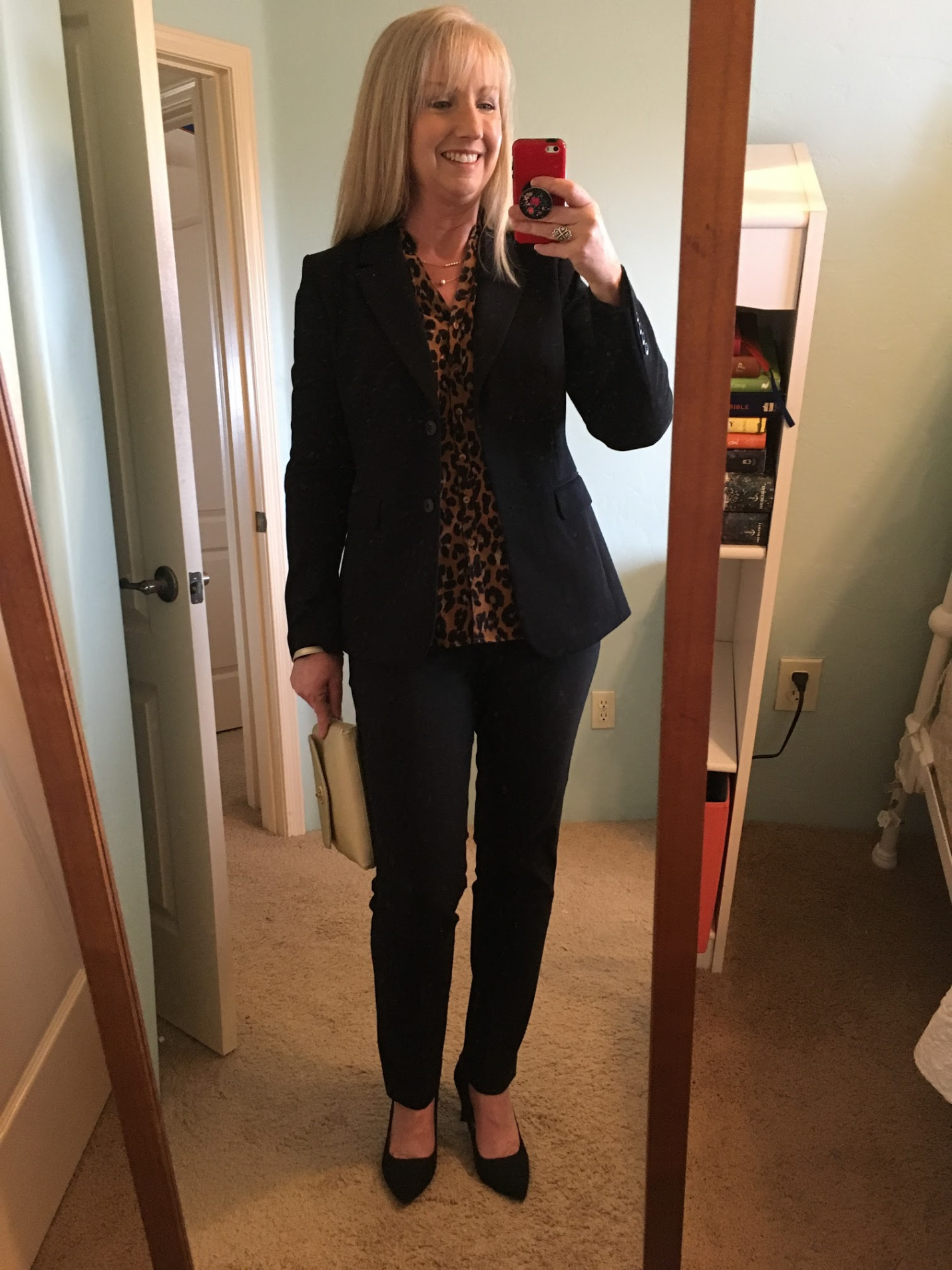
- Navy Blue: A perennial favorite in corporate settings, navy blue universally communicates trust, loyalty, and competence. It’s softer than black but equally authoritative, making it excellent for client meetings, formal presentations, or any scenario where you want to appear approachable yet utterly reliable. The contrast with black pants is subtle but distinct, offering a sophisticated depth.
- Charcoal Grey: This shade of grey projects sophistication, intellect, and pragmatism. It suggests a serious, analytical mind and a grounded approach. When combined with black pants, charcoal creates a sleek, modern, and understatedly powerful look that is ideal for strategic discussions or roles demanding meticulous attention to detail. It avoids the starkness of pure black while retaining a high degree of formality.
- Black: A black blazer with black pants creates a monochromatic power suit. This combination exudes maximum authority, sophistication, and a contemporary edge. It’s particularly effective for high-stakes negotiations, leadership roles, or creative industries where a strong, minimalist brand statement is valued. The key here is to ensure textural contrast or a slight sheen difference between the blazer and pants to prevent the outfit from looking flat, enhancing its luxurious appeal.
Approachability & Innovation: Lighter Hues and Textures
In creative fields, tech, or roles that value innovation and collaboration, a lighter or more textured blazer can project an approachable yet professional brand.
- Light Grey or Tan: These lighter neutrals can soften the intensity of black pants, creating a more inviting and less intimidating presence. Light grey suggests a modern sensibility and thoughtful approach, while tan or camel hues can convey warmth, creativity, and an understated elegance. These options are perfect for networking events, creative pitches, or environments where fostering open dialogue is crucial.
- Textured Blazers (e.g., Tweed, Linen Blends): Incorporating texture through fabrics like tweed, hopsack, or even a subtle pinstripe in lighter colors can add dimension and a sense of refined individuality. This communicates an appreciation for quality and a personal brand that is both approachable and discerning, without sacrificing professionalism.
Boldness & Creativity: Rich Jewel Tones
For professionals in creative industries, marketing, or leadership roles that demand a memorable presence, jewel-toned blazers offer an opportunity for bold brand expression.
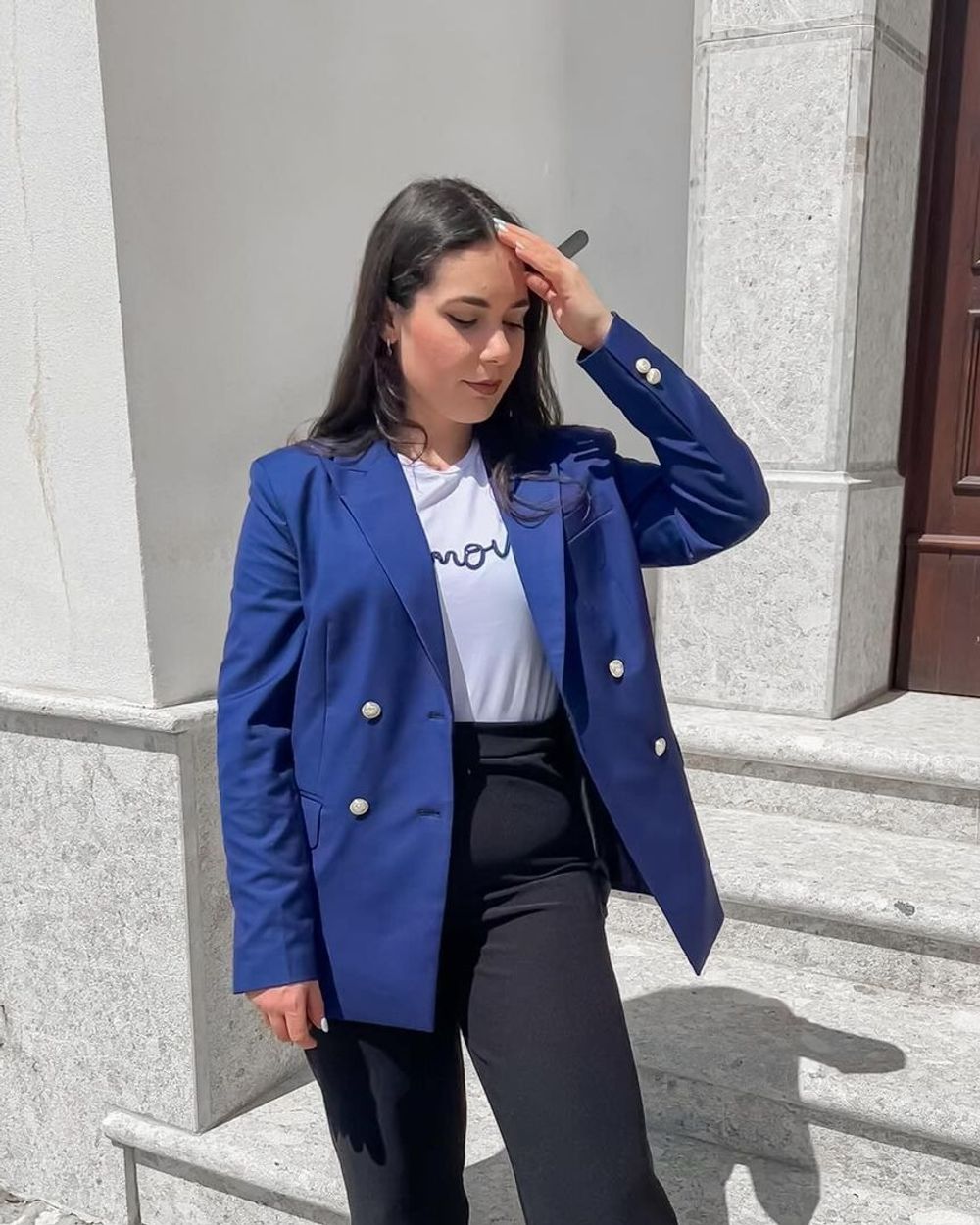
- Emerald Green, Sapphire Blue, Burgundy: These rich, saturated colors can make a striking statement when paired with black pants. An emerald green blazer might signify growth, innovation, and a connection to nature (if relevant to your brand). A sapphire blue suggests deep knowledge and confidence beyond conventional choices. Burgundy can convey passion, sophistication, and a refined taste. These colors are best deployed when you want to stand out, project confidence, and demonstrate a keen sense of personal style that reinforces a unique brand identity, particularly in industries where creativity and self-expression are valued. The key is balance; the black pants provide the necessary grounding to keep these vibrant colors professional.
Context and Industry: Tailoring Your Blazer Choice for Impact
The effectiveness of your blazer choice is inextricably linked to the context in which it’s worn and the specific norms of your industry. A blazer that projects innovation in a tech startup might appear out of place in a traditional legal firm, diluting rather than strengthening your brand message.
Corporate vs. Creative Environments
In traditional corporate environments such as finance, law, or established consulting firms, the emphasis is often on reliability, stability, and gravitas. Here, navy, charcoal, and matching black blazers are the safest and most effective choices. They align with established visual codes of authority and trustworthiness, signaling that you understand and respect the professional landscape. Deviating too far from these norms can inadvertently suggest a lack of seriousness or an inability to conform, which can be detrimental to your brand.
Conversely, creative industries (e.g., advertising, design, media) or more modern tech companies often embrace a broader spectrum of expression. In these settings, a vibrant jewel tone or a textured blazer in a lighter hue can communicate creativity, forward-thinking, and a distinct personal brand. It shows you’re current, bold, and capable of original thought—qualities highly valued in such sectors. The challenge is to maintain professionalism while showcasing individuality, ensuring your choices enhance rather than distract from your core message.
Client Meetings vs. Internal Presentations
Consider the specific nature of your engagement. For a critical client meeting, especially with a new client, erring on the side of classic authority (navy or charcoal) might be prudent to build trust and demonstrate reliability. You want to convey competence and reassure them of your professionalism. For an internal team presentation, where you’re known and aiming to inspire or innovate, you might choose a blazer color that reflects more of your dynamic leadership style or creative input (e.g., a subtle texture or a rich, yet subdued, color). Understanding these nuances allows you to tailor your visual brand message precisely for maximum impact.
Accessorizing Your Brand: Completing the Ensemble
While the blazer and black pants form the core, accessories are the finishing touches that refine your personal brand. They provide opportunities to add subtle layers of sophistication, personality, and attention to detail.
Ties, Pocket Squares, and Jewelry
For those who wear ties, the color and pattern can either reinforce or subtly contrast with your blazer, adding another dimension to your brand message. A power tie in a bold color can complement a neutral blazer, while a sophisticated silk tie with a subtle pattern can elevate an already formal look. Pocket squares, even in corporate settings, offer a touch of personality and polish. For women, intentional jewelry choices—a statement necklace, elegant earrings, or a sophisticated watch—can underscore your brand. These elements speak to a meticulous approach and an understanding of nuanced presentation, critical components of a refined personal brand.
The Role of Footwear
Never underestimate the impact of your footwear. Polished, well-maintained shoes or boots are a non-negotiable aspect of professional presentation. Black leather shoes will always complement black pants and most blazer colors, projecting a grounded and serious image. However, brown leather shoes can soften the look, adding warmth and approachability, especially with navy or lighter blazers. The style and condition of your shoes subtly communicate your attention to detail and overall professionalism, reinforcing the perception of a meticulously crafted personal brand from head to toe. Every element, consciously chosen, contributes to the complete and compelling professional narrative you wish to convey.
aViewFromTheCave is a participant in the Amazon Services LLC Associates Program, an affiliate advertising program designed to provide a means for sites to earn advertising fees by advertising and linking to Amazon.com. Amazon, the Amazon logo, AmazonSupply, and the AmazonSupply logo are trademarks of Amazon.com, Inc. or its affiliates. As an Amazon Associate we earn affiliate commissions from qualifying purchases.