
Defining an Ancient Brand: The Biblical Foundation of Orthodox Identity
In the intricate tapestry of global institutions, few possess the enduring legacy and consistent identity of the Orthodox Church. Like any venerable brand, its core identity is built upon foundational documents that articulate its vision, values, and distinct offerings. For the Orthodox Church, this bedrock is its Holy Scripture, the Bible. Understanding “what Bible” it uses isn’t merely an academic exercise in textual criticism; it’s an essential insight into the very essence of its corporate identity, its strategic positioning, and its enduring brand narrative spanning two millennia.
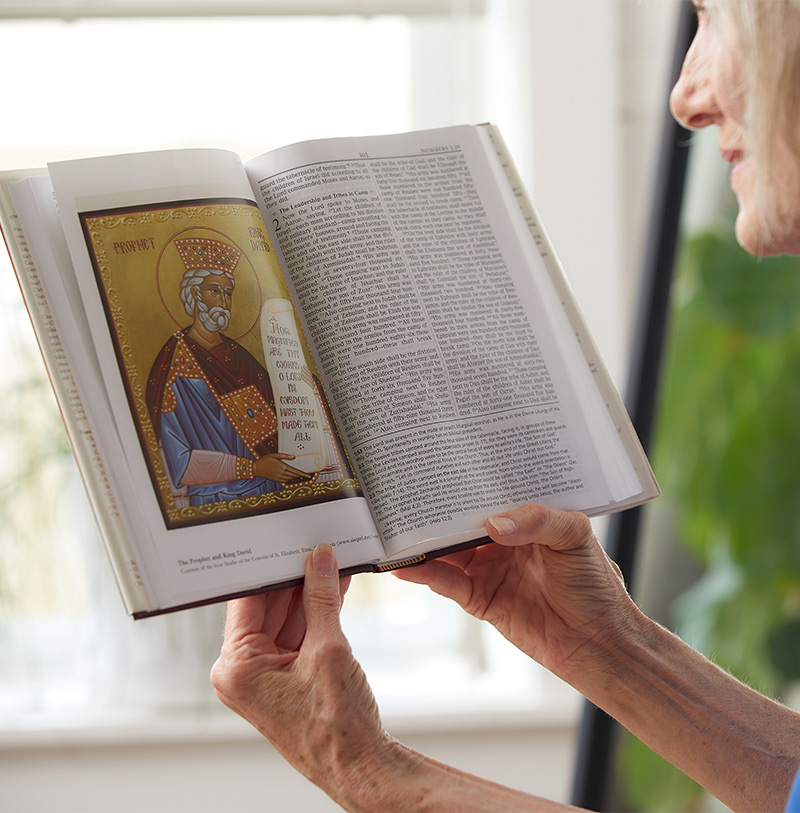
The Bible, for the Orthodox Church, is not merely a collection of sacred texts but the living, inspired word of God, interpreted and applied within the continuous tradition of the Church. This approach fundamentally shapes its “brand guidelines” and ensures a remarkable consistency across diverse cultures and historical eras. The selection and veneration of its biblical canon serve as a primary differentiator, communicating its unique heritage and theological perspective to adherents and external stakeholders alike.
Canon as Core Identity
The term “canon” refers to the official list of books recognized as authoritative scripture. For the Orthodox Church, its Old Testament canon largely follows that of the Septuagint, the ancient Greek translation of the Hebrew Scriptures. This choice is a powerful statement of brand heritage. It signals a direct lineage not just to the early Christian communities, but to the Hellenistic Jewish tradition from which early Christianity emerged. This isn’t just a historical footnote; it’s a foundational element of its identity, emphasizing continuity and a deep root structure that predates many contemporary religious expressions.
Unlike some other Christian traditions that adopted a narrower Old Testament canon during the Reformation, the Orthodox Church retained a broader selection of books, often referred to as “deuterocanonical” by others, but fully canonical within Orthodoxy. These include books like Tobit, Judith, Wisdom of Solomon, Sirach, Baruch, and 1, 2, and 3 Maccabees, along with additions to Esther and Daniel. This inclusive approach to the Old Testament canon is a hallmark of the Orthodox brand, distinguishing its narrative and theological insights from others and reinforcing its commitment to an ancient, comprehensive understanding of God’s revelation.
Unifying the Global Orthodox Brand
The Orthodox Church is a communion of autocephalous (self-governing) local churches, united by shared doctrine, liturgy, and canonical tradition. Despite its geographical and linguistic diversity – encompassing churches from Greece and Russia to Antioch and America – the common acceptance of the Septuagint-based Old Testament and the universally accepted New Testament acts as a powerful unifying force. It ensures a consistent core message and a shared narrative across its global footprint, much like a multinational corporation maintains brand consistency through shared foundational principles and product specifications. This biblical consensus underpins the Church’s capacity to present a unified front and maintain a recognizable identity across disparate cultural contexts.
The Septuagint: A Cornerstone of Orthodox Messaging
The Septuagint is more than just an Old Testament version; it is a foundational textual asset that deeply influences Orthodox theological language, liturgical practice, and iconographic tradition. Its adoption and continued use are key elements in the Orthodox Church’s brand messaging strategy, providing a unique voice and perspective.
Authenticity and Historical Continuity
By prioritizing the Septuagint, the Orthodox Church emphasizes its direct spiritual and intellectual inheritance from the apostles and the early Church Fathers, many of whom quoted from the Septuagint. This choice communicates authenticity and historical continuity, core values for an institution that prides itself on preserving apostolic tradition. It’s a statement that their interpretation of scripture is rooted in the same textual tradition that nurtured the nascent Christian movement, positioning them as stewards of an unbroken legacy. This contributes significantly to their brand narrative as “the Church of the Fathers,” emphasizing tradition and continuity over innovation.
Theological Nuance and Distinct Positioning
The Septuagint often contains nuanced phrasing and terminology that differ from later Hebrew Masoretic texts, which form the basis of many modern Old Testament translations. These differences are not trivial; they have shaped Orthodox theology and spiritual understanding for centuries. For instance, the Septuagint’s rendering of Isaiah 7:14 uses the Greek word parthenos (“virgin”) for the prophecy of Christ’s birth, directly influencing the early Christian understanding of the Incarnation. This specific textual choice isn’t just about accuracy; it’s about reinforcing a core theological tenet that is central to the Orthodox understanding of Christ and the Theotokos (Mary).
This commitment to the Septuagint also strategically positions the Orthodox Church in contrast to other Christian denominations. While others might debate the merits of various textual traditions, the Orthodox Church’s consistent use of the Septuagint provides a clear and unwavering textual foundation for its unique theological perspectives and liturgical practices. It becomes an identifiable feature of their “product,” offering a distinct experience that aligns with their historical and theological brand promise.
Translation and Accessibility: Preserving Brand Integrity Across Cultures

While the Septuagint serves as the foundational text for the Old Testament, the practical accessibility of the Bible to the faithful across the globe requires careful consideration of translation. The Orthodox Church’s approach to translation reflects its commitment to both preserving tradition and ensuring its message resonates with contemporary audiences, a delicate balance in brand management.
The Role of Liturgical Languages
Historically, the Orthodox Church has embraced the use of local languages in its liturgy and scripture. From the early Slavic translations by Saints Cyril and Methodius to modern vernacular versions, the principle has been to make the divine services and scriptures comprehensible to the people. This strategy enhances brand accessibility without compromising the integrity of the core message. While the original Greek of the Septuagint and the New Testament remains highly venerated, translations are seen as essential tools for engagement, ensuring that the “brand message” is not lost due to linguistic barriers. The goal is to convey the spirit and meaning of the original, guided by centuries of patristic interpretation, rather than a rigid word-for-word replication that might obscure theological nuances.
Modern Translations: Bridging Tradition and Reach
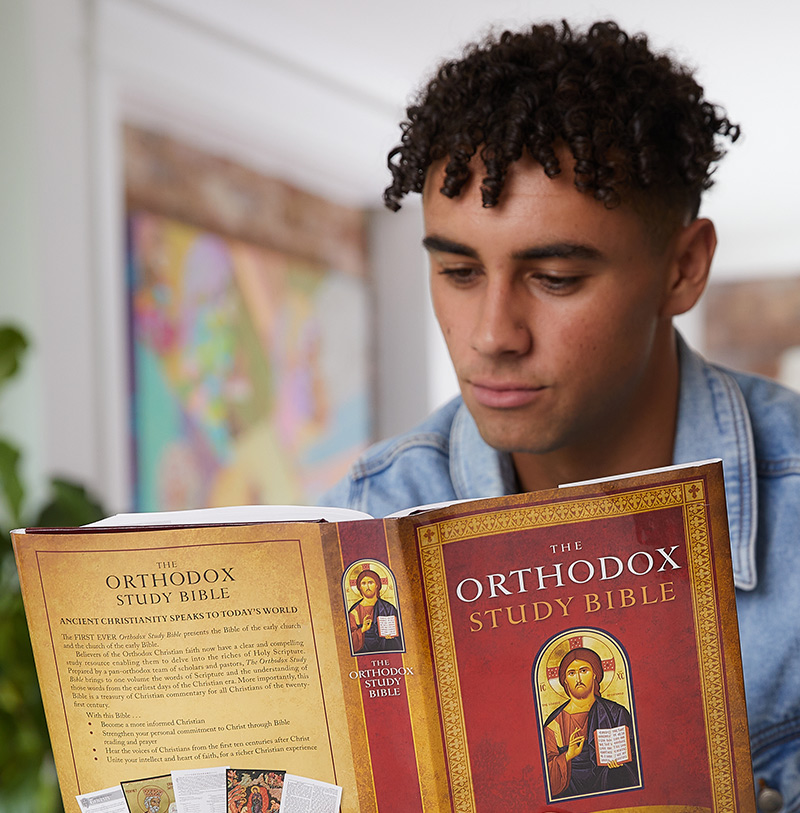
In contemporary times, Orthodox jurisdictions around the world utilize various translations. In English-speaking countries, for example, congregations might use versions like the Orthodox Study Bible (which includes the Septuagint text for the Old Testament and the New King James Version for the New Testament, annotated with Orthodox commentary), or other standard translations carefully vetted for their alignment with Orthodox theology. The key is that any translation chosen must accurately reflect Orthodox doctrine and the interpretive tradition of the Church. This rigorous selection process is akin to a brand ensuring that all its marketing materials and product descriptions are consistent with its core values and messaging. It ensures that the brand voice remains coherent and authoritative, even as it adapts to new linguistic and cultural landscapes.
Differentiating the Orthodox Brand: How Its Bible Sets It Apart
The specific biblical canon and interpretive approach of the Orthodox Church are crucial elements in its brand differentiation strategy, particularly when viewed alongside other major Christian traditions.
Contrast with Protestant and Catholic Canons
A significant point of divergence lies in the Old Testament canon. Protestant denominations typically follow the Masoretic Text canon, excluding the deuterocanonical books found in the Septuagint. The Roman Catholic Church includes these books as well, but their canonical status and interpretive weight often differ from the Orthodox perspective, and their Old Testament canon is primarily based on the Latin Vulgate, which itself derived from various sources. The Orthodox Church’s unwavering commitment to the Septuagint positions it as having the broadest and most ancient Old Testament canon among major Christian bodies. This is a subtle but potent aspect of its brand distinctiveness, appealing to those seeking a deeper connection to early Christian roots and a more expansive understanding of biblical history.
The Emphasis on Patristic Interpretation: A Unique Brand Voice
Beyond the specific books, the way the Bible is read and understood is a defining feature of the Orthodox brand. The Church emphasizes reading Scripture through the lens of the Holy Fathers (Patristic tradition). This means that personal interpretation, while valued, is always guided by the collective wisdom and theological consensus of the saints and teachers of the Church throughout history. This approach provides an authoritative framework, ensuring that biblical understanding remains consistent with the Church’s unbroken tradition. It’s a powerful “brand guideline” that prevents doctrinal drift and maintains a consistent theological narrative, safeguarding the Church’s identity against fragmentation or idiosyncratic interpretations. This collective, historically informed interpretive method is a unique selling proposition, offering stability and depth in an often-changing religious landscape.
Implications for Global Engagement and Brand Perception
Understanding the Orthodox Church’s biblical foundation is critical for anyone engaging with its unique global identity. It influences its outreach, interfaith dialogue, and its overall brand perception in a diverse world.
Educating Stakeholders on Orthodox Distinctives
For those outside the Orthodox tradition, awareness of its biblical canon and interpretive method is essential for constructive dialogue. It clarifies why certain theological points are emphasized, why specific texts are referenced, and why certain ancient practices are maintained. This knowledge helps to avoid misunderstandings and fosters respect for the integrity of the Orthodox brand. For the Church itself, clearly articulating its biblical approach is a core part of its communication strategy, helping to educate potential adherents and partners about what makes it unique.
Maintaining Consistency in a Diverse Landscape
In an increasingly globalized and pluralistic world, maintaining a consistent and recognizable brand identity is paramount for any institution. For the Orthodox Church, its consistent adherence to the Septuagint-based Old Testament, its universally accepted New Testament, and its patristic interpretive tradition serve as an anchor. This ensures that whether one encounters Orthodoxy in Athens, Moscow, Cairo, or New York, the core spiritual product and message remain unmistakably consistent. This steadfastness in its biblical foundation is a testament to its enduring brand strength and its commitment to preserving the “faith once delivered to the saints,” a message that resonates with those seeking stability and truth in a dynamic spiritual marketplace.
aViewFromTheCave is a participant in the Amazon Services LLC Associates Program, an affiliate advertising program designed to provide a means for sites to earn advertising fees by advertising and linking to Amazon.com. Amazon, the Amazon logo, AmazonSupply, and the AmazonSupply logo are trademarks of Amazon.com, Inc. or its affiliates. As an Amazon Associate we earn affiliate commissions from qualifying purchases.