
Fermentation, a biochemical process that transforms organic substances through the action of microorganisms, stands as a cornerstone in both ancient traditions and cutting-edge modern technology. While its foundational principles are rooted in biological chemistry, the industrial applications and innovative advancements driven by technology have redefined its scope and impact. From the controlled environments of vast bioreactors to the intricate genetic engineering of microbial strains, understanding the primary biological mechanisms and their technological evolution is crucial in appreciating fermentation’s role in the tech landscape.
The Foundational Biological Processes: Alcoholic and Lactic Acid Fermentation
At its core, fermentation is an anaerobic metabolic pathway that generates energy for cells in the absence of oxygen, primarily by converting sugars into acids, gases, or alcohol. While many specific fermentation pathways exist, the two most universally recognized and industrially significant kinds are alcoholic fermentation and lactic acid fermentation. These processes, while biologically distinct, form the bedrock upon which significant technological advancements have been built across various sectors.
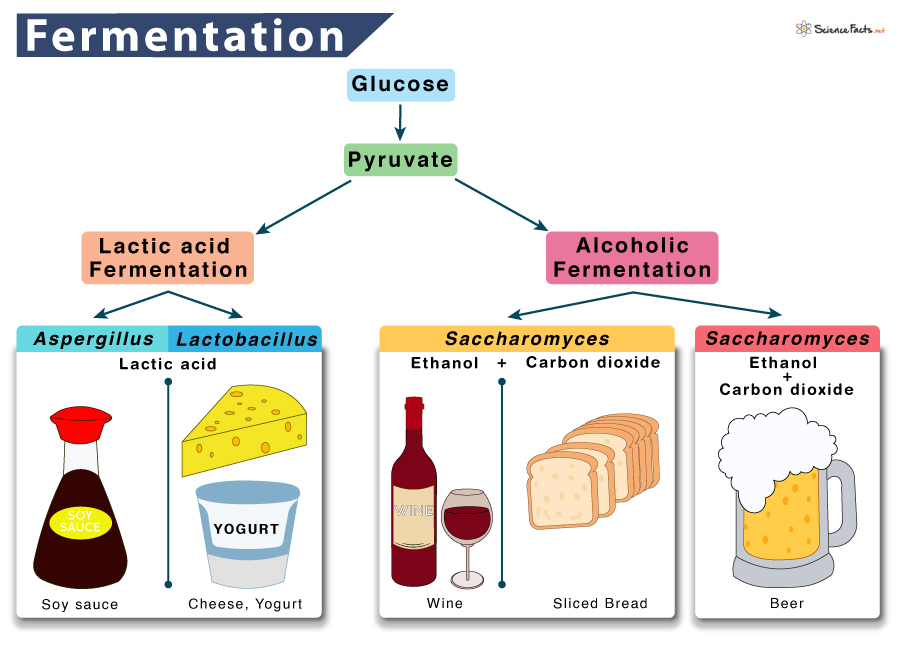
Alcoholic Fermentation: Driving Beverages, Biofuels, and Biochemicals
Alcoholic fermentation, primarily carried out by yeasts (notably Saccharomyces cerevisiae) and some bacteria, converts sugars (like glucose) into ethanol and carbon dioxide. This process is fundamental to the production of a vast array of beverages, including beer, wine, and spirits. The technological evolution in this space has focused on optimizing yeast strains for specific flavor profiles, increasing efficiency, and ensuring consistency on an industrial scale.
Beyond traditional beverages, alcoholic fermentation is critical in the production of biofuels, particularly bioethanol. Advanced bioreactor designs, continuous fermentation systems, and sophisticated process control technologies are employed to maximize ethanol yield from diverse feedstocks, including corn, sugarcane, and cellulosic biomass. Furthermore, genetic engineering techniques are used to modify yeast strains to ferment a broader range of sugars or to tolerate higher ethanol concentrations, pushing the boundaries of sustainable energy production. Recent tech innovations also extend to producing various biochemicals and solvents, moving beyond simple ethanol to complex molecules through engineered pathways.
Lactic Acid Fermentation: Preserving Foods, Enhancing Nutrition, and Novel Bioplastics
Lactic acid fermentation is primarily performed by a diverse group of bacteria known as lactic acid bacteria (LAB). In this process, sugars are converted into lactic acid. This type of fermentation is responsible for the characteristic tangy flavors and extended shelf life of many fermented foods, including yogurt, cheese, sourdough bread, sauerkraut, kimchi, and pickles. The preservation effect stems from the production of lactic acid, which lowers the pH, inhibiting the growth of spoilage microorganisms.
In the technological realm, lactic acid fermentation has seen advancements in starter culture development, where specific strains of LAB are selected or engineered for desired sensory properties, faster fermentation times, and enhanced probiotic benefits. Automation in dairy processing, controlled atmosphere fermentation chambers, and continuous culture systems have standardized production and improved scalability. Emerging technologies are also leveraging lactic acid fermentation for sustainable purposes, such as the production of polylactic acid (PLA), a biodegradable bioplastic that offers an eco-friendly alternative to conventional petroleum-based plastics. Research is actively exploring new applications, from pharmaceutical excipients to advanced biomaterials, all stemming from this fundamental microbial process.
Industrial Scale-Up: Leveraging Technology for Traditional Fermentation
The journey from artisanal small-batch fermentation to vast industrial operations relies heavily on sophisticated technological integration. Modern fermentation facilities are complex ecosystems where biology meets engineering, data science, and automation to achieve efficiency, consistency, and scale.
Automation, Control Systems, and Sensor Technology
Precision and repeatability are paramount in industrial fermentation. Advanced automation and control systems are deployed to manage critical parameters such as temperature, pH, dissolved oxygen, nutrient levels, and agitation speed. Programmable Logic Controllers (PLCs) and Distributed Control Systems (DCS) integrate data from a network of sensors—optical, electrochemical, and acoustic—to monitor the fermentation process in real-time. This allows for immediate adjustments, ensuring optimal conditions for microbial growth and metabolite production. AI and machine learning algorithms are increasingly being integrated to predict fermentation trajectories, diagnose anomalies, and even suggest optimal control strategies, minimizing human intervention and maximizing yields.

Bioreactor Technology and Design Innovation
The bioreactor is the heart of any industrial fermentation process. Modern bioreactors range from tens of liters to hundreds of thousands of liters, each designed to provide an optimal environment for microbial activity. Innovations in bioreactor design include advanced agitation systems (e.g., stirred tank, airlift, packed bed), improved sparging for oxygen transfer, and sophisticated heat exchange mechanisms to maintain thermal stability. Novel materials science contributes to bioreactor construction, offering enhanced sterilizability, corrosion resistance, and longevity. Furthermore, the development of single-use bioreactors, often made from flexible plastic films, has revolutionized pharmaceutical and biotech industries by reducing cleaning validation requirements and cross-contamination risks, speeding up development cycles.
Downstream Processing and Separation Technologies
The efficiency of fermentation is not solely about microbial conversion; it extends to the sophisticated technologies used for separating and purifying the desired product from the fermentation broth. Downstream processing (DSP) involves a suite of technologies, including centrifugation, filtration (microfiltration, ultrafiltration, nanofiltration, reverse osmosis), chromatography, and solvent extraction. These technologies are critical for isolating and purifying everything from enzymes and pharmaceuticals to food ingredients and biofuels. Advances in membrane technology, intensified separation processes, and integrated DSP trains are continually being developed to reduce costs, improve purity, and enhance the overall sustainability of fermentation-based production.
The Rise of Precision Fermentation: A New Tech Frontier
Beyond the traditional applications, a revolutionary “kind” of fermentation, termed precision fermentation, is rapidly emerging as a transformative technology. This approach leverages genetic engineering to reprogram microorganisms into highly efficient “cell factories” that can produce specific, complex organic molecules. It represents a significant leap from simply managing natural microbial processes to precisely designing them for novel outcomes.
Engineering Microbes for Novel Proteins and Ingredients
Precision fermentation involves modifying the genetic makeup of microorganisms (such as yeast, bacteria, or fungi) to produce specific proteins, enzymes, fats, flavors, and other functional ingredients that are typically sourced from plants or animals. This technology underpins the production of recombinant proteins for pharmaceuticals (e.g., insulin), enzymes for industrial applications (e.g., rennet for cheese-making without animal sources), and novel food ingredients. For instance, companies are now using precision fermentation to create animal-free dairy proteins, egg proteins, and even fats that replicate the sensory experience of their traditional counterparts, offering sustainable and ethical alternatives.
Cellular Agriculture and Sustainable Food Production
A significant driver of precision fermentation is its potential to revolutionize food production, particularly within the realm of cellular agriculture. This includes producing ‘alternative proteins’ like casein and whey from yeast, enabling the creation of dairy products without cows. It also extends to producing heme proteins (which give plant-based meats their meaty flavor and color) and even cultured fats, which enhance the flavor and texture of plant-based foods. By decoupling production from traditional agricultural systems, precision fermentation offers a pathway to more resource-efficient, environmentally sustainable, and ethically sound food systems, significantly reducing land use, water consumption, and greenhouse gas emissions associated with conventional animal agriculture.
Pharmaceutical and Chemical Synthesis through Fermentation
Precision fermentation is a powerful tool in the pharmaceutical and fine chemical industries. It enables the biosynthesis of complex drug precursors, active pharmaceutical ingredients (APIs), and specialty chemicals that are difficult or impossible to synthesize through traditional chemical routes. Examples include the production of cannabinoids, vitamins, antibiotics, and advanced materials. This biotechnological approach offers a greener chemistry alternative, reducing reliance on petrochemicals and harsh chemical reagents, thus leading to more sustainable manufacturing processes with reduced waste and energy consumption. The ability to control metabolic pathways at a genetic level means that microorganisms can be tailored to produce a vast array of high-value compounds with remarkable specificity and yield.

Challenges and Future Outlook in Fermentation Technology
Despite its immense potential, the journey of fermentation technology, particularly precision fermentation, is not without its challenges. Scaling production from lab bench to industrial capacity, optimizing bioprocesses for economic viability, and navigating regulatory frameworks are critical hurdles that demand continued innovation.
The future of fermentation technology is bright, with continued advancements in synthetic biology, bioinformatics, and AI-driven process optimization. The integration of gene editing tools like CRISPR, along with high-throughput screening and automation, will accelerate the discovery and engineering of new microbial strains. As research continues to unlock the full potential of microorganisms, fermentation technology will increasingly play a pivotal role in creating a more sustainable, healthier, and technologically advanced world, producing everything from sustainable foods and advanced materials to life-saving pharmaceuticals and clean energy solutions.
aViewFromTheCave is a participant in the Amazon Services LLC Associates Program, an affiliate advertising program designed to provide a means for sites to earn advertising fees by advertising and linking to Amazon.com. Amazon, the Amazon logo, AmazonSupply, and the AmazonSupply logo are trademarks of Amazon.com, Inc. or its affiliates. As an Amazon Associate we earn affiliate commissions from qualifying purchases.