
Choosing the “best” Carnival cruise ship is not merely about identifying the most modern vessel or the one with the most bells and whistles; it’s a strategic financial decision that hinges on maximizing value for your vacation investment. For the savvy consumer, understanding the cost-benefit analysis of Carnival’s diverse fleet, from entry-level value to premium experiences, is paramount to ensuring a memorable trip without overspending. This guide delves into the financial implications of selecting a Carnival ship, focusing on how different classes, onboard amenities, and spending strategies impact your overall vacation budget.
Understanding Carnival’s Fleet: Tiers of Financial Investment and Experience
Carnival Cruise Line operates a vast fleet, typically categorized into several classes, each offering a distinct experience and, crucially, a different price point. Recognizing these tiers is the first step in aligning your vacation aspirations with your personal finance goals.
Entry-Level Value: The Fantasy and Spirit Classes
Ships in the Fantasy class (e.g., Carnival Ecstasy, Carnival Sensation, though many have been retired) and Spirit class (e.g., Carnival Spirit, Carnival Pride) often represent the most budget-friendly options. These ships, while older, are meticulously maintained and offer the quintessential Carnival “Fun Ship” experience at a lower per-diem cost. For passengers prioritizing essential cruise amenities—comfortable cabins, diverse dining, pools, and lively entertainment—without the premium price tag of newer vessels, these classes provide exceptional value. The financial appeal lies in their accessibility; they often feature shorter itineraries and lower initial fares, making them ideal for first-time cruisers, budget-conscious families, or those seeking frequent, affordable getaways. However, it’s wise to budget for potential upgrades or specialty dining to enhance the experience, as their complimentary offerings, while solid, may not be as extensive as on newer ships.
Mid-Range Appeal: The Conquest and Splendor Classes
The Conquest class (e.g., Carnival Conquest, Carnival Glory) and Splendor class (e.g., Carnival Splendor) ships strike a balance between modern amenities and reasonable cost. These vessels are larger than the entry-level options, featuring more dining venues, bars, and entertainment spaces, including the popular Serenity Adult-Only Retreat. They often introduce signature Carnival features like Guy’s Burger Joint and BlueIguana Cantina, which are complimentary and represent significant added value compared to paying for similar fare on land or other cruise lines. The price point for these ships typically falls in the middle range, offering a step up in variety and onboard experience without the significant jump to premium pricing. For many, these ships represent the sweet spot: enhanced facilities and more choices for dining and entertainment that can help keep overall onboard spending down, as more desirable options are included in the base fare.
Premium Experiences: The Dream, Vista, and Excel Classes
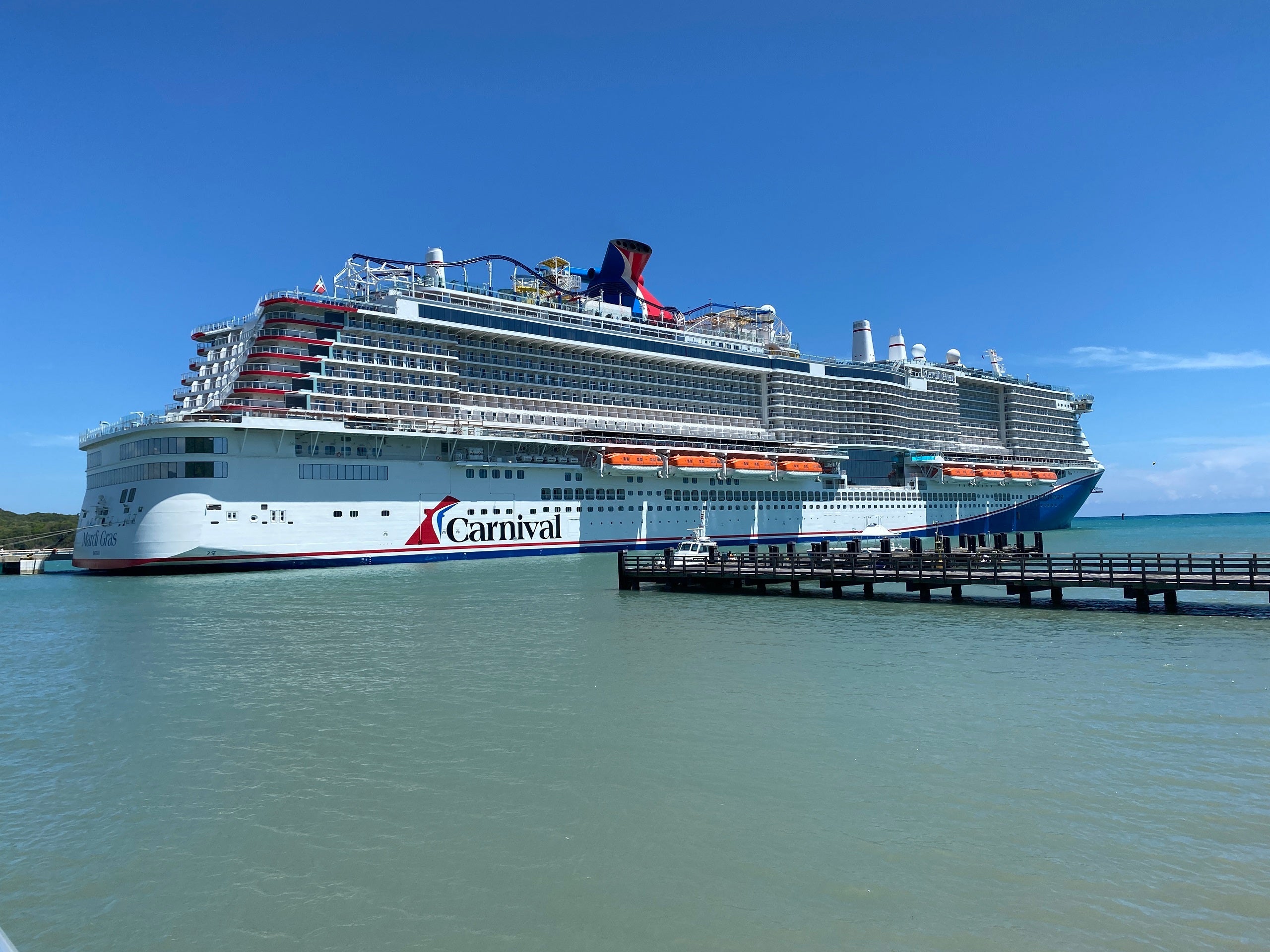
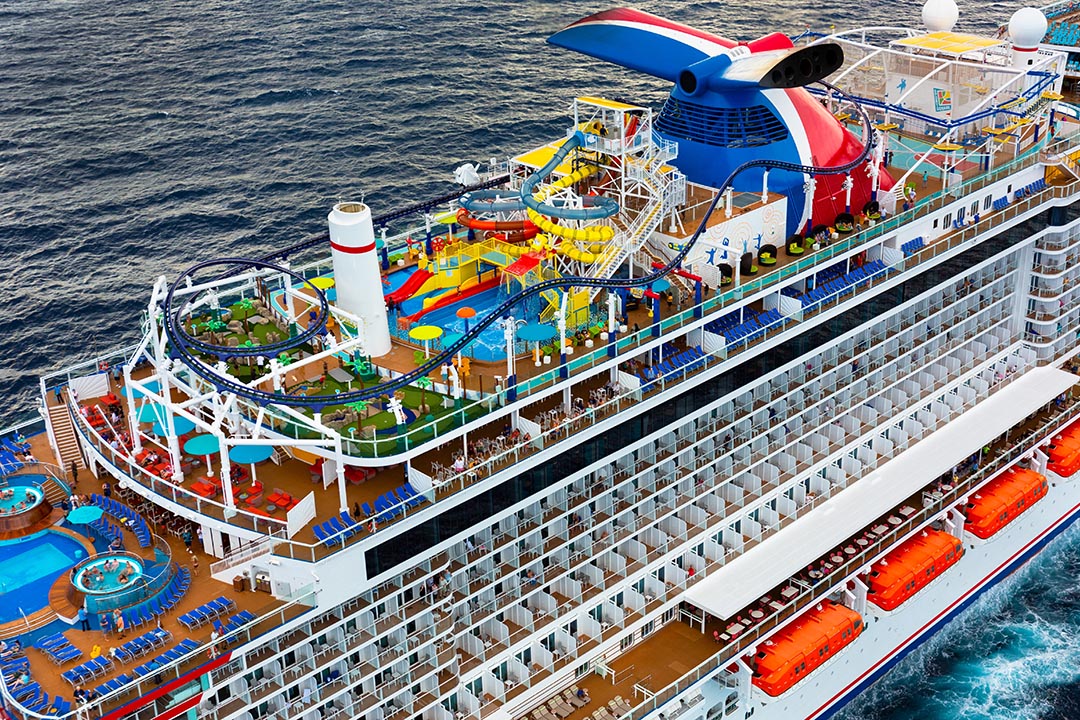
At the higher end of Carnival’s financial spectrum are the Dream class (e.g., Carnival Dream, Carnival Breeze), Vista class (e.g., Carnival Vista, Carnival Horizon), and the latest Excel class (e.g., Mardi Gras, Carnival Celebration). These ships are the largest and most modern in the fleet, boasting innovative features like SkyRide, IMAX theaters, Family Harbor staterooms, and a wider array of specialty restaurants and bars. The Excel class, in particular, introduces groundbreaking attractions like BOLT, the first roller coaster at sea.
While the initial fare for these ships is generally higher, they offer an unparalleled density of included and à la carte experiences. From a financial perspective, the value proposition here is about the breadth of available activities and amenities. For some, the sheer volume of complimentary options—enhanced pool decks, expanded youth programs, and diverse quick-service eateries—justifies the higher upfront cost, potentially reducing the need for extensive onboard spending. For others, the opportunity to indulge in unique, paid experiences (like specialty dining or premium attractions) is part of the appeal, requiring careful budgeting beyond the base fare.
Key Financial Considerations When Choosing Your Ship
Beyond the base fare, several factors directly influence the true cost of your cruise vacation. Prudent financial planning requires a holistic view of these elements.
Upfront Cost vs. Onboard Spending Potential
It’s a common misconception that choosing the cheapest fare always leads to the cheapest vacation. While a lower initial price is attractive, older ships might have fewer complimentary dining options or entertainment venues, subtly nudging passengers toward à la carte purchases. Newer ships, with their extensive range of included restaurants (e.g., Guy’s Pig & Anchor Smokehouse | Brewhouse, Street Eats on Excel class), can paradoxically lead to lower overall spending if you take advantage of these offerings, despite a higher initial ticket price. Analyze what’s included and what’s extra on your chosen ship. A detailed understanding of what is covered by your fare can help you allocate funds more effectively to experiences you genuinely desire.
Itinerary Impact: Port Costs and Excursion Budgets
The “best” ship for your money also depends heavily on its itinerary. Cruises to exotic, high-cost destinations might incur significantly higher port expenses, including mandatory port fees (often added to the fare) and the cost of shore excursions. Conversely, a cruise to closer, more accessible ports might offer more affordable independent exploration options. Consider the cost of flights to your departure port as well; sailing from a home port can dramatically reduce overall travel expenses. Factor in the average cost of shore excursions or anticipated spending in each port when comparing itineraries. Some ships specialize in certain regions, so researching local pricing for activities and transportation is a crucial step in financial preparation.
Cabin Category: A Strategic Investment

Your cabin choice is arguably one of the most significant financial decisions. While an interior cabin offers the lowest price point, a balcony cabin, or even a suite, can offer significant value, particularly for longer cruises or those with scenic routes. The added space, natural light, and private outdoor area can enhance the experience, potentially reducing the desire for costly onboard activities just to escape a small interior space. Family Harbor staterooms on Vista and Excel class ships, for instance, come with exclusive lounge access, complimentary breakfast and snacks, and a dedicated concierge, which can represent substantial savings and convenience for families. Weigh the per-day cost of an upgraded cabin against the perceived value and how it impacts your overall vacation enjoyment and spending habits.
Maximizing Value: Smart Spending Strategies Onboard
Once on board, strategic decision-making can further optimize your financial outlay, transforming a good deal into a great one.
Beverage Packages: Are They Worth the Cost?
Carnival offers the CHEERS! beverage program, an all-inclusive alcohol and soft drink package. This is a classic “money” decision point. For individuals who plan to consume multiple alcoholic beverages daily, coupled with sodas and specialty coffees, the package can offer substantial savings over à la carte pricing. However, for light drinkers, those who prefer water, or whose itinerary includes many port days (where you might drink less onboard), the package can be an unnecessary expense. Calculate your estimated daily beverage consumption and compare it to the package’s daily rate. Remember to factor in the mandatory 18% gratuity added to the package price.
Specialty Dining vs. Main Dining Room: A Cost-Benefit Analysis
Carnival ships offer an array of complimentary dining options, including the Main Dining Room, Lido Buffet, Guy’s Burger Joint, and BlueIguana Cantina. Many also feature specialty restaurants (e.g., Fahrenheit 555 Steakhouse, Bonsai Sushi) that carry an additional charge. While these specialty venues offer elevated experiences, they are an extra cost. For those on a strict budget, sticking to the complimentary options is perfectly viable and delicious. For others, enjoying one or two specialty meals might be a budgeted indulgence. Consider their prices and how they fit into your culinary desires for the trip. Often, a single premium meal might replace several smaller, less satisfying purchases elsewhere.
Wi-Fi and Connectivity: Budgeting for Digital Access
Staying connected at sea comes at a price. Carnival offers various Wi-Fi packages, ranging from social plans to premium full-internet access. The “best” plan for you depends on your digital needs and financial comfort. For essential communication, a lower-tier plan might suffice. For remote work or heavy streaming, a premium plan is necessary but comes at a higher cost. A frugal approach involves limiting usage, utilizing free Wi-Fi spots in ports, or simply disconnecting to fully embrace the vacation experience. Evaluate your actual need for connectivity against the daily or per-cruise cost.
When “Best” Aligns with “Smartest Investment”
Ultimately, the “best” Carnival cruise ship for you is the one that delivers the most fulfilling experience within your financial comfort zone. It’s about making smart investments in your leisure time.
Matching Your Budget to Ship Amenities
A common mistake is choosing a ship with numerous tempting (and often costly) amenities that don’t align with your interests or budget. If you’re not an adrenaline junkie, paying a premium for a ship with a SkyRide might be a wasted investment. If fine dining isn’t a priority, a ship with multiple specialty restaurants might not offer the best value for your money. Research the specific features of each ship and honestly assess whether they align with your vacation preferences and how much you’re willing to pay for them, both in base fare and potential onboard spending.
Understanding Peak vs. Off-Peak Pricing
Cruise fares fluctuate dramatically based on seasonality. Sailing during off-peak times—shoulder seasons (e.g., late spring, early fall) or during school terms—can yield significantly lower fares compared to peak holiday periods or summer vacations. While some amenities might be less available (e.g., certain kids’ club activities during off-peak family travel), the cost savings can be substantial, allowing you to either pocket the difference or reallocate funds to premium experiences. Flexibility with your travel dates is a powerful financial tool.
Loyalty Programs and Future Savings
Carnival’s VIFP Club (Very Important Fun Person) rewards repeat cruisers with various perks, from complimentary bottled water to priority boarding and even free cruises for top-tier members. Investing in a Carnival cruise, especially if you plan to cruise with them again, can yield future financial benefits. Factor in the long-term value of loyalty points and how they might contribute to savings on future voyages, making each subsequent trip potentially a “better” financial decision.
By carefully considering your budget, identifying your priorities, and making informed choices about ship class, amenities, and onboard spending, you can confidently select a Carnival cruise ship that not only meets your expectations for fun and relaxation but also aligns perfectly with your financial planning for leisure travel.
aViewFromTheCave is a participant in the Amazon Services LLC Associates Program, an affiliate advertising program designed to provide a means for sites to earn advertising fees by advertising and linking to Amazon.com. Amazon, the Amazon logo, AmazonSupply, and the AmazonSupply logo are trademarks of Amazon.com, Inc. or its affiliates. As an Amazon Associate we earn affiliate commissions from qualifying purchases.