
Tatami mats, an iconic element of traditional Japanese architecture and interior design, are more than just floor coverings; they represent a blend of craftsmanship, material science, and cultural heritage. Understanding “what tatami mats are made of” isn’t merely a factual inquiry into their composition; it’s an exploration into the underlying economics of their production, their varying market values, and their long-term investment potential. The choice of materials, from the core to the surface and borders, profoundly influences not just their aesthetic and functional properties but also their cost structure, manufacturing processes, and ultimate price point in a diverse global market.
The Foundation: Core Materials and Their Financial Footprint
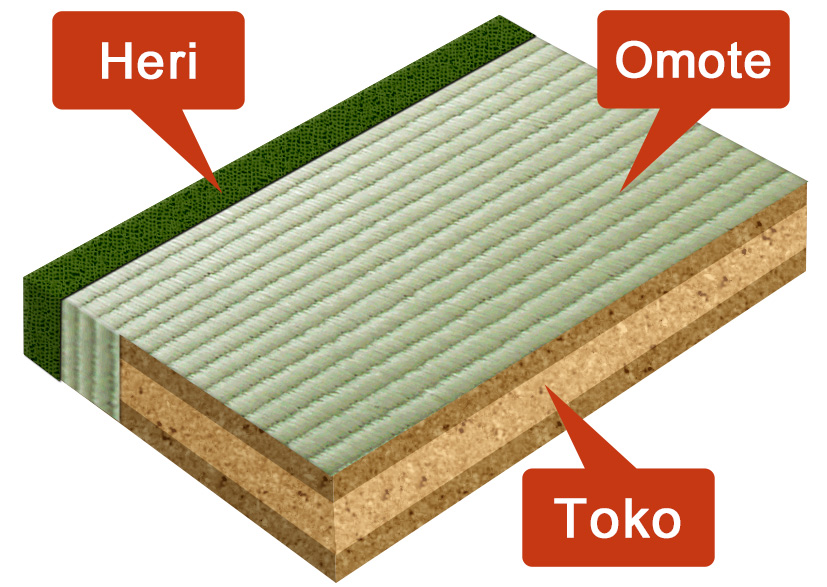
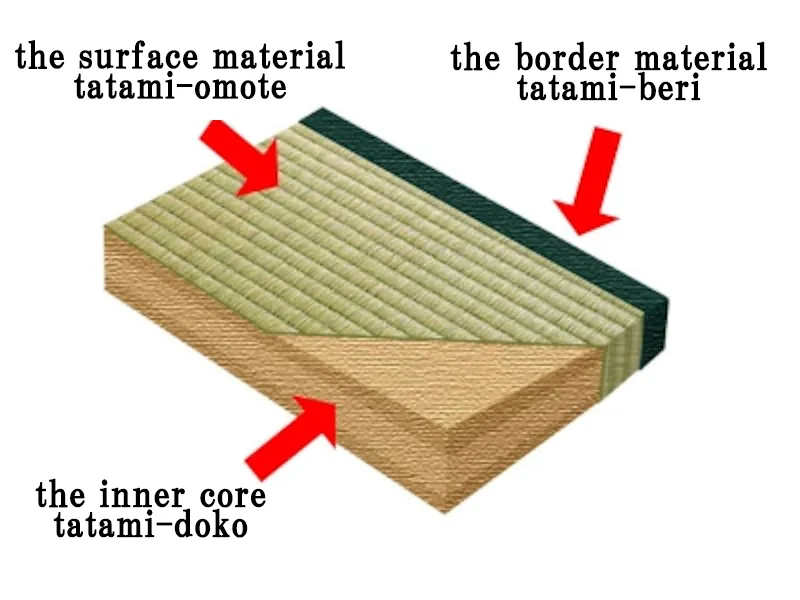
The core, or toko, of a tatami mat is its structural backbone, and its composition is a primary determinant of the mat’s durability, weight, insulation properties, and, critically, its cost. Different materials cater to various market segments, ranging from premium, traditionally crafted mats to more affordable, mass-produced versions.
Traditional Rice Straw Cores: Labor, Durability, and Premium Pricing
Historically, the core of a tatami mat was exclusively made from layers of compressed rice straw. This material choice is deeply intertwined with agricultural practices, as rice straw was an abundant byproduct of rice cultivation. However, the process of preparing and compressing rice straw into a dense, firm toko is incredibly labor-intensive. It involves carefully stacking, binding, and repeatedly compressing hundreds of layers of straw, often by hand or with specialized machinery.
The financial implications of this traditional method are significant. Sourcing high-quality rice straw, which must be clean, dry, and free from pests, incurs specific agricultural and processing costs. More substantially, the skilled labor required for its precise construction drives up production expenses. This labor-intensive process contributes directly to the higher market price of traditional rice straw tatami mats. They are considered a premium product, valued for their authentic feel, superior insulation, and exceptional durability. From an investment perspective, a well-made rice straw tatami mat can last for decades with proper care, offering a long-term return by deferring replacement costs and often retaining a higher resale value due to its quality and traditional appeal.
Modern Substrates: Cost-Benefit Analysis of Alternatives
As demand for tatami mats expanded globally and manufacturing efficiency became a priority, alternative core materials emerged, primarily aimed at reducing production costs and increasing accessibility.
-
Compressed Wood Fiberboard (MDF/Particle Board): This material offers a more uniform and stable core compared to straw. Its primary financial advantage lies in its lower raw material cost and the efficiency of its manufacturing process. Fiberboard cores can be produced rapidly and consistently, significantly reducing labor inputs. Mats with fiberboard cores are generally more affordable, making tatami accessible to a broader consumer base. However, this cost-effectiveness often comes with trade-offs. While sturdy, fiberboard cores may not offer the same level of resilience or natural insulation as rice straw, potentially leading to a shorter lifespan in high-traffic areas or greater energy costs in temperature regulation, thus impacting the long-term investment value.
-
Polystyrene Foam (Styrofoam): Representing the most economical option, polystyrene foam cores are lightweight, moisture-resistant, and inexpensive to produce. Their light weight also translates to lower shipping costs, which is a considerable factor in international trade. These mats are often found in budget-friendly options or for temporary installations. While they significantly lower the upfront cost of tatami, their durability is generally the lowest among the core types. They are more susceptible to compression and damage, meaning a quicker replacement cycle. From a financial standpoint, while the initial investment is minimal, the recurring costs of replacement over time might negate the initial savings, highlighting a crucial cost-benefit analysis for buyers.
The Surface: Igusa Rush – A Key Determinant of Mat Value
The visible surface of a tatami mat, the tatami-omote, is traditionally woven from igusa (soft rush). This layer is not only critical for the mat’s aesthetic appeal but also plays a substantial role in its functional characteristics, durability, and ultimately, its market price.
Cultivation, Processing, and Supply Chain Economics of Igusa
The cultivation and processing of igusa are specialized agricultural endeavors. The rushes must be grown, harvested, dried, and then meticulously sorted for quality. The costs associated with these stages – land use, water, fertilizers, labor for harvesting and drying, and energy for processing – directly impact the price of the raw material. The quality of igusa itself (its length, thickness, color consistency, and strength of the fibers) dictates its suitability for different grades of tatami mats. Higher-grade igusa, which is longer and more uniform, is more expensive and reserved for premium mats.
Furthermore, the geographical origin of igusa significantly influences its pricing. Japanese-grown igusa often commands a premium due to strict quality control, traditional cultivation methods, and higher labor costs. Chinese-grown igusa, while still high quality, typically offers a more cost-effective alternative due to lower production expenses, leading to different price points in the global market. The supply chain, including international shipping and import duties, further adds to the final retail price, particularly for authentic Japanese igusa mats.
Craftsmanship and Market Segmentation: Handwoven vs. Machine-Woven Surfaces
The method of weaving the igusa surface is another critical factor in determining the mat’s value and market positioning.
-
Handwoven Igusa: Mats with handwoven igusa surfaces are typically at the apex of the market. The skill and time invested by master artisans in hand-weaving ensure a tighter, more uniform, and aesthetically superior surface. This craftsmanship reflects significant labor costs and specialized expertise, justifying a premium price. These mats target a niche market of discerning buyers who value authenticity, traditional methods, and superior quality as an investment.
-
Machine-Woven Surfaces: Modern machinery has revolutionized igusa weaving, enabling rapid and consistent production. Machine-woven surfaces are efficient, scalable, and reduce labor costs substantially, making tatami mats more affordable for a broader consumer base. While machine-woven mats may lack the subtle nuances of handcraftsmanship, they provide excellent durability and aesthetics for their price point. This segmentation allows manufacturers to cater to different consumer budgets and preferences, from luxury, high-investment pieces to functional, cost-effective flooring solutions.
The Borders (Heri): Adding Value and Aesthetic Investment
The heri, or fabric borders, are the narrow strips of cloth sewn around the long edges of a tatami mat. While seemingly a minor detail, the heri plays a vital role in both the mat’s structural integrity and its aesthetic appeal, significantly influencing its perceived value and market price.
Material Variety and Cost Implications of Heri
The choice of heri material spans a wide range, each with its own cost implications:
- Cotton and Synthetic Blends: These are the most common and economical options, offering durability and a wide array of colors and patterns at a lower cost. They are suitable for everyday tatami mats and contribute to their affordability.
- Silk and Brocade: For high-end, traditional, or ceremonial tatami, silk or elaborate brocade heri are used. These materials are significantly more expensive, reflecting the cost of raw silk, intricate weaving, and specialized dyeing processes. They elevate the mat to a luxury item, justifying a higher price point and contributing to its status as a significant aesthetic investment.
- Custom Designs: Bespoke heri featuring specific family crests, corporate logos, or unique artistic patterns can be commissioned. While adding to the production cost, custom heri can significantly increase a mat’s uniqueness and exclusivity, allowing manufacturers to command premium prices for personalized projects or high-end interior design applications.
The Role of Heri in Brand Identity and Market Positioning
The heri is often the most visually expressive part of a tatami mat, beyond the igusa weave itself. It can serve as a powerful element of brand identity, particularly for manufacturers and designers specializing in traditional Japanese interiors. High-quality heri with intricate patterns or luxurious textures signals authenticity, craftsmanship, and attention to detail, which are crucial for premium market positioning. For interior designers, the heri‘s color and pattern can be chosen to complement a room’s decor, enhancing its overall value and appeal. Manufacturers strategically select heri options to target different demographics, from minimalist modern designs to richly traditional patterns, broadening their market reach and revenue streams.
Business Models and Investment Returns in the Tatami Mat Industry
The tatami mat industry encompasses diverse business models, each with distinct cost structures, profit margins, and market reach. Understanding these models sheds light on the economic landscape of tatami production and consumption.
Traditional Craftsmanship vs. Industrial Manufacturing: Cost Structures and Profitability
- Traditional Workshops: These businesses emphasize artisanal skill, often using manual or semi-manual processes for core compression, weaving, and finishing. Their cost structure is heavily weighted towards skilled labor, high-quality (often Japanese-sourced) materials, and potentially longer production times. Profitability relies on capturing a niche market willing to pay a premium for authenticity, superior quality, and bespoke services. Their overheads might include specialized tools and workshops, but less in automated machinery.
- Industrial Manufacturers: Large-scale factories leverage automation and efficient supply chains, often sourcing more cost-effective materials (like fiberboard cores and non-Japanese igusa). Their cost structure is dominated by machinery investment, material acquisition in bulk, and lower-wage labor for assembly and quality control. Profitability is driven by volume sales, economies of scale, and efficient distribution networks, catering to a broader, more price-sensitive market.
Global Trade, Import Duties, and Retail Markups
For tatami mats, especially those originating from Japan, international trade dynamics play a crucial financial role. Shipping costs, particularly for bulky items, can be substantial. Furthermore, import duties, tariffs, and local taxes in destination countries add significantly to the landed cost of the product. Wholesalers and retailers then apply their markups, which can range widely depending on the market, brand positioning, and operational costs. These cumulative costs explain why an authentic Japanese tatami mat can be considerably more expensive outside of Japan. The rise of online sales platforms has impacted this, allowing manufacturers and distributors to potentially reduce intermediary markups, directly reaching consumers and affecting pricing strategies.
Tatami as a Long-Term Investment: Durability, Maintenance, and Resale Value
Viewing high-quality tatami mats as a long-term investment rather than merely a purchase can offer significant financial benefits. Well-constructed tatami, particularly those with traditional rice straw cores and high-grade igusa surfaces, are designed for longevity. Their durability means a longer lifespan, reducing the frequency and cost of replacement. Regular maintenance, such as proper cleaning and periodic flipping or rotating, can further extend their life and preserve their aesthetic appeal.
Beyond functional lifespan, tatami mats, especially antique or culturally significant pieces, can retain or even appreciate in value, much like other specialized home furnishings or cultural artifacts. There is a niche market for pre-owned, high-quality tatami mats that are well-preserved. The cultural significance of tatami also contributes to sustained market demand and premium pricing for genuine, high-quality products, ensuring that they remain a valuable asset in homes that appreciate traditional Japanese aesthetics and craftsmanship. Thus, the initial cost outlay for superior materials and construction can be justified by reduced lifecycle costs and potential future value retention.
aViewFromTheCave is a participant in the Amazon Services LLC Associates Program, an affiliate advertising program designed to provide a means for sites to earn advertising fees by advertising and linking to Amazon.com. Amazon, the Amazon logo, AmazonSupply, and the AmazonSupply logo are trademarks of Amazon.com, Inc. or its affiliates. As an Amazon Associate we earn affiliate commissions from qualifying purchases.