
The seemingly simple question of what constitutes a shoe unfolds into a complex tapestry of material science, design philosophy, and strategic branding. For any footwear brand, the selection of materials is not merely a practical decision; it is a foundational pillar of its identity, market positioning, and consumer perception. The very fibers, leathers, and compounds chosen communicate a brand’s values, its commitment to quality, sustainability, performance, or luxury, often long before a customer ever sees a logo or reads a marketing slogan.
The Foundational Role of Materials in Brand Identity
Materials are the silent storytellers of a brand. They convey inherent properties like durability, comfort, weight, and aesthetic appeal, all of which directly contribute to how a brand is perceived and remembered. A brand’s ethos — whether it champions high-performance athleticism, timeless elegance, eco-consciousness, or mass-market accessibility — is inextricably linked to the substances from which its products are crafted.
Communicating Values Through Raw Materials
Consider a luxury brand that exclusively uses full-grain Italian leather. This choice immediately communicates an adherence to tradition, a commitment to superior quality, and an expectation of high price points. Conversely, a brand that pioneers the use of recycled ocean plastics and plant-based polymers broadcasts a powerful message of environmental responsibility and innovation. These material selections are not coincidental; they are deliberate branding statements. They align the product with specific consumer segments that value these attributes, fostering brand loyalty and justifying premium or specialized market positions. The texture, smell, and feel of materials are sensory cues that reinforce a brand’s promise, building a tangible connection with the consumer that transcends mere utility.
Craftsmanship and Perceived Quality
The choice of materials also dictates the level of craftsmanship required and the perceived quality of the final product. High-grade materials often demand skilled artistry in their cutting, stitching, and finishing, which in turn elevates the product’s status. Brands that invest in premium components and showcase the expertise involved in their assembly create a narrative of meticulous attention to detail and enduring value. This perception of quality is a cornerstone for brands operating in competitive markets, distinguishing them from mass-produced alternatives that might prioritize cost efficiency over material integrity. Even in performance footwear, the integration of advanced, lightweight composites or breathable, moisture-wicking fabrics signals a brand’s dedication to engineering excellence and athlete-focused design.
Traditional Materials: The Pillars of Enduring Brands
Historically, footwear has relied on a core set of materials that continue to define classic and heritage brands. These materials have stood the test of time, proving their efficacy, durability, and aesthetic versatility.
Leather: A Timeless Statement of Luxury and Durability
Leather remains the quintessential material for dress shoes, boots, and high-end casual footwear. Its natural strength, flexibility, breathability, and ability to mold to the foot over time make it unparalleled for comfort and longevity. For brands, various types of leather — from supple calfskin and exotic alligator to rugged nubuck and polished cordovan — offer distinct aesthetic and functional characteristics that can be leveraged to target specific markets. A brand built on heritage and enduring style often anchors its identity in the quality and provenance of its leather. The tanning process, the finish (aniline, semi-aniline, corrected grain), and even the country of origin (Italian, French, American) all contribute to a leather’s character and, by extension, the brand’s narrative around luxury, tradition, and craftsmanship.
Textiles: Versatility for Comfort and Casual Wear
Beyond leather, textiles form the backbone of a vast segment of the footwear market, particularly in casual, athletic, and comfort-oriented shoes. Cotton canvas provides a breathable, lightweight option for espadrilles and sneakers, conveying an image of relaxed ease. Wool offers warmth and natural moisture-wicking properties, ideal for comfort brands focusing on natural fibers. Synthetic textiles like nylon, polyester, and various mesh fabrics are celebrated for their durability, light weight, and ability to be engineered for specific performance needs, such as ventilation or abrasion resistance. Brands utilizing these materials often emphasize comfort, flexibility, and a more accessible, everyday style, catering to a broad consumer base that prioritizes wearability and practicality.
Rubber: The Foundation of Grip and Flexibility
While often unseen in the upper, rubber is a critical component, primarily for outsoles. Its superior grip, flexibility, and shock absorption properties are indispensable for virtually all types of footwear. Natural rubber, synthetic rubbers (like styrene-butadiene rubber or SBR), and specialized compounds (such as those for enhanced traction on wet surfaces) are chosen based on the shoe’s intended use. A hiking boot brand will emphasize a durable, high-traction rubber outsole, while a running shoe brand will focus on lightweight, responsive rubber for cushioning and energy return. The material of the outsole is a direct functional promise from the brand to the consumer, underpinning safety, performance, and durability.
Innovation in Materials: Redefining Modern Footwear Brands
The footwear industry is dynamic, with continuous advancements in material science driving innovation and allowing brands to differentiate themselves and appeal to evolving consumer demands, particularly in sustainability and performance.
Sustainable Sourcing: Eco-Conscious Brand Narratives
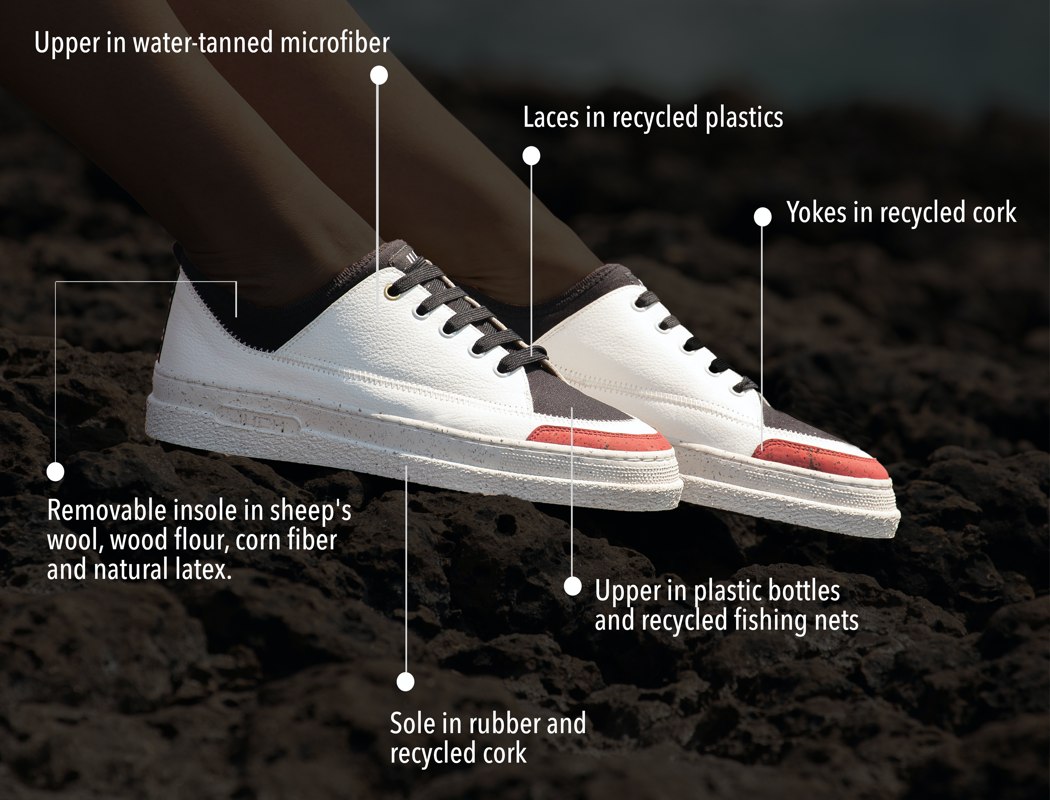
A growing number of brands are defining their identity through a commitment to sustainability, and material choice is at the heart of this strategy. This includes the use of recycled materials like PET plastic from bottles, repurposed rubber, and regenerated nylon (ECONYL). Plant-based alternatives such as mushroom leather (Mylo), pineapple leaf fibers (Piñatex), cork, and organic cotton are gaining traction, offering cruelty-free and environmentally friendlier options. Brands that embrace these sustainable materials don’t just sell shoes; they sell a philosophy, appealing to eco-conscious consumers who prioritize ethical production and a reduced environmental footprint. This material strategy often extends to transparent supply chains and certifications, reinforcing the brand’s authenticity.
Performance Synthetics: Driving Athletic Innovation
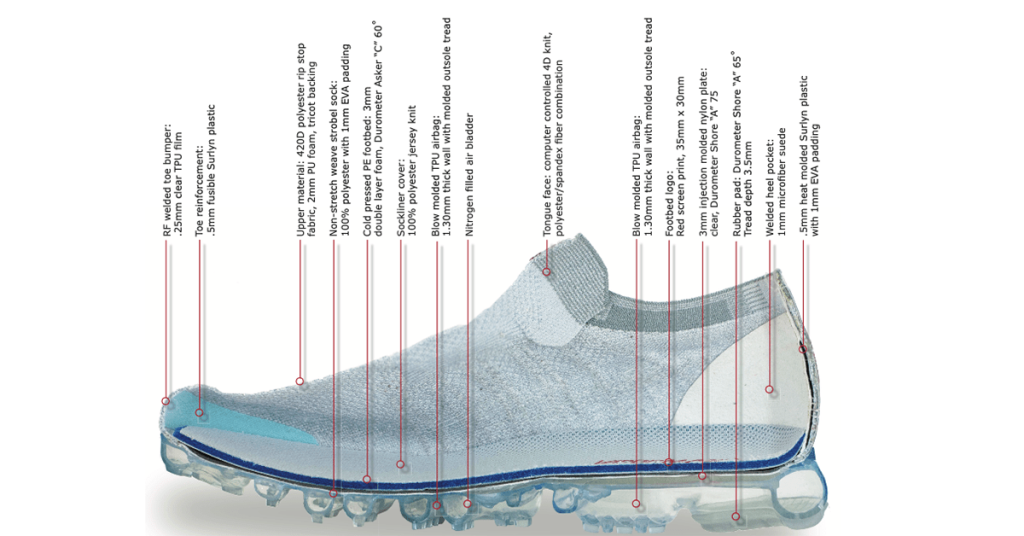
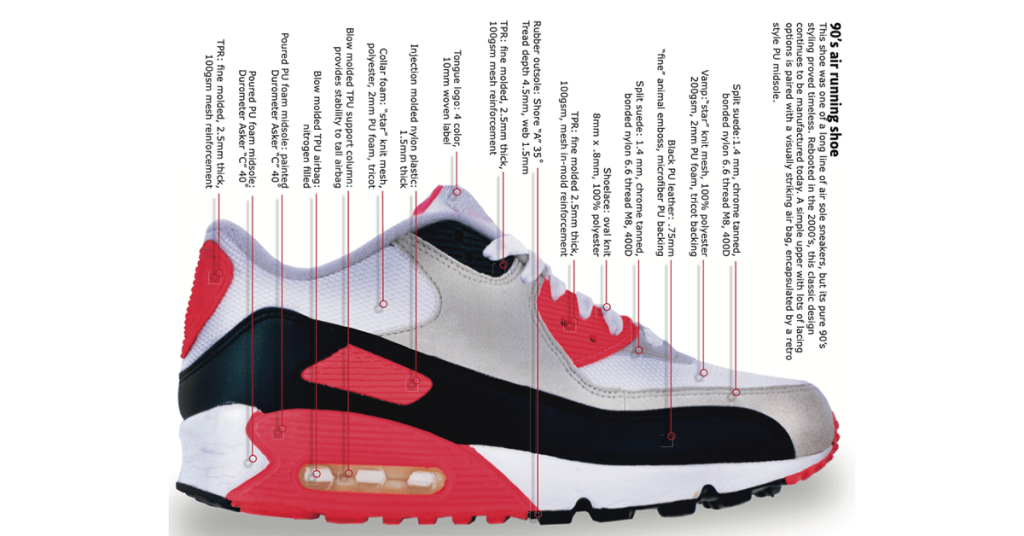
In the realm of athletic and performance footwear, synthetic materials are paramount. Advanced plastics like EVA (ethylene-vinyl acetate) and TPU (thermoplastic polyurethane) are engineered into midsoles for their exceptional cushioning, responsiveness, and energy return. Knit technologies, such as Nike’s Flyknit or Adidas’s Primeknit, use sophisticated weaving techniques to create lightweight, breathable, and supportive uppers from synthetic yarns, reducing waste in the manufacturing process. These innovations allow brands to create shoes that are lighter, faster, and more supportive, directly translating into enhanced athletic performance. For sports brands, the continuous development and integration of these cutting-edge synthetics are crucial for maintaining a competitive edge and signaling leadership in performance technology.
Advanced Composites: The Future of Footwear Engineering
The future of footwear is increasingly looking towards advanced composites and smart materials. Carbon fiber plates, for instance, are being integrated into running shoe midsoles to provide propulsion and stiffness, pushing the boundaries of speed. Phase-change materials are being explored for temperature regulation, while conductive fabrics might enable integrated sensors for biometric data. These highly engineered materials allow brands to introduce groundbreaking features, appealing to tech-savvy consumers and those seeking the ultimate in specialized performance or comfort. Brands that invest in such innovative composites position themselves as pioneers, at the forefront of footwear engineering and design.
Beyond the Upper and Sole: Components and Brand Cohesion
While the main body and sole of a shoe are obvious, numerous smaller components play a vital role, not only in function but also in reinforcing a brand’s commitment to quality and attention to detail.
Laces, Eyelets, and Stitching: The Details That Define
Even seemingly minor components like laces, eyelets, and stitching contribute to the overall brand impression. High-quality laces made from durable cotton or waxed synthetic materials prevent fraying and breakage, reflecting a brand’s commitment to longevity. Eyelets, whether simple metal grommets, reinforced fabric loops, or intricate D-rings, impact both the shoe’s aesthetic and its lacing functionality. Precise, even stitching, especially contrast stitching, can be a hallmark of superior craftsmanship and a design element in itself. Brands often use these details to subtly enhance their product, communicating a holistic approach to quality where no element is overlooked.
Insoles and Linings: The Unseen Comfort, The Brand Experience
The internal components of a shoe, though often out of sight, are critical for comfort, fit, and hygiene, directly influencing the user experience. Linings made from leather, breathable mesh, or moisture-wicking textiles enhance comfort and prevent chafing. Insoles, whether removable orthotics or integrated cushioning layers, provide crucial arch support, shock absorption, and impact protection. Brands focusing on comfort or athletic performance often invest heavily in proprietary insole technologies, using specific foams (e.g., memory foam, gel inserts) or anatomical designs to differentiate their offerings. A comfortable interior speaks volumes about a brand’s dedication to the wearer’s well-being, fostering repeat business and positive word-of-mouth.
Strategic Material Selection: A Brand’s Competitive Edge
Ultimately, the entire process of material selection is a strategic exercise for any footwear brand. It’s a delicate balance of aesthetics, function, cost, and brand philosophy, all aimed at carving out a distinct and desirable position in the market.
Cost vs. Value: Balancing Affordability with Brand Promise
The cost of raw materials directly impacts the final retail price and, consequently, the target market. Brands must strategically weigh the cost implications of using premium leathers or advanced composites against the perceived value and willingness of their consumer base to pay. A luxury brand can justify higher material costs through its exclusive appeal, while a mass-market brand might opt for more accessible synthetic alternatives, focusing on cost-effectiveness without compromising basic functionality and aesthetic appeal. This careful balance ensures that the brand’s pricing strategy aligns with its material investment and overall market positioning.
Supply Chain Transparency: Building Trust and Authenticity
In an era of increased consumer awareness, the transparency of a brand’s supply chain, particularly regarding material sourcing, has become a powerful differentiator. Brands that can demonstrate ethical sourcing of leather, fair labor practices for textile production, or environmentally responsible manufacturing processes build trust and authenticity. This commitment extends beyond the product itself, reflecting positively on the brand’s corporate identity and social responsibility. By openly sharing the journey of their materials, from raw origin to finished product, brands can deepen consumer loyalty and stand out in a crowded marketplace where integrity is increasingly valued. The materials, in essence, become a testament to the brand’s ethical compass.
aViewFromTheCave is a participant in the Amazon Services LLC Associates Program, an affiliate advertising program designed to provide a means for sites to earn advertising fees by advertising and linking to Amazon.com. Amazon, the Amazon logo, AmazonSupply, and the AmazonSupply logo are trademarks of Amazon.com, Inc. or its affiliates. As an Amazon Associate we earn affiliate commissions from qualifying purchases.