
Serious Reportable Events (SREs) in healthcare represent critical safety lapses, quality failures, or adverse events that can lead to significant patient harm or death. Beyond the immediate clinical response, a robust and compliant reporting framework is paramount for accountability, learning, and systemic improvement. In the modern healthcare landscape, meeting these stringent reporting requirements relies heavily on sophisticated technological infrastructure, robust data management, and advanced digital security protocols. The “how” of reporting has become as critical as the “what,” with technology transforming manual processes into integrated, often automated, systems designed for accuracy, timeliness, and regulatory adherence.
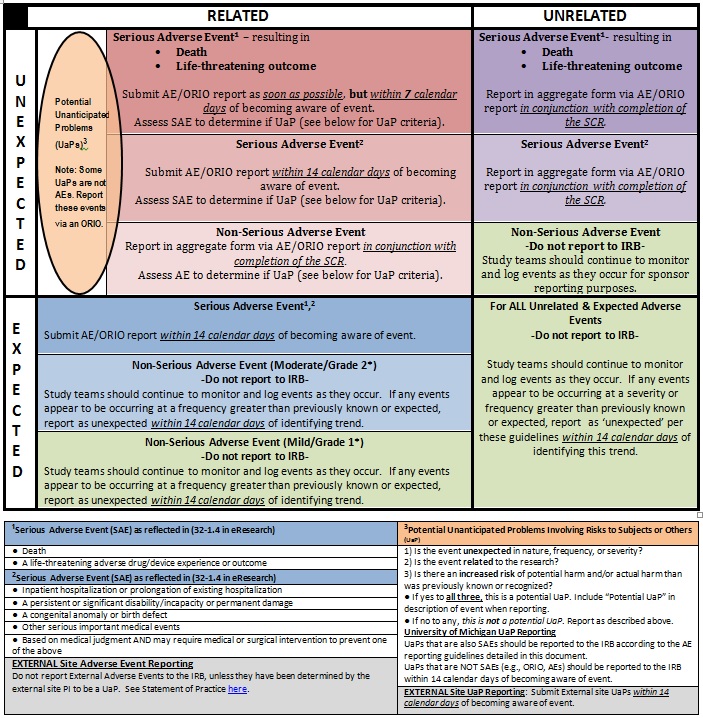
The Digital Backbone of Incident Reporting Systems
At the core of meeting SRE reporting requirements lies the digital infrastructure that captures, processes, and transmits incident data. This infrastructure is not monolithic but often a complex interplay of various software systems and databases, each playing a crucial role in ensuring that serious events are not only identified but also properly documented and reported according to diverse regulatory mandates.
EHR Integration and Dedicated Platforms
Electronic Health Records (EHRs) are the central repositories for patient data, making them a logical, albeit sometimes challenging, point of origin for SRE information. Many modern EHR systems include integrated modules for incident reporting, allowing clinicians to document adverse events directly within the patient’s chart. This integration can streamline the initial data entry, pull relevant patient demographics automatically, and link the event to specific care processes. However, the depth of detail required for SREs often exceeds standard EHR incident forms, necessitating specialized, dedicated incident reporting platforms (IRPs).
These dedicated IRPs are purpose-built systems designed to handle the complexity of SREs. They offer highly customizable forms that align with specific state, federal, or organizational reporting taxonomies (e.g., the National Quality Forum’s (NQF) list of Never Events). Key features of these platforms include:
- Structured Data Fields: Ensuring consistent data capture for severity, contributing factors, corrective actions, and patient outcomes.
- Workflow Automation: Guiding reporters through multi-step processes, including internal review, investigation, and external notification.
- Role-Based Access Control: Limiting access to sensitive SRE data to authorized personnel, crucial for patient privacy and data integrity.
- Audit Trails: Recording every action taken within the system, providing transparency and accountability for the reporting process.
The synergy between EHRs and dedicated IRPs is often achieved through application programming interfaces (APIs) or other data exchange protocols, ensuring that critical patient information can flow securely while maintaining the specialized functionalities of the incident management system.
Standardized Data Capture and Classification
The efficacy of SRE reporting, both for individual event management and aggregate trend analysis, hinges on standardized data capture and classification. Without common terminologies and structured data fields, aggregating information across different events, departments, or even healthcare facilities becomes difficult, hindering system-wide learning and improvement.
Technology plays a vital role in enforcing this standardization:
- Controlled Vocabularies and Ontologies: Systems often incorporate standardized clinical terminologies (e.g., SNOMED CT, ICD-10-CM) and event classification systems (e.g., NQF Common Formats, PSNet taxonomy). Drop-down menus, pick-lists, and auto-complete features within reporting software guide users to select predefined options, minimizing free-text entry which can be prone to ambiguity.
- Mandatory Fields and Validation Rules: Reporting platforms are configured with mandatory fields that ensure all critical pieces of information (e.g., event type, date, patient impact, responsible parties) are captured before a report can be submitted. Validation rules prevent illogical entries (e.g., an event date in the future) or incorrect data formats, enhancing data quality at the point of entry.
- Event Classification Engines: Some advanced systems utilize rules-based engines or machine learning algorithms to assist in classifying events. Based on keywords, event types, or contextual information entered by the reporter, the system can suggest appropriate classifications (e.g., automatically tagging an event as a “surgical site infection” based on specific clinical findings), improving accuracy and consistency.
Ensuring Data Integrity and Cybersecurity in SRE Reporting
SRE data is inherently sensitive, containing protected health information (PHI) and details about organizational performance that require the highest levels of digital security and data integrity. The technological requirements for securing this information are extensive, encompassing everything from encryption to robust access management.
HIPAA and Secure Data Transmission
The Health Insurance Portability and Accountability Act (HIPAA) mandates strict regulations for the privacy and security of PHI. For SRE reporting, this means all electronic data capture, storage, and transmission must comply with HIPAA’s Privacy and Security Rules. Technology facilitates this through:
- Encryption: Data at rest (stored on servers) and data in transit (being transmitted between systems or to external agencies) must be encrypted using strong cryptographic algorithms. This safeguards information from unauthorized access even if systems are breached.
- Secure Portals and Networks: When reporting SREs to external bodies (e.g., state health departments, accrediting agencies), secure web portals or Virtual Private Networks (VPNs) are typically used. These create encrypted tunnels for data exchange, ensuring that sensitive information is not exposed on public networks.
- Access Controls: Strict user authentication (e.g., multi-factor authentication) and authorization mechanisms (role-based access) are crucial. Reporting systems meticulously control who can view, edit, or delete SRE data, ensuring that only personnel with a legitimate need to know can access the information.

Audit Trails and Non-Repudiation
Maintaining the integrity and credibility of SRE reports requires robust mechanisms for tracking all actions. Digital audit trails are indispensable for this purpose. Every interaction with an SRE report—creation, modification, review, approval, submission—is automatically logged with timestamps, user IDs, and details of the action performed. This creates an immutable record that serves several purposes:
- Accountability: It establishes who did what and when, ensuring that individuals are accountable for their contributions to the reporting process.
- Forensic Analysis: In case of discrepancies or investigations, the audit trail provides a detailed history of the event’s documentation.
- Non-Repudiation: This digital evidence makes it difficult for any party to deny having performed a specific action, enhancing the trustworthiness of the reported data.
- Regulatory Compliance: Many reporting regulations explicitly require detailed audit logs as part of the compliance framework, demonstrating due diligence in data management.
Leveraging Technology for Enhanced Compliance and Analysis
Beyond simply meeting basic reporting requirements, technology offers significant opportunities to enhance compliance, streamline processes, and extract actionable insights from SRE data. This proactive use of technology moves organizations from reactive reporting to predictive safety management.
AI-Powered Anomaly Detection and Trend Analysis
The sheer volume of data generated by incident reporting makes manual analysis increasingly challenging. Artificial Intelligence (AI) and machine learning (ML) are transforming how healthcare organizations identify patterns and anomalies in SRE data:
- Early Warning Systems: AI algorithms can analyze structured and unstructured (e.g., free-text narratives) data from incident reports, near misses, and even EHR data to detect subtle patterns or deviations that might indicate an escalating risk or an emerging SRE before it reaches a critical threshold.
- Predictive Analytics: By learning from historical SRE data, AI models can predict areas or processes with a higher likelihood of future SREs, allowing organizations to allocate resources for proactive intervention and prevention.
- Trend Identification: ML can automatically cluster similar events, identify root causes, and highlight correlations between different types of incidents, informing targeted safety improvement initiatives. For example, AI might identify a cluster of medication errors linked to a specific shift, drug, or piece of dispensing equipment.
Automation in Regulatory Submission
Many SRE reporting requirements involve submitting data to multiple external agencies (e.g., state patient safety organizations, Centers for Medicare & Medicaid Services (CMS), The Joint Commission). The manual preparation and submission of these reports can be time-consuming and prone to human error.
- Automated Report Generation: Reporting systems can automatically generate reports in formats specified by various regulatory bodies (e.g., XML, specific CSV templates). This reduces the manual effort of data manipulation and re-entry.
- Direct System-to-System Submission: In some jurisdictions, secure APIs allow direct, automated submission of SRE data from the healthcare organization’s incident reporting system to the regulatory agency’s database. This “lights-out” reporting further minimizes manual intervention, reduces submission delays, and improves data accuracy by eliminating transcription errors.
- Alerts and Reminders: Automated systems can trigger alerts for impending submission deadlines or incomplete reports, ensuring timely compliance and preventing penalties for late or missing information.
Interoperability Challenges and Future Tech Trends in SRE Reporting
While technology offers profound benefits, the journey towards fully optimized SRE reporting is ongoing. Significant challenges, particularly around interoperability, persist, even as emerging technologies promise further advancements.
Bridging System Silos for Comprehensive Reporting
A major hurdle in healthcare IT is the fragmented nature of data across disparate systems. An SRE event might generate data in the EHR, the lab information system, the pharmacy system, and the dedicated incident reporting platform. Achieving a truly comprehensive view requires seamless interoperability:
- Standardized Data Exchange: Initiatives like Fast Healthcare Interoperability Resources (FHIR) are critical. FHIR APIs enable different healthcare IT systems to share data in a standardized way, allowing SRE reporting systems to pull relevant information from various clinical and administrative systems without manual intervention or cumbersome workarounds.
- Enterprise Data Warehouses: Many large healthcare systems are implementing enterprise data warehouses or data lakes that aggregate data from all internal systems. SRE reporting platforms can then interface with these central repositories, ensuring access to a holistic dataset for reporting and analysis.
- Vendor Collaboration: The industry needs greater collaboration among EHR vendors, incident reporting system providers, and regulatory agencies to develop truly integrated and interoperable solutions that simplify reporting workflows and enhance data flow.
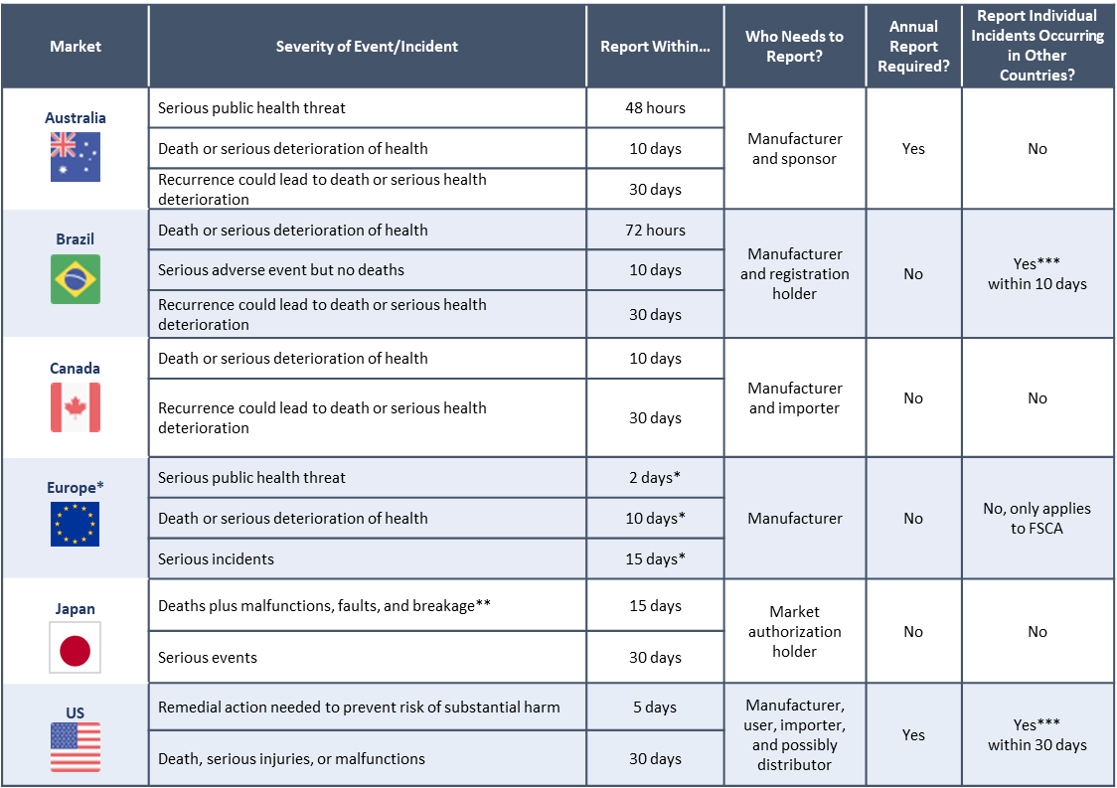
The Promise of Blockchain for Immutable Records
Looking ahead, emerging technologies like blockchain hold significant promise for transforming SRE reporting, particularly in addressing challenges related to data integrity, security, and trust.
- Immutable Audit Trails: A blockchain-based system could provide an absolutely unalterable, distributed ledger for every SRE report and every action taken on it. This creates a transparent and tamper-proof record, further enhancing non-repudiation and accountability, especially for critical events requiring multi-organizational oversight.
- Enhanced Data Security and Privacy: While not inherently anonymous, blockchain’s cryptographic principles and distributed nature can make it highly resilient to unauthorized data alteration and can facilitate secure, auditable sharing of specific, de-identified SRE data for public health surveillance and research without compromising individual patient privacy.
- Streamlined Multi-Party Reporting: For SREs that cross multiple provider organizations or require reporting to numerous regulatory bodies, a shared, permissioned blockchain could streamline the process by providing a single, trusted source of truth that all authorized parties can access and update securely and transparently.
In conclusion, meeting the complex and evolving reporting requirements for Serious Reportable Events in healthcare is inextricably linked to technological advancement. From the foundational incident reporting systems and robust cybersecurity measures to advanced AI analytics and the future potential of blockchain, technology is the engine driving more accurate, timely, and insightful SRE management, ultimately contributing to safer patient care environments.
aViewFromTheCave is a participant in the Amazon Services LLC Associates Program, an affiliate advertising program designed to provide a means for sites to earn advertising fees by advertising and linking to Amazon.com. Amazon, the Amazon logo, AmazonSupply, and the AmazonSupply logo are trademarks of Amazon.com, Inc. or its affiliates. As an Amazon Associate we earn affiliate commissions from qualifying purchases.