
Carpenter pants represent a fascinating study in product identity, design longevity, and the evolution of an item from pure utility to a significant cultural and fashion statement. Far from being merely a pair of trousers, they embody a distinct set of design principles, a rich heritage, and an enduring appeal that transcends their original purpose. Understanding carpenter pants is to delve into how a product’s inherent characteristics, initially driven by functionality, can forge a powerful, almost unwritten “brand” identity that resonates across diverse demographics and cultural landscapes.
The Enduring Design of a Workwear Icon
At its core, the carpenter pant is defined by a meticulous design engineered for demanding manual labor. Every stitch, pocket, and loop serves a purpose, contributing to a distinctive silhouette and functional utility that has remained largely unchanged for decades. This unwavering commitment to practical design is the bedrock of its enduring identity.

Origins in Utility and Functionality
The genesis of carpenter pants is rooted firmly in the needs of tradespeople, particularly carpenters, builders, and artisans who required durable, practical attire for their daily work. Before the advent of specialized tool belts, workers relied on their garments to carry essential implements. This necessity dictated the core design elements that distinguish carpenter pants from conventional trousers. They weren’t conceived as a fashion item but as an integral part of a worker’s toolkit, designed to withstand rigorous use, provide easy access to tools, and offer unrestricted movement. This utilitarian origin story is a crucial aspect of their “brand” DNA, lending them an authenticity that modern fashion often seeks to emulate.
Defining Design Elements
The most recognizable features of carpenter pants are directly linked to their functional heritage:
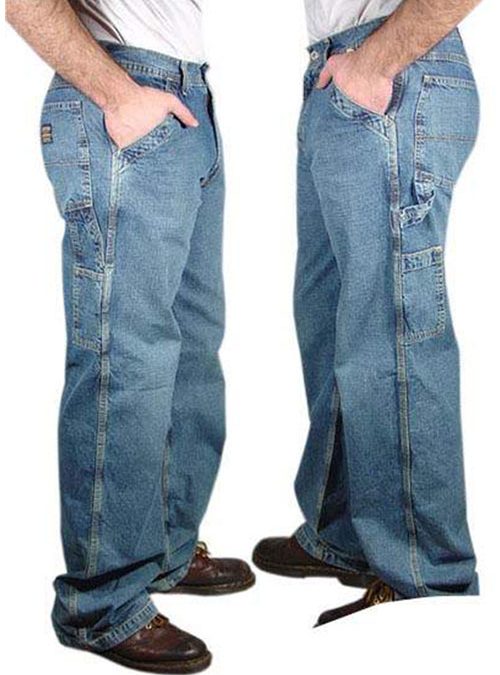
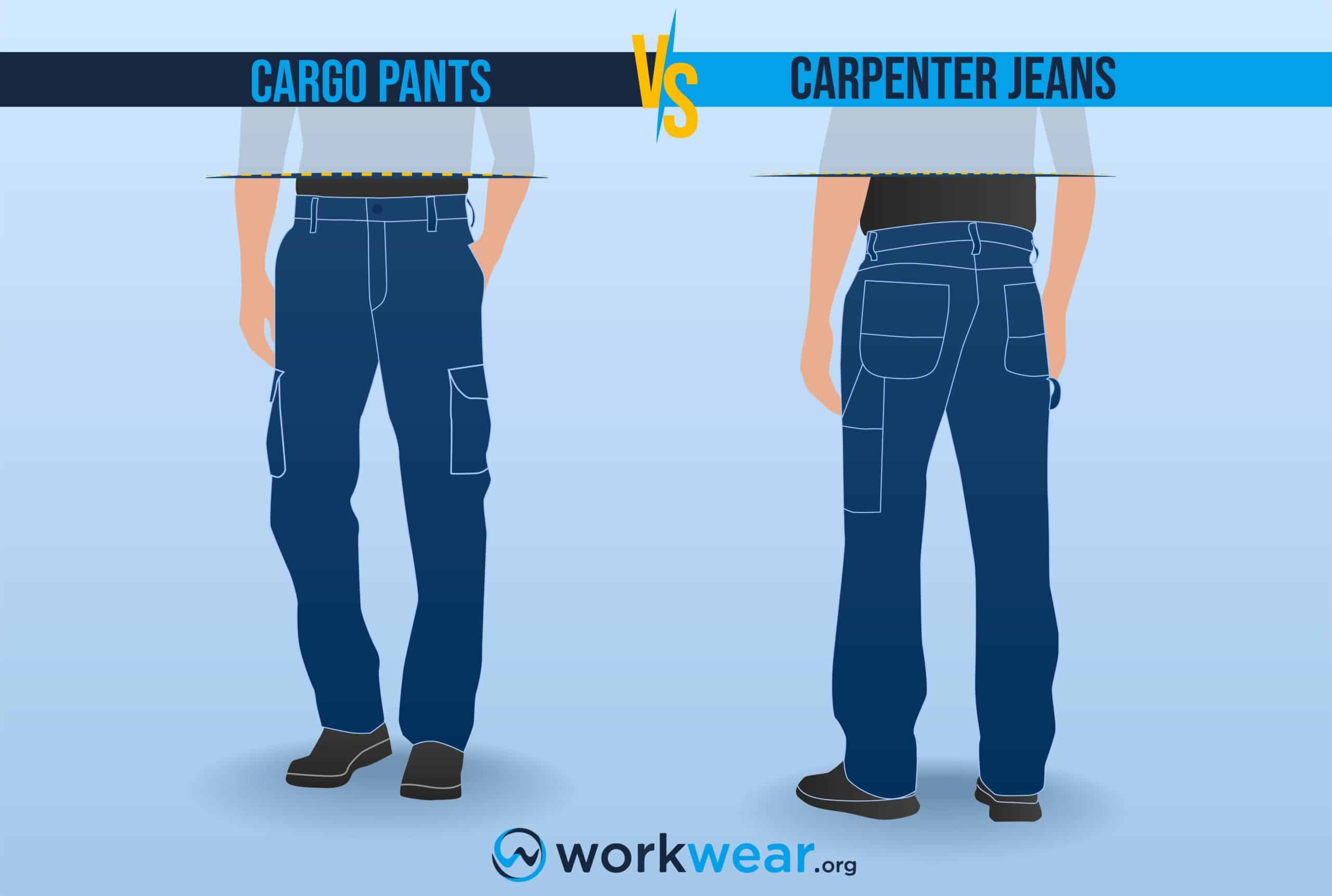
- Hammer Loop: Perhaps the most iconic feature, the hammer loop is a sturdy fabric loop, typically located on the left thigh, designed to hold a hammer or similar long-handled tool securely. This instantly identifies the garment as workwear.
- Tool Pockets/Utility Pockets: In addition to standard front and back pockets, carpenter pants feature specialized, often elongated, narrow pockets usually found on the right thigh. These “utility pockets” or “pencil pockets” were designed to hold rulers, pencils, utility knives, and other small tools, keeping them within easy reach without impeding movement.
- Reinforced Stitching and Fabric: Durability is paramount. Carpenter pants are typically constructed from heavy-duty fabrics like cotton duck canvas, denim, or twill, known for their resistance to tearing and abrasion. They often feature triple-stitched seams, particularly in high-stress areas like the crotch and along the legs, to enhance longevity.
- Relaxed Fit: Designed for comfort and freedom of movement, carpenter pants typically feature a relaxed fit through the seat and thighs, with a straight or slightly tapered leg opening. This loose cut allows for bending, kneeling, and climbing without restriction, which is essential for manual labor.
- High-Rise Waist: Many traditional designs feature a higher waist, providing better coverage and comfort when bending and preventing the garment from slipping down during strenuous activity.
These elements are not merely decorative; they are foundational to the product’s identity, communicating its purpose and rugged reliability at a glance.
Materials and Durability
The choice of materials is central to the carpenter pant’s brand promise of resilience. Heavy cotton duck canvas, a tightly woven fabric, offers exceptional resistance to snags and tears, making it ideal for rough environments. Denim, another popular choice, combines strength with a characteristic wear pattern that adds to the garment’s aesthetic appeal over time. The inherent toughness of these materials, combined with robust construction techniques, ensures that carpenter pants are built to last, often outliving other clothing items. This durability isn’t just a functional benefit; it’s a key component of their appeal, symbolizing a no-nonsense, hard-wearing quality that resonates with consumers seeking authenticity and value.
From Job Site to Cultural Mainstay: Evolving Identity
The narrative of carpenter pants is a compelling case study in how a product’s identity can evolve beyond its original market segment. What began as an essential garment for labor has, through various cultural shifts and adoptions, transcended its utilitarian origins to become a significant fashion item. This transformation highlights the power of authenticity and heritage in building an enduring product identity.
The Blue-Collar Emblem
For decades, carpenter pants served as an undeniable uniform for blue-collar workers. They symbolized diligence, craftsmanship, and a hands-on approach to life. This association with honest labor and practical skills imbued the pants with a specific social identity. They were worn by those who built things, fixed things, and worked with their hands—a demographic that valued utility, resilience, and unpretentious style. This strong association with a particular lifestyle formed the initial, powerful “brand message” of carpenter pants, speaking to a clear target audience with specific needs and values.
Subcultural Adoption and Counter-Culture Appeal
The 1980s and 90s saw carpenter pants begin their journey into subcultural fashion. Skateboarders, hip-hop artists, and individuals within the burgeoning streetwear scene gravitated towards them. This adoption wasn’t accidental; it was driven by several factors that speak to intrinsic aspects of their identity:
- Durability and Protection: For skateboarders, the tough fabric and relaxed fit offered protection against scrapes and falls, while allowing for a full range of motion.
- Anti-Establishment Aesthetic: In counter-culture movements, adopting workwear was often a deliberate rejection of mainstream, preppy, or overly formal fashion. Carpenter pants, with their utilitarian roots, offered an authentic, gritty alternative.
- Comfort and Style: The relaxed fit offered unparalleled comfort, and its unpretentious aesthetic allowed wearers to personalize their style, distinguishing themselves from prevailing trends.
- “Authentic” Branding: The perceived authenticity of a garment designed for “real work” appealed to subcultures that valued originality and a departure from mass-produced trends. The hammer loop and utility pockets, initially functional, became stylistic signifiers of this authenticity.
This phase marked a critical turning point, demonstrating how a product’s core identity can be reinterpreted and embraced by new audiences, extending its “brand” reach without diluting its foundational meaning.
Mainstream Fashion Integration
Today, carpenter pants have firmly established themselves within mainstream fashion. High-end designers and fast-fashion retailers alike offer their interpretations, often playing with fabric weights, washes, and fits, but retaining the essential design elements that define the garment. This mainstream acceptance is a testament to the versatility of its design and the enduring appeal of its heritage. They are no longer confined to specific subcultures but are worn by a broad spectrum of consumers seeking a blend of comfort, casual style, and a nod to vintage or workwear aesthetics. Their presence in diverse fashion contexts underscores how a product’s brand identity can successfully evolve and adapt while maintaining its core appeal.
The Unspoken Brand: Authenticity and Heritage
Carpenter pants exemplify how a product can build a powerful “brand” without relying solely on traditional marketing or overt corporate identity. Their strength lies in an intrinsic authenticity and a rich heritage that communicates volumes about their quality and character.
Crafting a Product’s Legacy
The legacy of carpenter pants isn’t just a story; it’s embedded in their very construction. Each feature, from the robust fabric to the purposeful pockets, speaks to a history of utility and resilience. This narrative of enduring quality and practical design has been cultivated over generations, not through advertising campaigns, but through consistent performance and user satisfaction. This type of product legacy is invaluable, as it fosters trust and desirability that transcends fleeting trends. It’s a “brand story” told through the product itself, resonating with consumers who value substance and history.
Brand Associations Beyond the Label
Unlike many fashion items that derive their value from designer labels or logo prominence, the “brand” of carpenter pants exists largely independent of any single manufacturer. The strong associations are with the type of pant itself: durability, practicality, a no-nonsense attitude, and a connection to craftsmanship. While specific brands like Carhartt or Dickies are synonymous with carpenter pants, the generic archetype holds its own powerful recognition. This phenomenon illustrates a powerful concept in branding: when a product category develops such a strong, identifiable identity, it creates a “brand equity” that benefits all quality manufacturers within that category. Consumers are often drawn to the idea of carpenter pants before they choose a specific brand.
Modern Interpretations and Market Appeal
In contemporary fashion, carpenter pants are celebrated for their versatility and the authenticity they bring to an outfit. They are styled with everything from work boots to sneakers, from simple t-shirts to more tailored tops. Their appeal lies in their ability to bridge the gap between casual and rugged, offering a foundation for various personal styles. This adaptability allows them to attract a wide market, from individuals seeking practical, comfortable everyday wear to fashion enthusiasts curating specific aesthetics. The ongoing reinvention and re-contextualization of carpenter pants in modern fashion reinforces their status as a timeless piece whose inherent “brand” values—utility, authenticity, and resilience—remain highly relevant.
Strategic Design and Market Positioning
The enduring success of carpenter pants can be analyzed through a strategic lens, demonstrating how core design principles, combined with an authentic product identity, can secure a strong and lasting market position.
Balancing Function and Form
The original design of carpenter pants prioritized function above all else. However, their continued relevance in fashion highlights a crucial balance. The very elements designed for utility—the relaxed fit, the substantial fabric, the purposeful pockets—have serendipitously contributed to an aesthetic that is now widely appreciated. This inherent blend of “form follows function” has created a timeless design that doesn’t feel dated. For product strategists, this offers a powerful lesson: designs born from genuine need often possess an intrinsic elegance and authenticity that can outlast purely trend-driven aesthetics.
The Role of Durability in Product Perception
In an era of fast fashion and planned obsolescence, the robust durability of carpenter pants stands as a powerful differentiator. The expectation that these pants will withstand wear and tear, and even improve with age (developing a desirable patina), contributes significantly to their perceived value. This focus on longevity and quality is a core part of their “brand promise” and resonates with increasingly conscious consumers who seek sustainable and long-lasting garments. It highlights how emphasizing durability can be a strategic marketing angle, fostering customer loyalty and a reputation for quality.
Targeting Diverse Demographics
The journey of carpenter pants from a specialized work garment to a widespread fashion item demonstrates effective, albeit organic, market positioning. By maintaining their core design integrity while being embraced by diverse subcultures and mainstream fashion, they have managed to appeal to multiple demographics without significant redesign. Their “brand” is flexible enough to signify different things to different groups: practicality for tradespeople, authenticity for subcultures, and casual style for the general public. This broad appeal, rooted in an authentic and adaptable product identity, ensures continued relevance and market viability across a wide spectrum of consumers.
aViewFromTheCave is a participant in the Amazon Services LLC Associates Program, an affiliate advertising program designed to provide a means for sites to earn advertising fees by advertising and linking to Amazon.com. Amazon, the Amazon logo, AmazonSupply, and the AmazonSupply logo are trademarks of Amazon.com, Inc. or its affiliates. As an Amazon Associate we earn affiliate commissions from qualifying purchases.