
The Cost of Unrivaled Tenderness: A Financial Breakdown of Premium Cuts
For many discerning palates, the quest for the most tender steak is a journey fraught with considerations beyond mere flavor. It often leads directly to the question of financial outlay, as tenderness frequently correlates with higher price points. Understanding this relationship is crucial for any consumer or business navigating the premium meat market. The undisputed champion of tenderness is often cited as the filet mignon (also known as tenderloin). This cut, sourced from the short loin of the steer, does minimal work, resulting in an incredibly fine texture and buttery softness that requires almost no chewing. Its consistent tenderness makes it a highly sought-after item, but this desirability comes with a significant financial implication.

Another top contender for tenderness, often praised for its rich marbling which contributes to both flavor and a melt-in-your-mouth texture, is the ribeye cap (or spinalis dorsi). This often-overlooked muscle sits atop the main ribeye roll and is incredibly tender and flavorful. While it can be harder to find as a standalone cut and commands a premium, its exquisite qualities often justify the investment for those seeking the ultimate steak experience.
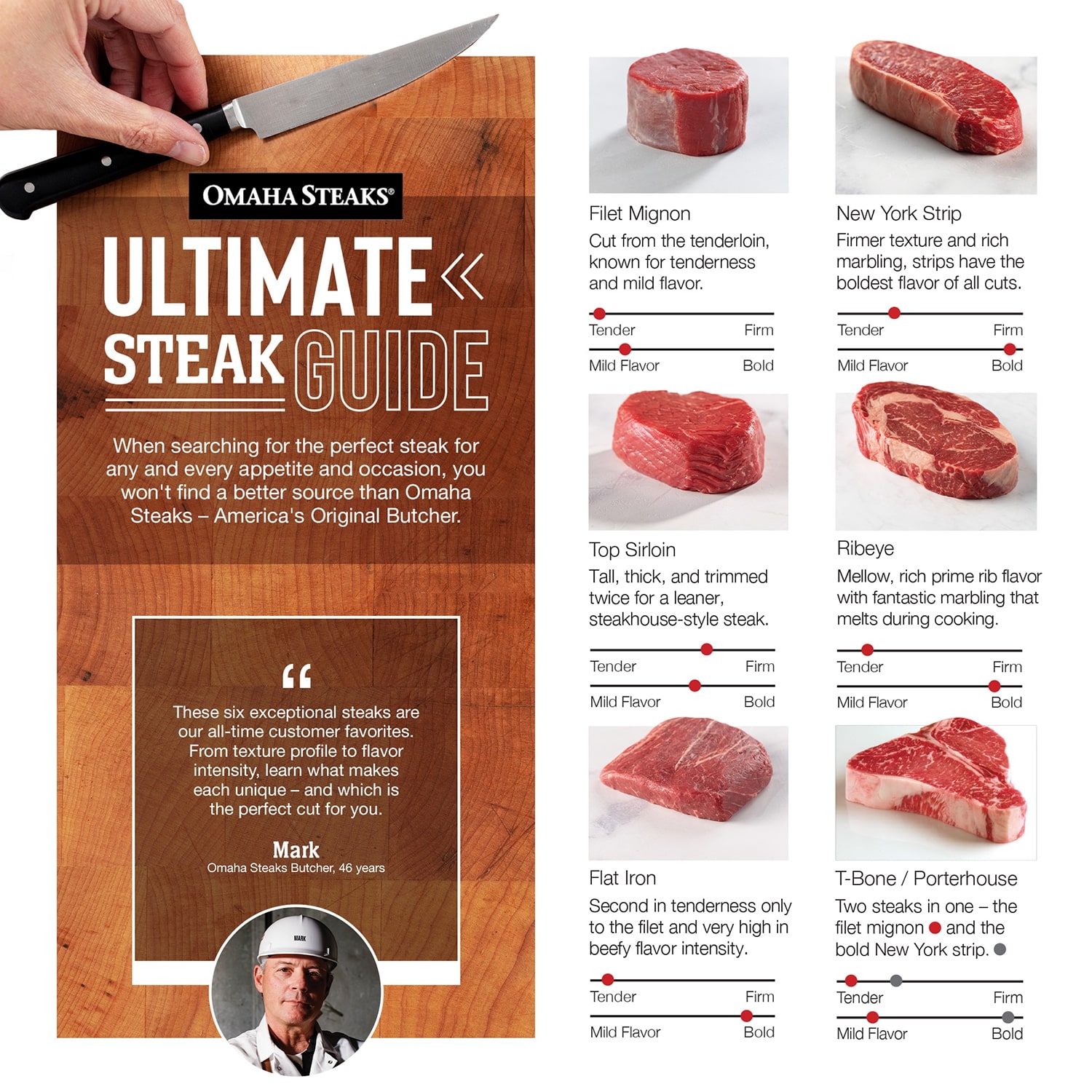
Other cuts renowned for their tenderness, though perhaps not reaching the absolute pinnacle of filet mignon, include the New York strip (strip loin), known for a good balance of chew and tenderness, and the porterhouse/T-bone, which uniquely offers both the tenderloin and strip steak in one cut. Each of these cuts occupies a specific niche in the market, priced according to factors like scarcity, labor involved in butchering, and consumer demand, all of which ultimately impact the final cost to the buyer.
Prime Contenders and Their Premium Price Points
The pricing of these prime tender cuts is a complex interplay of supply, demand, and perceived value. Filet mignon, due to its small yield per animal and high demand, consistently fetches the highest prices per pound. For a consumer, this means allocating a substantial portion of their dining budget. For a restaurant, it translates to higher food costs that must be carefully managed and passed on to diners, often with a significant markup to cover operational expenses and profit margins.
The ribeye cap, while exceptionally tender, often appears as part of a whole ribeye steak or is carved out by specialty butchers. When sold separately, its rarity and exceptional quality push its price into the premium category, often rivaling or exceeding that of filet mignon. This creates an interesting dynamic where a smaller, lesser-known cut can command a higher price due to its specific attributes.
Understanding these price points is essential for financial planning, whether you’re a household budgeting for a special meal or a restaurateur setting menu prices. It underscores the concept that superior quality and desirability in the culinary world often carry a proportionally higher financial burden, requiring careful consideration of return on investment – both experiential and monetary.
Understanding Market Factors Driving Steak Prices
Beyond the inherent qualities of the cuts, external market factors play a significant role in determining the final cost of tender steaks. Global beef demand, feed prices, drought conditions affecting cattle herds, and even international trade agreements can all cause fluctuations. For example, a surge in demand from affluent markets can drive up prices worldwide, impacting local butcher shops and grocery stores. Similarly, rising commodity prices for corn or soy, used as cattle feed, directly translate to higher production costs for ranchers, which are then reflected in wholesale and retail steak prices.
The grade of beef—USDA Prime, Choice, or Select—also dictates price. Prime beef, with its abundant marbling, represents only a small percentage of all beef produced and naturally commands a higher price due to its superior quality, which includes enhanced tenderness and flavor. For the financially astute buyer, understanding these market dynamics allows for better purchasing decisions, potentially identifying times when prices are more favorable or justifying the higher cost when market conditions are tight. It’s an investment in quality, yes, but one whose value is directly tied to a dynamic economic landscape.
Navigating the Butcher Counter: Value vs. Expense in Steak Selection
When standing before a display of premium steaks, the decision often boils down to a balance between desired tenderness and available budget. It’s about strategic spending to achieve the best culinary experience without overextending one’s personal or business finances. While the filet mignon reigns supreme in tenderness, its price tag can be prohibitive for frequent indulgence. This necessitates a thoughtful approach to steak selection, exploring alternatives that offer excellent tenderness at a more palatable cost.
For a restaurant, this might involve carefully balancing high-margin tender cuts with more affordable, yet still desirable, options on the menu. For a home cook, it means understanding which cuts provide the best value without compromising too much on the desired tenderness.
Strategic Spending on Sought-After Tenderness
Strategic spending means looking beyond the obvious. While the allure of filet mignon is strong, there are other cuts that, with proper preparation, can deliver exceptional tenderness. For instance, a flat iron steak, cut from the shoulder clod, is remarkably tender and flavorful due to its position in the animal. It’s often significantly cheaper per pound than a filet, making it an excellent choice for those seeking tenderness on a tighter budget. Similarly, a hanger steak (butcher’s steak), while not as uniformly tender as a filet, offers a rich, beefy flavor and a satisfying chew that can be incredibly tender if cooked correctly to medium-rare.
The financial upside of exploring these cuts is substantial. A diner can enjoy a high-quality, tender steak experience without the premium price tag, allowing for more frequent enjoyment or freeing up funds for other culinary pursuits. Businesses can diversify their offerings, attracting a broader customer base by providing excellent value propositions that don’t rely solely on the most expensive cuts. It’s an exercise in maximizing culinary enjoyment per dollar spent.
The Return on Investment of Lesser-Known, Yet Tender, Cuts
Investing time in researching and experimenting with lesser-known cuts can yield significant financial returns. Consider the terres major (shoulder tender). This small, cylindrical muscle from the shoulder is often compared to filet mignon in tenderness and can be found at a fraction of the cost. Its excellent texture and mild flavor make it a hidden gem for budget-conscious steak lovers.
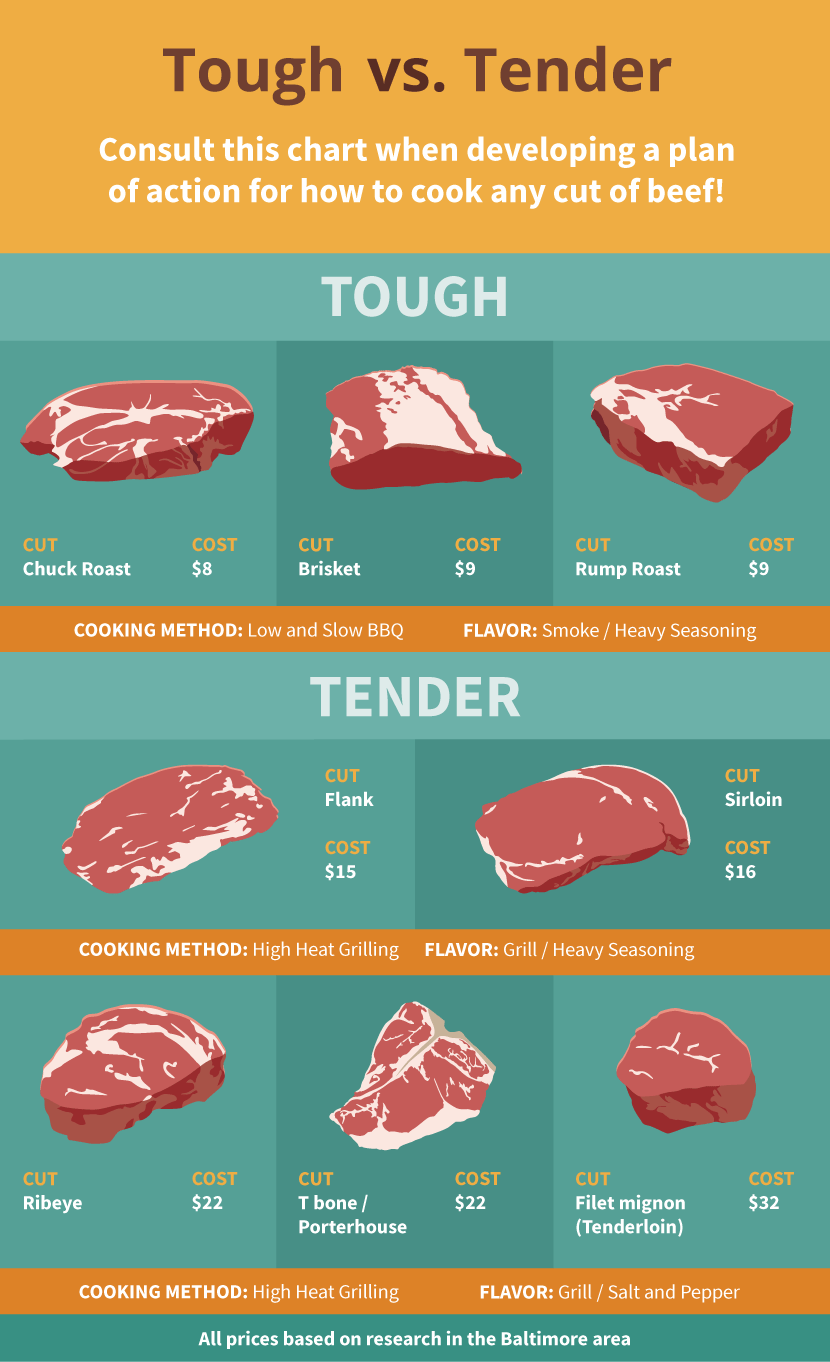
Similarly, even cuts often considered tougher, like a top sirloin, can be surprisingly tender when aged properly or prepared with specific techniques. The financial ROI here comes from stretching your dollar further without sacrificing quality. By understanding the anatomy of the steer and the characteristics of different muscles, consumers and businesses can make informed decisions that optimize both tenderness and cost-efficiency. This knowledge transforms the act of buying steak from a simple purchase into a calculated financial decision, ensuring maximum value for money.
Economical Tenderness: Smart Strategies for the Savvy Consumer
Achieving exceptional steak tenderness doesn’t always require an open-ended budget. Savvy consumers and cost-conscious businesses can employ several strategies to enhance the tenderness of less expensive cuts or to secure premium cuts at a better value. These approaches require a bit of planning and knowledge but can lead to significant financial savings while still delivering a highly satisfying culinary experience. It’s about working smarter, not just spending more.
Maximizing Your Budget with Smart Sourcing
One of the most effective ways to reduce costs while seeking tender steaks is through smart sourcing. Building a relationship with a local butcher can pay dividends. They often have access to cuts that aren’t widely available in supermarkets, or they may offer better prices on larger orders. Buying a larger primal cut, such as a whole tenderloin, and then butchering it yourself at home (if you have the skills and tools) can result in substantial savings per pound compared to buying individually portioned steaks. While this requires an initial investment in the larger cut and some time, the long-term financial benefits are clear.
Furthermore, seeking out sales, buying in bulk when prices are low, and utilizing loyalty programs can also help lower the overall cost of tender steaks. For restaurants, establishing direct relationships with ranchers or meat purveyors can cut out intermediaries, leading to better pricing and potentially more consistent quality, directly impacting the bottom line. These strategic sourcing methods are a form of financial planning, ensuring that premium experiences remain accessible without breaking the bank.
Value-Adding Techniques: From Dry-Aging to Marination
Beyond sourcing, various culinary techniques can significantly enhance the tenderness of a steak, transforming a good cut into an exceptional one, often without the premium price tag.
Dry-aging, for instance, is a process where large cuts of beef are stored in a controlled environment for several weeks. During this time, enzymes naturally break down muscle fibers, and moisture evaporates, concentrating flavor and significantly improving tenderness. While professional dry-aging can be expensive, home dry-aging kits and controlled environments allow enthusiasts to achieve similar results, adding immense value to less expensive cuts through a time investment rather than a monetary one. The financial return is a superior product from a more affordable starting point.
Marination is another powerful tool. Acidic ingredients (like vinegar, citrus juice, or yogurt) and enzymatic ingredients (like pineapple or papaya) in marinades help to break down muscle fibers, making the meat more tender. While not as transformative as dry-aging for dense cuts, a good marinade can significantly improve the texture of cuts like flank steak or skirt steak, offering a tender experience at a much lower cost than naturally tender cuts.
Finally, proper cooking techniques are paramount. Slow cooking, reverse searing, or even simply not overcooking a steak can prevent it from becoming tough, preserving its inherent tenderness. Investing in knowledge and skill, rather than just the most expensive cut, is a financially prudent approach to consistently enjoying tender steaks. It’s an investment in culinary education that yields delicious dividends.
The Financial Justification: Is the Most Tender Steak Worth the Splurge?
The decision to invest in the most tender and often most expensive steak cuts is not purely culinary; it’s also a financial one. For many, it’s about weighing the experiential return against the monetary outlay. Understanding when to splurge and when to be more economical is a hallmark of sound financial decision-making, both for individuals and for businesses.
Assessing the Experiential Return on Investment
When considering a filet mignon or a premium dry-aged ribeye, the question isn’t just “how much does it cost?” but “what is the value of the experience?” For a special occasion – an anniversary dinner, a celebration, or a rare treat – the unparalleled tenderness and flavor of a top-tier steak can create a memorable experience that justifies the higher price. The experiential ROI in these instances is high, as the joy and satisfaction derived from such a meal outweigh the additional cost for that specific moment.
However, for everyday consumption, the financial burden of consistently choosing the most expensive cuts would be unsustainable for most budgets. This is where the wisdom of strategic spending and value-adding techniques comes into play. The ‘worth’ of the splurge is subjective and heavily dependent on the context and the financial capacity of the buyer. Businesses often leverage this, positioning premium steaks as an aspirational indulgence, justifying their pricing through branding and marketing that emphasizes the unique, unforgettable experience.
Balancing Indulgence with Everyday Financial Prudence
Ultimately, striking a balance between indulgence and financial prudence is key. For a personal finance perspective, this means allocating funds for dining out or premium groceries as part of a larger budget. It might involve saving up for that exquisite steak dinner or choosing a more economical cut during the week to allow for a splurge on the weekend.
From a business standpoint, this balance involves carefully curated menus that offer a range of price points and value propositions. A restaurant might feature a high-end tenderloin for those willing to pay, alongside a more moderately priced hanger steak that offers excellent tenderness and flavor at a more accessible price. This allows them to cater to a broader clientele while maintaining profitability.
The quest for the most tender steak is a journey that intersects directly with financial planning. By understanding the costs, exploring value-driven alternatives, employing smart techniques, and wisely assessing the experiential return on investment, both consumers and businesses can navigate the world of premium beef with financial intelligence, ensuring that every tender bite is a well-considered and satisfying investment.
aViewFromTheCave is a participant in the Amazon Services LLC Associates Program, an affiliate advertising program designed to provide a means for sites to earn advertising fees by advertising and linking to Amazon.com. Amazon, the Amazon logo, AmazonSupply, and the AmazonSupply logo are trademarks of Amazon.com, Inc. or its affiliates. As an Amazon Associate we earn affiliate commissions from qualifying purchases.