
Navigating the Scented Landscape: Brand Positioning in Men’s Grooming
In the crowded aisle of personal care, the question “what’s the best men’s antiperspirant deodorant?” isn’t merely about chemical compounds or fragrance notes; it’s a deep dive into brand identity, consumer perception, and the art of market positioning. For men, the choice of antiperspirant deodorant is often an extension of their personal brand, a subtle yet significant statement about their lifestyle, values, and desired self-image. Brands in this space compete not just on efficacy, but on their ability to resonate with specific consumer segments, crafting narratives that extend far beyond simply preventing sweat and odor.
The Core Promise: Efficacy and Trust
At its foundational level, any successful antiperspirant deodorant brand must deliver on its primary promise: effective protection. This is the cornerstone upon which all brand loyalty and marketing efforts are built. Brands like Gillette, Old Spice, and Degree have spent decades solidifying their reputation for reliable performance, often through scientific claims, endurance tests, and testimonials that underscore their ability to withstand demanding situations. Their marketing often emphasizes “24/7 protection,” “clinical strength,” or “sweat activated” formulas, positioning them as trusted guardians against one of men’s most common hygiene concerns. Trust, built over years of consistent product delivery, allows these brands to command significant market share, transforming a functional necessity into a habitual, almost unconscious, purchase decision. Without this bedrock of efficacy, even the most sophisticated branding efforts would quickly falter.
Lifestyle Alignment: More Than Just a Scent
Beyond functional performance, leading brands master the art of lifestyle alignment. They understand that a deodorant isn’t just a product; it’s a prop in a man’s daily script. Are you the rugged outdoorsman, the sophisticated urban professional, the athlete pushing physical limits, or the environmentally conscious consumer? There’s a brand speaking directly to you. Old Spice, for instance, famously transitioned from an antiquated image to one of irreverent masculinity, associating its scents with adventure, humor, and magnetic charm. Axe (Lynx in some markets), on the other hand, built its empire on a youthful, alluring persona, equating its distinctive fragrances with irresistible appeal. These brands don’t just sell scents; they sell aspirations and identities, packaging a desired lifestyle within each stick or spray. This strategic alignment ensures that a man’s choice of antiperspirant deodorant reinforces, rather than contradicts, the image he projects to the world.
Decoding Brand Archetypes: From Rugged to Refined
The men’s antiperspirant deodorant market is rich with distinct brand archetypes, each meticulously designed to appeal to specific psychographics. Understanding these archetypes is key to deciphering how brands differentiate themselves and carve out their niches in a highly competitive landscape.
The ‘Performance’ Brands: Engineering Confidence
Brands such as Degree (Rexona internationally), Antiperspirant Deodorant, and certain lines from Gillette position themselves squarely within the “performance” archetype. Their marketing narratives are built around strength, endurance, and technological superiority. Images of athletes, extreme sports, and high-pressure scenarios dominate their campaigns, promising unwavering protection even under the most demanding conditions. They often highlight advanced formulations, “motion-activated” technology, or “clinical strength” efficacy, appealing to men who prioritize maximum reliability and view their antiperspirant as a vital tool for peak performance, both physically and professionally. The brand message here is clear: overcome challenges with confidence, knowing your protection won’t quit before you do.
The ‘Natural & Conscious’ Brands: Values-Driven Choices
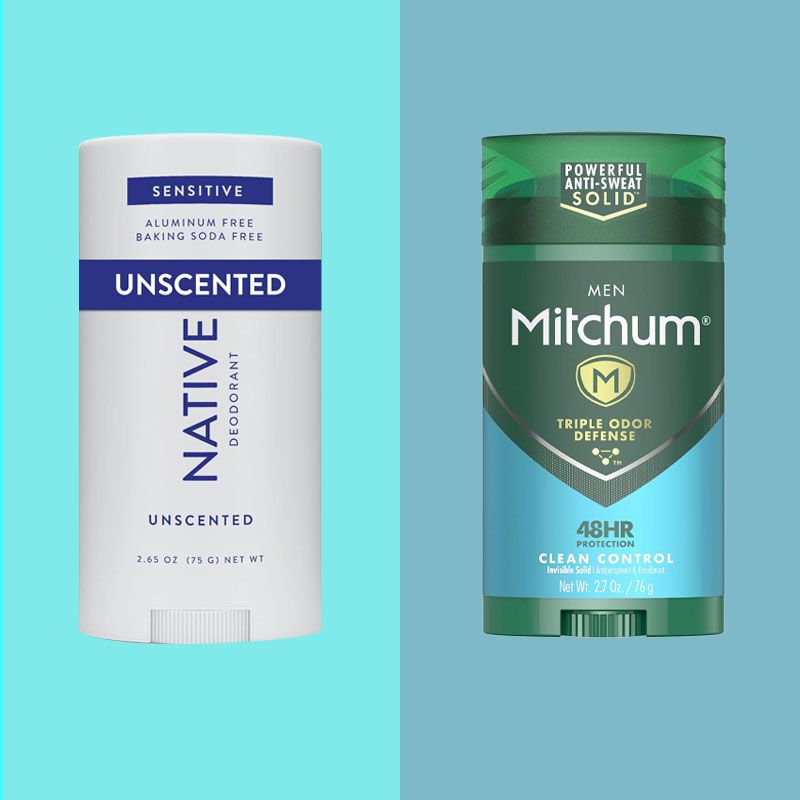
A burgeoning segment is occupied by brands that align with the “natural & conscious” archetype. These brands, like Native, Schmidt’s, and certain offerings from Tom’s of Maine, appeal to consumers who are increasingly scrutinizing ingredient lists and seeking products free from aluminum, parabens, and artificial fragrances. Their branding emphasizes transparency, sustainability, and a gentler approach to personal care. Packaging often features earthy tones, minimalist design, and clear declarations of “aluminum-free,” “vegan,” or “cruelty-free” status. For these consumers, the “best” antiperspirant deodorant isn’t just about sweat prevention, but about aligning their purchases with their ethical and environmental values, making a statement about their commitment to health and responsible consumption.
The ‘Luxury & Premium’ Brands: Elevating Daily Rituals
At the higher end of the market, brands like Jack Black, Aesop, and even designer fragrance houses offering their own deodorant sticks, embody the “luxury & premium” archetype. These brands transform the utilitarian act of applying deodorant into an indulgent self-care ritual. Their appeal lies in sophisticated, often unique, scent profiles, elegant minimalist packaging, and an emphasis on high-quality ingredients that promise a refined experience. Marketing for these brands often highlights craftsmanship, heritage, and the idea of discreet luxury. The target audience seeks not just protection, but an olfactory signature that complements their fine fragrances and an aesthetic that aligns with their discerning taste. For them, “best” is defined by an elevated experience and an unspoken sense of prestige.
The Art of Differentiation: Marketing and Messaging
In a market saturated with options, effective differentiation is paramount. Brands leverage sophisticated marketing and messaging strategies to distinguish themselves, ensuring their offerings stand out amidst a sea of similar products.
Packaging as a Silent Salesperson
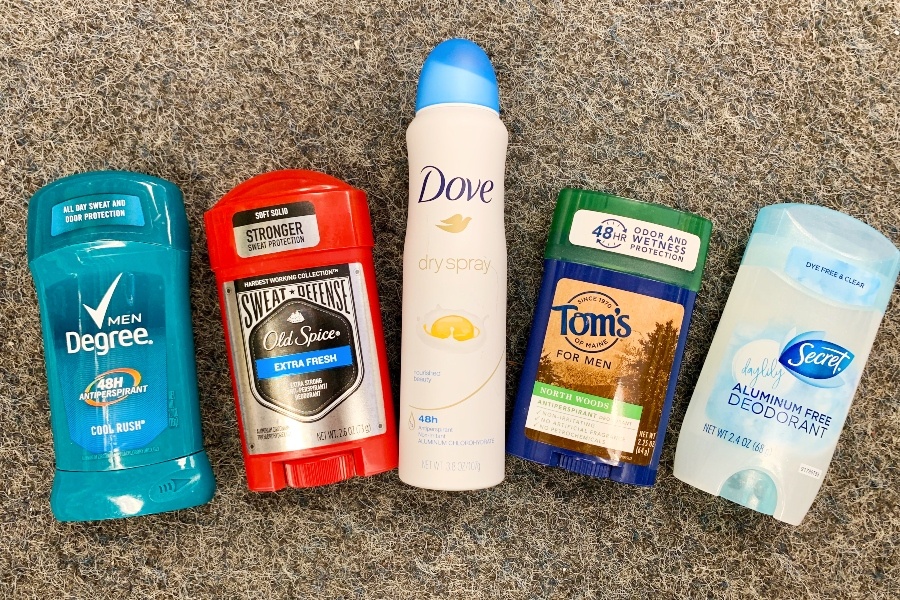
The design of an antiperspirant deodorant’s packaging plays a crucial role in its perceived identity and appeal. It’s the first tangible interaction a consumer has with a brand, acting as a silent salesperson on the shelf. Bold, masculine graphics and robust containers, often in dark or metallic hues, typically characterize performance-oriented brands, signaling strength and durability. Brands targeting the natural segment opt for clean, understated designs with earthy color palettes and often eco-friendly materials, conveying purity and simplicity. Premium brands invest in sleek, minimalist designs, often with metallic accents or sophisticated typography, to communicate exclusivity and quality. Even the mechanism of application—stick, roll-on, or spray—can become a brand identifier, influencing user experience and product perception. Thoughtful packaging not only protects the product but also encapsulates the brand’s essence and communicates its value proposition instantly.
Advertising Narratives: Crafting Desired Identities
Advertising campaigns are where brands truly weave their stories, crafting narratives that invite consumers to envision a desired identity. Old Spice’s “The Man Your Man Could Smell Like” campaign masterfully blended humor, surrealism, and aspirational masculinity, revitalizing the brand’s image and making it culturally relevant again. Axe built its early success on edgy, provocative ads that linked its scent directly to irresistible attraction, speaking to a younger demographic’s desires. Degree often focuses on relatable scenarios of stress and physical exertion, demonstrating how its product allows individuals to perform their best without fear of sweat or odor, promoting a narrative of unwavering confidence. These narratives don’t just inform; they inspire, connect emotionally, and reinforce the lifestyle associations that ultimately guide consumer choice. The most effective campaigns sell more than a product; they sell a feeling, an identity, and a promise.
Building Loyalty: Beyond the First Purchase
While initial appeal can capture a consumer’s attention, sustained loyalty is built on consistent delivery, innovation, and a genuine connection with the brand’s ethos.
Innovation as a Brand Pillar
In a mature market, innovation is a critical driver of brand relevance and loyalty. This isn’t always about revolutionary new ingredients, but often about subtle improvements, new scent profiles that tap into current trends, or enhanced user experiences. Brands introduce “invisible solids” to prevent white marks, “pH balanced” formulas for sensitive skin, or “sport-specific” lines that promise enhanced protection for active lifestyles. Even packaging innovations, like more ergonomic designs or sustainable refill options, contribute to keeping a brand fresh and responsive to evolving consumer needs. Brands that demonstrate a commitment to continuous improvement, listening to consumer feedback and adapting their offerings, cultivate a sense of progression that keeps their customer base engaged and loyal.
Community and Connection
Beyond the product itself, many successful brands foster a sense of community or connection with their consumers. This can manifest through social media engagement, user-generated content, or aligning with causes that resonate with their target audience. Brands that project authenticity and shareable values often find deeper resonance. For example, natural deodorant brands often build communities around health and wellness, providing content that goes beyond product promotion. Performance brands might sponsor athletic events or partner with fitness influencers, creating a shared identity among those who prioritize an active lifestyle. This engagement transforms a transactional relationship into a more personal one, making consumers feel like they are part of something larger than just a product purchase, thereby strengthening brand affinity and long-term loyalty.

The Brand-Consumer Symbiosis: Defining “Best” Through Identity
Ultimately, the “best” men’s antiperspirant deodorant is a deeply subjective determination, driven significantly by the intricate interplay between brand messaging and individual identity. It’s not just about which product stops sweat most effectively, but which brand most authentically reflects and enhances the consumer’s desired self-image and lifestyle. Whether a man prioritizes rugged efficacy, sophisticated luxury, ethical consumption, or youthful allure, there’s a brand strategically positioned to meet that need. The market’s leading brands have mastered the art of brand strategy, corporate identity, and marketing, turning a simple grooming essential into a powerful tool for personal expression. The continuous evolution of brand narratives ensures that as men’s identities and values shift, so too will the definition of what constitutes “the best” in this dynamic and essential product category.
aViewFromTheCave is a participant in the Amazon Services LLC Associates Program, an affiliate advertising program designed to provide a means for sites to earn advertising fees by advertising and linking to Amazon.com. Amazon, the Amazon logo, AmazonSupply, and the AmazonSupply logo are trademarks of Amazon.com, Inc. or its affiliates. As an Amazon Associate we earn affiliate commissions from qualifying purchases.